


| Contents |
|---|
Introduction
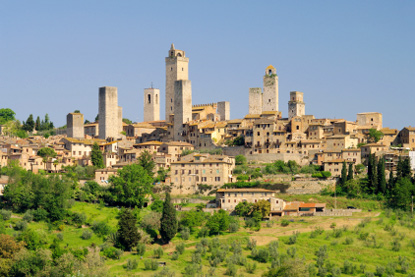
San Gimignano, a medieval hill town in the province of Siena, Tuscany, sits atop a 300-metre hill between Florence and Siena. This remarkably preserved UNESCO World Heritage Site is most famous for its medieval towers—whilst it once boasted 72 towers built by wealthy families in the 12th and 13th centuries, 14 remain standing today, creating its distinctive skyline. The town flourished during medieval times due to its position along the Via Francigena, the important pilgrimage route connecting Rome to Canterbury. The historic centre features Gothic and Romanesque architecture, including the Palazzo del Popolo, the Collegiate Church with its remarkable frescoes by Domenico Ghirlandaio, and the Church of Sant'Agostino. Beyond its architectural splendour, San Gimignano is renowned for its local products, including saffron, Vernaccia white wine, and pecorino cheese.
Interesting Facts about San Gimignano
- San Gimignano is a UNESCO World Heritage Site celebrated for its exceptionally preserved medieval architecture.
- The town is nicknamed the "Manhattan of the Middle Ages" due to its 14 surviving medieval tower houses.
- It served as a key stop on the Via Francigena, a historic pilgrimage route connecting Canterbury to Rome.
- San Gimignano's Vernaccia di San Gimignano is a renowned white wine made from an ancient grape variety.
- Wealthy families constructed towers as symbols of power during medieval rivalries, originally numbering over 70.
- The town derives its name from Saint Geminianus, credited with protecting it from Attila the Hun in the 4th century.
- Dante Alighieri visited in 1300 as an ambassador during political conflicts between Guelphs and Ghibellines.
- Torre Grossa, the tallest remaining tower at 54 metres, offers panoramic views of the Tuscan countryside.
- San Gimignano was a major medieval hub for saffron trade, used in cooking, dyes and medicines.
- The historic centre retains original Gothic and Romanesque structures like the Collegiata church and Palazzo Comunale.
History
San Gimignano's origins trace back to the 3rd century BCE when it began as a small Etruscan settlement. The town's name derives from Saint Geminianus, the Bishop of Modena, who reportedly saved the settlement from Attila the Hun's destruction in 450 CE. This divine intervention led to the dedication of a church to the saint, and by the 6th and 7th centuries, a walled village known as the "Castle of San Gimignano" had developed around it.
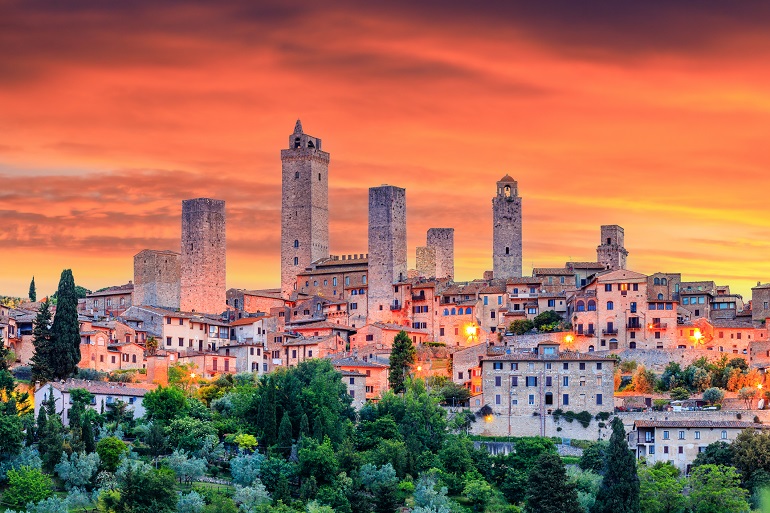
The medieval period marked San Gimignano's golden age, as its strategic position along the Via Francigena—the crucial pilgrimage route connecting Canterbury to Rome—transformed it into a bustling centre of commerce. The town flourished through trade in agricultural products, particularly saffron and Vernaccia wine. Its prosperity peaked between the 12th and 14th centuries, during which wealthy families constructed an impressive 72 towers as symbols of their power and affluence. Today, 14 of these magnificent towers remain, earning the town its nickname as the "medieval Manhattan".
However, San Gimignano's fortunes dramatically changed in 1348 when the Black Death devastated the population, with more than half of its inhabitants perishing within six months. This catastrophic event marked the beginning of the town's decline, culminating in its submission to Florentine rule by 1353. Despite this downturn, San Gimignano managed to preserve its medieval character through the centuries, and its remarkable architectural heritage and cultural significance have earned it recognition as a UNESCO World Heritage site.
Main Attractions
Historic Centre
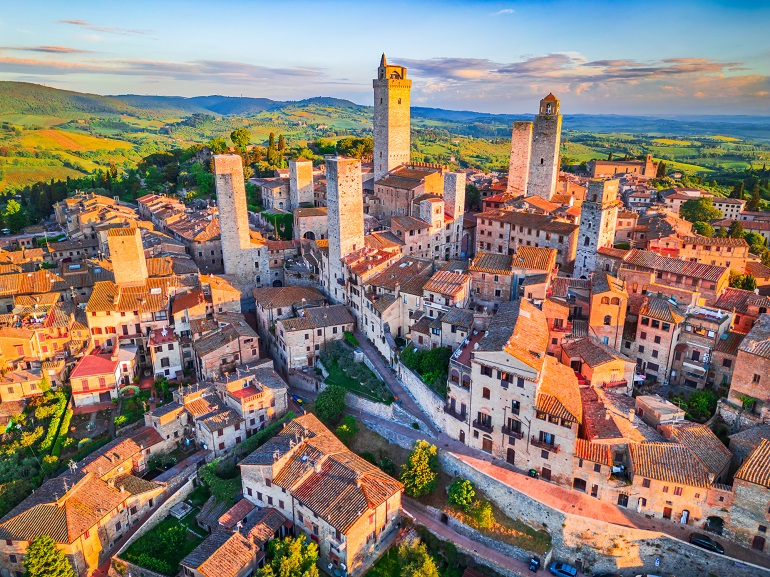
The UNESCO World Heritage-listed historic centre of San Gimignano stands as a testament to medieval Italian architecture and urban planning. Walking through its narrow, winding cobblestone streets feels like stepping back in time to the 13th century. The town's distinctive skyline, punctuated by 13 remaining towers from the original 70, has earned it the nickname 'Manhattan of the Middle Ages'. These towers were built by wealthy families as symbols of their power and prosperity, with each family attempting to construct a taller tower than their neighbours. The historic centre is particularly magical during sunrise and sunset when the golden light bathes the ancient stone buildings in warm hues.
Piazza della Cisterna
This triangular square represents the heart of San Gimignano's social life and is named after the ancient well at its centre. The well, built in 1346, features an octagonal base and elaborate stonework that tells stories of the town's medieval water system. The piazza is surrounded by magnificent medieval townhouses and noble palaces, their facades adorned with terracotta decorations and Gothic windows. Local artisan shops, traditional restaurants, and the famous Gelateria Dondoli, twice world champion of gelato, line the square. Every Thursday morning, the piazza transforms into a bustling marketplace where locals and tourists alike can purchase fresh produce, traditional crafts, and local specialities.
Piazza del Duomo
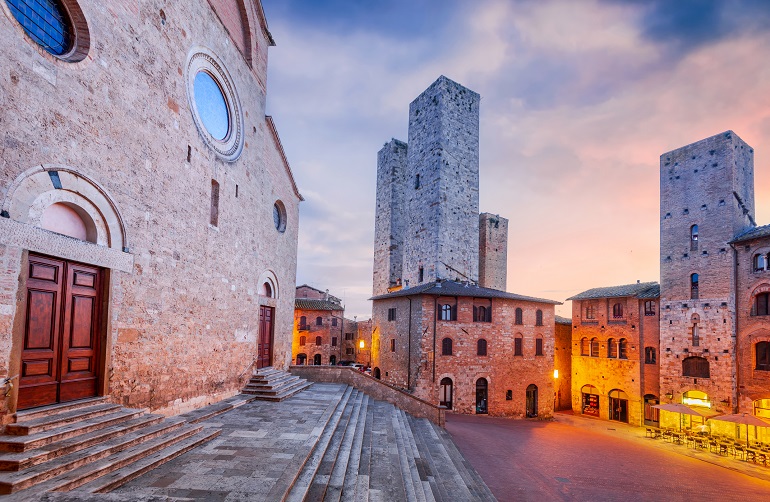
The political and religious centre of San Gimignano, Piazza del Duomo showcases some of the town's most impressive architectural achievements. The square is surrounded by important civic buildings that reflect the town's historical power and wealth. The pavement, made of traditional local stone, has witnessed countless historical events and celebrations. During summer evenings, the square comes alive with cultural events, concerts, and medieval festivals that transport visitors back to the town's golden age. The atmospheric lighting and historical ambiance make it a perfect spot for evening photographs.
Torre Grossa
The majestic Torre Grossa, completed in 1311, stands as the tallest of San Gimignano's surviving towers at 54 metres. This architectural marvel represents the pinnacle of medieval engineering and offers visitors an unforgettable experience. The climb to the top involves 218 steps through narrow passages that reveal the tower's construction techniques. Each level provides fascinating insights into medieval life, with the original wooden floors and beam holes still visible. The summit rewards climbers with breathtaking 360-degree views of the Tuscan landscape, including rolling hills, vineyards, and cypress trees. On clear days, visitors can see as far as the Apennine Mountains.
Collegiata di Santa Maria Assunta
This remarkable cathedral, while modest on the outside, houses one of Tuscany's most impressive fresco cycles. The interior walls are covered with vibrant frescoes depicting scenes from the Old and New Testaments, created by some of the most talented artists of the 14th century. The most famous sections include the Last Judgment by Taddeo di Bartolo and scenes from the life of Santa Fina by Domenico Ghirlandaio. The cathedral's architectural elements showcase the transition from Romanesque to Gothic styles, with beautiful columns and arches throughout. The Chapel of Santa Fina, decorated with golden frescoes, is particularly noteworthy for its artistic and historical significance.
Palazzo del Popolo
Also known as Palazzo Comunale, this 13th-century building served as the seat of civic power in medieval San Gimignano. The palace's architecture exemplifies the Gothic civic style, with its impressive facade featuring mullioned windows and coat of arms of various officials. Inside, visitors can explore the Sala di Dante, where the famous poet once spoke as an ambassador of the Guelph League. The building houses remarkable frescoes depicting secular themes, including hunting scenes and courtly love stories. The internal courtyard features original stone decorations and provides a peaceful retreat from the bustling streets.
Rocca di Montestaffoli
This 14th-century fortress sits atop the highest point of San Gimignano, offering a perfect blend of history and natural beauty. The site was originally a Florentine fortress but now serves as a public park surrounded by ancient walls. Olive groves within the fortress grounds produce some of the region's finest olive oil. The grassy areas provide an ideal picnic spot with panoramic views of the Chianti countryside. Throughout the year, the fortress hosts various events, including medieval festivals, open-air cinema screenings, and wine tastings. The sunset views from the fortress walls are particularly spectacular, making it a favourite spot for photographers and romantic couples alike.
Church of San Lorenzo al Ponte
This often-overlooked church, dating from 1240, represents one of San Gimignano's oldest religious buildings. Located slightly off the main tourist path, it offers a peaceful retreat and houses remarkable frescoes by Cenni di Francesco di ser Cenni. The church's simple Romanesque architecture contrasts beautifully with its elaborate interior decorations. The recently restored frescoes tell biblical stories with remarkable detail and vivid colours that have survived the centuries. The church's position near the old city gates provides context for understanding the town's medieval layout and defensive system. Its small courtyard garden offers a tranquil space for reflection and appreciation of medieval religious architecture.
Medieval Herb Garden
Hidden behind the Collegiata, this reconstructed medieval herb garden showcases plants that were commonly used for medicinal, culinary, and decorative purposes during the Middle Ages. The garden is meticulously maintained and features detailed information about each plant's historical uses. Visitors can learn about medieval herbalism and the important role these gardens played in monastic life. The garden's design follows traditional medieval patterns, with geometric beds and symbolic arrangements that reflect the period's understanding of the natural world.
Via dei Castelli
This lesser-known street offers one of the most authentic medieval experiences in San Gimignano. The narrow lane features original medieval paving and architecture largely unchanged since the 13th century. Walking along this street provides insights into the daily life of medieval residents, with many architectural details such as old doorways, windows, and stone decorations still intact. The street offers unique photographic opportunities and is particularly atmospheric in the early morning or late evening when tourist crowds are minimal.
Top Museums
San Gimignano 1300
For those seeking a truly immersive historical experience, the San Gimignano 1300 museum offers an unparalleled journey through time. This unique institution features a meticulously crafted ceramic model that reconstructs the entire city as it appeared in the year 1300, complete with all 72 of its original towers.
The museum goes beyond static displays, incorporating multimedia exhibits and lifelike street scenes to bring the medieval town to life. Visitors can gain a deeper understanding of San Gimignano's growth and the vital role played by the Via Francigena in the town's development.
Created by master artists Michelangelo and Raffaello Rubino, along with a dedicated team of artisans and historians, San Gimignano 1300 offers a captivating blend of art, history, and interactive learning. It's an ideal destination for families and history enthusiasts alike, providing an engaging experience that brings seven centuries of history vividly to life.
Civic Museums
The Civic Museums complex, situated in the heart of San Gimignano's Piazza del Duomo, serves as a cornerstone of the town's cultural offerings. This complex encompasses several noteworthy sites, each with its own unique charm and historical significance.
The Municipal Palace, also known as Palazzo Comunale or Palazzo del Popolo, stands as a testament to 13th-century architecture. Within its walls, visitors can explore the Sala del Consiglio, affectionately dubbed the Dante Room in honour of the great poet's visit in 1299. This chamber boasts an impressive cycle of hunting frescoes dating back to 1290, crafted by the skilled hand of Florentine painter Azzo di Masetto. Another highlight of the Municipal Palace is the exquisite MaestĂ by Lippo Memmi, a follower of the renowned Simone Martini.
Ascending to the second floor of the Municipal Palace, art enthusiasts will discover the Picture Gallery. This space houses a remarkable collection of masterpieces by Sienese and Florentine painters from the 13th to the 15th century. Works by illustrious artists such as Filippino Lippi, Benozzo Gozzoli, Benedetto da Maiano, and Pinturicchio grace the walls, offering a visual feast for visitors.
The Civic Museums complex is crowned by the Grossa Tower, an architectural marvel dating back to 1311. Those who brave the climb to its summit are rewarded with breathtaking panoramic views of San Gimignano and its picturesque surroundings.
Archaeological Museum
Located in the former Santa Chiara Conservatory, the Archaeological Museum offers a fascinating journey through San Gimignano's history, from the Archaic Etruscan period to the 17th century. The museum's collection is thoughtfully divided into two main sections.
The first section transports visitors to the Etruscan-Roman era, displaying an array of artefacts unearthed from ancient settlements and necropolises in the surrounding area. These finds, dating from the 7th to the 1st century CE, offer valuable insights into the region's early inhabitants.
The second section of the museum focuses on the medieval period, with a particular emphasis on the town's thriving handicraft traditions. Here, visitors can explore exhibits dedicated to glassmaking and ceramics, two industries that played a crucial role in San Gimignano's economic prosperity during the Middle Ages.
Local Cuisine
San Gimignano's culinary scene brilliantly showcases traditional Tuscan fare, with restaurants offering everything from rustic comfort food to Michelin-starred excellence. The local specialities include hearty ribollita (a traditional bean and cabbage soup), hand-rolled pasta dishes such as pici with duck ragĂą, and pappardelle with wild boar sauce. The town's eateries pride themselves on using locally-sourced ingredients, including premium Chianina beef for the famous Florentine steak, Cinta Senese cured meats, and fresh truffles. Many establishments feature both intimate indoor dining rooms with vaulted ceilings and scenic terraces overlooking the Tuscan countryside. The local pecorino cheese pairs wonderfully with the region's renowned wines, particularly the Vernaccia di San Gimignano DOCG, whilst traditional desserts like cantuccini biscuits are best enjoyed dipped in Vinsanto wine
Wine Experience
San Gimignano's wine heritage centres around the prestigious Vernaccia di San Gimignano, the first Italian white wine to receive DOC status in 1966 and later DOCG status. The town boasts approximately 60 wineries, each offering unique tasting experiences. Many estates combine traditional winemaking methods with modern technology, producing wines that perfectly express the local terroir. Visitors can participate in guided tours through the vineyards, learning about the cultivation process and the specific characteristics of the local grape varieties. The wine experience often includes visits to historic cellars carved into the rock beneath the town, where wines age in oak barrels. Many wineries also offer cooking classes and food pairing experiences featuring local specialities.
Shopping
The town's main shopping areas centre around Piazza della Cisterna and Via San Giovanni, where visitors can discover handmade ceramics, leather goods, and exquisite jewellery. Local food shops showcase Tuscan delicacies, including the renowned Vernaccia di San Gimignano white wine, wild boar sausage, and locally-produced olive oil. Every Thursday, the town comes alive with a vibrant market in Piazza delle Erbe and Piazza Duomo, where shoppers can find fresh produce, handmade crafts, and authentic souvenirs. The town particularly excels in traditional crafts, with numerous workshops offering hand-painted pottery, glassware, and handwoven textiles, making it an ideal destination for those seeking unique, artisanal treasures.
Nature in and around San Gimignano
San Gimignano's natural splendour extends far beyond its famous medieval towers, offering visitors a rich tapestry of verdant landscapes and diverse ecosystems. The area's principal natural attraction is the Castelvecchio Nature Reserve, situated just a few kilometres from the town, where ancient castle ruins emerge dramatically from dense woodland. This protected area showcases a remarkable variety of flora, including oak forests, Mediterranean scrub, and unique specimens of beech trees, sycamores and yews. The reserve's limestone cliffs provide an ideal habitat for rare peregrine falcons, whilst the surrounding countryside is adorned with endless rows of vineyards and olive groves. Nature enthusiasts can explore this stunning landscape via an extensive network of walking trails, including sections of the historic Via Francigena, offering breathtaking views of the Tuscan hills and opportunities for hiking, cycling, and horseback riding through this unspoilt corner of Italy.
Getting Around
San Gimignano is easily accessible from major Tuscan cities, with buses being the most convenient option. From Florence, take the BusItalia Nord service from Santa Maria Novella bus depot to Poggibonsi, then connect to bus 130 to reach San Gimignano. From Siena, bus 130/A provides direct service. If arriving by train, you'll need to stop at Poggibonsi station and take a connecting bus to San Gimignano. Once in town, the historic centre is compact and walkable, though it involves some uphill sections. Two local bus lines operate within San Gimignano: Line 1 runs year-round connecting Le Mosse to the town centre and Santa Lucia, while Line 2 operates only in summer between Santa Lucia, Parcheggio Giubileo, and Porta San Giovanni. For those planning to visit multiple attractions, the €13 City Pass offers good value, providing access to major sites like the Duomo, Torre Grossa, and Palazzo del Popolo for two days.
Best Time to Visit
The ideal time to visit San Gimignano varies depending on your preferences, but spring (March to May) and autumn (September to October) offer the most pleasant conditions. Spring brings mild temperatures and blooming countryside, with fewer tourists compared to peak season, whilst autumn rewards visitors with beautiful golden landscapes and the excitement of grape harvest season. Summer months (June to August) are the busiest and hottest, with temperatures reaching 29°C and abundant sunshine, though the town becomes quite crowded with tourists. If you fancy a quieter experience, consider visiting in spring when the countryside is adorned with fresh greenery, or in autumn when the crisp days and warm light create perfect conditions for sightseeing. Regardless of when you choose to visit, the early morning or late afternoon hours tend to be less crowded, allowing for a more tranquil experience of this medieval gem.