


| Contents |
|---|
Introduction
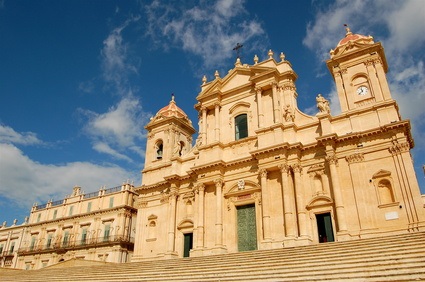
Nestled in the southeastern corner of Sicily, the enchanting baroque city of Noto stands as a masterpiece of 18th-century architectural brilliance. After a devastating earthquake in 1693, the entire city was rebuilt in the distinctive Sicilian Baroque style, featuring honey-coloured limestone buildings, ornate palaces, and graceful churches that glow golden in the Mediterranean sun. This UNESCO World Heritage site, often called the 'Stone Garden', captivates visitors with its perfectly proportioned squares, grand ceremonial staircases, and elaborate balconies supported by whimsical carved figures. The city's main thoroughfare, Corso Vittorio Emanuele, showcases the finest examples of baroque architecture, whilst the magnificent Cathedral of San Nicolò watches over the town from its elevated position atop a broad staircase.
Interesting Facts about Noto
- Noto, renowned for its Sicilian Baroque architecture, was entirely rebuilt after the devastating 1693 earthquake and is now a UNESCO World Heritage Site.
- The town's iconic honey-coloured limestone buildings take on a golden glow during sunset, creating a mesmerising atmosphere.
- Palazzo Nicolaci di Villadorata features extravagant balconies supported by carvings of mythological creatures like mermaids and centaurs.
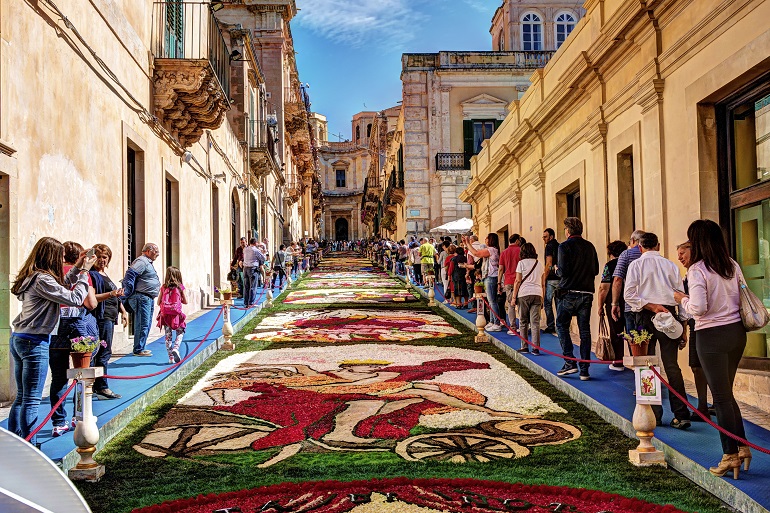
- Noto hosts the annual Infiorata festival in May, where artists create elaborate floral carpets along Via Nicolaci.
- The original medieval settlement of Noto Antica lies in ruins 8km north, offering panoramic views from Mount Alveria.
- During Arab rule, Noto served as the Val di Noto's capital and became a centre for silk production and almond cultivation.
- Noto Cathedral's dome dramatically collapsed in 1996 but was faithfully reconstructed using traditional techniques by 2007.

History
Noto, a stunning city in southeastern Sicily, boasts a rich history spanning over two millennia. The original settlement, known as Noto Antica, was founded around 500 BCE by the Sikel king Ducezio on Mount Alveria. The city flourished under various civilisations, becoming particularly prominent during the Arab period when it served as the capital of Val di Noto, one of Sicily's three administrative districts.
The medieval town of Noto Antica met a devastating fate in 1693 when a catastrophic earthquake virtually razed the settlement, claiming the lives of over half its population. Following this disaster, the city was strategically rebuilt 8 kilometres away on the left bank of River Asinaro, closer to the Ionian shore. This rebirth gave rise to the architectural marvel we see today, as the entire city core was constructed in the Sicilian Baroque style, earning it the nickname "Stone Garden" and securing its place as a UNESCO World Heritage Site.
Throughout its modern history, Noto continued to play a significant role in Sicilian affairs. The city rebelled against the House of Bourbon in 1860, welcoming Giuseppe Garibaldi during Italy's unification. The town's distinctive architecture features local limestone that takes on a warm, honey-coloured hue in sunlight, creating a mesmerising spectacle along its main thoroughfare, Corso Vittorio Emanuele. The city's layout was ingeniously designed with three parallel streets, each designated for different social classes - the church, nobility, and common people.
Main Attractions
Religious Architecture
Cathedral of San Nicolò
The majestic Cathedral of San Nicolò dominates Noto's skyline and serves as the spiritual heart of the city. This architectural marvel, completed in 1776, features an imposing façade with elegant Corinthian columns and three ornate portals. The cathedral's grand staircase, divided into three wide steps, leads visitors to the main entrance, creating a theatrical approach characteristic of Baroque architecture. Inside, visitors are greeted by three vast naves separated by massive pillars, with the central nave featuring remarkable frescoes depicting scenes from the life of St. Nicholas. The cathedral's dome, which dramatically collapsed in 1996 and was meticulously reconstructed, offers a testament to modern restoration techniques while maintaining historical authenticity.
Church of San Carlo
The Church of San Carlo al Corso represents one of Noto's most distinctive religious edifices, celebrated for its dramatic bell tower and curved façade that follows the gentle bend of the street. The church's most striking feature is its accessible bell tower, which rewards climbers with breathtaking views across Noto's historic centre. The ascent, though challenging, reveals an increasingly spectacular panorama of the city's golden-hued buildings, terracotta roofs, and the surrounding Hyblaean countryside. The church's interior showcases exquisite stucco work and houses several important religious artworks, including an 18th-century wooden crucifix.
Church of Santa Chiara
The Church of Santa Chiara stands as a testament to the genius of architect Rosario Gagliardi, who created this masterpiece in 1730. The church's convex façade, adorned with elegant columns and statues, creates a dynamic interplay of light and shadow throughout the day. The interior boasts elaborate Baroque decorations, including magnificent frescoes and gilt stuccowork. The church's most remarkable feature is its adjacent former convent, which houses a terrace offering some of the most photographed views in Noto. The terrace provides an unparalleled vantage point for admiring the cathedral and the entire historic centre.

Palaces and Civil Architecture
Porta Reale
Porta Reale, the triumphant gateway to Noto's historic centre, serves as a symbolic entrance to the Baroque wonderland beyond. This magnificent arch, constructed in 1838, features intricate symbolic sculptures that tell the story of the city's values and aspirations. The tower represents strength and power, while the loyal dog symbolises fidelity to the crown, and the pelican represents sacrifice and devotion. The arch's strategic position at the beginning of Corso Vittorio Emanuele creates a theatrical entrance experience, with the golden limestone glowing magnificently during sunset.
Palazzo Nicolaci
The extraordinary Palazzo Nicolaci di Villadorata stands as perhaps the most spectacular example of aristocratic architecture in Noto. This immense palace, built for the Nicolaci family, contains 90 rooms adorned with original furniture, frescoes, and decorative arts. The palace's most distinctive feature is its series of extraordinary balconies, each supported by elaborate brackets carved to represent a fantastic menagerie of grotesque figures, mythological creatures, cherubs, horses, and lions. The interior, when open to visitors, reveals sumptuous rooms decorated with period furniture, including a magnificent ballroom and a library containing over 8,000 volumes.
Palazzo Ducezio
Palazzo Ducezio, Noto's elegant town hall, exemplifies the French-inspired architectural style that influenced Sicilian Baroque. The palace's harmonious façade features twenty elegant arches supported by columns, creating a rhythmic colonnade that extends along the entire front of the building. The interior houses the Hall of Mirrors, a stunning room decorated with crystal chandeliers and gilded stucco work, where civil marriages are still performed today. The palace's upper floor, added in the 20th century, provides a wonderful terrace overlooking the cathedral and Piazza Municipio.
Annual Events
Infiorata Festival
The Infiorata Festival transforms Via Nicolaci into an extraordinary outdoor art gallery, where the street becomes a canvas for intricate floral masterpieces. This three-day celebration of art and nature sees local and international artists creating elaborate designs using thousands of flower petals, carefully arranged to depict religious scenes, mythological figures, and contemporary themes. The festival includes not only the flower carpet but also music performances, food stalls offering local delicacies, and cultural events throughout the city. The preparation begins days in advance, with artists sketching their designs on the street before meticulously filling them with colourful petals, creating a spectacular 70-metre-long carpet that draws visitors from across the globe.
Top Museums
Noto Civic Museum
Housed in the elegant Baroque Palazzo Trigona, the Noto Civic Museum offers a captivating journey through the city's rich history. The museum's collection is divided into two main sections: archaeological and artistic. The archaeological section showcases a fascinating array of artefacts unearthed from excavations at the ancient site of Noto, providing visitors with tangible connections to the area's distant past.
The artistic section, which doubles as a Contemporary Art Gallery, is a testament to Noto's thriving cultural scene. This part of the museum owes its existence to the generous donation of works by the nationally recognised sculptor Giuseppe Pirrone. Visitors can marvel at an impressive collection of sculptures in various forms, including freestanding pieces, reliefs, and medals. These works of art are crafted from a diverse range of materials, spanning from humble terracotta to precious gold, showcasing the versatility and skill of the artist.
The museum's exhibits paint a vivid picture of Noto's evolution, with a particular focus on the city's rebirth following the catastrophic earthquake of 11 January 1693. Through a carefully curated collection of historical documents, photographs, traditional costumes, and architectural models, visitors gain valuable insights into the city's remarkable reconstruction and the preservation of its cultural traditions.
Noto Ethnographic Museum
Located in Via Fazello 168, in a building that once served as the municipal slaughterhouse, the Noto Ethnographic Museum offers a deep dive into the cultural traditions of the region. This museum is a treasure trove of artefacts that shed light on the customs, crafts, and folklore of Noto and its surrounding areas.
The museum's permanent exhibition, known as the Cascino collection, is a unique fusion of archaeological finds from Noto's primeval site, Monte Alveria, and objects of ethno-anthropological significance. This carefully curated collection serves as a testament to the evolution of indigenous culture and traditions throughout various historical periods.
Visitors can explore a rich assortment of exhibits, including traditional costumes, household objects, agricultural tools, and musical instruments. These artefacts offer invaluable insights into the daily lives and cultural practices of past generations, allowing visitors to trace the development of local traditions over time.
Noto Cathedral Museum
Nestled within the magnificent Noto Cathedral, a UNESCO World Heritage site since 2002, the Cathedral Museum is a sanctuary of religious art and artefacts. The cathedral itself, designed by architect Andrea Palma and completed in 1776, is a masterpiece of Baroque architecture, featuring a central dome, two bell towers, and a large nave.
Within this awe-inspiring setting, the museum houses a vast collection of religious paintings, sculptures, liturgical objects, and ancient manuscripts. These treasures showcase the skill and devotion of local artisans throughout the centuries, offering visitors a glimpse into the rich religious and artistic heritage of Noto.
The museum's collection includes several important works of art and historical artefacts. Among these is a tomb honouring Bishop Benedetto di Caro, who served as Bishop of Noto from 1698 to 1733, during the crucial period of the city's reconstruction following the 1693 earthquake.
Noto Museum of Contemporary Art
For those with a penchant for modern artistic expressions, the Noto Convitto delle arti is a must-visit destination. This contemporary art museum showcases a diverse range of works by both local and international artists, offering visitors an immersive experience in the vibrant world of modern art.
The museum has played host to significant exhibitions, including a notable showcase of Pablo Picasso's works. From March to October 2019, the museum presented "Picasso è Noto", a comprehensive exhibition featuring over 208 pieces spanning various mediums, including oils, paintings, sculptures, and other artworks by the renowned Spanish maestro.
This exhibition, curated by Lola Durán Úcar, explored themes dear to Picasso's heart, such as the circus, theatre, bullfighting, and his perennial fascination with women. Visitors were treated to important stages of Picasso's creative journey, including the sensuality of 'Deux Femmes', self-portraits, a series of engravings featuring La Célestine, and a cycle of 27 works dedicated to bullfighting.
Museum of the Sea
Situated in Noto's picturesque coastal area, the Museum of the Sea pays homage to the region's rich maritime heritage. Given Noto's proximity to the Mediterranean, this museum offers a comprehensive exploration of the area's seafaring traditions and history. Visitors can expect to find exhibits detailing the evolution of local fishing techniques, naval architecture, and the impact of maritime trade on Noto's development over the centuries.
Noto Antiquarium
The Noto Antiquarium houses an impressive collection of artefacts discovered in and around Noto, spanning from prehistoric times through the Greek, Roman, and Byzantine eras. This museum offers visitors a tangible connection to the area's ancient past, with exhibits including pottery fragments, intricate sculptures, and beautifully preserved mosaics. Each piece tells a story of the daily lives, artistic achievements, and cultural practices of the civilisations that once thrived in this region.
Villa Romana del Tellaro
Although not strictly within Noto's city limits, the nearby Villa Romana del Tellaro is an archaeological gem that shouldn't be missed. This remarkably preserved 4th-century CE Roman villa offers a fascinating glimpse into the opulent lifestyles of the Roman elite during the late antiquity period.
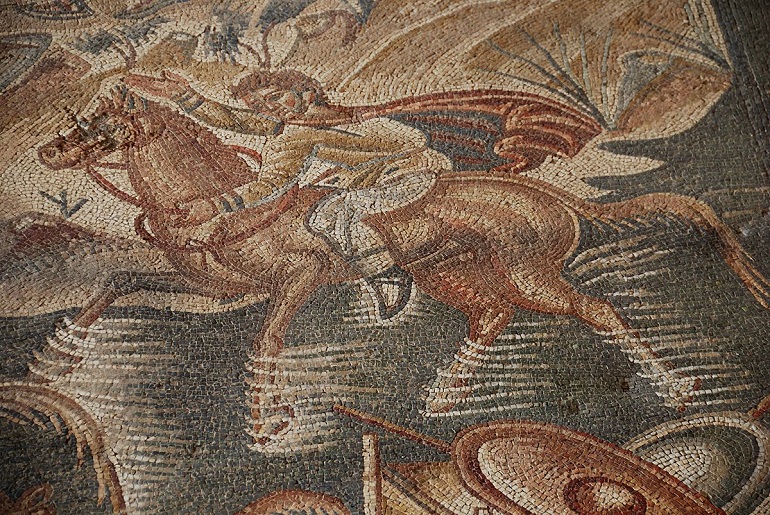
The villa's layout centres around a vast peristyle, with its northern portico featuring an exquisite mosaic pavement. This intricate design incorporates laurel festoons forming circles and octagons, adorned with geometric and floral motifs. Two rooms opening onto this portico boast particularly noteworthy mosaics that have captured the imagination of historians and visitors alike.
In the first room, despite some damage, a remarkable panel depicts 'The Ransom of Hector's Body'. This scene portrays Ulysses, Achilles, and Diomedes, identified by Greek inscriptions, preparing to weigh the hero's corpse. While the figure of Priam is lost, fragments of Hector's body can be seen on one side of a balance scale, with the gold for his ransom on the other.
The second room's floor mosaic presents a captivating hunting scene, complete with an outdoor banquet set amidst trees. A notable female figure in this mosaic is interpreted as a representation of Africa. These mosaics bear similarities to those found in the famous Villa Romana del Casale in Piazza Armerina, although the figures here are more stylised and less refined.
Local Cuisine
Noto's cuisine brilliantly reflects Sicily's rich cultural tapestry, combining traditional flavours with Arab, Greek and Spanish influences. The coastal town excels in fresh seafood dishes, including delectable spaghetti with sea urchin and grilled octopus. Local specialities include the beloved arancini (fried rice balls with savoury fillings) and pasta alla Norma, featuring fresh tomato sauce, fried aubergine and ricotta cheese. The region is particularly renowned for its sweet treats, with cassata (a ricotta-based cake) and cannoli (crispy pastry shells filled with sweetened ricotta) being standout desserts. No meal in Noto is complete without sampling the local Nero d'Avola wine, a full-bodied red that perfectly complements the robust local cuisine.
Shopping
Noto offers diverse shopping experiences across its historic centre and side streets. The city hosts multiple street markets throughout the week, with the main market running Monday to Saturday on Vicolo Bagnara selling fresh produce, herbs, spices and local specialities. For fashion, visit Amare Noto for independent Italian designer pieces, or Antica Sartoria for colourful Sicilian print dresses. Local artisanal products can be found at Sebastiano Caristia, known for handpainted ceramics and traditional Testa di Moro pieces. For gourmet items, Campisi Conserve Noto stocks regional specialities like pistachio pesto, bottarga and olive oils. The city also features luxury boutiques such as Sant Agatha, housed in a restored church, whilst Venerabili Ragazze offers home furnishings. For leather goods, Selicia Handmade creates bespoke wallets, purses and accessories with custom initials.
Nature in and around Noto
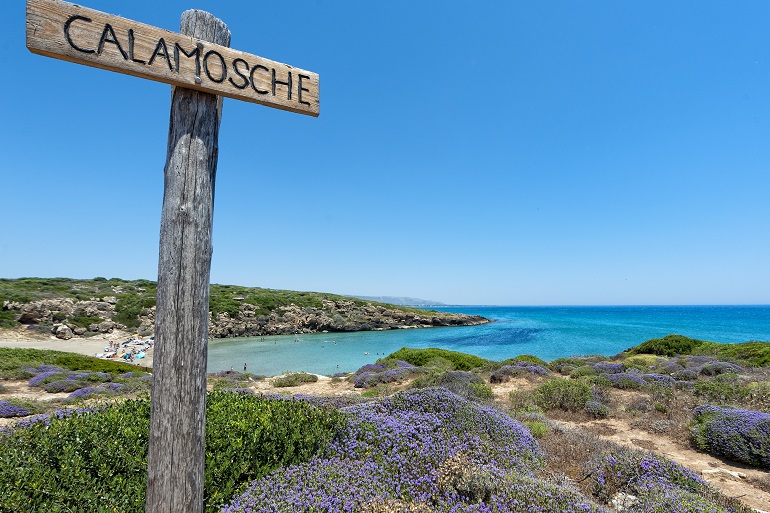
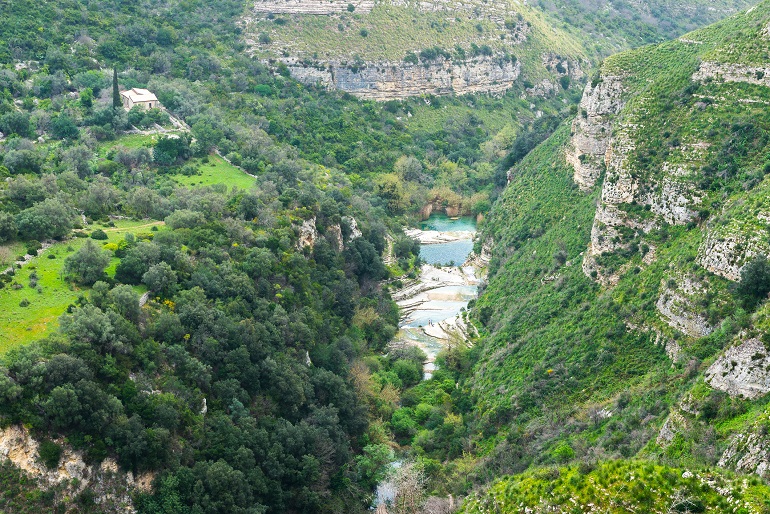
Noto offers diverse natural attractions within easy reach of the city centre. The Vendicari Nature Reserve, a 7-kilometre coastal stretch, features pristine beaches, wetlands frequented by migratory birds including flamingos, and historical structures such as Greek ruins and a Byzantine church. The Cavagrande del Cassibile gorge stretches for 10 kilometres, with emerald lakes nestled between 300-metre limestone cliffs, offering excellent trekking opportunities. Several beaches dot the coastline, including Lido di Noto (8 km from town), Calabernardo, and the secluded Eloro beach. The unspoilt Oasi del Gelsomineto bay presents white and gold sand beaches bordered by maritime pines and jasmine bushes, whilst the Vendicari Reserve houses notable beaches such as Marianeddi, Calamosche, and San Lorenzo, with excellent snorkelling spots near the Swabian tower.
Vendicari Nature Reserve
The Vendicari Nature Reserve represents a pristine stretch of Sicilian coastline where nature and history intertwine magnificently. This protected area encompasses several stunning beaches, each with its own character: Marianeddi Beach offers golden sands and shallow waters perfect for families, Calamosche Beach sits between two rocky headlands creating a natural swimming pool, and San Lorenzo Beach stretches for kilometres of untouched coastline. The reserve serves as a crucial stopover for migratory birds, including flamingos, herons, and storks, making it a paradise for birdwatchers. Archaeological enthusiasts will discover ancient Greek ruins, including the remains of a small settlement and fish-salting tanks, while history buffs can explore the 15th-century Swabian tower and the remains of a Byzantine church. A network of well-maintained paths allows visitors to explore these historical sites while enjoying the diverse Mediterranean vegetation and wildlife.
Cavagrande del Cassibile
The breathtaking Cavagrande del Cassibile nature reserve presents visitors with one of Sicily's most spectacular natural wonders. This massive limestone canyon, carved over millennia by the Cassibile River, extends for 10 kilometres and reaches depths of up to 300 metres. The reserve features a network of ancient pathways leading to crystal-clear natural pools, perfect for swimming during hot summer days. The site holds historical significance as well, with evidence of prehistoric settlements visible in the rock faces. The upper viewpoints offer spectacular vistas of the serpentine canyon, while the descent to the valley floor reveals hidden grottoes, ancient cave dwellings, and a diverse ecosystem of Mediterranean flora and fauna.
Getting There & Around
The nearest airport to Noto is Catania-Fontanarossa, located 90 kilometres away, with regular bus connections that take about 1 hour and 15 minutes and cost €9 each way. Once in Noto, you'll find the historic centre is quite compact and best explored on foot, though be prepared for some uphill stretches and long stairways. If arriving by car, convenient parking is available near the Porta Reale, the city's historic main gate, costing around €2 per hour, but note that the historic centre is largely pedestrianised. For those wanting to explore the surrounding area, including Noto Antica (located 10 km from the centre) or the Vendicari National Reserve, having a car is essential as these sites aren't served by public transport. Regular bus services operated by AST and Interbus connect Noto with major Sicilian cities, with particularly good connections from Syracuse, where the journey takes just 36 minutes by train (€4.80) or 55 minutes by bus (€3-6).
Best Time to Visit
The best time to visit Noto, Italy, is during the shoulder seasons of May, September, or October. These months offer a delightful balance of pleasant weather, ample sunshine, and warm temperatures, whilst avoiding the peak tourist crowds of summer. With temperatures ranging from 20°C to 28°C, these months provide ideal conditions for exploring Noto's stunning Baroque architecture and strolling along its charming streets. September, in particular, still retains a summery feel, perfect for those who fancy a dip in the nearby beaches. For travellers who prefer cooler weather for sightseeing, late March, April, or November can be excellent alternatives, offering milder temperatures and fewer tourists. Winter visits, from December to February, can also be lovely if you're fortunate with the weather, providing a unique perspective on this beautiful Sicilian town without the hustle and bustle of peak season.