


| Contents |
|---|

Introduction
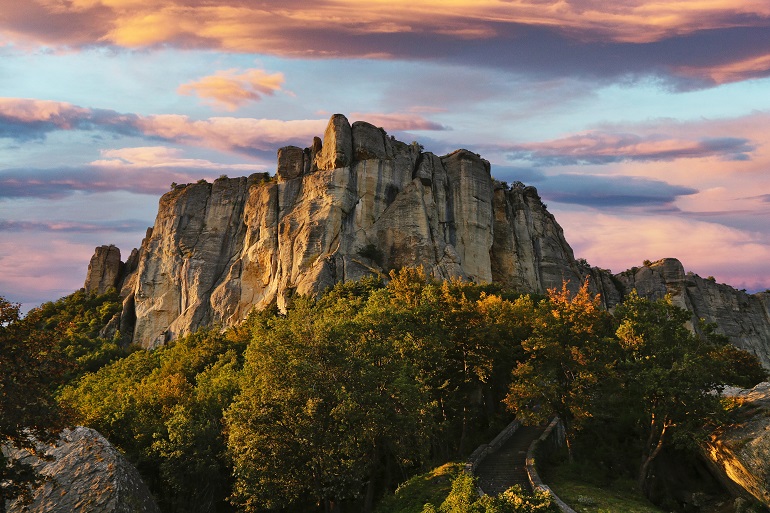
The Tuscan-Emilian Apennines National Park, established in 2001, is a remarkable natural bridge between the Mediterranean and European worlds, spanning 24,000 hectares across four Italian provinces. The park boasts extraordinary biodiversity with more than 2,000 plant and animal species, including golden eagles and wolves, representing 70% of Italy's total biodiversity. From its highest peaks over 2,000 metres, visitors can marvel at both the Mediterranean Sea and the Alps on clear days, while exploring diverse landscapes from beech forests to mountain lakes, with opportunities for year-round activities including hiking, skiing, rock climbing, and mountain biking. The park received two UNESCO recognitions: as a MAB Reserve in 2015 and the Upper Secchia Valley as a World Heritage Site in 2023, featuring fascinating karst formations including the iconic Pietra di Bismantova rock formation. Ancient trade routes like the Via del Sale still cross the park today, testament to centuries of cultural exchange between different regions, while the area's rich culinary traditions reflect the unique meeting of mountain, sea, and plains influence.
Geography and Landscape
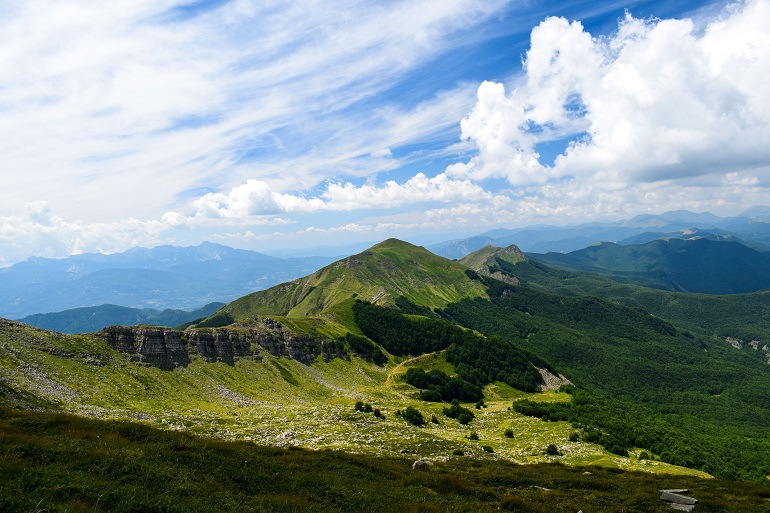
The Tuscan-Emilian Apennine National Park encompasses a remarkable stretch of the Apennine Mountains, positioned strategically between the Po River Valley and the Mediterranean Sea. This 930-mile mountain range creates a natural boundary between northern and southern Italy, with peaks ranging from 1,600 to 2,000 metres in elevation.
Geographical Features
The park straddles two distinct regions—Emilia-Romagna and Tuscany—and encompasses four districts: Reggio and Parma in the north, and Lunigiana and Garfagnana in the south. The Apennine ridgeline serves as the physical border between these regions, offering breathtaking vistas of both the Alps to the north and the Mediterranean Sea to the south on clear days.
Landscape Diversity
Northern Slopes
The northern versant in Reggio and Parma features dramatic grasslands and fir forests. This area receives substantial snowfall and showcases a more Alpine character, with extensive upland grasslands and dense coniferous forests.
Southern Slopes
The southern side, comprising Lunigiana and Garfagnana, presents a distinctly Mediterranean landscape, characterised by olive groves, holly oaks, and terraced vineyards. The terrain here benefits from earlier, warmer springs.
Notable Features
The park's landscape is punctuated by several remarkable geological formations, including:
- The iconic Pietra di Bismantova rock formation
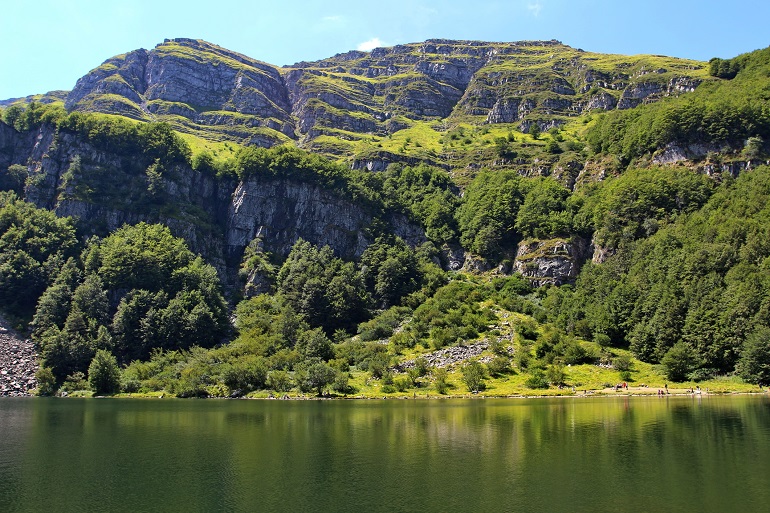
- Tranquil mountain lakes
- Deep valleys with rushing streams
- Extensive beech forests
- Peat bogs
- Historic terraced cultivations
The park's unique geographical position has created a complex mosaic of environments, making it one of Italy's most diverse and well-preserved cultural landscapes, recognised by UNESCO for its extraordinary natural and cultural significance.
Flora and Fauna
The Tuscan-Emilian Apennines National Park stands as a remarkable sanctuary of biodiversity, hosting an astounding 70% of all Italian species within its boundaries. This natural botanical garden stretches across 22,000 hectares of diverse landscapes, from beech and chestnut woods to icy lakes and dramatic peaks.
Wildlife
Large Mammals
The park's most iconic predator is the grey wolf, which has naturally re-established itself in recent decades. Other notable mammals include red deer, roe deer, wild boar, and mouflon. The European brown hare, Alpine marmot, and European hedgehog also make their home here.
Birds of Prey
The park's rugged cliffs provide nesting grounds for magnificent birds of prey, including:
- Golden Eagles
- Peregrine Falcons
- Eagle Owls
- Marsh Harriers
Nocturnal Birds
The woodland areas harbour several nocturnal species:
- Tawny Owls
- Barn Owls
- Little Owls
- Scops Owls
Flora
Mountain Flora
The park's unique position between continental and Mediterranean climates creates perfect conditions for rare plant species, including:
- Apennine Primula (a protected endemic species)
- Alpine Aster
- Anemone narcissus
- Silene acaulis
- Wild orchids
- Narcissus poeticus
Forest Zones
The vegetation varies distinctly with altitude:
- Below 1,000m: Oak and chestnut woodlands
- Up to 1,700m: Beech and silver fir forests
- Above treeline: Alpine meadows and shrublands
The Abetina Reale, a historic white spruce forest at Mount Prado's base, represents one of the park's most significant woodland areas. The park's southern slopes feature Mediterranean species like olive trees and holly oaks, while the northern face supports grasslands and fir trees, showcasing the remarkable ecological diversity of this protected area.

Activities and Attractions
The Tuscan-Emilian Apennines National Park offers a remarkable array of outdoor activities and attractions across its 22,000 hectares of protected landscape, stretching between Emilia-Romagna and Tuscany.
Natural Attractions:
The park features some of the northern Apennines' most impressive peaks, including Mount Prado (2,054m), Mount Cusna, and Alpe di Succiso. The dramatic Pietra di Bismantova rock formation stands as an iconic landmark, whilst the Upper Secchia Valley, recognised as a UNESCO World Heritage Site, showcases fascinating karst formations and cave systems.
Cultural Heritage:
Ancient trade routes, including the Via del Sale and Via Francigena, weave through the park's landscape. Medieval villages dot the territory, complete with historic churches, parish houses, castles, and towers that chronicle the region's rich past. The area serves as a testament to centuries of cultural exchange between Mediterranean and European civilisations.
Outdoor Activities:
Summer Sports:
- Rock climbing on Pietra di Bismantova
- Mountain biking and downhill cycling
- Horse riding
- Nordic walking and trail running
- Canyoning
- E-bike tours
- Guided fishing trips
Winter Activities:
- Traditional skiing
- Cross-country skiing
- Ski touring
- Snowshoeing
UNESCO Recognition:
The park holds dual UNESCO distinctions: its designation as a MAB (Man And Biosphere) Reserve in 2015 and the Upper Secchia Valley's World Heritage status awarded in 2023. These accolades underscore the park's exceptional natural and cultural significance.
From its windswept mountain summits offering panoramic views of both the Mediterranean Sea and the Alps on clear days, to its network of well-maintained trails, the park provides an authentic Italian mountain experience away from mass tourism.
Accommodation
The Tuscan-Emilian Apennines Regional Park offers a diverse range of accommodation options for visitors seeking to immerse themselves in the natural beauty of this stunning area. From cosy mountain lodges to charming agriturismi, there's something to suit every taste and budget.
Types of Accommodation
Mountain Chalets and Lodges
For those looking to embrace the alpine atmosphere, mountain chalets and lodges provide a rustic yet comfortable experience. These spacious accommodations often feature wooden beams, stone walls, and panoramic views of the surrounding landscape. Many offer modern amenities such as private whirlpool baths and fully-equipped kitchenettes, perfect for a romantic getaway or a relaxing family holiday.
Agriturismi
For a true taste of rural Italian life, consider staying at an agriturismo. These working farms offer guest accommodation, allowing visitors to experience the region's agricultural heritage firsthand. Many agriturismi serve homemade meals prepared with fresh, locally-sourced ingredients, providing an authentic culinary experience.
Bed and Breakfasts
Charming B&Bs can be found throughout the park, often run by local families who offer a warm welcome and insider knowledge of the area. These intimate accommodations provide a home-away-from-home feel and are ideal for travellers seeking a personal touch.
Hotels and Guesthouses
Small, family-run hotels and guesthouses are scattered throughout the park's villages and towns. These establishments often boast a rich history and offer a blend of traditional charm and modern comforts.
Amenities and Features
Many accommodations in the Tuscan-Emilian Apennines Regional Park offer amenities designed to enhance your stay and help you make the most of the natural surroundings:
- Wi-Fi connectivity
- Eco-friendly practices and sustainable tourism initiatives
- Access to hiking and mountain biking trails
- Panoramic terraces or gardens for outdoor relaxation
- Traditional restaurants serving local specialities
- Wellness facilities such as saunas or hot tubs
Booking and Availability
Accommodation in the park can be in high demand, especially during peak seasons such as summer and winter holidays. It's advisable to book well in advance to secure your preferred dates and accommodation type. Many establishments offer online booking options, making it easy to plan your stay from afar.
Location Considerations
When choosing your accommodation, consider its proximity to the park's main attractions and activities. Some lodgings are situated near popular hiking trails, while others may be closer to historical sites or charming villages. Think about your itinerary and choose a location that aligns with your planned activities.
By selecting the right accommodation, visitors can create a memorable base from which to explore the breathtaking landscapes, rich culture, and warm hospitality of the Tuscan-Emilian Apennines Regional Park.
Gastronomy
The Tuscan-Emilian Apennines National Park is a gastronomic paradise, offering a rich tapestry of flavours that reflect the region's diverse landscapes and cultural heritage. This area serves as a culinary crossroads, blending influences from the Po Valley, the Italian peninsula, and the Ligurian Sea.
Regional Specialities
The park boasts an impressive array of high-quality, locally-produced foods that have earned protected designation status. Two world-renowned products originating from this region are Parmigiano Reggiano cheese and Prosciutto di Parma. These iconic Italian delicacies continue to be produced locally, alongside numerous other artisanal products unique to the area.
Mountain Parmigiano Reggiano is a standout, embodying the essence of the Apennine landscape. This cheese, with its long history dating back to Roman times, is crafted using traditional methods and simple ingredients: raw milk, natural enzymes, and salt.
Other local specialities include:
- Lunigiana honey
- Garfagnana spelt
- Chestnut flour
- Various regional cheeses (caciotta, pecorino)
- Artisanal breads
- Wild mushrooms and berries
- Traditional cured meats (salame fiorettino, pancetta canusina, culatello di Canossa)
Culinary Traditions
The park's cuisine is characterised by its use of simple, local ingredients transformed into extraordinary dishes that reflect the region's history. The area is known for its chestnut-based recipes, a staple throughout the park. Another unique aspect is the use of the 'testo', a flat disk used for cooking over fire, typical of the high Tuscan Apennines.
North-South Culinary Divide
An interesting feature of the park's gastronomy is the meeting of two distinct cooking traditions. The Tuscan side showcases Mediterranean influences, with olive oil as the primary cooking fat. In contrast, the Emilian side represents a more northern Italian style, favouring butter in its dishes. This diversity allows visitors to experience a range of flavours within a single region.
Seasonal Delights
Autumn is a particularly special time for food enthusiasts visiting the park. The woods come alive with an abundance of mushrooms, chestnuts, and truffles. This season sees numerous food festivals celebrating these local treasures, offering visitors a chance to indulge in the flavours of the Apennines.
Culinary Experience
Dining in the Tuscan-Emilian Apennines is more than just a meal; it's an immersion into Italian conviviality. Many restaurants are family-run establishments, where eating feels like being welcomed into someone's home. The region's cuisine goes beyond mere sustenance, representing a strong bond between people and nature, and forming a central part of local identity.
Sustainable Gastronomy
The park emphasises environmental sustainability in its food production and service. Many establishments offer vegetarian, vegan, and gluten-free options, catering to various dietary requirements while maintaining the essence of traditional local cuisine.
In the Tuscan-Emilian Apennines National Park, gastronomy is intrinsically linked to the landscape, history, and culture of the region. It offers visitors a genuine, authentic Italian food experience that truly allows one to 'taste the landscape'.
Best Time to Visit
The best time to visit the Tuscan-Emilian Apennine National Park largely depends on your preferred activities and desired experiences. Each season offers unique attractions, making the park a year-round destination.
Spring (April to June)
Spring is arguably the most picturesque season to visit the park. As the snow melts from the highest peaks, the valleys burst into vibrant green, dotted with colourful primroses and daffodils. The mild climate is perfect for outdoor activities such as hiking, cycling, and exploring the charming villages within the park. Spring offers some of the most dynamic scenic views, with blossoming flowers set against a backdrop of snow-capped mountains and flowing waterfalls.
Summer (July to August)
Summer is ideal for those who enjoy warm weather and a variety of outdoor activities. The park comes alive with exciting events, festivals, and outdoor recreational opportunities. It's an excellent time for mountain climbing, hiking, and mountain biking. The sprawling mountains boast lush vegetation and intricate trail systems, perfect for afternoon picnics and scenic walks. However, be prepared for higher temperatures, especially in the lower-lying areas.
Autumn (September to October)
Autumn is a spectacular season in the Tuscan-Emilian Apennines. The park transforms into a canvas of vibrant oranges, reds, and yellows as the foliage changes colour. This season is particularly appealing for food enthusiasts, as the woods are filled with mushrooms, chestnuts, and truffles. The mild climate still allows for many outdoor activities, including rock climbing. Autumn also offers the opportunity to participate in local harvest events and food festivals.
Winter (November to March)
Winter in the park presents a tale of two climates. The Emilia-Romagna side, nestled in the Apennine Mountains, often sees a blanket of sparkling white snow, ideal for winter sports enthusiasts. Visitors can enjoy downhill skiing, cross-country skiing, and snowshoeing. The Tuscan side, closer to the sea, experiences a more temperate Mediterranean climate, generally cooler but with less snowfall.
For those seeking a peaceful winter retreat, this season offers a unique charm with its snowy landscapes and cosy atmosphere. However, be sure to pack warm clothing and check weather conditions before planning any outdoor activities.
In conclusion, the best time to visit the Tuscan-Emilian Apennine National Park depends on your personal preferences. Spring and autumn offer mild weather and stunning natural beauty, summer is perfect for outdoor enthusiasts, while winter caters to those seeking snow sports and serene landscapes. Regardless of when you choose to visit, the park's diverse offerings ensure a memorable experience in any season.

Getting There and Around
The Tuscan-Emilian Apennines National Park is readily accessible through various transportation options, offering visitors flexibility in exploring this remarkable region that spans between Tuscany and Emilia-Romagna.
By Train
The park is well-connected by rail services on both its Tuscan and Emilian sides. On the Tuscan side, the nearest stations are Castelnuovo Garfagnana, Fivizzano along the Aulla-Lucca line, and Terrarossa and Filattiera along the Pontremolese railway. On the Emilian side, Reggio Emilia and Parma serve as the main railway hubs, with Reggio Emilia offering particularly good connections - just 20 minutes to Bologna, 45 minutes to Florence, and 40 minutes to Milan.
By Bus
Local bus services connect the train stations to various points within the park:
- Vaibus and CAT operate services from Tuscan railway stations
- ACT and TEP run services from Emilian stations
Note: Bus services are typically reduced during summer holidays as they primarily serve school routes.
By Car
Driving offers the most flexibility for exploring the park, with good road connections to major cities like Bologna, Florence, Genoa and Milan. The journey from La Spezia to the park takes approximately 58 minutes by car and costs €11-16.
Within the Park
Hiking Trails
The park features numerous hiking opportunities, including the notable Grande Escursione Appenninica (GEA), a 425 km route along the Apennine ridge. The trail is divided into 28 stages, with mountain refuges available at each stage end.
Popular Access Points
Several key entry points serve as excellent starting points for exploration:
- Passo del Cirone
- Passo del Cerreto
- Cerreto Laghi
- Febbio
Visitor Centres
The park's regional headquarters is located in Ligonchio, with additional visitor centres throughout Emilia Romagna in:
- Ramiseto
- Collagna
- Civago
- Sologno
- Corniglio
These centres provide essential information and guidance for visitors exploring the park's diverse landscapes and attractions.
Conservation and Responsible Tourism
The Tuscan-Emilian Apennines National Park stands as a remarkable natural treasure spanning the border between Emilia-Romagna and Tuscany, recognised as a UNESCO Man and Biosphere Reserve since June 2015.
Natural Heritage
The park hosts an extraordinary biodiversity, containing 70% of all Italian species, including golden eagles, wolves, red deer, and numerous alpine birds. Its unique position between the Mediterranean and Continental climate zones creates diverse ecosystems, from upland grasslands and beech forests to tranquil mountain lakes.
Conservation Status
The reserve encompasses:
- 223,229 hectares of protected land
- 34 municipalities across multiple provinces
- Three distinct zones: core (4.5%), buffer (11.5%), and transition (84%)
Sustainable Tourism Initiatives
Visitor Management
The park authorities have implemented several measures to promote responsible tourism:
- Shuttle services during peak seasons
- E-bike rental facilities
- Designated hiking and mountain biking trails
- Controlled mushroom picking packages
Eco-friendly Accommodation
Visitors can choose from various sustainable lodging options, including:
- Bio-architectural farmhouses
- Zero-kilometre food establishments
- Energy-efficient facilities using ecological products
Responsible Tourism Guidelines
Best Practices
- Use designated trails for hiking and climbing
- Opt for public transport or e-bikes when possible
- Support local communities by purchasing regional products
- Respect wildlife habitats, especially in core protection zones
Seasonal Activities
- Spring/Summer: Hiking and outdoor sports
- Autumn: Mushroom and chestnut gathering
- Winter: Skiing and snowshoeing
The park serves as a model for sustainable development, balancing conservation needs with tourism opportunities while preserving its rich cultural and natural heritage.
Visitor Centres and Educational Facilities
The Tuscan-Emilian Apennines National Park offers an extensive network of visitor centres strategically positioned near the Apennine ridge in accessible, inhabited villages. These facilities serve as welcoming hubs that blend traditional mountain community life with modern amenities.
Visitor Centres
The centres provide comprehensive services including:
- Documentation and information services
- Thematic exhibitions
- Local product sales
- Accommodation and catering
- Tour organisation and holiday planning
The main visitor centres are located in:
- Ligonchio (Regional headquarters)
- Corniglio
- Licciana Nardi
- Giuncugnano
- Comano
- Ventasso
- Villa Minozzo
Educational Facilities
The park operates several specialised educational centres:
Di Onda in Onda: An innovative water and energy atelier supported by Reggio Children, focusing on physical phenomena and natural elements.
Dedalus Laboratory: A nature-focused centre dedicated to biodiversity education and natural heritage conservation.
Environmental Education Programmes
The park offers year-round educational activities designed for diverse age groups, focusing on:
- Environmental sustainability
- Natural and cultural values
- Creative nature exploration
- Seasonal outdoor activities
These facilities have hosted thousands of visitors, including children, families, educators, and international guests, becoming integral to the educational programmes of numerous local schools.
For outdoor enthusiasts, the centres serve as starting points for various activities including hiking, skiing, climbing, and mountain biking, depending on the season.