


| Contents |
|---|
Introduction
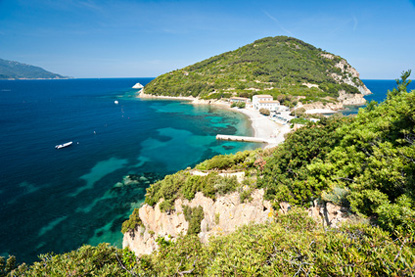
The Tuscan Archipelago National Park encompasses seven enchanting islands born, according to legend, from Venus's necklace gems falling into the Tyrrhenian Sea. Covering over 600 square kilometres of sea between Livorno and Argentario, the park features remarkably diverse geology: Capraia emerged from a submarine volcano nine million years ago, while Elba and Giglio boast granite formations, and Giannutri and Pianosa are limestone-based. The Etruscans and Romans mined iron ore here in antiquity. The archipelago teems with wildlife, including dolphins, sperm whales, and rare monk seals in its waters, whilst the local cuisine reflects this marine heritage through distinctive dishes like Elba cacciucco (a unique seafood soup) and sburrita (cod soup). The park's rich history is evident in archaeological sites such as the Roman Villa on Giannutri, whilst Pianosa served as a prison until 1998. Nature enthusiasts can explore Mount Capanne's trails on Elba, visit the Butterfly Sanctuary with 50 butterfly species, or discover Capraia's natural laboratory featuring 650 plant species and an endemic cornflower.

Geography and Landscape
The Tuscan Archipelago National Park, the largest marine park in Europe, encompasses seven magnificent islands nestled between the Ligurian and Tyrrhenian Seas off the western coast of Tuscany. This stunning protected area covers 17,887 hectares of land and 56,766 hectares of sea, creating a diverse tapestry of landscapes.
Elba
- The largest island at 223.5 square kilometres
- Features the archipelago's highest peak, Monte Capanne (1,019 metres)
- Closest to mainland Italy, just 9.3 kilometres from the coast
- Notable for its complex geological makeup, including iron ore deposits
Smaller Islands
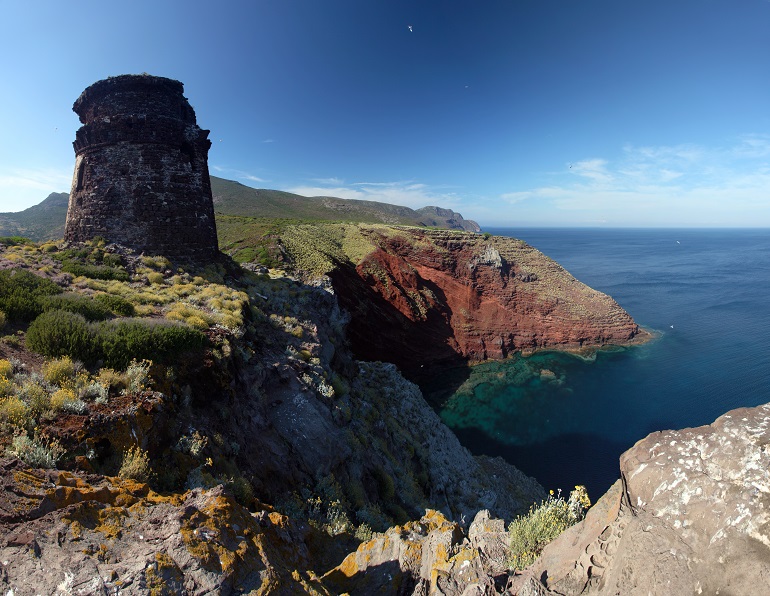
- Capraia: A volcanic island 52.2 kilometres from the mainland
- Giglio: A predominantly granitic island with dramatic coastlines
- Gorgona: The smallest and northernmost island
- Pianosa: Distinguished by its flat plateau landscape
- Montecristo: A rocky cone-shaped island and the most remote
- Giannutri: The southernmost island, composed of limestone
The archipelago showcases an extraordinary variety of geological formations, each island telling its own story of formation. The islands emerged from ancient tectonic movements dating back to the Triassic period, with some rocks being fragments of the African continent, estimated to be 400-500 million years old.
The coastline presents a dramatic mixture of:
- Rugged cliffs
- Hidden coves
- Sea caves
- Sheltered beaches
- Wild promontories
The archipelago's unique position between Corsica and the Italian mainland has created a natural bridge, resulting in distinctive geographical features shaped by millions of years of geological processes and sea-level fluctuations.
Flora and Fauna
The Tuscan Archipelago National Park, encompassing seven magnificent islands between Livorno and the Argentario promontory, boasts an extraordinarily diverse ecosystem of both terrestrial and marine life.
Land Animals
The archipelago hosts numerous Mediterranean mammals, including foxes, badgers, martens, porcupines, and European hares. Large ungulates such as deer, fallow deer, roe deer, wild boar, and mouflon roam freely throughout the protected areas. The wolf stands as the park's largest predator.
Birds
The islands serve as crucial nesting grounds for various birds of prey, including:
- Golden Eagles
- Peregrine Falcons (the fastest winged predator)
- Eagle Owls
- Barn Owls
- Kestrels
The archipelago also welcomes colonies of shearwaters and several gull species, including the rare Audouin's gull, which has become a symbol of the park.
Marine Life
The pristine waters teem with marine creatures, from colourful fish to magnificent cetaceans. Visitors might spot:
- Dolphins (bottlenose, common, and striped)
- Sperm whales
- Fin whales
- Long-finned pilot whales
- Rich populations of posidonia, gorgonians, and corals
Unique Species
The park harbours several endemic creatures, including:
- The Elba wall lizard
- Sardinian tree frog
- Tyrrhenian painted frog
- Leaf-fingered gecko
- San Piero butterfly (found nowhere else in the world)
Mediterranean Vegetation
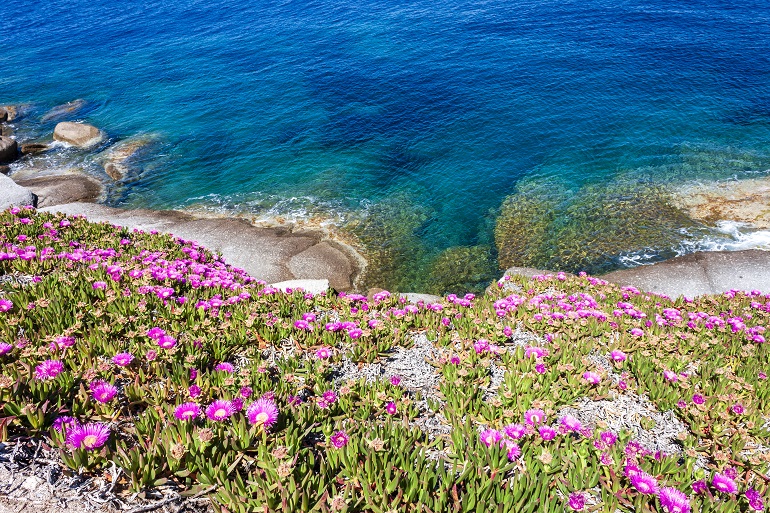
The islands showcase classic Mediterranean flora, characterised by:
- Fragrant scrubland
- Holm oak forests
- Chestnut woods
- Strawberry trees
- Juniper
- Myrtle
- Rosemary
- Lavender
- Various species of broom
Endemic Plants
Several unique plant species thrive here, including:
- Capraia mint
- Capraia orchid
- Giannutri Limonio
- Pianosa Limonio
- Elba viola
- Elba cornflower
- Elba broom
Mount Capanne, rising over 1,000 metres, presents a special botanical environment where mountain species flourish alongside Mediterranean varieties, creating a unique ecological tapestry that makes the Tuscan Archipelago a true natural laboratory of biodiversity.
Activities and Attractions
The Tuscan Archipelago National Park, Europe's largest marine park, encompasses seven magnificent islands scattered like gems across the Tyrrhenian Sea. Each island offers unique attractions and activities for visitors seeking both relaxation and adventure.
Elba Island
- The largest island featuring the towering Mount Capanne (over 1,000 metres)
- Spectacular gulfs and hidden coves perfect for exploration
- The Butterfly Sanctuary on Mount Perone showcasing 50 butterfly species
- Historical Fortress of San Giorgio
- The Great Elba Crossing, a 60km hiking route
Giglio Island
- Crystal-clear waters ideal for scuba diving
- Picturesque Giglio Port with winding streets
- Historic Pisan Castle
- Beautiful Campese Bay
- Stunning coves near Punta Capel Rosso
Capraia Island
- Dramatic volcanic landscapes
- Archaeological underwater sites
- Excellent snorkelling locations
Giannutri Island
- Crescent-shaped limestone coastline
- Roman Villa of the Domizi Enobarbi
- Pristine walking trails
Outdoor Activities
Water Sports
- Scuba diving among shipwrecks and marine life
- Snorkelling in protected marine areas
- Windsurfing and kitesurfing
- Kayaking tours
- Sailing
Land Activities
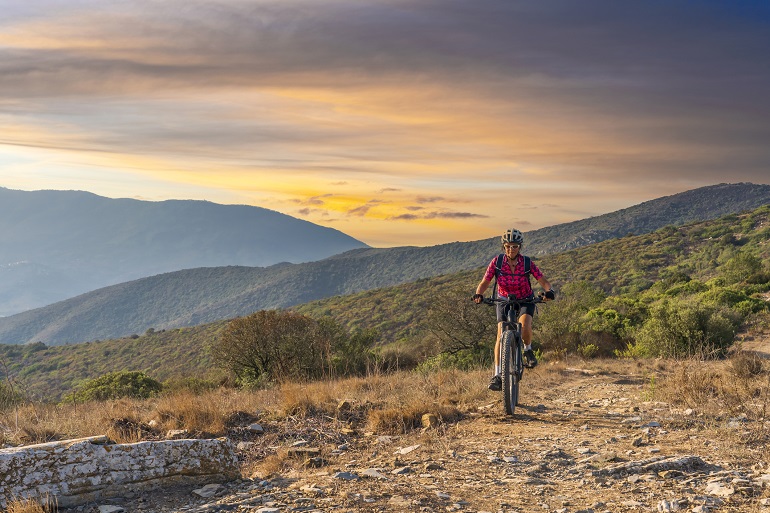
- Mountain biking, especially around Capoliveri
- Rock climbing on granite cliffs
- Hiking on marked trails
- Free climbing for all skill levels
Notable Locations
Porto Azzurro
- Well-equipped marina
- Tourist facilities
- Sea taxi services
Capoliveri
- Ancient Etruscan mining heritage
- Multiple scenic beaches including Felciaio, Zuccale, and Innamorata
Rio Marina
- Historic mining village
- Mineral Park and Museum
- Fortezza del Giove
Note: Visits to Gorgona and Pianosa islands are restricted and require special permits, with guided tours available in small groups.
Accommodation
The Tuscan Archipelago National Park offers a diverse range of accommodation options for visitors seeking to explore its natural beauty and rich cultural heritage. From charming seaside resorts to rustic countryside retreats, there's something to suit every taste and budget.
Coastal Accommodation
Many visitors opt to stay in the picturesque coastal towns and villages dotted around the islands. These areas offer a variety of lodging choices, including:
Hotels: Ranging from small, family-run establishments to larger resorts, coastal hotels often feature stunning sea views and easy access to beaches. Many provide amenities such as restaurants, swimming pools, and wellness centres.
Bed and Breakfasts: For a more intimate experience, numerous B&Bs offer comfortable rooms and personalised service, often in historic buildings or scenic locations.
Apartments and Holiday Homes: Self-catering options are plentiful, allowing guests to enjoy a home-away-from-home experience with the flexibility to prepare their own meals.
Rural and Inland Options
For those seeking a quieter retreat, the park's interior regions provide tranquil alternatives:
Agriturismo: These farm-stay accommodations offer an authentic taste of rural life, often featuring home-cooked meals made with local produce and opportunities to participate in farm activities.
Mountain Lodges: Ideal for hikers and nature enthusiasts, these basic but comfortable lodgings provide a perfect base for exploring the park's trails and wildlife.
Eco-Friendly Stays
The Tuscan Archipelago National Park is committed to sustainable tourism, and many accommodations reflect this ethos:
Eco-Resorts: These environmentally conscious establishments often utilise renewable energy, practice water conservation, and offer organic, locally-sourced cuisine.
Camping and Glamping: For those who wish to immerse themselves in nature, there are several campsites within the park, some offering luxury glamping options for a more comfortable outdoor experience.
Amenities and Services
Regardless of the type of accommodation chosen, visitors can expect:
- Warm Italian hospitality
- Information about local attractions and activities
- Assistance with booking excursions and transportation
- Often, bicycle rentals or other equipment for exploring the park
Booking Considerations
When planning a stay in the Tuscan Archipelago National Park, keep in mind:
- High season (June to August) can be very busy, so book well in advance.
- Some accommodations may close during the winter months.
- Consider the location carefully in relation to the activities you wish to pursue.
- Check for any special offers or packages that include meals or excursions.
By choosing accommodation within the park, visitors not only enjoy convenient access to its natural wonders but also contribute to the local economy and the preservation of this unique Mediterranean ecosystem.
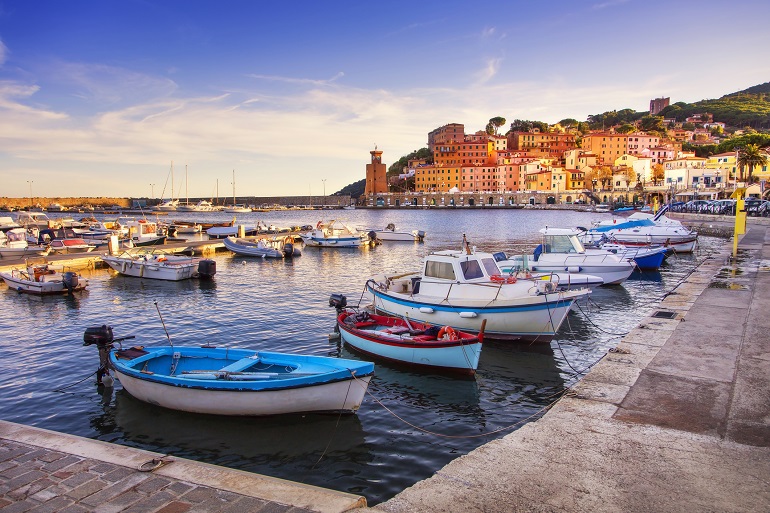
Gastronomy
The Tuscan Archipelago National Park offers a delightful culinary journey, showcasing a rich tapestry of flavours that reflect the islands' unique history and geography. This gastronomic paradise combines the bounty of the sea with the fruits of the land, resulting in a cuisine that is both simple and exquisite.
Seafood Delicacies
The crystal-clear waters surrounding the islands provide an abundance of fresh seafood, which forms the cornerstone of the archipelago's cuisine. Visitors can savour a variety of dishes, including:
- Cacciucco: A hearty fish soup that originated in Livorno, featuring multiple types of seafood and shellfish in a flavourful tomato-based broth.
- Palamita: This local bonito fish is often preserved in oil with peppercorns, bay leaves, and chilli pepper, offering a delectable taste of the sea.
- Stuffed squid and octopus dishes: Prepared using traditional methods passed down through generations.
Island Specialities
Each island in the archipelago boasts its own culinary traditions:
Elba
- Gurguglione: A vegetable stew that showcases the island's agricultural bounty.
- Schiaccia briaca: A Christmas cake made with walnuts, sultanas, and local wine.
Giglio
- Panficato: A fig-based cake that features prominently in Easter celebrations.
Capraia
- Mixed-flower honey: A prized amber-coloured honey with a unique, slightly bitter aftertaste.
Wines and Spirits
The archipelago's vineyards produce excellent wines that perfectly complement the local cuisine:
- Aleatico: A traditional Elban wine with ancient Greek and Roman roots, now boasting DOCG status.
- Ansonica: A white wine variety native to the island of Giglio.
- Elba Bianco, Elba Rosso, and Elba Rosato: DOC wines that showcase the islands' viticultural expertise.
Artisanal Products
The islands also offer a range of artisanal products that make for excellent souvenirs or gifts:
- Bottarga: A delicacy made from cured fish roe, often from the grey mullet found in the Orbetello lagoon.
- Pecorino Toscano DOP: A sheep's milk cheese that is milder and more tender than its mainland counterparts.
- Wild boar products: Including cured meats and ragouts, reflecting the archipelago's hunting traditions.
Culinary Traditions
The gastronomy of the Tuscan Archipelago is deeply rooted in its history of agriculture, fishing, and resourcefulness. Many dishes originated as 'cucina povera' or peasant cuisine, making ingenious use of simple, local ingredients. Today, these once-humble recipes have been elevated to gourmet status, delighting visitors with their authentic flavours and time-honoured preparation methods.
Dining in the Tuscan Archipelago National Park is not just about sustenance; it's an immersive cultural experience that allows visitors to taste the essence of these enchanting islands. From the freshest seafood to the most carefully crafted wines, the archipelago's cuisine is a testament to the region's rich culinary heritage and the bounty of its natural environment.
Best Time to Visit
The Tuscan Archipelago National Park, encompassing seven main islands in the Tyrrhenian Sea, offers a stunning natural paradise that can be enjoyed throughout the year. However, the best time to visit depends on your preferences and desired activities.
Spring and Autumn: Ideal for Nature Lovers
For those keen on exploring the park's diverse flora and fauna, spring (April to early June) and autumn (late September to October) are excellent choices. During these seasons, you'll enjoy:
- Mild temperatures, perfect for hiking and outdoor activities
- Fewer crowds compared to the peak summer months
- Blooming wildflowers in spring and beautiful autumn colours
- Excellent conditions for birdwatching, as many species migrate through the area
Summer: Perfect for Beach Enthusiasts
The summer months (mid-June to August) are ideal for visitors who prioritise beach activities and water sports:
- Warm temperatures, typically ranging from 25°C to 31°C
- Crystal-clear waters perfect for swimming, snorkelling, and diving
- Vibrant atmosphere with various festivals and events on the islands
- Opportunity to spot marine life, including dolphins and whales in the surrounding waters
However, be prepared for larger crowds and higher prices during this peak season.
Winter: A Peaceful Retreat
Winter (November to March) in the Tuscan Archipelago offers a unique experience for those seeking tranquillity:
- Mild Mediterranean climate with temperatures rarely dropping below 9°C
- Quieter atmosphere, ideal for peaceful exploration
- Opportunity to observe winter wildlife and migratory birds
- Lower prices and fewer tourists
Note that some accommodations and services may be limited during the winter months.
Best Times for Specific Activities
- Hiking: Spring and autumn offer the most comfortable temperatures and stunning landscapes.
- Wildlife observation: Spring for nesting birds, summer for marine life, and winter for migratory species.
- Water sports: Late spring to early autumn when the sea is warmest.
- Cultural experiences: Year-round, with more events and festivals during the summer months.
Regardless of when you choose to visit, the Tuscan Archipelago National Park promises a memorable experience with its diverse ecosystems, rich biodiversity, and breathtaking landscapes.
Getting There and Around
The Tuscan Archipelago National Park, comprising seven stunning islands off the Tuscan coast, offers various transportation options for visitors. Here's a comprehensive guide to reaching and exploring these beautiful islands.
Getting to the Islands
Main Access Points
- Elba: Accessible via ferry from Piombino port, with journeys taking 60 minutes to Portoferraio, 45 minutes to Rio Marina, and 35 minutes to Cavo. Fast hydrofoil services are available for passengers only, taking just 20 minutes to Cavo.
- Giglio: Year-round ferry services from Porto Santo Stefano on the Argentario coast.
- Capraia: Regular ferries from Livorno port (2.5-hour journey).
- Giannutri: Accessible from Porto Santo Stefano with year-round Wednesday and Saturday services.
Special Access Islands
- Gorgona: Limited visits from Livorno port (1.5-hour journey). Advance reservations required.
- Pianosa: Daily services from Elba's Marina di Campo, with summer connections from Piombino.
- Montecristo: Strictly regulated access with guided tours between March-April and May-October.
Getting Around
Elba Island
- Extensive road network
- Public buses between major towns
- Car and scooter rentals available
- Taxi services
Giglio Island
- 22km of tarmac roads connecting main villages
- Regular bus service between Porto, Castello, and Campese
- Four large taxis available
- Vehicle restrictions in August for Italian-registered cars (minimum 4-night stay required)
Parking Information
- Paid parking available in summer (June-September) at key locations:
- Giglio Porto: Piazza Rum (19:00-03:00)
- Giglio Castello: Piazza Gloriosa (08:00-12:00)
- Giglio Campese: Various locations (08:00-20:00)
Travel Tips
- Book ferry tickets well in advance, especially during summer and weekends.
- Most islands offer limited vehicle access during peak season.
- For Gorgona and Montecristo, guided tours must be booked ahead due to visitor restrictions.
- Consider using water taxis or boat rentals to explore coastal areas.
- Electric car users can find charging at Hotel L'Arenella (approximately €50).
Remember that each island has unique access restrictions and transportation options, so it's essential to plan accordingly based on your specific destination.

Conservation and Responsible Tourism
The Tuscan Archipelago National Park, Europe's largest marine protected area, encompasses seven stunning islands in the Tyrrhenian Sea: Elba, Capraia, Gorgona, Pianosa, Montecristo, Giglio and Giannutri. This remarkable ecosystem has earned recognition as a UNESCO Man and Biosphere Reserve, highlighting its exceptional geological, biological and cultural diversity.
Conservation Initiatives
The park authorities actively work to protect the archipelago's unique biodiversity through several key programmes:
Wildlife Protection
- The area serves as a sanctuary for marine mammals, including dolphins and whales, with strict guidelines for boat traffic to protect these creatures
- Numerous conservation projects focus on protecting rare and endemic species like the Peregrine falcon and Mediterranean horseshoe bat
- Extensive efforts are underway to eradicate invasive species and restore native habitats
Access Restrictions
- Montecristo maintains particularly strict protection measures, allowing only 1,000 visitors annually on guided nature excursions
- Several islands have benefited from limited access due to their historical use as penal colonies, helping preserve their pristine environments
Sustainable Tourism
European Charter for Sustainable Tourism
The park has implemented a comprehensive sustainable tourism strategy focusing on:
- Protecting natural and cultural heritage while preventing inappropriate tourism development
- Promoting local products and supporting the local economy
- Monitoring visitor numbers to minimise environmental impact
Visitor Guidelines
- Access to core protected areas is limited to designated footpaths and diving routes
- Marine wildlife watching requires maintaining safe distances and moderate vessel speeds
- Visitors are encouraged to stay at certified eco-friendly accommodations that follow sustainable practices
Economic Impact
The park's sustainable tourism initiatives have shown positive results:
- Conservation efforts have generated approximately €420,000 in ecosystem services over 10 years
- Local communities benefit from tourism while maintaining environmental protection
- The park promotes small and medium-sized enterprises that practice responsible tourism
Visitors planning a trip to the archipelago should book accommodations and activities through certified sustainable operators and respect all park guidelines to help preserve this extraordinary Mediterranean ecosystem for future generations.
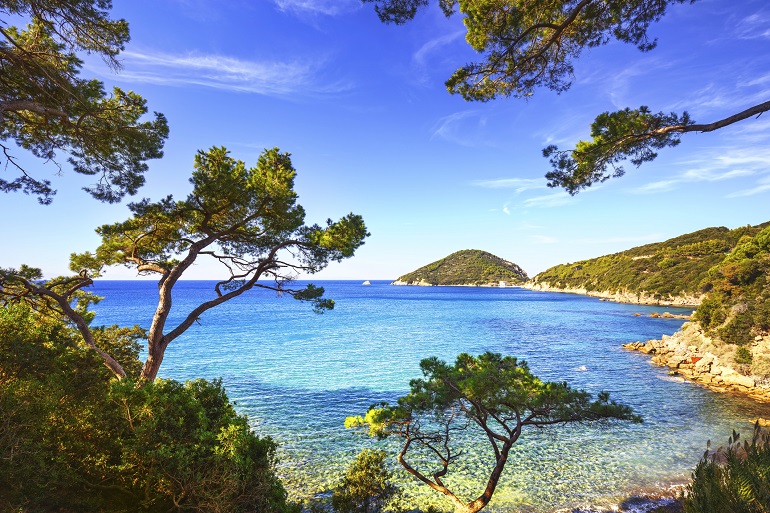
Visitor Centres and Educational Facilities
The Tuscan Archipelago National Park offers several visitor centres and educational facilities across its islands, providing excellent resources for tourists and locals alike.
Main Visitor Centres
Info Park Portoferraio serves as the primary welcome office, situated directly in front of the ferry docks at Portoferraio harbour, operating throughout the year.
Park Houses function as visitor centres in major towns, offering free admission from April to November. These facilities provide educational displays, digital tools, and information about the archipelago's flora, fauna, and cultural heritage.
Key Educational Facilities
NAT LAB Museum at the English Fort in Portoferraio, established in 2019, houses important entomological, zoological, and botanical collections from the Tuscan islands.
Environmental Education Centres include:
- "La Salata" on Capraia Island
- Franco Franchini House in Rio nell'Elba
- Marciana Park House
- Dune di Lacona Centre
- Casa dei Pescatori on Montecristo Island
Opening Hours and Services
The Franco Franchini Rio Park House exemplifies typical seasonal opening patterns:
- Spring (March-May): Weekend openings
- Summer (July-August): Extended hours Tuesday through Sunday
- Autumn: Reduced hours Thursday through Sunday
These centres serve as vital educational hubs within the UNESCO MaB Biosphere Reserve, offering interactive displays, multimedia presentations, and expert guidance about the park's remarkable biodiversity and geological heritage. Visitors can access informational materials, participate in guided tours, and learn about the archipelago's 22 different types of natural habitats and 37 rare and endemic species.