


| Contents |
|---|
Introduction
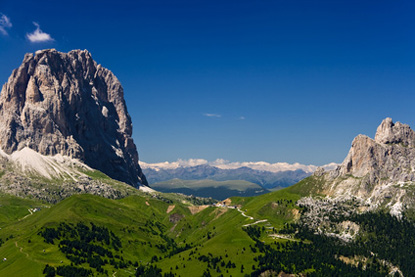
The Dolomites, a UNESCO World Heritage site in northern Italy, stand as one of Europe's most spectacular mountain ranges. These dramatic limestone peaks, with their distinctive pale grey hue and jagged spires, create an otherworldly landscape that has captivated travellers for centuries. Spanning across three regions of northern Italy—Trentino, Alto Adige, and Veneto—the Dolomites offer year-round adventures, from world-class skiing in winter to remarkable hiking and climbing in summer. The area is also steeped in fascinating cultural heritage, where Italian, German, and ancient Ladin influences merge to create a unique blend of traditions, cuisine, and architecture. Picture-perfect alpine meadows, crystalline lakes, and charming mountain villages dot the landscape, making the Dolomites an unmissable destination for both outdoor enthusiasts and those seeking the authentic charm of the Italian Alps.
Geography and Landscape
Physical Features
The range comprises 18 major peaks rising above 3,000 metres, with Marmolada standing as the highest summit at 3,343 metres (10,968 feet). These mountains are characterised by their distinctive pale-coloured dolomitic limestone, which has been sculpted by erosion into spectacular formations.
Distinctive Landforms
- Vertical rock walls and sheer cliffs, some rising more than 1,500 metres
- Dramatic pinnacles, spires, and towers
- Deep, narrow valleys and ravines
- Extensive talus deposits and gentle foothills
- Glacial formations, with 41 glaciers across the region
Landscape Characteristics
Colour and Light
One of the most captivating features of the Dolomites is the phenomenon known as 'Enrosadira', where the rocks transform through an array of colours throughout the day:
- Dawn and sunset: Orange to red to purple
- Midday: Light yellow
- Twilight and moonlight: Soft white
Natural Features
The landscape encompasses diverse elements including:
- Vast undulating bedrocks
- Extensive detritus mantles
- Horizontal terraces
- Dramatic vertical white rock formations
- Dense conifer forests in lower regions
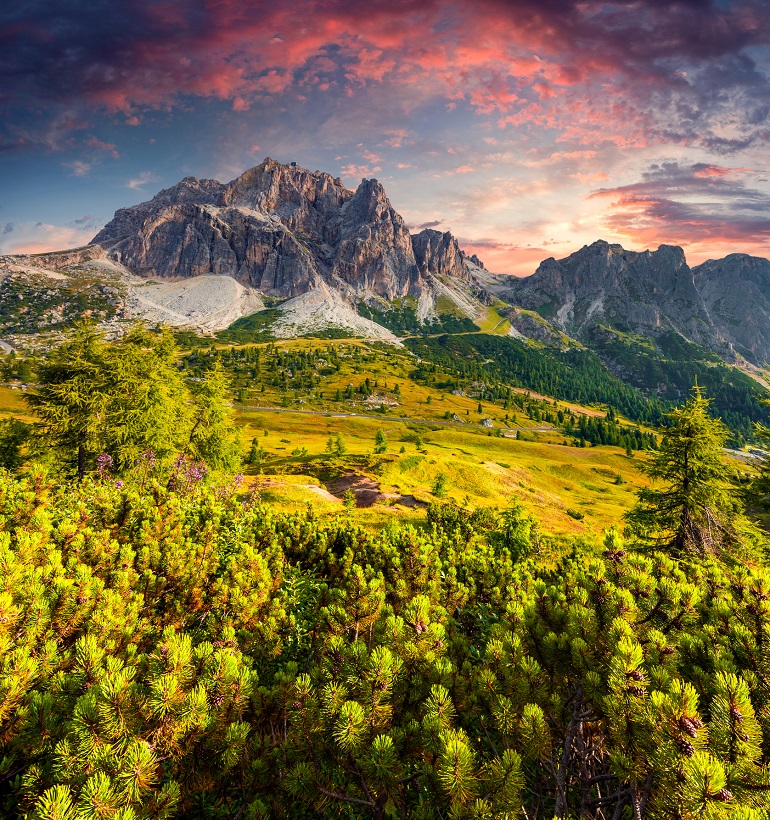
- Alpine grasslands at higher elevations
Vegetation Zones
The mountains feature distinct vegetation bands, with conifer forests dominating the lower slopes up to approximately 1,800 metres on northern faces and 2,200 metres on southern aspects. Above the tree line, the landscape transitions to alpine meadows and specialised plant communities adapted to the harsh mountain environment.
Geological Significance
The Dolomites represent one of the world's most complete examples of preserved Mesozoic carbonate platforms. The landscape results from millions of years of geological processes, featuring a unique combination of volcanic and dolomitic rocks that create an unusually dramatic mountain scenery distinct from other Alpine regions.

Flora and Fauna
Flora
The Dolomites host an extraordinarily rich biodiversity, making them one of Europe's most remarkable natural treasures.
The Dolomitic landscape boasts over 2,400 plant species across varying altitude belts, creating a spectacular display of colours and textures throughout the seasons.
Valley and Lower Slopes
The lower regions feature predominantly broadleaf forests, which gradually merge with conifers and beech trees as elevation increases. The Norway spruce is particularly abundant in the Vallunga and Paneveggio Forest.
Alpine Meadows
The high-altitude meadows showcase a vibrant tapestry of flowers including:
- Edelweiss
- Gentians
- Rhododendrons
- Bluebells
- Alpine orchids
Many of these plants serve both medicinal purposes and culinary uses, often flavouring local dishes and traditional grappa.
Fauna
Birds
The Dolomites' skies are home to numerous magnificent birds, including:
- Golden eagles, particularly visible in the Bellunesi National Park
- Capercaillie
- Black grouse
- Pygmy and boreal owls
- Woodpeckers
Mammals
The mountain range supports diverse mammalian life:
- Large mammals: Brown bears, lynx, and wolves have recently returned to certain areas
- Ungulates: Chamois, roe deer, red deer, ibex, and mouflon
- Small mammals: Marmots (known for their distinctive warning whistles), squirrels, badgers, martens, and ermines
Amphibians and Reptiles
In humid areas, visitors might encounter the striking black-and-yellow fire salamander or the alpine newt. The sunnier regions are home to various reptiles, including vipers and grass snakes, though these typically avoid human contact.
Conservation
Many plant species in the Dolomites are protected, and collection is strictly prohibited. The region's environmental improvements have encouraged the return of several species, making the Dolomites a prime example of successful conservation efforts.
The Dolomites' rich biodiversity offers visitors an unparalleled opportunity to experience nature at its finest, whether observing majestic golden eagles soaring overhead or discovering delicate alpine flowers nestled among the rocks.
Activities and Attractions
Summer Activities
Hiking and Trekking
The Dolomites feature numerous trails suitable for all skill levels. Notable hikes include the iconic Tre Cime di Lavaredo circuit, offering spectacular views of the three distinctive peaks that symbolise the region.
Mountain Activities
- Via ferrata climbing routes
- Mountain biking through scenic trails
- Paragliding above dramatic landscapes
- Rock climbing amongst distinctive formations
Lake Adventures
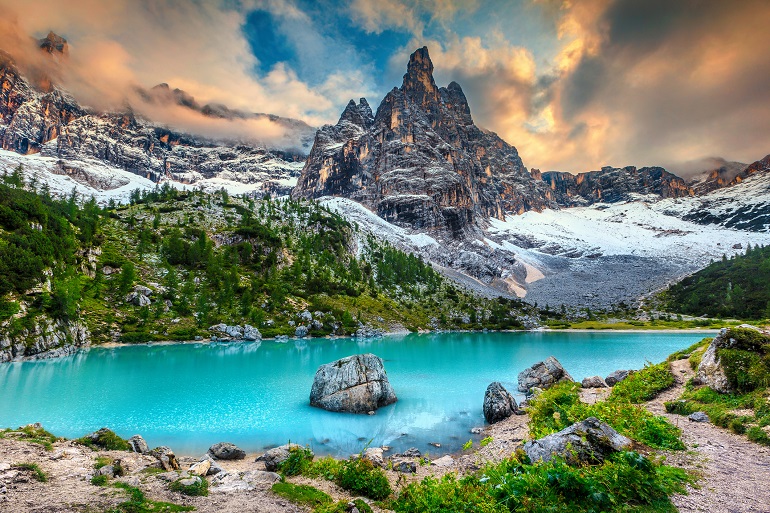
The region boasts several pristine mountain lakes where visitors can:
- Rent boats for scenic rides
- Take leisurely walks around shorelines
- Swim in glacier-fed waters (where permitted)
- Photograph stunning mountain reflections

Winter Activities
Skiing and Snowboarding
The Dolomites transform into a world-class winter sports destination featuring:
- The renowned Sella Ronda circuit
- 1,200 kilometres of ski runs
- 450 interconnected lifts
- Access to 12 major ski resorts
Natural Attractions
Mountain Peaks
- Marmolada - the highest peak in the Dolomites
- Tre Cime di Lavaredo - three iconic mountain spires
- Sassolungo - dramatic rocky formations
- Cinque Torri - distinctive rock towers
Scenic Passes
Several mountain passes offer breathtaking drives and views:
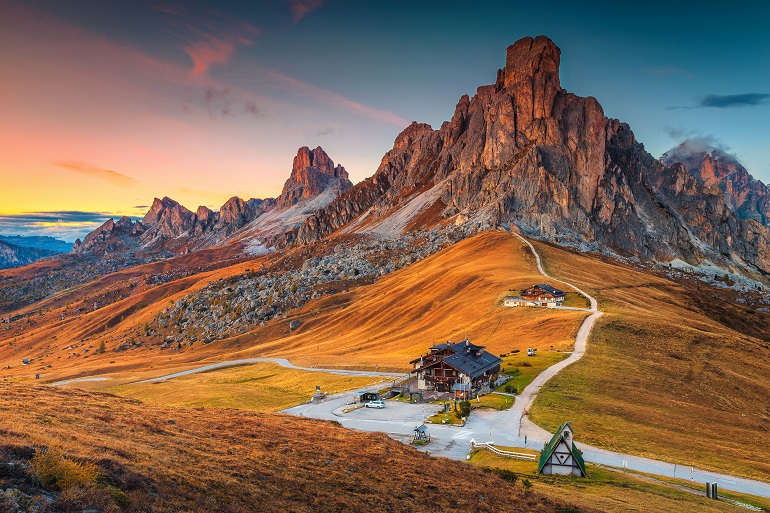
- Passo Sella
- Passo Pordoi
- Passo Giau
- Falzarego Pass
Historical Interest
World War I Sites
The region preserves significant military history through:
- Open-air museums
- Restored trenches
- Mountain fortresses
- Historical tunnels
Seasonal Highlights
Summer
- Alpine meadows filled with wildflowers
- Crystal-clear mountain lakes
- Perfect conditions for outdoor photography
- Extensive hiking opportunities
Winter
- World-class skiing
- Snowboarding
- Winter hiking
- Sledding adventures
The Dolomites' dramatic landscape, where sheer cliffs meet rolling meadows, creates an unforgettable backdrop for all activities. The region's UNESCO World Heritage status underscores its exceptional natural beauty and geological significance.
Accommodation
Best Areas to Stay
Val Gardena and Alta Badia stand as premier locations, offering excellent access to hiking trails and ski slopes. Cortina d'Ampezzo, known as the pearl of the Dolomites, provides a more cosmopolitan atmosphere with upscale amenities. Other noteworthy areas include San Martino di Castrozza, Alta Pusteria, and the serene Val di Funes.
Planning Your Stay
For optimal exploration, consider dividing your time between two or three bases. A week-long holiday might be best split between Val Gardena and Cortina d'Ampezzo. For shorter stays of 3-4 nights, settling in one location is more practical.
Accommodation Types
Luxury Options
The Dolomites excel in luxury accommodation, featuring:
- Five-star hotels with extensive spa facilities
- Boutique mountain lodges with gourmet restaurants
- Wellness resorts with indoor-outdoor pools
Mid-Range Choices
- Traditional alpine hotels with modern amenities
- Boutique bed & breakfasts
- Family-run guesthouses offering half-board options
Budget-Friendly Alternatives
- Mountain refuges (rifugios)
- Simple guesthouses
- Family-operated bed & breakfasts
Seasonal Considerations
Accommodation availability and pricing vary significantly between seasons. Winter sees peak demand in ski resort areas, whilst summer brings hikers and mountain enthusiasts. Many establishments require minimum stays of 2-5 nights, particularly during high season.
Amenities to Expect
Most accommodations offer:
- Mountain views
- Traditional alpine décor
- Wellness facilities
- Complimentary breakfast
- Parking facilities
- Local cuisine restaurants
Location Tips
Consider staying in a village rather than a major resort for a more authentic experience. Many smaller settlements offer excellent access to hiking trails and ski lifts whilst maintaining a peaceful atmosphere. Properties outside town centres often provide better value and more tranquil settings.
Gastronomy
Traditional Ingredients
The foundation of Dolomite cuisine relies on simple, hearty ingredients from the mountains. Corn, potatoes, barley, pumpkins, mushrooms, and legumes feature prominently in local dishes. Dairy products are particularly significant, with various mountain cheeses produced in Alpine huts using milk from cows that graze on high-altitude pastures during summer.
Signature Dishes
First Courses
- Casunziei - Half-moon ravioli filled with pumpkin, beetroot, or spinach, typically served with poppy seed butter
- Canederli - Large bread dumplings containing speck or cheese, often served in broth
- Schlutzkrapfen - Half-moon pasta stuffed with curd cheese and spinach
Main Courses
- Polenta - The 'bread of the Dolomites', served with game meat, mushrooms, or melted cheese
- Game dishes - Including venison, roe deer, and chamois, often accompanied by polenta
- Speck - A distinctive cured and smoked ham unique to the region
Mountain Delicacies
Sweets and Desserts
- Apfelstrudel - The quintessential apple strudel, prepared in the traditional Alpine style
- Local pastries with wild berries, nuts, and cottage cheese
- Kaiserschmarrn - A sweet shredded pancake of Austrian origin
Beverages
- Grappa - Local varieties flavoured with mountain herbs, including mugho pine, gentian, and juniper
- Regional wines - Produced in the Alpine valleys, offering both red and white varieties
Dining Experience
The Dolomites boast the highest concentration of Michelin-starred restaurants in the Alps. Traditional mountain huts, known as rifugios, offer authentic local cuisine amidst breathtaking mountain scenery. Many chefs skilfully blend time-honoured recipes with modern culinary techniques, creating innovative dishes whilst maintaining the essence of mountain traditions.
Best Time to Visit
Summer Season
Peak Hiking Period: Mid-June to September
The summer season is ideal for outdoor activities, with mountain huts open and high-altitude trails clear of snow. July and August are the busiest months, with peak crowds and highest prices. However, summer also brings occasional thunderstorms, particularly in July and August.
Best Times for Specific Activities:
- Day hiking: Mid-June, early July, and September
- Hut-to-hut hiking: July to early September
- Via ferrata climbing: July and September
- Photography: September and October
- Car-free travel: July to September

Winter Season
Skiing Period: December to March
The winter transforms the Dolomites into a world-class skiing destination. As winter progresses, longer days provide better lighting conditions on the slopes. Most ski resorts operate from early December through late March or early April.
Shoulder Seasons
Autumn (September-October)
September and October offer several advantages:
- Stable weather conditions
- Fewer crowds than peak summer
- Beautiful autumn colours
- Comfortable hiking temperatures
- Lower accommodation prices
However, be prepared for potential snowstorms in September, which typically melt within 2-3 days.
Spring (April-May)
Spring is generally not recommended as:
- Trails remain snow-covered
- Most accommodations are closed
- Limited access to high-altitude areas
- Mountain huts are not operational
Weather Considerations
At lower altitudes, summer temperatures reach 27-29°C during the day and 13-15°C at night. In autumn, temperatures at 2,000 metres typically range from 8-13°C during daytime, with potential frost overnight.
Practical Tips
- Book well in advance for July and August visits
- Consider September for optimal hiking conditions with fewer crowds
- Avoid November and April when most facilities are closed
- For skiing enthusiasts, January and February offer the most reliable snow conditions
- Bring layers regardless of season, as mountain weather can change rapidly
Getting There and Around
Reaching the Dolomites
The Dolomites mountain range, situated in northeastern Italy near the Austrian border, offers breathtaking landscapes but requires some planning to reach. There are no airports within the Dolomites themselves, so visitors must arrive via nearby transport hubs.
By Air
The most convenient airports for accessing the Dolomites are:
- Venice Marco Polo (2-3 hours to the Dolomites)
- Verona (2.5-3 hours)
- Innsbruck, Austria (2-2.5 hours)
- Milan Malpensa (3.5-5 hours)
- Munich, Germany (3-4 hours)
By Train
The main railway stations serving the Dolomites are:
- Bolzano
- Dobbiaco
- Bressanone
- Brunico
Trains connect these stations to major Italian cities and European destinations through the Brenner Pass. From these stations, onward travel is required to reach mountain destinations.
Getting Around
By Car
A rental car provides the most flexibility for exploring the Dolomites. Benefits include:
- Freedom to explore remote valleys and villages
- Easy access to trailheads and mountain passes
- No dependence on public transport schedules
- Ability to carry hiking or skiing equipment
By Public Transport
Buses operate throughout the region, with service quality varying by area:
- South Tyrol (Val Gardena area) has the most reliable bus network
- Services are more frequent during peak tourist seasons
- Some remote areas have limited or unreliable connections
- Multiple bus systems operate across different provinces
Transport Planning
- Book car rentals in advance during peak seasons
- Allow extra travel time when using public transport
- Consider basing yourself in well-connected areas if relying on buses
- Check seasonal transport schedules as they vary throughout the year
The most practical approach for exploring the Dolomites thoroughly is hiring a car, particularly if planning to visit multiple areas or engage in outdoor activities. However, with careful planning, public transport can work well for those staying in major towns or focusing on specific areas.
Conservation and Responsible Tourism
Conservation Status and Challenges
The Dolomites, a stunning mountain range in northern Italy, stands as a testament to nature's grandeur and the importance of sustainable tourism. This UNESCO World Heritage site encompasses nine distinct areas featuring dramatic peaks rising above 3,000 metres, with vertical walls, sheer cliffs, and deep valleys creating some of the world's most spectacular mountain landscapes.
Natural Heritage
The Dolomites represent an extraordinary geological and ecological treasure, featuring unique limestone formations, glacial landforms, and karst systems. The area's dynamic landscape experiences frequent natural phenomena including landslides, floods, and avalanches, making conservation efforts particularly crucial.
Current Threats
Tourism infrastructure poses the most significant challenge to the site's preservation, particularly in concentrated areas. The development of new ski facilities for the 2026 Winter Olympic Games in Milan-Cortina d'Ampezzo presents additional concerns. Climate change poses a long-term threat, potentially leading to the reduction and eventual loss of glaciers.
Sustainable Tourism Initiatives
Management Framework
The Dolomites UNESCO Foundation oversees coordinated management across the region's five provinces and three regions. Their Overall Management Strategy emphasises sustainable tourism practices and environmental protection while supporting local economic development.
Innovative Approaches
- Implementation of visitor monitoring systems to understand tourist behaviour and expectations
- Development of eco-friendly accommodation options
- Promotion of off-peak travel to reduce environmental impact
- Integration of public transport networks to decrease private vehicle usage
Practical Conservation Measures
Infrastructure Development
Many mountain facilities now incorporate sustainable technologies:
- Geothermal heating systems
- Hydropower for lift operations
- District heating systems using renewable energy
- Advanced environmental management systems
Visitor Guidelines
To preserve the natural environment, visitors are encouraged to:
- Stay on marked trails
- Use public transport or lift systems
- Maintain silence to protect wildlife
- Practice responsible waste management
- Respect local communities and private property
Future Outlook
The Dolomites serve as a living laboratory for sustainable mountain tourism, balancing preservation with accessibility. Through careful management and visitor education, this remarkable landscape continues to demonstrate how natural heritage can be protected while providing meaningful travel experiences for future generations.
Visitor Centres and Educational Facilities

Nature Park Visitor Centres
These centres serve as gateways to understanding the unique geological formations, flora, and fauna of the Dolomites. Through interactive exhibitions and educational displays, visitors can explore the formation of the Dolomite mountains and discover the diverse wildlife that inhabits the region. Many centres feature specially designed geology models, animated telescopes, and interactive landscape games.
Educational Facilities
Language and Cultural Centres
The region hosts educational institutions where visitors can immerse themselves in Italian language and culture whilst enjoying the mountain setting. These centres often combine traditional language instruction with outdoor activities, offering a unique blend of education and mountain experiences.
School Systems
The area features a distinctive multilingual educational environment, with instruction available in Italian, German, and Ladin languages. This unique system reflects the rich cultural heritage of the Dolomites region.
Features and Amenities
Most visitor centres offer:
- Interactive exhibitions
- Educational workshops
- Multimedia presentations
- Nature laboratories
- Conference facilities
- Free admission
Special Attractions
Visitors can experience:
- Night projections of nocturnal wildlife
- Themed exhibitions about local flora and fauna
- Geological displays explaining mountain formation
- Interactive displays about local traditions
- Educational programmes about environmental conservation
These facilities provide an excellent starting point for exploring the Dolomites, offering valuable insights into the region's natural and cultural heritage whilst ensuring an educational and engaging experience for visitors of all ages.