


| Contents |
|---|

Introduction
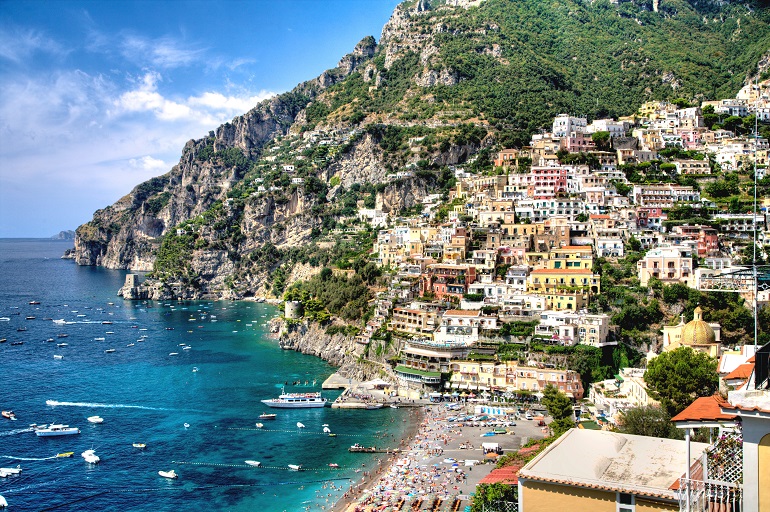
The Amalfi Coast is a 50-kilometre stretch of coastline in southern Italy, located south of the Sorrentine Peninsula and north of the Cilentan Coast. This UNESCO World Heritage Site, designated in 1997, encompasses 13 picturesque towns along the Tyrrhenian Sea, including Positano, Amalfi, Ravello, and Sorrento. The region is characterised by dramatic cliffs, crystal-clear waters, and terraced landscapes dotted with citrus groves and vineyards. The area's natural beauty is complemented by its rich cultural heritage, with historic towns featuring Arabic-Norman architecture perched along the rugged coastline. The region is accessible via Naples International Airport, with visitors able to reach the coast by private transfer, public transport, or boat services.
Interesting Facts about Amalfi Coast
- The Amalfi Coast was designated a UNESCO World Heritage Site in 1997 for its cultural and natural significance.
- Atrani, nestled along the coast, is one of the smallest villages in Italy, with colourful houses perched like a traditional crib.
- Amalfi was medieval Europe’s first centre of paper production, using techniques learned from Arab traders.
- A natural limestone arch near Santa Croce Beach is nicknamed the “Arch of Baci Perugina” after featuring in an iconic Italian chocolate advert.
- The 40-kilometre Strada Statale 163 is the only land route connecting the coastal towns, famed for its hairpin bends and cliffside views.
- Hikers can traverse the Path of the Gods, an ancient trail offering panoramic vistas over the Tyrrhenian Sea.
- Villa Cimbrone’s gardens in Ravello doubled as the mythical island of Themyscira in the film Wonder Woman.
- The region’s Sfusato lemons, used in Limoncello liqueur, grow up to 10 inches long and are entirely edible, including the peel.
- Amalfi’s handcrafted Bambagina paper, made since the 13th century, remains a sought-after artisan product.
- The Emerald Grotto near Conca dei Marini glows with ethereal green light from underwater sunlight refraction.
- Positano’s steeply stacked pastel buildings became a global icon of Mediterranean charm.
- Despite common assumptions, Sorrento lies outside the official Amalfi Coast boundaries, belonging to the Gulf of Naples.
- A 16th-century Capuchin monastery in Amalfi now operates as a boutique hotel with preserved frescoed cloisters.
- During the Middle Ages, Amalfi was a powerful maritime republic rivaling Genoa and Venice in Mediterranean trade.
- Celebrities like Kim Kardashian and Mark Zuckerberg have holidayed here, drawn by secluded luxury villas and dramatic scenery.
History
The Amalfi Coast's origins can be traced back to the Roman era, with archaeological evidence including Roman villas and artifacts still visible in towns like Minori and Positano. However, it was during the medieval period that Amalfi truly flourished, rising to prominence as one of Italy's four great Maritime Republics alongside Pisa, Genoa, and Venice. The region's ascent began in 839 when it gained autonomy from the Duchy of Naples, establishing itself as a powerful maritime nation.
During its golden age, Amalfi became a dominant force in Mediterranean trade, with its merchants trading timber, grain, and salt in exchange for gold dinars from Egypt and Syria. The republic's influence extended far beyond commerce; it developed the 'Tavole amalfitane', a revolutionary maritime code that became widely adopted by Christian port cities. At its peak around the turn of the millennium, Amalfi boasted a population of 70,000 to 80,000 under the reign of Duke Manso. The republic's prosperity was evident in its ability to mint its own currency, the tarì, and establish trading colonies throughout the Mediterranean.
The decline of Amalfi began in the 12th century, facing challenges from rival maritime powers and a devastating Pisan invasion in 1135. By the 15th century, many noble families had relocated to Naples, leaving the coast relatively deserted. However, the region experienced a renaissance in the 19th century when Giuseppe Bonaparte ordered the construction of a road connecting Naples to Amalfi, completed in 1854. Today, the Amalfi Coast stands as a UNESCO World Heritage site, its rich history reflected in its architectural wonders and cultural heritage, whilst serving as one of Italy's premier tourist destinations.
Nature in and around Amalfi Coast
The Amalfi Coast is a natural wonderland where dramatic landscapes meet the Mediterranean Sea. The region's backbone, the Lattari Mountains, features 34 signposted trails through pine forests and lemon groves, including the renowned Sentiero degli Dei (Path of the Gods), offering panoramic vistas of the coastline and distant islands. Nature enthusiasts will be captivated by the Valle delle Ferriere, a lush biogenetic reserve housing rare plant species like the pre-glacial Woodwardia Radicans fern, complete with waterfalls and ancient ruins. The coast's most striking features include the ethereal Emerald Grotto, where sunlight filtering through underwater openings creates a mesmerising green glow amongst stalactites and stalagmites, and the dramatic Fiordo di Furore, a fjord-like inlet cutting deep into the cliffs. At the tip of the Sorrentine Peninsula, the Punta Campanella Marine Reserve protects the region's rich marine life and diverse ecosystems, making the Amalfi Coast a true paradise for nature lovers.
Emerald Grotto (Grotta dello Smeraldo)
Located in the charming town of Conca dei Marini, the Emerald Grotto is one of the Amalfi Coast's most enchanting natural wonders. This remarkable sea cave gets its name from the ethereal emerald-green light that fills the cavern, created when sunlight filters through an underwater opening. The cave stretches 45 metres wide and 32 metres high, with crystalline waters reaching depths of 24 metres. Visitors can explore the grotto via small rowboats, guided by expert local boatmen who share fascinating details about the cave's geological formation. Inside, you'll discover an underwater nativity scene and remarkable limestone formations, including stalagmites and stalactites that have formed over millennia.
Fiordo di Furore
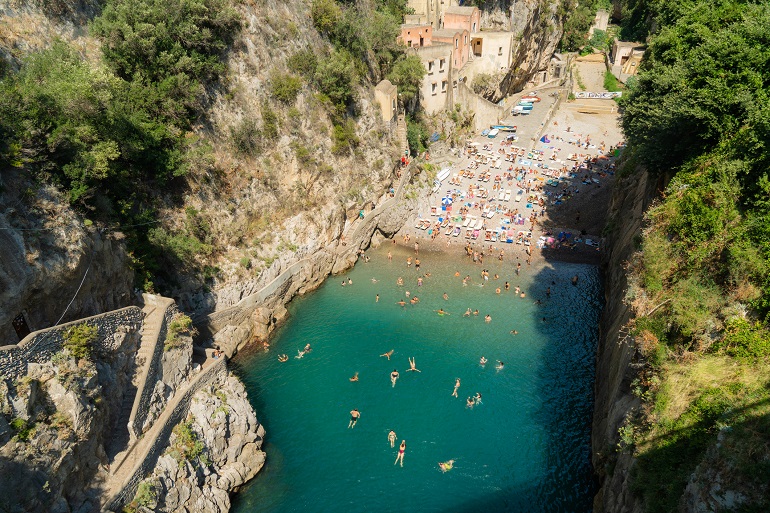
The Fiordo di Furore is a natural marvel that splits the rocky coastline, creating a dramatic gorge that plunges into the sea. This unique geological formation features vertical limestone cliffs rising 28 metres above a small pebble beach. The iconic bridge spanning the gorge offers spectacular photo opportunities and has been featured in numerous films. The fjord's crystal-clear waters make it an excellent spot for swimming and snorkelling, while the surrounding cliffs attract rock climbing enthusiasts. The tiny village of Furore, known as the "painted village" due to its artistic murals, clings to the cliffs above, adding to the location's picturesque appeal.
Valle delle Ferriere Nature Reserve
This protected natural area showcases the wild, untamed beauty of the Amalfi Coast's interior. The reserve is home to rare ferns and the carnivorous plant Pinguicula hirtiflora, which survives here due to the unique microclimate. Waterfalls cascade down ancient rock formations, creating pristine pools surrounded by lush vegetation. The reserve also contains ruins of medieval ironworks and paper mills, testament to the area's industrial heritage. The main trail through the reserve offers varying levels of difficulty and takes approximately 3-4 hours to complete.
Beaches and Coastal Areas
Marina Grande
Amalfi's main beach, Marina Grande, stretches for 184 metres along the coast, offering a perfect blend of natural beauty and modern amenities. The beach is characterised by its dark, volcanic sand and crystal-clear waters, framed by the dramatic backdrop of the town's colourful buildings. Beach clubs provide comfortable sunbeds and umbrellas, while public areas remain accessible for those preferring a more casual experience. The promenade along the beach features numerous restaurants serving fresh seafood and local specialities, making it an ideal spot for a full day of seaside relaxation.
Spiaggia di Atrani
Just around the corner from Amalfi, the intimate beach of Atrani offers a more authentic and less crowded experience. This charming stretch of coastline is nestled beneath towering cliffs and bordered by the picturesque fishing village of Atrani, one of the smallest municipalities in Italy. The beach's sheltered position makes it perfect for families, while the surrounding medieval architecture provides a stunning backdrop for sunbathers. Local establishments offer fresh seafood and traditional limoncello, making it an ideal spot for combining beach time with cultural exploration.
Walking Trails
Path of the Gods (Sentiero degli Dei)
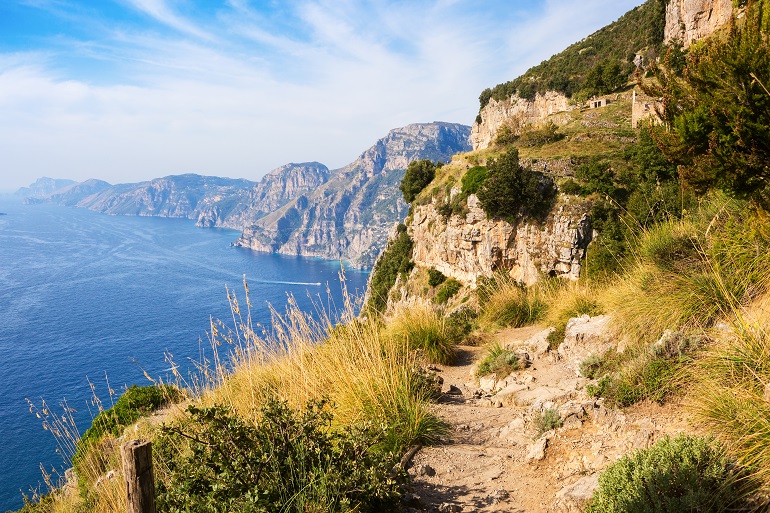
This legendary hiking trail, stretching from Bomerano to Nocelle, offers some of the most spectacular views along the Amalfi Coast. The path takes its name from the heavenly vistas it provides, with panoramic views of Positano, the island of Capri, and the entire coastline. The trail winds through ancient terraced farms, past abandoned stone houses, and along dramatic limestone cliffs. While the complete trail takes about 3 hours to walk, it offers several entry and exit points, allowing hikers to customise their journey. The best time to start is early morning when the sun illuminates the coastline and temperatures are cooler.
Valle dei Mulini
This historic valley trail near Amalfi leads visitors through the remains of the town's once-thriving paper-making industry. The path follows the Rio Canneto river, passing by the ruins of medieval paper mills that once produced the famous "Carta d'Amalfi." The trail is surrounded by lush vegetation and features several small waterfalls, creating a microclimate that supports rare plants. The walk takes approximately 2-3 hours and offers a fascinating glimpse into the industrial heritage of the region, while providing a cool retreat from the coastal heat.
Path of the Lemons (Sentiero dei Limoni)
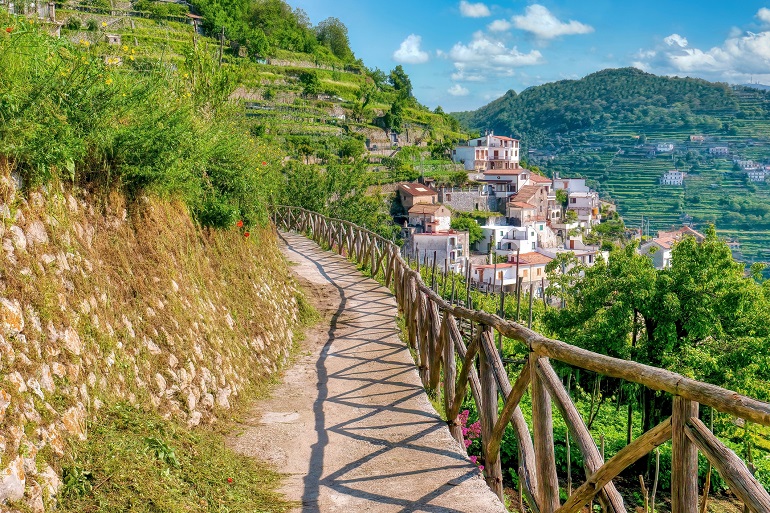
Connecting the towns of Maiori and Minori, this historic path takes walkers through the region's famous lemon groves, where the prized Sfusato Amalfitano lemons are grown. The trail offers insight into the traditional agricultural practices that have shaped the landscape for centuries. Along the way, visitors can observe local farmers tending their terraced gardens and learn about the cultivation of these special lemons, which are essential to the production of limoncello. The path provides stunning views of both towns and the coastline, while the scent of lemon blossoms perfumes the air during flowering season.
Viewpoints
Belvedere Cimitero Monumentale
This unique viewpoint, located near Amalfi's monumental cemetery, offers one of the coast's most photogenic vistas. The terrace provides unobstructed views of the coastline, with Amalfi town spread out below and the Mediterranean Sea stretching to the horizon. The location is particularly spectacular during sunset when the sun casts a golden glow over the town's buildings and the surrounding cliffs. The peaceful atmosphere makes it a perfect spot for quiet contemplation away from the bustle of the town centre.
Torre dello Ziro
This 15th-century watchtower, positioned between Amalfi and Atrani, offers some of the most dramatic views along the coast. The tower itself has a fascinating history, once serving as part of the coastal defence system against Saracen pirates. The 20-minute uphill walk to reach the tower is rewarded with panoramic views that encompass both towns, the surrounding mountains, and the endless blue of the Mediterranean. The site is particularly atmospheric in the late afternoon when the changing light creates stunning photographic opportunities.
Terrazza di Villa Rufolo
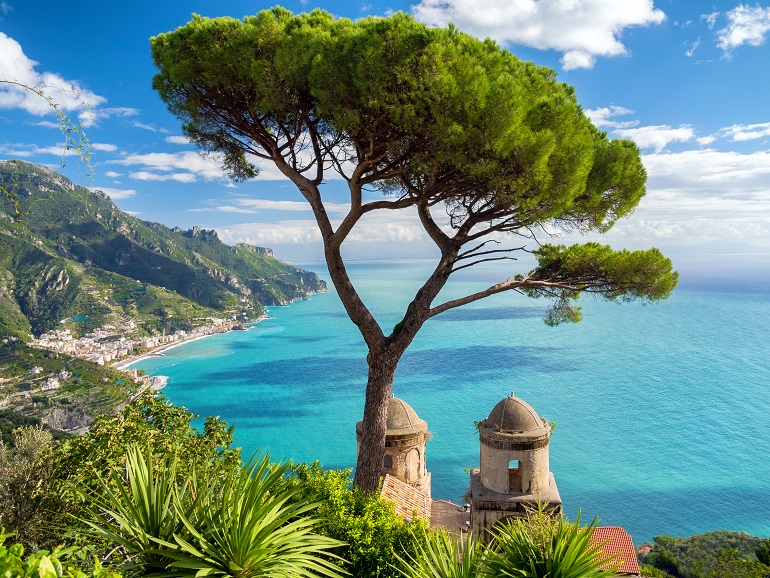
The terrace of Villa Rufolo in Ravello provides what many consider to be the finest views on the entire Amalfi Coast. From this elevated position, visitors can admire the dramatic coastline, with its plunging cliffs and picturesque towns nestled into the landscape. The terrace is famous for hosting outdoor concerts during the Ravello Festival, where the natural backdrop creates an unforgettable setting for classical music performances. The gardens surrounding the terrace are expertly maintained, featuring exotic plants and flowers that frame the spectacular coastal views.
Mandingo Beach
Tucked away in a quiet corner of Amalfi town, Mandingo Beach provides an intimate and peaceful alternative to the busier Marina Grande. This small but charming beach features crystal-clear waters and is surrounded by dramatic cliffs. The beach's western orientation makes it particularly special during sunset hours, when the sun casts a golden glow across the water. Access is via a series of steps, which helps maintain its relatively uncrowded atmosphere even during peak season.
Historic Sites and Architecture
Duomo di Sant'Andrea
The magnificent Amalfi Cathedral stands as a testament to the town's historical importance as a maritime republic. The cathedral's striking façade, rebuilt in the 19th century, showcases a dramatic Arab-Norman Romanesque style with striped marble and stone. The bronze doors, cast in Constantinople in the 11th century, mark the entrance to this architectural marvel. The cathedral complex includes the "Chiostro del Paradiso" (Paradise Cloister), an elegant portico with interlaced arches supported by 120 marble columns, and the Basilica of the Crucifix, which houses important artefacts from Amalfi's history.
Villa Cimbrone
Perched high above Ravello, Villa Cimbrone represents the perfect marriage of natural beauty and human artistry. The villa's gardens, redesigned in the early 20th century, feature an impressive collection of classical statues, exotic plants, and hidden corners. The crown jewel is the Terrace of Infinity (Terrazzo dell'Infinito), lined with 18th-century marble busts and offering panoramic views that stretch from the Gulf of Salerno to the Cilento mountains. The gardens combine English romantic style with classical Italian elements, creating a harmonious blend that has attracted visitors including Winston Churchill and Greta Garbo.
Villa Rufolo
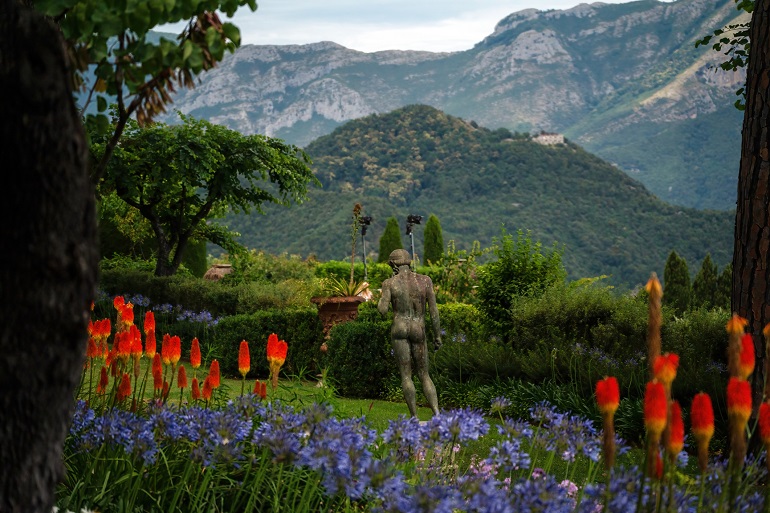
This 13th-century villa in Ravello showcases a fascinating mix of Arab, Sicilian, and Norman architecture. The villa's terraced gardens, which inspired Wagner's opera Parsifal, offer spectacular views over the Gulf of Salerno. The complex includes the Greater Tower, reaching a height of 30 metres, and the smaller tower, which houses the museum. The gardens are particularly stunning during spring and summer when countless blooming flowers create a riot of colour against the backdrop of the sea.
Top Museums
Paper Museum (Museo della Carta) in Amalfi
Housed in a 13th-century paper mill, the Amalfi Paper Museum stands as a testament to the town's long-standing tradition of papermaking. This industrial architectural gem showcases the centuries-old craft that once made Amalfi a major paper production centre in medieval times. Visitors can explore the ancient machinery, including wooden hammers, 18th-century presses, and a Dutch machine from the 1700s. The museum offers an immersive experience through multilingual guided tours, allowing guests to witness firsthand the intricate techniques of papermaking.
One of the highlights of the Paper Museum is the opportunity for visitors to try their hand at crafting paper themselves. This hands-on experience provides a unique insight into the skill and artistry involved in the traditional papermaking process. The museum's gift shop offers an excellent selection of paper-related souvenirs, including notebooks, paper objects, and writing accessories, allowing visitors to take a piece of Amalfi's paper heritage home with them.
Arsenal of the Republic of Amalfi (Arsenale della Repubblica di Amalfi)
The Arsenal stands as a symbolic monument to Amalfi's illustrious maritime past. This rare example of medieval architecture now houses part of the Museum of the Compass and the Maritime Duchy, offering visitors a window into the coastal city's rich nautical history. The collection within the Arsenal is a treasure trove of historical artefacts, including scrolls, codes, manuscripts, coins, nautical instruments, and period costumes.
One of the most prized possessions in the museum's collection is the Tabula de Amalpha, the maritime trade code that governed Mediterranean commerce until the 16th century. This document underscores Amalfi's significant role in shaping maritime law and trade practices during the Middle Ages. The Arsenal's impressive structure, with its stone halls, vaulted ceilings, and pointed arches supported by ten robust piers, serves as a fitting backdrop to the maritime exhibits, allowing visitors to immerse themselves in the atmosphere of Amalfi's seafaring golden age.
Coral Museum in Ravello
Nestled in the picturesque town of Ravello, the Coral Museum offers a unique exploration of the art of coral craftsmanship. Founded in 1986 by Giorgio Filocamo, a coral expert of Sicilian-Campanian origin, this museum houses an exceptional collection of refined coral artefacts spanning from Roman times to the 20th century. The museum's collection goes beyond coral, featuring an impressive array of cameos, mother-of-pearl, and shells engraved by local artisans.
Among the museum's most notable pieces is a 17th-century Christ figure on a crystal cross, showcasing the exquisite skill of coral artisans from centuries past. This museum not only celebrates the beauty of coral but also highlights the importance of this precious marine resource in the cultural and artistic heritage of the Amalfi Coast.
MAR Positano - Roman Archaeological Museum
The MAR Positano offers a fascinating journey into the ancient Roman history of the Amalfi Coast. Built around the remains of a Roman villa discovered beneath the Church of Santa Maria Assunta in Positano, this museum provides a unique opportunity to explore a well-preserved slice of Roman life. The villa, which once belonged to a senatorial family, was buried by the eruption of Vesuvius in 79 CE, preserving it in remarkable condition.
Visitors to the MAR can marvel at intact frescoed walls with vivid colours, stucco reliefs, mosaic floors, columns, and numerous objects of daily use from the Roman era. The museum also features an ancient medieval crypt discovered between the Roman villa and the church, adding another layer to the rich historical tapestry on display.
Museo Correale di Terranova in Amalfi
Housed in a villa that once served as the summer residence of the Correale family, this museum offers a unique blend of historical artefacts and refined atmosphere. The villa, gifted to the Correale family in 1428 by Queen Joanna II of Anjou, now serves as a multifaceted cultural institution. Visitors can explore a historical library, a collection of archaeological artefacts, and examples of local craftsmanship, including the renowned Sorrentine marquetry.
The museum's collection also features paintings, historical furniture, and prestigious 18th-century porcelain, providing a comprehensive look at the artistic and cultural heritage of the region. The Museo Correale di Terranova's beautiful setting and diverse collection make it a must-visit for those seeking to immerse themselves in the refined atmosphere of the Amalfi Coast's historical elite.
Local Cuisine
The Amalfi Coast boasts a rich culinary heritage centred around fresh seafood and locally sourced ingredients. The region's signature dishes include scialatielli ai frutti di mare, a traditional handmade pasta served with shellfish, shrimp and squid, and gnocchi alla sorrentina, a comforting dish made with gnocchi, mozzarella, tomato sauce and basil. The area's famous Amalfi lemons feature prominently in dishes like pasta al limon, where pasta is cooked in lemon-infused water. Seafood lovers will delight in specialities such as spaghetti alle vongole (spaghetti with clams) and the prized alici di cetara (local anchovies). The coastal towns also offer delectable treats like parmigiana di melanzane, a sophisticated layered dish of aubergines and tomato sauce, whilst the region's trattorias and ristorantes serve everything from casual street food to refined Michelin-starred cuisine.
Shopping
In Positano, you'll discover the renowned 'Moda Mare Positano' fashion, featuring breezy linen dresses, sundresses and custom-made sandals that once captivated style icons like Jackie Kennedy. The coastal towns boast an array of unique treasures, from handcrafted ceramics in Vietri sul Mare to exquisite paper goods in Amalfi's historic mills. Whilst exploring Via Lorenzo D'Amalfi, the main shopping thoroughfare, you can browse through shops offering local delicacies such as limoncello and colatura di alici (traditional anchovy sauce) from Cetara. The region's artisanal heritage shines through in its coral craftsmanship, handmade leather goods, and vibrant pottery, making shopping here not merely a transaction but a genuine cultural experience.
Getting Around
The Amalfi Coast is most easily accessed via Naples International Airport, from where travellers can reach the coastal towns by private driver, taxi, or public transport. Private drivers offer the most convenient option, costing between 120-200 euros for the 90-minute journey. Once on the coast, visitors can navigate between the 13 charming towns using either ferries or buses. Ferries operated by Travelmar run from April to October, offering spectacular coastal views for 5-15 euros per journey, though they're pricier than buses. The SITA bus service operates daily from 6 am to 10 pm, with tickets ranging from 1.50 to 5.50 euros, which must be purchased in advance at train stations or local shops. Whilst taxis are available throughout the coast, there are no ride-sharing services like Uber. For those preferring rail travel, trains connect to Sorrento and Salerno, which serve as gateway towns to the coast.
Best Time to Visit
The optimal time to visit the Amalfi Coast is during the shoulder seasons of spring (April to May) and early autumn (September to October). During these months, you'll experience delightful temperatures hovering around 26°C during the day and 20°C in the evenings, with minimal rainfall of about 50mm monthly. These periods offer the perfect balance of warm, sunny weather for beach activities whilst avoiding the peak summer crowds and elevated prices of July and August. May is particularly charming as the region's famous lemon groves burst into bloom, filling the air with their wonderful fragrance, whilst September boasts ideal conditions with pleasant temperatures and calmer tourist scenes. The shoulder seasons also provide the ideal climate for exploring the picturesque villages, enjoying outdoor dining on panoramic terraces, and embarking on coastal boat tours.