


| Contents |
|---|

Introduction
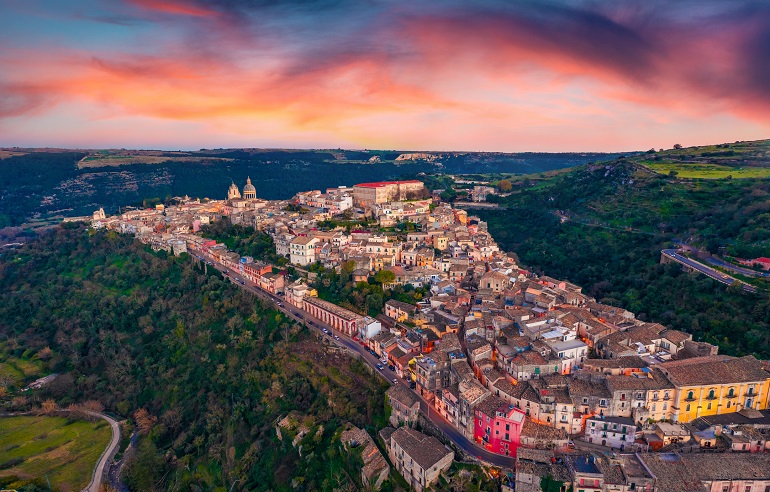
Ragusa is uniquely divided into two distinct parts: Ragusa Ibla (the old town) and Ragusa Superiore (the modern upper town). The city's dual nature emerged after the devastating earthquake of 1693, when the new town was built on a higher plateau whilst the old town was reconstructed in stunning Baroque style. Today, this city of approximately 73,000 residents showcases an impressive collection of Baroque architecture, including the Cathedral of San Giovanni Battista in the upper town and the Basilica di San Giorgio in Ragusa Ibla. The two parts of the city are connected by steep stairways, and visitors can explore a maze of narrow streets, historic churches, and elegant palazzi whilst enjoying panoramic views of the surrounding Hyblaean Hills.
Interesting Facts about Ragusa
- Ragusa is split into two districts - Ragusa Ibla (the ancient lower town) and Ragusa Superiore (the modern upper town) - separated by the steep Valle dei Ponti gorge
- The city was entirely reconstructed in extravagant Baroque architecture following Sicily’s devastating 1693 earthquake
- Ragusa’s historic centre belongs to UNESCO’s Late Baroque Towns of Val di Noto World Heritage Site alongside seven neighbouring Sicilian communes
- Basilica di San Giorgio in Ragusa Ibla boasts a 250-step grand staircase and an 1820 neoclassical dome dominating the skyline
- Ragusa functioned as an autonomous county for over two centuries before being absorbed into the County of Modica’s territory
- Medieval citizens famously overthrew their feudal ruler through the 1296 "Sicilian Vespers" rebellion, permanently shifting regional power dynamics
- San Giovanni Battista Cathedral features dual clock faces displaying time in both Roman numerals and French decimal timekeeping systems
- Museo Archeologico Ibleo contains finds documenting human settlement from Palaeolithic cave dwellers to Byzantine communities
- Ragusa province was established in 1927 through merging previously independent upper and lower towns into Sicily’s newest administrative capital
- Palazzo Donnafugata showcases Baroque architecture and 17th-century artworks attributed to followers of Caravaggio
- The region underwent economic transformation in the 1970s with major petroleum discoveries supplementing historic asphalt extraction
- Urban population has quadrupled since Italian unification, rising from under 23,000 in 1861 to surpassing 72,000 residents
- Ragusa Ibla’s winding alleys and ornate buildings frequently appear as filming locations for the acclaimed Commissario Montalbano detective series
- Ponte dei Cappuccini bridge remains vital infrastructure connecting the city’s divided halves across its deep natural chasm

History
Ragusa's fascinating history stretches back to the 2nd millennium BCE, with Sicel settlements in the area. The ancient city, perched on a 300-metre hill, flourished under various rulers including Greeks, Romans, and Byzantines, who fortified the settlement and built a substantial castle. After Arab occupation from 848 CE until the 11th century, the Normans took control, establishing Ragusa as a county seat. The most pivotal moment in Ragusa's history came in 1693 when a devastating earthquake struck, claiming 5,000 lives and destroying the old city. This catastrophe led to the creation of two distinct settlements: Ragusa Superiore (Upper Ragusa) built on higher ground, and Ragusa Inferiore (Lower Ragusa) constructed in the baroque style. These remained separate until 1926 when they were unified, with Ragusa becoming a provincial capital the following year.
Main Attractions
Ragusa Ibla
Historic Centre
The ancient heart of Ragusa, known as Ibla, is a mesmerising maze of winding alleyways, steep staircases, and hidden courtyards. These labyrinthine lanes, paved with smooth, worn stones that have witnessed centuries of footsteps, weave through an array of rock-grey palazzi. The architecture here tells the story of Sicilian baroque at its finest, with ornate balconies supported by grotesque figures, elaborate doorways, and grand palazzo facades. Walking through these streets feels like stepping back in time, where every corner reveals a new architectural marvel or a charming local scene.
Piazza Duomo
The magnificent Piazza Duomo serves as the pulsating heart of Ragusa Ibla, surrounded by elegant baroque buildings and dominated by the Cathedral of San Giorgio. The square itself is a masterpiece of urban design, with its gently sloping surface and harmonious architectural ensemble. Here, visitors can find themselves surrounded by the daily rhythms of Sicilian life, from elderly locals gathering for their evening passeggiata to tourists sipping espresso at the outdoor cafés. The Trenino Barocco, a charming tourist train, departs from this square, offering a comprehensive tour of the historical district for those who wish to rest their feet while exploring.
Duomo di San Giorgio
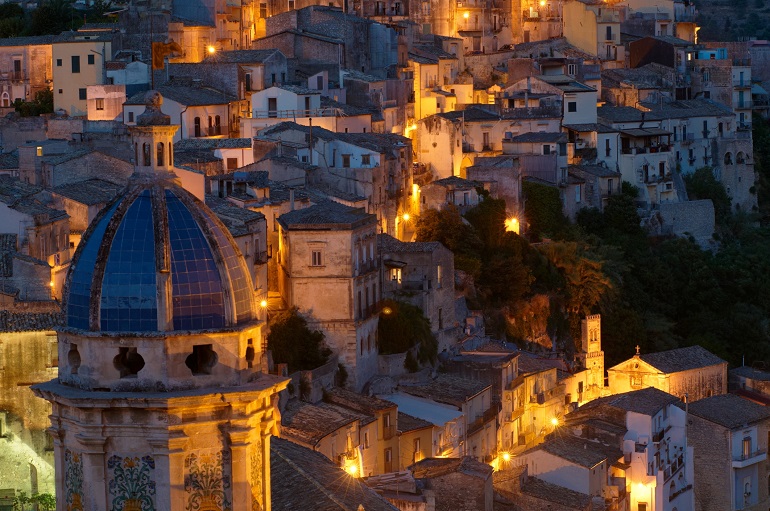
The Cathedral of San Giorgio stands as the crowning glory of Ragusa Ibla, perched atop a monumental staircase of 250 steps. This magnificent baroque church, rebuilt after the 1693 earthquake, features a stunning neoclassical dome and a façade that seems to glow golden in the setting sun. The church's interior is equally impressive, boasting beautiful stained glass windows, intricate frescoes, and remarkable paintings that showcase the artistic heritage of Sicily.
Palazzo Arezzo di Trifiletti
This 17th-century aristocratic residence represents the epitome of baroque architectural splendour. The palace's façade features elaborate stone carvings and wrought-iron balconies, while its interior houses a collection of period furniture, family portraits, and ancestral artefacts. The highlight is undoubtedly the grand ballroom, adorned with rare Neapolitan majolica tiles that tell stories of the region's rich history and mythology.
Teatro Donnafugata
This intimate 99-seat theatre is a hidden gem within Palazzo Donnafugata, resembling a miniature version of a grand Italian opera house. The theatre features original 19th-century decorations, including a ceiling adorned with paintings of famous composers and writers. The horseshoe-shaped auditorium, complete with two tiers of boxes, creates perfect acoustics for the regular chamber music concerts and theatrical performances held here.
Chiesa di San Giuseppe
This remarkable church stands out for its unique elliptical design and elaborate baroque façade. The exterior features intricate stone carvings and statues, while the interior boasts magnificent frescoes and stucco decorations. The church's unusual architectural style makes it a fascinating study in baroque innovation and artistic expression.
Chiesa delle Santissime Anime del Purgatorio
One of the few structures to survive the devastating 1693 earthquake, this church holds special historical significance. Its façade combines elements of both Gothic and baroque styles, while the interior houses valuable artworks and religious artefacts that predate the earthquake, offering a rare glimpse into pre-1693 Ragusa.

Giardino Ibleo
These magnificent public gardens, created in the 19th century, offer a peaceful retreat from the bustling streets of Ragusa. Spread across several terraces, the gardens feature Mediterranean plants, palm trees, and exotic species brought back by local sailors. Three churches border the garden, including the Church of San Giacomo, adding to its architectural interest. The garden's belvedere offers breathtaking views of the Valle del Fiume Irminio, making it a perfect spot for photography or quiet contemplation.
Ragusa Superiore
Chiesa di Santa Maria delle Scale
This remarkable church, straddling the boundary between Ibla and Superiore, represents a unique architectural fusion. The church's location at the top of 340 steps provides a symbolic and physical link between the two parts of the city. Its structure combines both Gothic and baroque elements, as only half the church was rebuilt after the 1693 earthquake. The preserved Gothic bell-tower and ancient terracotta image of the Virgin Mary offer visitors a rare opportunity to see pre-earthquake Ragusa architecture. The viewpoint here provides the most spectacular panoramas of Ragusa Ibla, particularly stunning during sunset when the old town is bathed in golden light.
Cathedral of San Giovanni Battista
The cathedral stands as the spiritual heart of Ragusa Superiore, its impressive baroque façade rising majestically above the surrounding buildings. The church's exterior features elaborate stone carvings and statuary, while the interior houses valuable artworks and religious relics. The cathedral's dome, visible from many points in the city, serves as a landmark and orientation point for visitors exploring the upper town. The building's architectural style exemplifies the Sicilian baroque movement, with its dynamic façade and ornate decorative elements creating a powerful visual impact.
Top Museums
Archaeological Museum Ibleo: A Journey Through Time
The Archaeological Museum Ibleo, established in 1958, serves as a gateway to understanding the ancient history of the Ragusa region. Strategically located near Via Roma, the museum meticulously chronicles the area's development from the prehistoric era through the rise and fall of various civilisations, culminating in late antiquity. This journey through time is made possible through:
- A Treasure Trove of Artefacts from Necropolises: These burial-related objects provide a poignant glimpse into the funerary rituals and beliefs of past inhabitants. From simple pottery to ornate sarcophagi fragments, these items shed light on how people lived and how they honoured their dead.
- Greek, Roman, and Byzantine Exhibits: These sections delve into the influences these powerful empires had on the region. Expect to see beautifully crafted pottery, fragments of sculptures, everyday tools, and evidence of architectural styles that reflect these cultures' impact on the local landscape.
- Bronze Age Settlements Reconstructed: The museum meticulously recreates the essence of Bronze Age villages, such as Castiglione, Monte Raci, and Branco Grande. These exhibits bring to life the daily lives of the early inhabitants, showcasing their tools, dwellings, and societal structures.
The museum's layout is thoughtfully organised, following a chronological and topographical approach. Exhibits are presented in a way that mirrors the original excavation sites, providing visitors with a sense of discovery and authenticity. This immersive experience helps visitors connect with the past in a meaningful way.
Kamarina Regional Archaeological Museum: Unearthing the Secrets of an Ancient City
Located near Scoglitti, a coastal area in the province of Ragusa, the Kamarina Regional Archaeological Museum is a dedicated space for the findings of the ancient city of Kamarina. The museum is split into three pavilions and seven exhibition halls. Here is what they are dedicated to:
- Comprehensive Exhibition Halls: Each hall is meticulously curated to highlight different facets of Kamarina's archaeological heritage. From the earliest settlements to the Roman period, the museum provides a comprehensive narrative of the city's evolution.
Museo del Duomo di San Giorgio: Sacred Art and History
As the name suggests, the Museo del Duomo di San Giorgio is intrinsically linked to the magnificent Cathedral of San Giorgio, a masterpiece of Baroque architecture. The museum likely features:
- Religious Artefacts: A collection of sacred objects, such as chalices, reliquaries, and vestments, used in religious ceremonies throughout the cathedral's history.
- Art Related to the Cathedral: Paintings, sculptures, and other artworks that were originally housed within the cathedral, offering a closer look at its artistic heritage.
- Historical Documents: Records and manuscripts that document the history of the cathedral, its construction, its significant events, and its role in the community.
Museo Civico L'Italia in Africa 1885-1960: A Controversial Chapter in History
This museum stands out for its unique and often controversial subject matter: Italy's colonial presence in Africa between 1885 and 1960. The museum offers:
- A Look into Italian Colonial History: Exhibits that explore the political, social, and economic aspects of Italian colonialism in Africa, providing visitors with a nuanced perspective on this complex historical period.
- Artefacts from the Colonial Era: Objects, documents, and photographs that depict the lives of Italians in Africa, as well as the experiences of the local populations.
- A Platform for Reflection: The museum encourages critical thinking and discussion about the legacy of colonialism and its impact on both Italy and Africa.
Museum of Embroidery (Chiaramonte Gulfi): Preserving a Delicate Art
Located in the nearby town of Chiaramonte Gulfi, the Museum of Embroidery is well worth a visit for those interested in traditional Sicilian crafts. It showcases:
- Reconstructed Workshops: Detailed recreations of embroidery workshops, complete with antique tools and equipment, allowing visitors to step back in time and witness the process of creating these intricate textiles.
- Exquisite Examples of Sicilian Embroidery: A stunning collection of vintage curtains, tablecloths, lampshades, and other embroidered items, showcasing the skill and artistry of Sicilian artisans.
- Sacred and Secular Art: Embroidered religious vestments and other sacred objects, alongside secular pieces, demonstrating the versatility of this craft.
Donnafugata Castle
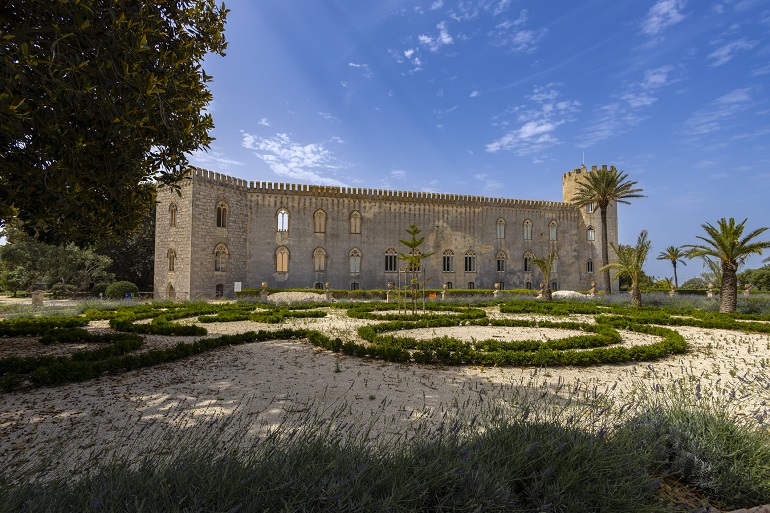
Situated 15 kilometres outside Ragusa, Donnafugata Castle is a magnificent noble residence that showcases an eclectic blend of architectural styles, including neo-Gothic, neoclassical and Baroque elements. The castle features 122 rooms, of which 22 are open to the public, all furnished with original period pieces that transport visitors to the opulent world of 18th-century Sicilian aristocracy. The stunning façade is adorned with crenellated turrets, elegant trefoil arches and a double-colonnaded loggia, whilst the surrounding 8-hectare park boasts delightful attractions including a stone labyrinth, a circular temple, the Coffee House and artificial caves. The castle's name, derived from either the Arabic 'Ayn As Jafat' (source of health) or the Italian 'donna fugata' (fugitive woman), is steeped in legend, and the property has served as a filming location for notable productions such as 'Il Gattopardo' and 'Inspector Montalbano'.
Local Cuisine
Ragusa's cuisine stands apart from typical Sicilian fare, with a distinctive focus on hearty meat, corn and legume dishes rather than seafood, despite its coastal location. The area is particularly renowned for its exceptional cheeses, including the protected-status caciocavallo ragusano. Local specialities include scaccia, a stuffed flatbread filled with ricotta, sausage or vegetables, and traditional ravioli served with a rich pork sauce. The region's pasta dishes are particularly noteworthy, with favourites such as cavatelli alla Norma featuring aubergines and ricotta, whilst sweet-toothed visitors should sample the mucatoli, delightful biscuits stuffed with dried fruits.
Shopping
In Ragusa Superiore, visitors will find everyday shops, businesses and the large Le Masserie shopping centre, which houses more than fifty stores including clothing, accessories, shoes, jewellery, electronics, bookstores and a supermarket. Meanwhile, Ragusa Ibla caters more to tourists with speciality food shops where visitors can browse, sample and purchase local delicacies. The speciality stores are particularly worth visiting for local products like Modica chocolate, Caciocavallo Ragusano cheese, and regional cured meats.
Nature in and around Ragusa
The Irminio River Nature Reserve, located near Marina di Ragusa, features Mediterranean bush, sand dunes, and an enchanting beach. The Pino D'Aleppo Nature Reserve, established to protect indigenous Aleppo pine formations, extends between Ragusa, Vittoria, and Comiso, offering a glimpse of rare flora and fauna. The Hyblean Mountains, actually a limestone plateau carved by numerous canyons, provide opportunities for hiking and nature walks. The Randello Nature Reserve, situated between Punta Braccetto and Scoglitti, boasts 157 hectares of pine forest and Mediterranean vegetation, along with a picturesque sandy beach. For those interested in coastal landscapes, the Park of Costa di Carro in Scicli offers a four-kilometre path with stunning views of sandy and pebbly beaches interspersed with rock formations.
Getting Around
The nearest airport to Ragusa is Comiso, located 15km away, though it primarily serves domestic routes and limited European flights. Most visitors arrive via Catania Airport, 90km away, which offers more extensive connections. From Catania Airport, direct buses run to Ragusa via Etna Trasporti, taking about 2 hours. Within Ragusa, local buses connect Ragusa Superiore (upper town) with Ragusa Ibla (old town), with lines 11 and 33 operating Monday to Saturday and line 1 on Sundays. The journey between the station and Ibla takes just 5 minutes and costs €1-3. For regional travel, AST operates bus services to nearby towns like Modica, Scicli, Noto and Siracusa, whilst Tumino runs services to coastal areas including Marina di Ragusa. In summer, the special Treno del Barocco train connects Ragusa with other Baroque towns. For getting around the city centre, electric scooters are available through a mobile app covering Ibla, Centro Storico and the main shopping areas. Several car parks are available outside Ibla, with the main paid parking located in the valley below Piazza della Repubblica.
Best Time to Visit
The best time to visit Ragusa in Italy is during the spring months of April to June or the autumn months of September to October. During these periods, the weather is pleasantly mild, with temperatures ranging from 15°C to 26°C, making it ideal for exploring the city's charming streets and historical sites without the sweltering heat of summer or the chill of winter. These shoulder seasons also offer the advantage of fewer tourists, allowing for a more authentic experience of the city's culture and attractions. Additionally, spring and autumn in Ragusa provide opportunities to witness local festivals and enjoy the region's culinary delights, such as the 'Scale del Gusto' food festival in October. However, if you're keen on beach activities, the summer months of July and August offer perfect weather for enjoying the nearby coastal areas, albeit with larger crowds and higher temperatures.