


| Contents |
|---|
Introduction
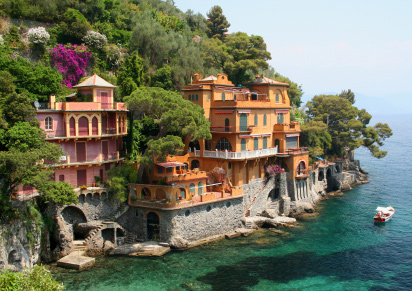
Nestled along the picturesque Italian Riviera, Portofino is a charming coastal gem that captivates visitors with its stunning natural beauty and timeless elegance. This small fishing village, transformed into a glamorous retreat, boasts a crescent-shaped harbour surrounded by colourful pastel houses, lush olive groves, and verdant hillsides. With its crystal-clear turquoise waters, exclusive beaches, and rich history dating back to Roman times, Portofino offers a perfect blend of luxury and authenticity. Whether you're exploring the cobblestone streets, indulging in fresh seafood at waterfront restaurants, or embarking on scenic coastal hikes, this enchanting destination promises an unforgettable experience that embodies the very essence of la dolce vita.
Interesting Facts about Portofino
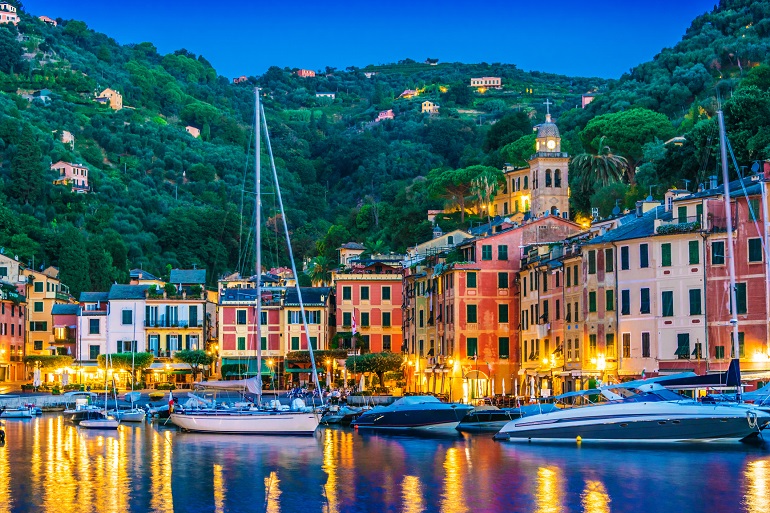
- Portofino's iconic harbour is surrounded by vibrantly coloured houses that appear like a theatre set around the natural bay.
- The village hosts an annual underwater Nativity scene called "Presepe Subacqueo" in its marine protected area.
- Portofino Mountain reaches 612 metres high, offering hiking trails through Mediterranean macchia vegetation.
- Local fishermen still use traditional leudo boats with distinctive lateen sails for coastal transport.
- The Church of St. Martin features an unusual trompe-l'œil dome painted during 19th-century renovations.
- Portofino's lighthouse, built in 1917, remains operational with a visible range of 25 nautical miles.
- Gulf of Tigullio waters near Portofino contain rare red coral formations protected by conservation laws.
- The village's main beach, Spiaggia dell'Olivetta, measures just 30 metres in length due to the rocky coastline.
- Portofino's microclimate allows palm trees and tropical plants to thrive despite its northern location.
- Celebrity visitors have included Aristotle Onassis, Elizabeth Taylor and Walt Disney since the 1950s.

History
Portofino's history stretches back to Roman times when Pliny the Elder referred to it as Portus Delphini (Port of the Dolphin), named for the dolphins that graced its waters. The village was first officially documented in 986 when Adelaide of Italy assigned it to the Abbey of San Fruttuoso di Capodimonte. Throughout its fascinating history, Portofino changed hands numerous times, belonging variously to the Republic of Genoa, Florence, and prominent families such as the Fieschi, Spinola, and Doria. The town's transformation from a modest fishing village to a glamorous resort began in the late 19th century when British and Northern European aristocrats discovered its charms, arriving by horse and cart from Santa Margherita Ligure. By 1950, tourism had supplanted fishing as the primary industry, though the village still retains much of its authentic character, with fishermen's nets and fresh catches displayed at the harbour serving as reminders of its humble origins.
Main Attractions
Town Centre
Piazza Martiri dell'Olivetta
The beating heart of Portofino, this famous square represents the essence of Italian dolce vita. Surrounded by a rainbow of pastel-coloured buildings, the piazza has hosted countless celebrities and remains the social centre of the village. High-end boutiques, traditional cafés, and excellent restaurants line the square, while luxury yachts bob in the harbour just steps away. The atmosphere here changes throughout the day, from peaceful morning coffee scenes to bustling afternoon shopping and elegant evening aperitivos.
Via dei Fondachi
This charming narrow street represents one of Portofino's most authentic corners. The path winds through the oldest part of the village, passing traditional fishermen's houses painted in typical Ligurian colours. Small artisan workshops, local galleries, and family-run restaurants line the street, offering visitors a glimpse into the real life of this famous village.
Historical Sites
Church of San Martino
Nestled in the heart of the old town, the Church of San Martino represents one of Portofino's oldest religious buildings. Its simple yet elegant façade belies an interior rich with baroque decorations and precious artworks. The church houses several notable pieces, including a 19th-century wooden statue of the Virgin Mary and impressive marble altars. The building's bell tower, dating back to the medieval period, remains one of the village's most recognisable landmarks.
Castello Brown
Perched majestically above Portofino's harbour, Castello Brown stands as a testament to the region's rich history. This 16th-century fortress-turned-museum offers visitors an unparalleled glimpse into the past whilst providing some of the most breathtaking views of the Ligurian coastline. The castle's meticulously maintained gardens feature Mediterranean flora, pergolas draped with wisteria, and quiet corners perfect for contemplation. Inside, visitors can explore period furniture, historical photographs, and temporary art exhibitions. The castle's position makes it particularly stunning at sunset, when the golden light bathes the structure and creates perfect photo opportunities.

Church of San Giorgio
Standing proudly on the promontory overlooking the harbour, the Church of San Giorgio represents a perfect example of Romanesque-Lombard architecture. This yellow-hued church, rebuilt after World War II, houses precious relics brought back from the Crusades, including relics of St. George himself. The church's interior features beautiful frescoes and maritime-themed decorations that reflect Portofino's seafaring heritage. Its position offers perhaps the most iconic view of Portofino, making it a favourite spot for wedding ceremonies and photography enthusiasts.
San Fruttuoso Abbey
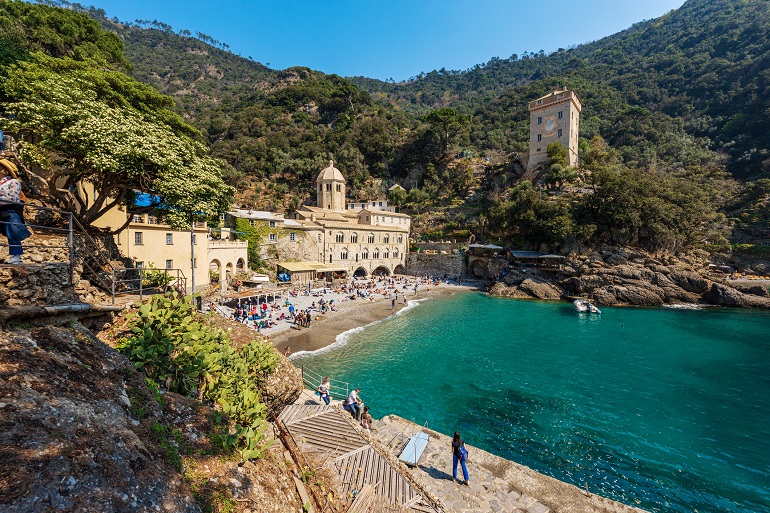
This remarkable 10th-century abbey, accessible only by boat or foot, represents one of the Italian Riviera's most unique attractions. The abbey seems to emerge directly from the sea, nestled in a small cove between emerald waters and green mountains. The complex includes a church, a small museum, and ancient tombs of the Doria family. The waters in front of the abbey hide the famous Christ of the Abyss statue, submerged 15 metres below the surface, making this location popular with divers and snorkelers.
Portofino Tower
This 16th-century watchtower, known locally as Torre di Portofino, stands guard over the village from its strategic position on the headland. The tower once formed part of the village's defensive system against pirate raids. Today, it offers visitors spectacular views of the coastline and serves as a reminder of Portofino's strategic importance throughout history.
Nature in and around Portofino
Portofino Regional Park
Established in 1935, the Portofino Regional Park encompasses over 80 kilometres of well-maintained trails over 1,200 hectares of Mediterranean wilderness, featuring chestnut, hazel, pine and olive trees. The park features a network of well-marked trails suitable for all fitness levels, from gentle coastal walks to challenging mountain hikes. The park's diverse ecosystem supports approximately 900 plant species and abundant wildlife, including blackbirds, jays and peregrine falcons. The promontory, crowned by Monte Portofino at 616 metres above sea level, dramatically divides the Tigullio Gulf from the Paradise Gulf, offering breathtaking vistas across the Tyrrhenian Sea where lucky visitors might spot dolphins or whales. The area's unique geography creates varied microclimates, from sun-drenched coastal cliffs to cool mountain forests, whilst the crystalline waters of the Protected Marine Area harbour the famous underwater Christ of the Abyss statue, visible to snorkellers on clear days.

Portofino Lighthouse
Known locally as 'Faro di Portofino', this iconic lighthouse stands sentinel at the tip of the promontory. The walk to reach it is an experience in itself, leading visitors through olive groves and past luxury villas. Though the lighthouse remains operational and closed to the public, the surrounding area offers numerous vantage points for photographers and nature lovers. On clear days, visitors can see as far as Corsica, and the sunset views from this location are simply unforgettable.
Marine Reserve
The Protected Marine Area of Portofino offers some of the Mediterranean's most pristine waters. The reserve covers three distinct zones with varying levels of protection, each offering unique experiences for visitors. The underwater environment features rich coral formations, sea caves, and diverse marine life including groupers, moray eels, and even dolphins. Diving centres offer courses and guided excursions for all skill levels, while glass-bottom boat tours provide a dry alternative for observing the underwater world.
Bay of Paraggi
This small but stunning bay between Santa Margherita Ligure and Portofino features the area's only sandy beach. The crystal-clear emerald waters make it perfect for swimming and snorkelling. The bay is sheltered from winds, creating ideal conditions for stand-up paddleboarding and kayaking. Several beach clubs offer sunbeds and umbrellas, while waterfront restaurants serve fresh seafood with spectacular views.
Spiaggia dell'Olivetta
This hidden beach, accessible via a scenic pathway, offers a more authentic and less crowded experience than Portofino's main areas. The small pebble beach is surrounded by Mediterranean vegetation and crystal-clear waters. Local fishermen often dock their traditional boats here, creating a picturesque scene that feels unchanged by time. The beach's western orientation makes it particularly beautiful during sunset.
Local Cuisine
Portofino's culinary heritage perfectly embodies the essence of Ligurian cuisine, where the bounty of both sea and mountains creates a harmonious blend of flavours. The local gastronomy centres around light, fresh ingredients, with seafood playing a starring role—particularly the prized Santa Margherita Red Shrimp. The region's famous basil-based pesto sauce is often served with mandilli, a distinctive sheet-like pasta, whilst the iconic Ligurian focaccia offers a delightfully crunchy exterior and soft interior. Local specialities include traditional dishes such as pansoti with walnut sauce, stuffed vegetables, and vegetable pies, all enhanced by the area's aromatic herbs and the delicate extra virgin olive oil produced from local olives. For pudding, one mustn't miss the paciugo, Portofino's signature dessert invented in 1941, featuring layers of gelato, fresh fruit, and Amarena cherries. The dining scene ranges from casual trattorias to elegant restaurants, many offering stunning views of the picturesque harbour.
Shopping
Portofino offers an exclusive shopping experience that draws discerning visitors from around the globe. The picturesque Piazzetta and its surrounding cobbled alleyways are home to a dazzling array of high-end boutiques, featuring prestigious fashion houses such as Gucci, Prada, Louis Vuitton, Dior, and Dolce & Gabbana. Beyond the luxury fashion scene, shoppers can discover charming artisanal shops selling handcrafted ceramics, local wines, and authentic Italian souvenirs. The shopping district extends along Via Roma, which runs parallel to the waterfront, where additional designer boutiques showcase exquisite jewellery, accessories, and clothing. Whether you're seeking haute couture, handmade treasures, or simply enjoying some window shopping whilst strolling through this enchanting fishing village, Portofino's sophisticated retail offerings perfectly complement its stunning coastal setting.
Getting There & Around
Getting to Portofino is a straightforward affair, with several transport options available. The most convenient route is taking a train from Genoa to Santa Margherita Ligure-Portofino station (€3.60), followed by either bus 782 (€5 return) or a scenic bike ride along the coast. During summer months, ferry services operate from Genoa, offering a delightful maritime approach to this glamorous harbour town. Once in Portofino, you'll find the village centre is entirely pedestrianised, making walking the primary mode of transport. The nearest airport is Genoa Cristoforo Colombo, situated roughly 45 kilometres away. For those seeking a more luxurious arrival, chauffeur services and water taxis are readily available, though these command premium rates. Do note that if arriving by car, you'll need to park outside the village borders, where parking fees tend to be rather steep.
Best Time to Visit
The best time to visit Portofino, Italy, is during the late spring (May to June) or early autumn (September to October). During these months, you'll enjoy pleasant temperatures ranging from 15°C to 25°C, perfect for exploring the charming streets and beautiful harbour. The weather is mild and sunny, ideal for outdoor activities and al fresco dining. These shoulder seasons also offer the advantage of fewer crowds compared to the bustling summer months, allowing for a more relaxed experience of this Italian Riviera gem. Additionally, you'll find lower hotel rates and a more peaceful atmosphere, whilst still being able to enjoy most attractions and restaurants that may close during the winter months.