


| Contents |
|---|
Introduction
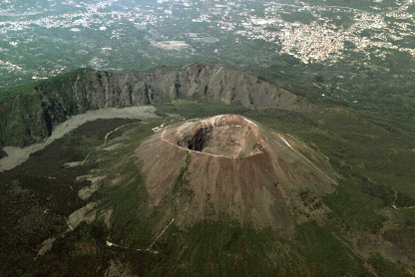
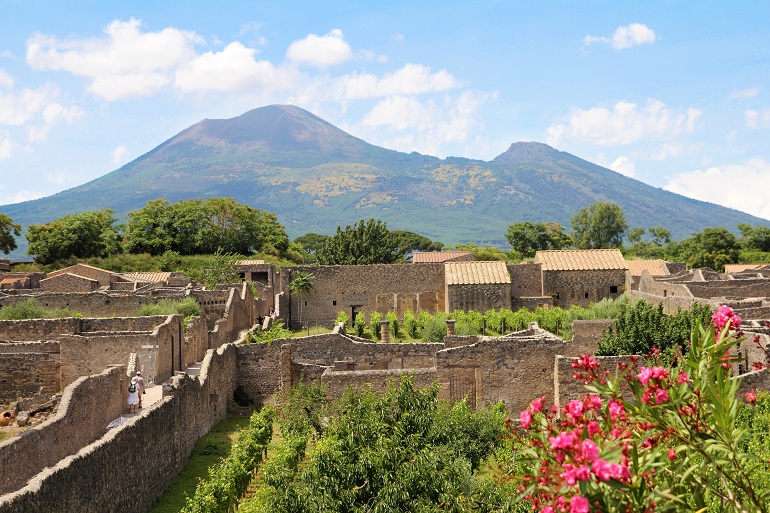
Nestled in the heart of the Bay of Naples, Vesuvius National Park stands as a testament to both natural grandeur and geological might, encompassing the iconic Mount Vesuvius, one of the world's most famous active volcanoes. This remarkable protected area, established in 1995, sprawls across 8,482 hectares of diverse Mediterranean landscapes, featuring ancient lava flows, rich volcanic soils that nurture unique flora, and panoramic walking trails that offer breathtaking views of Naples and its surrounding bay. The park's centrepiece, Mount Vesuvius, whilst being a powerful reminder of nature's raw force, particularly known for its catastrophic eruption in 79 CE that buried Pompeii and Herculaneum, now draws nearly half a million visitors annually who brave the summit trail to peer into its crater and marvel at the spectacular vistas of the Campanian countryside.
Geography and Landscape
Vesuvius National Park, situated in the Province of Naples, encompasses approximately 72.5 square kilometres of dramatic volcanic landscape overlooking the Gulf of Naples. The park's centrepiece is the iconic Mount Vesuvius, an active volcano that dominates the surrounding terrain.
Topographical Features
The Somma-Vesuvius Complex
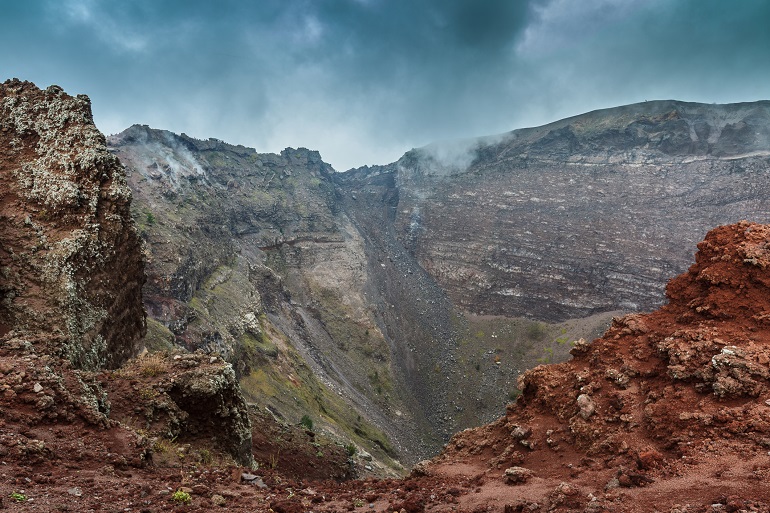
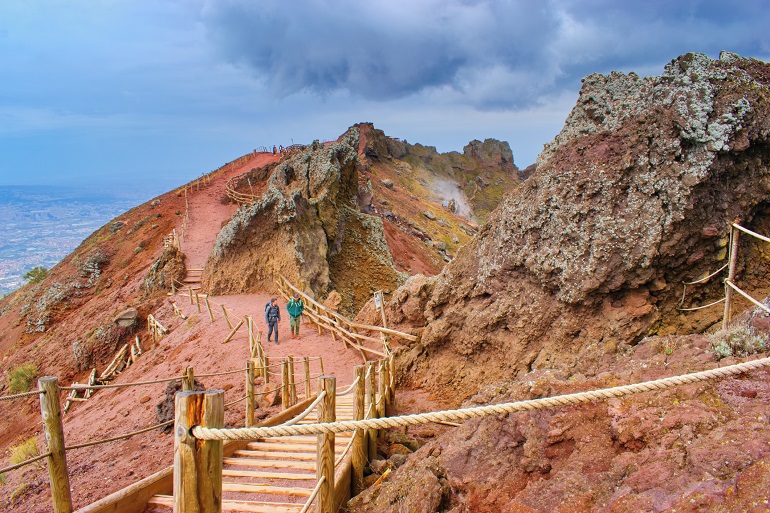
The park features a distinctive "humpbacked" peak comprising two main structures: the Gran Cono (Mount Vesuvius) and Monte Somma. The Gran Cono reaches a height of 1,281 metres, featuring a crater with a diameter of 450 metres and a depth of 300 metres.
Monte Somma
The ancient volcano Monte Somma forms an arc-shaped ridge reaching 1,132 metres at Punta Nasone. It partially encircles Vesuvius to the north, with a base diameter of nearly 15 kilometres.
Geological Characteristics
Volcanic Formations
The landscape showcases various volcanic features formed through centuries of activity. Deep grooves called "lagni" score the surface, carved by water erosion, while dark volcanic rocks dominate the terrain.
Valle del Gigante
Between Monte Somma and Vesuvius lies the Valle del Gigante (Giant's Valley), now largely covered by centuries of lava flows. This valley represents a section of an ancient caldera from which modern Vesuvius emerged.
Trail Network
The park offers 11 paths totalling 54 kilometres of walkways. The main route traverses the western side of the crater rim, offering spectacular views across Campania and Lazio. A new circular route around the entire crater is currently under construction.
The park's varied terrain ranges from rugged lava fields to steep volcanic slopes, creating a dramatic landscape that draws visitors from around the world. Despite its relatively small size, it remains one of Italy's most geologically significant national parks.
Flora and Fauna
The Vesuvius National Park is a remarkable sanctuary of biodiversity, where the volcanic landscape has fostered an extraordinarily diverse ecosystem.
Flora
The park harbours an impressive 906 different plant species, showcasing the remarkable regenerative power of nature following volcanic activity. The pioneering Stereocaulon vesuvianum lichen, with its distinctive grey, coral-like appearance, initiates the colonisation of cooled lava, creating conditions for other plants to flourish.
The vegetation varies distinctly between Mount Vesuvius and Mount Somma:
- Vesuvius slopes feature Mediterranean vegetation with pine and holm oak forests
- Somma's damper slopes support Apennine-type woodland with chestnut, oak, alder and maple trees
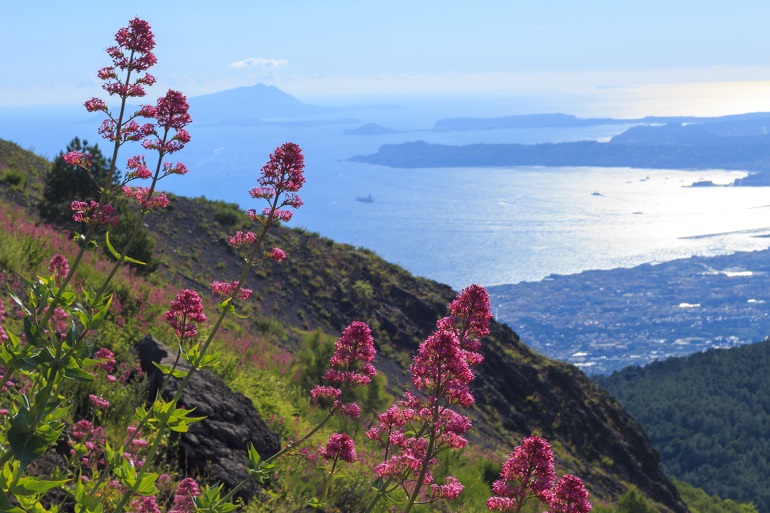
A particular highlight is the presence of 23 species of wild orchids, which are protected under the Washington Convention. The park is also famous for its vibrant displays of broom species, including the Spanish broom, Scotch broom, and the Etna broom, whose yellow flowers create spectacular seasonal displays.
Fauna
The park serves as a crucial zoogeographic intersection, hosting an impressive array of wildlife despite its modest size.
Mammals
The park is home to 29 mammal species, mostly nocturnal creatures. Common residents include:
- Foxes and weasels
- Wild rabbits and European hares
- Various species of dormice
Birds
An impressive 150 bird species have been recorded in the park. Visitors might spot:
- Birds of prey such as buzzards and kestrels
- Woodland species like great spotted woodpeckers and coal tits
- Migratory visitors including bee-eaters and marsh harriers
Reptiles and Amphibians
The park hosts eight species of reptiles, including the Mediterranean house gecko and the impressive Aesculapian snake, one of Europe's largest non-venomous snakes.
This rich biodiversity makes the Vesuvius National Park one of Italy's most visited protected areas, offering visitors a unique opportunity to experience both volcanic landscapes and thriving ecosystems.
Activities and Attractions
Vesuvius National Park offers a wealth of activities and attractions for visitors, centred around its iconic volcano and rich natural and historical heritage. Here's what you can experience in this remarkable Italian national park:
Hiking the Gran Cono
The most popular and thrilling activity in the park is undoubtedly the hike to the Gran Cono (Great Cone) of Mount Vesuvius. This moderately challenging trail takes about 30 minutes to ascend and offers breathtaking panoramic views of the Gulf of Naples. At the summit, you can peer into the crater of mainland Europe's only active volcano, with visible steam vents serving as a reminder of its latent power.
Exploring Scenic Trails
The park boasts several other fascinating trails for nature enthusiasts:
- Valle dell'Inferno (Valley of Hell): A longer path through dramatic volcanic landscapes, featuring lava domes and unique vegetation.
- Cognoli di Ottaviano: Known for its panoramic views, this trail winds through pine forests and reveals unusual lava formations.
- Trail to Monte Somma: An alternative route for those seeking to explore the dormant part of the volcano, offering views of ancient lava flows and surrounding farmland.
Visiting Archaeological Sites
The park's vicinity is rich in historical treasures:
- Ruins of Herculaneum: These well-preserved ruins offer a glimpse into ancient Roman life.
- Antiquarium of Boscoreale: A museum showcasing artefacts from the Vesuvian area.
- Villa Augustea in Somma Vesuviana: An ancient Roman villa with historical significance.
Exploring Museums
Several museums in and around the park provide insight into the area's volcanic and cultural history:
- Vesuvius Observatory: Learn about the volcano's geological history and current monitoring efforts.
- Virtual Archaeological Museum of Herculaneum (MAV): Experience ancient history through modern technology.
- Museum of Rural Arts, Crafts, and Popular Traditions: Discover the local cultural heritage.
Wine Tasting
The volcanic soil of Vesuvius creates a unique terroir for wine production. Many visitors enjoy tours and tastings at local vineyards, particularly those producing the renowned Lacryma Christi wine.
Guided Tours
For a comprehensive experience, consider taking a guided tour that combines multiple attractions:
- Vesuvius and Pompeii All-Inclusive Tour: This tour offers a seamless trip exploring both the ancient ruins of Pompeii and the crater of Mount Vesuvius.
- Mount Vesuvius Crater Tour with Vineyard Lunch: Combine the thrill of climbing the volcano with a relaxing wine tasting experience.
Remember to check the park's official website for the most up-to-date information on trail conditions, guided tours, and any potential closures due to volcanic activity. Proper footwear and weather-appropriate clothing are essential for a safe and enjoyable visit to this extraordinary national park.
Accommodation
Accommodation options around Vesuvius National Park offer visitors a range of choices to suit different budgets and preferences. Most lodgings are situated within a 5-7 kilometre radius of the park's visitor centre.
Types of Accommodation
Hotels and Resorts
Traditional hotels in the area typically start from €30 per night, with luxury establishments commanding rates of up to €150 per night. Many feature amenities such as swimming pools, restaurants, and terraces offering panoramic views of Mount Vesuvius.
Bed & Breakfasts
B&Bs represent the most common accommodation type in the region, offering a more intimate and authentic Italian experience. These establishments generally include complimentary local breakfast and often feature private gardens or terraces. Prices typically range from €40-90 per night.
Key Features
Location Benefits
Most accommodations are strategically positioned to provide easy access to both the national park and other notable attractions, including Pompeii Archaeological Park and Herculaneum.
Amenities
Common facilities across properties include:
- Free Wi-Fi
- Parking facilities
- Garden or terrace areas
- Luggage storage
- Air conditioning
Seasonal Considerations
Accommodation prices fluctuate seasonally, with peak rates during summer months (June-September). Weekend stays typically command higher prices, with average rates around €77 per night. For better value, consider booking during shoulder season or weekdays.
Gastronomy
The Vesuvius National Park offers an extraordinary gastronomic heritage, where volcanic soil creates ideal conditions for producing some of Italy's most distinctive ingredients and wines.
Agricultural Treasures
The fertile volcanic terrain yields exceptional produce, including the renowned Piennolo tomatoes, which are cherished for their intense sweet-sour flavour and remarkable preservation qualities. These special tomatoes are traditionally hung in clusters and can be preserved until Christmas, making them a cornerstone of Neapolitan cuisine.
Signature Products
The park's agricultural bounty extends beyond tomatoes to include:
- Pellecchiella apricots in numerous varieties, including boccuccia and baracca
- Malizia and durona cherries
- Catalanesca grapes, introduced by Spanish settlers
- Fragrant pine nuts from the forests at Vesuvius's base
Wine Production
The slopes of Vesuvius are home to prestigious vineyards producing Lacryma Christi, one of Italy's most internationally recognised wines. Local indigenous grape varieties include Piedirosso and Caprettone, cultivated by family-run vineyards that maintain traditional winemaking methods.
Culinary Experiences
Visitors can immerse themselves in the local gastronomy through cooking classes and wine tastings at establishments like Cantina del Vesuvio, where they can learn to prepare traditional dishes whilst enjoying panoramic views of the volcano. These experiences typically include:
- Fresh pasta making
- Traditional recipe instruction
- Wine pairing sessions
- Sampling of local olive oils
The combination of volcanic terroir, centuries-old agricultural traditions, and modern culinary expertise makes the Vesuvius National Park a compelling destination for food enthusiasts seeking authentic Italian flavours.
Best Time to Visit
The ideal time to visit Vesuvius National Park is during the spring (April to early June) or autumn (September to October) months. These seasons offer the most pleasant weather conditions and stunning natural scenery, making your visit to this iconic volcano truly memorable.
Spring: A Burst of Colour and Comfort
Spring is particularly enchanting at Mount Vesuvius. From April to early June, the volcanic slopes come alive with a vibrant display of colourful wildflowers. The weather during this period is comfortably warm, with clear skies providing excellent visibility for breathtaking views of the Bay of Naples and beyond. May and June are especially delightful, offering perfect conditions for hiking and photography.
Autumn: Mild Weather and Fewer Crowds
September and October present another excellent window for visiting Vesuvius National Park. The summer heat subsides, leaving behind pleasantly mild temperatures ideal for exploring the crater and surrounding trails. Autumn also brings a quieter atmosphere, as the peak tourist season winds down, allowing for a more serene experience of the volcano's majesty.
Considerations for Other Seasons
Summer (July and August): While the park is open year-round, the summer months can be challenging due to intense heat and larger crowds. If you must visit during this period, plan for early morning or late afternoon hikes to avoid the midday sun.
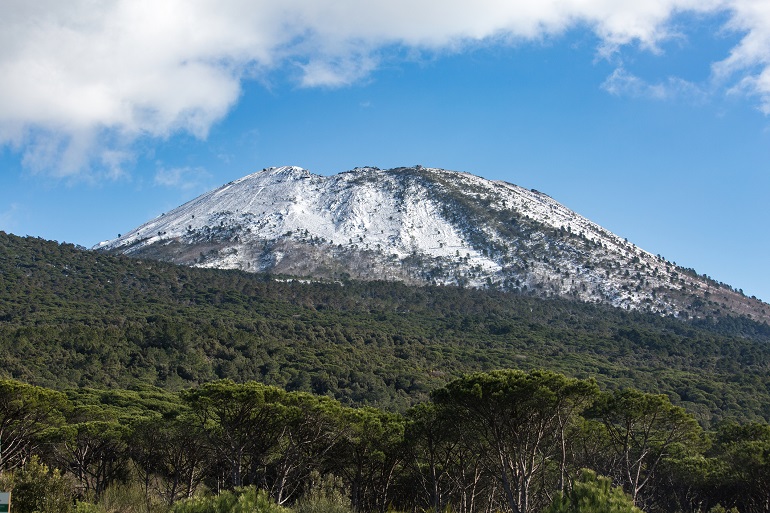
Winter (November to March): Winter visits can offer a unique perspective of Vesuvius, with occasional snowfall creating a serene landscape. However, be prepared for colder temperatures, potential trail closures, and limited visibility on some days.
Opening Hours and Best Times
Vesuvius National Park's opening hours vary seasonally:
- April to June and September: 9:00 to 17:00
- July and August: 9:00 to 18:00
- March and October: 9:00 to 16:00
- November to February: 9:00 to 15:00
For the best experience, arrive early in the morning to enjoy cooler temperatures and smaller crowds, especially if visiting during the warmer months.
Tips for Your Visit
- Book your tickets online in advance to ensure entry and avoid queues.
- Wear sturdy walking shoes and bring sun protection, regardless of the season.
- Carry water and light snacks, particularly during warmer months.
- Check the weather forecast before your visit, as poor conditions can affect visibility and trail access.
- Allow approximately 2-3 hours for your visit, including the hike to and from the crater.
By planning your visit to Vesuvius National Park during the spring or autumn months and following these tips, you'll be set for an unforgettable experience exploring one of Italy's most famous natural wonders.
Getting There and Around
Getting to Mount Vesuvius National Park is straightforward, with several transport options available depending on your starting point.
By Public Transport
From Naples
The journey begins at Naples Central Station (Piazza Garibaldi), where you can take the Circumvesuviana train towards either Sorrento or Poggiomarino. You have two main options for the final leg:
- Alight at Ercolano Scavi station and take the Vesuvio Express shuttle, which operates hourly
- Disembark at Pompeii station and catch the EAV bus from Piazza Anfiteatro, with services running roughly every 50 minutes
From Pompeii
Buses depart from two locations:
- Piazza Anfiteatro (near the ruins entrance)
- Scavi Porta Marina Superiore (by the railway station)
The journey takes approximately 55 minutes and costs €3.10 one way.
By Car
Take the A3 motorway (Napoli-Salerno) and exit at either:
Torre del Greco Exit
- Follow the roundabout and continue for 300 metres
- Turn left, then right after 100 metres
- Follow signs to the Info Point and continue to the summit
Ercolano Exit
- Turn left onto Via Boscocatene
- Follow signs for Vesuvius
- Continue approximately 7 km to the main junction
Important Parking Information
- Private vehicles cannot park at the summit
- A dedicated car park is located 2km from the crater
- Advance parking booking is essential via parksuvio.it
- From the car park, you can either walk (30 minutes) or take a shuttle service
At the National Park
The park features 11 trails totalling 54 kilometres, though some may be temporarily closed for maintenance. The most popular route is Trail 5 (The Great Cono), which leads to the crater.
Trail Categories
- Six circular nature trails
- One educational trail
- One panoramic path
- One agricultural path
Remember to wear appropriate footwear and check weather conditions before visiting. The park authorities recommend arriving 15 minutes before your intended departure time if using shuttle services.
Conservation and Responsible Tourism
Vesuvius National Park, established in 1995, stands as a testament to Italy's commitment to preserving its natural heritage. Covering an area of approximately 8,482 hectares across 13 municipalities, the park plays a crucial role in protecting the unique biodiversity and geological features of the Vesuvian region.
Conservation Efforts
The park's primary objectives include:
- Biodiversity Protection: The park is home to over 900 plant species, including rare orchids and relict species like birch trees. It also provides habitat for diverse fauna, from invertebrates to mammals such as foxes and hares.
- Ecological Balance: Conservation initiatives focus on maintaining the delicate ecosystem of the volcanic landscape, which has been shaped by centuries of eruptions and subsequent recolonisation.
- Research and Monitoring: The park serves as a living laboratory for scientific studies, helping to unravel the complex dynamics of volcanic ecosystems and their resilience to natural disturbances.
Responsible Tourism
Visitors to Vesuvius National Park are encouraged to practice responsible tourism to minimise their impact on this fragile environment:
- Guided Hikes: The park offers 11 well-marked trails totalling 54 kilometres, including the popular 'Great Cone' path that leads to the volcano's crater. Visitors are advised to stick to designated paths and follow guide instructions.
- Environmental Education: The park authority promotes various educational programmes to raise awareness about ecological conservation and sustainable practices.
- Waste Management: A recent campaign by the park emphasises the importance of proper waste disposal, encouraging visitors to keep the park clean for future generations.
- Controlled Access: To manage visitor impact, access to the crater is strictly regulated, with a maximum of 360 hikers allowed per hour, divided into smaller guided groups.
By adhering to these guidelines and participating in responsible tourism practices, visitors can help preserve the natural wonder of Vesuvius National Park for years to come. The park's efforts in conservation and sustainable tourism serve as a model for balancing ecological preservation with public access, ensuring that this unique volcanic landscape remains a treasure for both current and future generations.
Visitor Centres and Educational Facilities
Museum and Cultural Centre
The Museum of the Vesuvius National Park, situated in Villa Regina, features five dedicated rooms showcasing the volcano's history, eruptions, and local flora and fauna. The facility includes:
- A state-of-the-art Multimedia Centre displaying panels and installations about pre-79 CE Vesuvian life
- An Auditorium that accommodates 324 visitors
- Exhibitions detailing the geological evolution of Somma-Vesuvius
Scientific and Archaeological Facilities
The Vesuvius Observatory, established in 1841, stands as a remarkable scientific institution housed in a neoclassical building. Visitors can explore:
- The exhibition "Vesuvius: 2000 Years of Observations"
- Real-time seismic and geochemical monitoring displays
- A collection of historical scientific instruments
Educational Programmes
The park places significant emphasis on environmental education through various initiatives:
- School twinning programmes with other protected areas
- Environmental awareness projects
- Educational partnerships with local municipalities
- Online learning programmes such as "Adottiamo il Parco" and "Millegiovani per il Parco"
Visitor Information
Opening hours vary seasonally for the crater visits:
- Winter months (January, February, November, December): 9:00 to 15:00
- Spring/Autumn (March, October): 9:00 to 16:00
- Peak season (April-September): 9:00 to 17:00 or 18:00
Admission fees:
- Standard entry: €10
- Student rate: €8
- Free entry for children under 120cm and visitors with 100% disability plus companion
The park administration strongly advises that entrance tickets for the 'Gran Cono' must be purchased online in advance.