Italy Guide  |
|---|
|
| | Top Italian Cities |
|---|
|
| | Italian Regions |
|---|
|
| | Europe Guide |
|---|
|
| | Travel Tools |
|---|
|
|
|
|
 Farmhouse at sunrise near Pienza and San Quirico d´Orcia in Tuscany. Farmhouse at sunrise near Pienza and San Quirico d´Orcia in Tuscany.
Introduction

Tuscany (Toscana in Italian) is the fifth largest and ninth most populous region of Italy. With a land area of 23,000 km² (8,900 sq mi) and 3.75 million inhabitants, Tuscany is about the same size as Israel or the US state of New Jersey, though half less populous than either of them. The region corresponds roughly to the original core of ancient Etruria, the cradle of Etruscan civilisation.
Tuscany is regarded as the true birthplace of the Italian Renaissance, and has been home to some many influential people in the history of arts and science (see below).
Tuscany has more World Heritage Sites than any other Italian region. The UNESCO list includes the historical centre of Florence, Siena, Pisa, San Gimignano and Pienza, as well as the Renaissance landscapes of the Val d'Orcia.
The Vespa, the iconic Italian brand of scooter is manufactured by Piaggio in Pontedera, in western Tuscany.
Famous people from Tuscany include (chronologically): the poet Dante Alighieri, the humanist and poet Petrarch, the humanist Giovanni Boccaccio, the architect Filippo Brunelleschi, the sculptor Donatello, the painter Sandro Botticelli, the statesman Lorenzo de' Medici, the mathematician Luca Pacioli, the polymath Leonardo da Vinci, the explorer and cartographer Amerigo Vespucci, the politician and philosopher Niccolò Machiavelli, the artist Michelangelo, the pysicist and astronomer Galileo Galilei, the children's writer Carlo Collodi (author of Pinocchio), the composer Giacomo Puccini, the painter Amedeo Modigliani, and the fashion designer Roberto Cavalli.
The first modern ice cream was developed at the Medici court in Florence in the 16th century.
Cuisine
Tuscan cuisine is characterised by its simplicity and the use of fresh, high-quality fruits, vegetables and herbs (basil, oregano, rosemary, sage, tarragon, thyme) from the Tuscan countryside, which also produces Italy's finest olive oil. Tuscans are proud of the Chianina and Maremmana cows, two of the world's oldest cattle breeds, whose meat is used for the famous bistecca alla fiorentina. Wild game, cured meats, and sausages are also widely consumed.
Tuscan culinary specialties include bistecca alla Fiorentina (thick T-bone steak grilled very rare and seasoned with salt, black pepper, and olive oil), casseruola alla Fiorentina (pasta and diced chicken breasts covered with a sauce of spinach, mushroom soup, garlic, cheese, herbs and sausage), lampredotto (cow's stomach served with tomato, onion, parsley and celery, and eaten in a bread roll), panzanella (salad of bread, tomatoes and olive oil, sometimes also with onions and basil), pappardelle sulla lepre (very broad flat egg noodles in a wild hare sauce), ribollita (potage made with bread and vegetables), and trippa alla fiorentina (tripe fried with vegetables and topped with tomato sauce and Parmesan cheese).
The history of viticulture in Tuscany dates back to the Etruscan civilisation, starting in the 8th century BCE. The region produces some of most appraised Italian wines, such as Brunello di Montalcino, Carmignano, Chianti, Vernaccia di San Gimignano, or Vino Nobile di Montepulciano. Tuscany has 6 Denominazioni di Origine Controllata e Garantita (DOCG), and 35 Denominazioni di origine controllata (DOC), the second most after Piedmont. 55% of Tuscan wines have a DOC(G) label.
The region's most famous biscuits are the cantuccini, also known as biscotti di Prato, twice-baked hard almond oval-shaped biscuits typically served with a glass of vin santo, a sweet dessert wine. The city of Siena is renowned for its ricciarelli (almond biscuit made with sugar, honey and egg white) and its panforte (a dense almond fruitcake), both dating back to the Middle Ages. In Florence, try the zuccotto (a chilled, dome-shaped dessert made with brandy, cake and ice cream) and schiacciata Alla Fiorentina (an orange-flavoured cake made for the Carnival).
Attractions
|
Northern Tuscany
| Lucca |
|---|

 Lucca, a charming Tuscan city encircled by remarkably preserved Renaissance walls from the 16th century, was originally settled by the Etruscans and later became a Roman colony in 180 BCE. The city's fascinating history is evident in its perfectly preserved rectangular Roman street layout and the oval-shaped Piazza dell'Anfiteatro, which follows the outline of an ancient Roman amphitheatre. One of its most distinctive landmarks is the 45-metre Guinigi Tower, crowned with a hanging garden of oak trees on its rooftop. The city flourished through its silk trade during the medieval period, producing the renowned Lucca cloth woven with gold or silver threads. Today, Lucca is celebrated as the birthplace of famous composers like Giacomo Puccini and Luigi Boccherini, and hosts Europe's largest comics and games festival. For food enthusiasts, local specialities include garmugia (a spring soup with artichokes and asparagus) and tordelli lucchesi (meat-stuffed pasta dressed with meat sauce). The city's elegant architecture, tree-lined walls perfect for cycling, and well-preserved historical centre make it one of Tuscany's most captivating destinations. |
| Pisa ※ |
|---|

Situated in Tuscany where the Arno River meets the Ligurian Sea, Pisa boasts a rich history dating back to Etruscan times, later becoming a Roman colony around 180 BCE. The city flourished as a powerful maritime republic during the Middle Ages, competing with Venice and Genoa for Mediterranean dominance. Beyond its iconic Leaning Tower, Pisa houses the world's first university botanical garden, established in 1543, and is home to the prestigious University of Pisa, where Galileo Galilei conducted his groundbreaking studies on pendulums and time measurement. The city's culinary heritage features delectable dishes like cacciucco (fish stew) and cecina (chickpea pancake), whilst its architectural splendour extends far beyond the famous Piazza dei Miracoli, encompassing diverse styles from Romanesque to Gothic, as exemplified by the intricate Santa Maria della Spina church along the Arno. The city retains much of its 6.5-mile circuit of medieval walls and features fascinating archaeological remains that confirm its significance as an ancient maritime centre. |
| Livorno (Leghorn) |
|---|
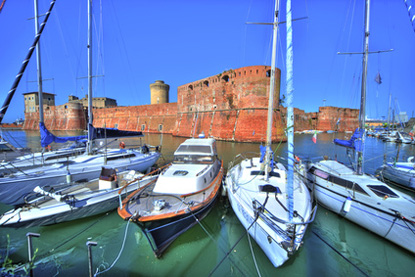
 Livorno, a vibrant port city in Tuscany, evolved from a humble fishing village into a strategic Mediterranean hub when the Medici family transformed it in the 16th century. The city's unique character shines through its "Little Venice" district, featuring charming canals originally built to transport goods in the 17th and 18th centuries. The local cuisine is a testament to its maritime heritage, with the renowned cacciucco (a rich fish soup) and cecina (a crispy chickpea cake) being must-try delicacies. The city's cultural significance is marked by its connection to the artist Amedeo Modigliani, who once had his atelier in the historic Vettovaglie Market. The stunning Mascagni Terrace offers breathtaking sea views and houses the "Four Moors" statue, where locals believe finding the precise spot to see all four noses simultaneously brings good fortune. Though heavily damaged during World War II, Livorno's resilient spirit endures in its bustling port, which remains one of the Mediterranean's largest, and its diverse attractions including the Tuscan region's biggest aquarium. |
| Pistoia ※ |
|---|
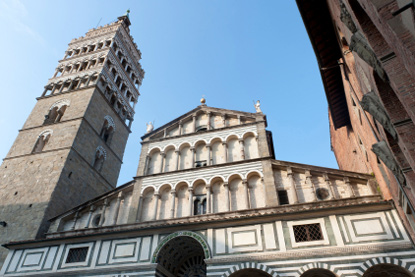
 Pistoia, a charming medieval city in Tuscany often called 'Florence in miniature', was originally established as Pistoria, serving as a centre for Gallic, Ligurian and Etruscan settlements before becoming a Roman colony. The city experienced its golden age after 1177 when it declared itself a free commune. Today, Pistoia is renowned for its ornamental plant industry, which accounts for 25% of Italy's total production. The city delights visitors with its fascinating underground passages, including an ancient anatomy amphitheatre and a 16th-century olive mill. Food enthusiasts can savour the unique 'zuppa del carcerato' (prisoner's soup), made with stale bread and meat broth, while nature lovers can explore the surrounding Apennine woods, rich with blueberries, raspberries, and blackberries. For music aficionados, the Pistoia Blues festival in July has hosted legendary performers like BB King and Jimmy Page. The city's historic centre, still enclosed by three ancient walls, was named the Italian Capital of Culture in 2017. |
| Collodi |
|---|

 Perched dramatically on a Tuscan hillside, the medieval village of Collodi cascades down the slope like a waterfall of houses, with an ancient fortress at its base and the majestic Villa Garzoni crowning its summit. This charming town gained worldwide recognition as the spiritual home of Pinocchio, as its name was adopted as the pen name by Carlo Lorenzini, who first published his famous puppet tale in a children's newspaper in July 1881. Beyond its literary heritage, Collodi offers visitors a remarkable blend of historical architecture, including medieval streets paved with ancient stones, fortified structures, and city gates that have survived centuries. Nature enthusiasts will be captivated by the Butterfly House, a stone and crystal greenhouse showcasing over a thousand butterfly species from across the globe. The village earned the prestigious Orange Flag (Bandiera Arancione) from the Touring Club Italia, recognising its excellence in tourism. Interestingly, the original version of Pinocchio's tale had a dramatically darker ending, with the puppet meeting his demise by hanging, before the author revised it due to young readers' protests. |
| Fiesole |
|---|
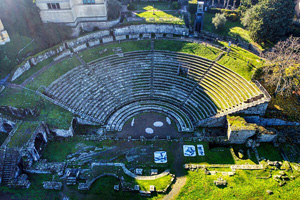
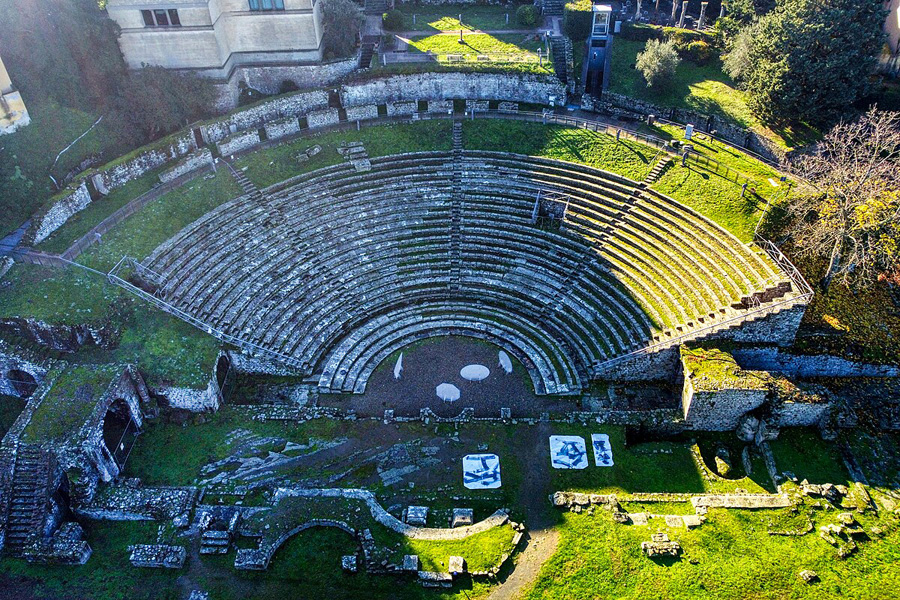
Perched on a hilltop overlooking Florence's iconic skyline, Fiesole offers a remarkable blend of history and scenic beauty just 20 minutes from Florence's centre. This ancient settlement, founded in the 9th-8th century BCE as Vipsul, was once a powerful Etruscan city that controlled trade routes linking central-southern Etruria to the Po Valley. Today, visitors can explore well-preserved Roman baths and one of Tuscany's finest Roman theatres, complete with original seating and tunnels. The town's archaeological treasures include Etruscan walls extending 1.5 miles, six ancient tombs, and more than 150 Greek and Etruscan ceramic pieces housed in the Civic Archaeology Museum. Beyond its historical significance, Fiesole delights visitors with excellent restaurants, ranging from ristorantes to pasticcerias, whilst offering spectacular views from the hilltop. The town's strategic importance eventually diminished after Florence conquered it in 1125 CE, following a dramatic ten-week siege that changed the region's power dynamics forever. |
| Florence (Firenze) ※ |
|---|

 Florence, founded as a Roman military colony in 59 BCE, sits gracefully on the Arno River and was the first European city to have paved streets in the 14th century. This enchanting Tuscan capital, home to 364,073 residents, is often called the Cradle of the Renaissance and houses approximately 30% of the world's most important artworks. The city's remarkable features include Brunelleschi's dome atop the cathedral, which remains the largest brick and mortar dome globally, and the world's oldest pharmacy, established in 1221. Florence's cultural significance extends beyond art - it's the birthplace of gelato, allegedly invented in the 16th century, and the Italian language itself, thanks to Dante Alighieri's works. The city once boasted over 100 defensive towers built by rival families, though these were later shortened when Florence became a republic. Today, visitors can explore the bustling Mercato Centrale for fresh local produce, savour the famous Bistecca alla Fiorentina (traditional T-bone steak), or wander through the Uffizi Gallery, all while experiencing a living museum where Renaissance masterpieces meet contemporary Tuscan life. |
| Prato |
|---|
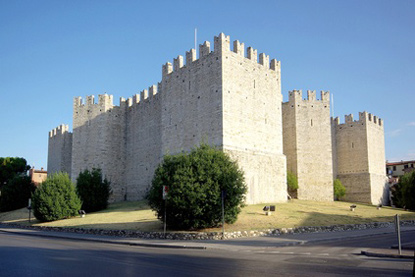
Nestled at the foot of Monte Retaia, Prato is Tuscany's second-largest city and a remarkable testament to Italy's rich heritage. The area has been continuously inhabited since Paleolithic times, with a significant Etruscan settlement discovered at Gonfienti that thrived until the 5th century BCE. The city's prosperity was built on its textile industry, which remains Europe's largest fashion district with about 7,000 companies. Prato offers visitors a delightful blend of natural beauty, with the Calvana Mountains and Monteferrato hills providing stunning backdrops for Nordic walking. The city's cultural legacy includes masterpieces by Renaissance artists like Donatello, Filippo Lippi, and Botticelli. Food enthusiasts can savour cantucci, a type of biscotti invented in Prato during the Middle Ages. The city's strategic location, just 20 kilometres northwest of Florence, contributed significantly to its historical development as a wealthy trading centre. Today, Prato continues to charm visitors with its well-preserved 14th-century ramparts, medieval streets, and the impressive Castello dell'Imperatore built between 1237 and 1245. |
| Tuscan-Emilian Apennines Regional Park
|
|---|
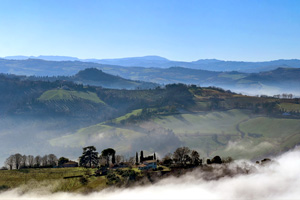
 The Tuscan-Emilian Apennines National Park, established in 2001, is a remarkable natural bridge between the Mediterranean and European worlds, spanning 24,000 hectares across four Italian provinces. The park boasts extraordinary biodiversity with more than 2,000 plant and animal species, including golden eagles and wolves, representing 70% of Italy's total biodiversity. From its highest peaks over 2,000 metres, visitors can marvel at both the Mediterranean Sea and the Alps on clear days, while exploring diverse landscapes from beech forests to mountain lakes, with opportunities for year-round activities including hiking, skiing, rock climbing, and mountain biking. The park received two UNESCO recognitions: as a MAB Reserve in 2015 and the Upper Secchia Valley as a World Heritage Site in 2023, featuring fascinating karst formations including the iconic Pietra di Bismantova rock formation. Ancient trade routes like the Via del Sale still cross the park today, testament to centuries of cultural exchange between different regions, while the area's rich culinary traditions reflect the unique meeting of mountain, sea, and plains influence. |
Other attractions
 Barga
Castiglioncello
Monastery of Camaldoli
Central Tuscany
| Tuscan Archipelago National Park
|
|---|
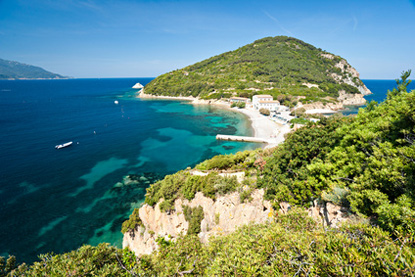
The Tuscan Archipelago National Park encompasses seven enchanting islands born, according to legend, from Venus's necklace gems falling into the Tyrrhenian Sea. Covering over 600 square kilometres of sea between Livorno and Argentario, the park features remarkably diverse geology: Capraia emerged from a submarine volcano nine million years ago, while Elba and Giglio boast granite formations, and Giannutri and Pianosa are limestone-based. The Etruscans and Romans mined iron ore here in antiquity. The archipelago teems with wildlife, including dolphins, sperm whales, and rare monk seals in its waters, whilst the local cuisine reflects this marine heritage through distinctive dishes like Elba cacciucco (a unique seafood soup) and sburrita (cod soup). The park's rich history is evident in archaeological sites such as the Roman Villa on Giannutri, whilst Pianosa served as a prison until 1998. Nature enthusiasts can explore Mount Capanne's trails on Elba, visit the Butterfly Sanctuary with 50 butterfly species, or discover Capraia's natural laboratory featuring 650 plant species and an endemic cornflower. |
| Portoferraio |
|---|

Portoferraio, the picturesque capital of Elba Island, boasts a fascinating history stretching back to ancient civilisations, with the Greeks naming the island Aethalia (meaning 'spark') due to the bright flames of its iron-smelting furnaces. The Romans, who arrived around 480 BCE, established luxurious villas and valued the island for its granite deposits, healing mud baths, and excellent wines. Today, visitors can explore the remarkably preserved 1st century BCE Villa Romana delle Grotte with its impressive mosaics and sea views. The city's Renaissance character emerged when Cosimo I de' Medici transformed it into 'Cosmopoli' in the 16th century, constructing formidable star-shaped fortifications that include Forte Stella, which houses one of Europe's oldest lighthouses. Local cuisine reflects the maritime heritage, with specialities including sburrita (a spiced fish soup) and gurguglione (a vegetable stew). The town's winding medieval streets, worn smooth by centuries of footsteps, lead visitors through a living museum of history, where pastel-coloured buildings and ancient stone staircases create an atmospheric journey through time. |
| Volterra |
|---|

Perched atop a 550-metre hill, Volterra was one of the twelve powerful Etruscan city-states known as Velathri. The city is renowned worldwide as the capital of alabaster craftsmanship, with workshops and galleries showcasing everything from modern art to household accessories crafted from this distinctive stone. Its rich natural resources, including copper, silver, and salt deposits, have been crucial to the city's prosperity throughout history. The landscape features rolling hills with clay-based soils ideal for wine production, though Volterra doesn't have its own DOC designation. The city boasts remarkable archaeological treasures, including a well-preserved Roman theatre from the Imperial period and a recently discovered amphitheatre unearthed in 2015. Modern Volterra blends history with contemporary culture, featuring innovative art installations like Mauro Staccioli's sculptures that complement the dramatic Tuscan landscape. Visitors can explore three significant museums with a combined ticket, while the 13th-century medieval walls, incorporating sections from the Etruscan period, still enclose much of the old town. |
| San Gimignano ※ |
|---|

Perched atop a hill in Tuscany, San Gimignano is a remarkably preserved medieval town that began as an Etruscan settlement in the 3rd century BCE. Its striking skyline features 14 medieval towers, the last survivors of an impressive 72 that once dominated the town, built by wealthy families competing for prestige. The town flourished as a crucial stop along the Via Francigena trade route between France and Rome, reaching a peak population of 12,000 during medieval times. Today, San Gimignano is renowned for its exceptional Gothic and Romanesque architecture, stunning frescoes by masters like Benozzo Gozzoli, and its acclaimed white wine, Vernaccia di San Gimignano, produced from ancient grape varieties grown on local sandstone hills. The town also boasts a world champion gelato shop and is famous for its locally produced saffron and pecorino cheese. Its historic centre, designated as a UNESCO World Heritage site, features two main squares: the triangular Piazza della Cisterna with its medieval well, and Piazza Duomo, both surrounded by magnificent medieval palazzos that transport visitors back in time. |
| Siena ※ |
|---|

Located at the heart of Tuscany, Siena is a beautifully preserved medieval city that flourished as a major banking centre in the 13th century and remains home to the world's oldest operating bank, Monte dei Paschi, established in 1472. The city's distinctive architecture features warm, reddish-brown buildings that inspired the colour 'sienna', and its historic centre, now a UNESCO World Heritage Site, is built upon three hills connected by Y-shaped streets that converge at the remarkable shell-shaped Piazza del Campo. Beneath the city lies an impressive medieval engineering feat called the Bottini, an intricate network of underground water tunnels. Siena is renowned for its twice-yearly Palio horse race, its significant contribution to Italian art through masters like Duccio di Buoninsegna and Simone Martini, and its prestigious University of Siena founded in 1240. The surrounding province produces some of Italy's finest wines, particularly Chianti, and serves as an important agricultural centre for olives and cereal grains. The city's fierce historical rivalry with Florence shaped much of its development and cultural identity, leading to the creation of numerous architectural masterpieces that still stand today. |
| Monteriggioni |
|---|

Monteriggioni is a remarkably preserved medieval walled town that stands as a testament to 13th-century Italian engineering and architecture. Its almost perfectly circular walls stretch for 570 metres and feature fourteen evenly spaced towers, which inspired its appearance in the popular video game Assassin's Creed 2. The town's strategic position between Florence and Rome is reflected in its two main gates: Porta Fiorentina facing north towards Florence and Porta Romana facing south towards Rome, with a straight road connecting them through the town centre. The town's main square, Piazza Roma, is dominated by a Romanesque church and surrounded by Renaissance-style houses that once belonged to nobles and wealthy merchants. Archaeological excavations near the town have revealed a rich history dating back to Etruscan times, with discoveries of pottery and early metallurgical artefacts demonstrating the sophisticated capabilities of its ancient inhabitants. |
| Arezzo |
|---|
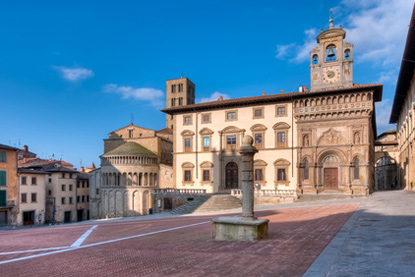
Perched on a hilltop 290 metres above sea level in southwestern Tuscany, Arezzo is a captivating city that overlooks four stunning valleys. This ancient settlement, dating back to 800 BCE, was a significant Etruscan centre before becoming part of the Roman Empire, where it flourished as a commercial hub thanks to the Via Cassia trade route. Today, this city of 100,000 inhabitants blends its rich history with modern vitality, hosting the renowned Saracino Joust twice yearly, where locals don medieval costumes to recreate historic tournaments. Arezzo's economy thrives on its world-famous goldsmith district, where over 2,000 companies craft exquisite jewellery following traditions that date back to Etruscan times. The city's cultural scene comes alive during its monthly antique market in the stunning Piazza Grande, whilst its culinary heritage showcases the bounty of the Val di Chiana, particularly known for its prized chianina beef and local wines. Nature enthusiasts can explore the surrounding Casentino area, with its lush forests and rolling hills perfect for cycling and hiking. The city also proudly claims fame as the birthplace of Guido Monaco, the inventor of musical notation, celebrating this legacy with an annual International Polyphonic Choral Competition. |
| Anghiari |
|---|
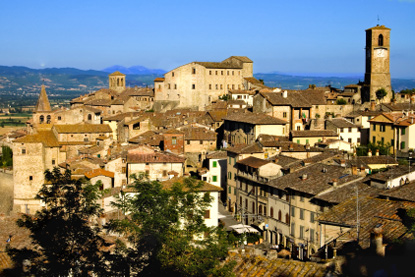
Perched dramatically on a stone hill overlooking the Tiber Valley, Anghiari is one of Italy's most beautiful medieval towns, still encircled by its impressive 13th-century walls. The town gained historical significance during the Battle of Anghiari in 1440, which secured Florentine rule and inspired a now-lost Leonardo da Vinci painting. Today, this charming settlement is renowned for its traditional woodworking crafts, preserved through the Anghiari School of Art, and its vibrant textile industry, exemplified by the historic Busatti textile mill. Nature enthusiasts can explore the 3,700-acre Monti Rognosi Nature Reserve, while food lovers can savour the region's prized truffles and porcini mushrooms. The town hosts several notable annual events, including a traditional spring craft fair and the Intrepida vintage bicycle race in October. Art aficionados will appreciate the town museum in Palazzo Taglieschi, which houses remarkable works including a wooden Madonna by Jacopo della Quercia and unique Della Robbian terracottas, alongside a rare working 16th-century table organ. |
| Cortona |
|---|
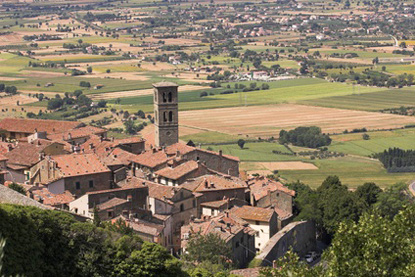
Founded by the Etruscans in the 8th century BCE, Cortona still showcases its ancient roots through remarkably preserved walls that have stood for over two millennia. The town's artistic legacy shines through works by renowned artists like Luca Signorelli and Beato Angelico, whilst its modern fame stems from Frances Mayes' "Under the Tuscan Sun". Cortona's culinary scene is particularly noteworthy, featuring local Sangiovese wines and the famous Chianina beef, celebrated annually at the Sagra della Bistecca festival in August. Visitors can explore winding cobblestone streets that open to breathtaking valley views, visit the Etruscan Academy Museum with its 5th-century CE bronze chandelier, or simply enjoy local Sangiovese wines in the town's numerous wine bars. |
Other attractions
 Castellina in Chianti
Greve in Chianti
Montalcino
Piombino
Radda in Chianti
San Galgano Abbey
Sansepolcro
Southern Tuscany
| Massa Maritima |
|---|

Perched atop a hill in southern Tuscany's Maremma region, Massa Marittima is a captivating medieval town with a rich mining heritage dating back to the third millennium BCE. This beautifully preserved settlement of 8,100 residents boasts a stunning triangular Piazza Garibaldi, surrounded by remarkable Gothic and Romanesque architecture. The town flourished in the 13th and 14th centuries CE, reaching its golden age with 10,000 inhabitants and even minting its own currency, the 'massetano grosso', thanks to its prosperous silver, copper and pyrite mines. Today, visitors can savour local delicacies like tortelli maremmani (ricotta and spinach-filled pasta) and wild boar dishes in charming trattorias, explore the town's Etruscan artefacts in the Archaeological Museum, and enjoy breathtaking views of the rolling Maremma countryside from the Parco di Poggio viewpoint. Despite its name suggesting proximity to the sea, Massa Marittima actually sits 18 kilometres inland, surrounded by Mediterranean scrub forests, vineyards, and olive groves. |
| Porto Santo Stefano |
|---|
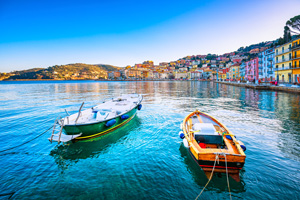
Perched elegantly on Monte Argentario's slopes in southern Tuscany, Porto Santo Stefano is a picturesque seaport town with crystalline waters and stunning coves like Cala Grande and Cala del Gesso. Originally named Portus Traianus, this ancient Roman settlement later evolved from a humble fishing village into a strategic Spanish military port in the 16th century, marked by the impressive Spanish Fortress that still dominates the townscape. The town's rich maritime heritage is reflected in its exceptional seafood cuisine, with local specialities including spaghetti alle vongole and frittura di mare, complemented by prestigious regional wines like Morellino di Scansano. During World War II, Porto Santo Stefano suffered extensive damage, becoming Italy's second-most bombed location after Cassino, but was later rebuilt to become a haven for international tourism. Today, the town maintains its fishing tradition with local pescatori setting out at dawn, while its colourful buildings with characteristic dark green persiane (shutters) create a quintessential Italian seaside atmosphere. |
| Val d'Orcia ※
|
|---|

 The Val d'Orcia, a breathtaking region in southern Tuscany, has been a UNESCO World Heritage site since 2004, celebrated for its perfectly preserved Renaissance landscape that stretches from the hills south of Siena to Monte Amiata. This remarkable area, whose clay deposits formed over five million years, features gentle undulating hills adorned with cypress trees, ancient farmhouses, medieval castles, and stone towers that have served as filming locations for numerous acclaimed films, including Gladiator and The English Patient. The region's extraordinary beauty inspired Renaissance painters, including Ambrogio Lorenzetti's 14th-century masterpiece in Siena's Palazzo Pubblico, and continues to captivate photographers today. The area is renowned for its exceptional culinary heritage, particularly the prestigious Brunello di Montalcino wine, flavourful Pecorino cheese, and handmade pici pasta. A fascinating piece of transport heritage runs through the valley: a 19th-century railway line that still operates steam engines and historic carriages for special occasions, despite regular service having ended in 1994. |
| Montepulciano |
|---|
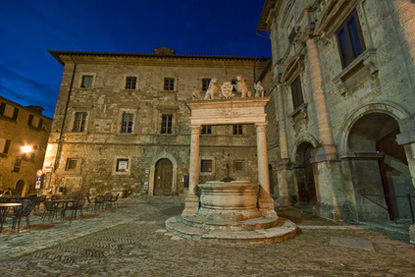
Overlooking the scenic Val d'Orcia and Val di Chiana valleys, Montepulciano became a cultural powerhouse during the 15th and 16th centuries, attracting renowned humanists and architects who adorned the town with magnificent Renaissance palazzos. The town's strategic position made it a frequent prize fought over between Florence and Siena until 1511, when it finally came under Florentine rule, as evidenced by the symbolic Florentine lilies and heraldic lions still visible on its buildings. Today, Montepulciano is celebrated for its Vino Nobile DOCG, a prestigious wine crafted from Prugnolo Gentile grapes, which a 17th-century poet dubbed the "king of all wines". The town maintains its vibrant cultural heritage through annual events like the "Bravio delle botti", an exciting barrel-rolling competition through its cobbled streets. Beyond its architectural splendour and viticultural excellence, the surrounding countryside enchants visitors with rolling hills, olive groves, and thermal springs. |
| Pitigliano |
|---|
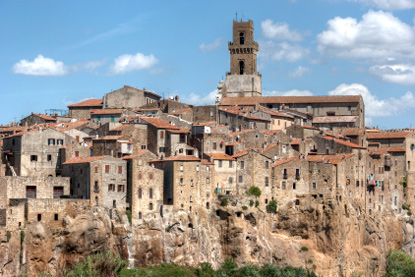
Often called 'Little Jerusalem', Pitigliano features one of Italy's oldest and best-preserved Jewish quarters, established in the 16th century when Jews found refuge here with greater cultural and economic freedoms than elsewhere in central Italy. The town's unique architecture seamlessly merges with the volcanic rock, creating an otherworldly appearance where houses seem to emerge directly from the cliff face. Pitigliano's culinary heritage blends Jewish and Tuscan traditions, featuring game-based dishes, fresh pasta like pici and pappardelle, and renowned local wines such as Morellino di Scansano and Bianco di Pitigliano. With just 3,581 inhabitants, this small town offers visitors a wealth of attractions, including Etruscan caves, a 17th-century synagogue, the Renaissance Palazzo Orsini, and a fascinating archaeological museum housing ancient artefacts. |
Other attractions
Chiusi
Grosseto
|



 : Local interest
 : Moderately interesting
 : Outstanding place
 : Must-see in the country
 : Top cities in Europe