


| Contents |
|---|
Introduction
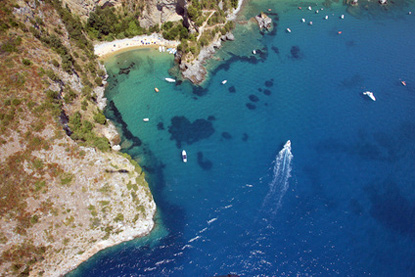
Nestled in the heart of southern Italy's Campania region, the Cilento and Vallo di Diano National Park stands as a testament to nature's grandeur and human history's rich tapestry. As Italy's second-largest national park, this UNESCO World Heritage Site and Biosphere Reserve encompasses a breathtaking landscape that stretches from the crystal-clear waters of the Tyrrhenian Sea to the rugged peaks of the Campano-Lucano Apennines. The park's diverse terrain features dramatic dolomite mountains, karst caves, pristine beaches, and ancient forests, whilst also housing some of the world's most significant archaeological treasures, including the Greek ruins of Paestum and Velia. This remarkable protected area, established in 1991, not only showcases extraordinary biodiversity—home to golden eagles, otters, and countless endemic species—but also preserves a cultural landscape that has witnessed human civilisation from Palaeolithic times through the Greek colonisation to the present day.

Geography and Landscape
The Cilento, Vallo di Diano and Alburni National Park is a vast protected area in the Province of Salerno, Campania, stretching from the Tyrrhenian coastline to the Lucanian mountains. This remarkable landscape encompasses approximately 1,810 square kilometres of diverse terrain.
Coastal Features
The park's coastline extends roughly 100 kilometres from Paestum to Sapri on the Gulf of Policastro, featuring dramatic rocky inlets, pristine beaches, and sea caves. Though less frequented than the famous Amalfi Coast to the north, the Cilentan coast offers equally stunning vistas with its crystalline waters and rugged shoreline.
Mountain Ranges
The Alburni mountains, nicknamed the "Dolomites of Campania," form a striking massif within the park. The highest point in the entire park is Monte Cervati, reaching an impressive 1,899 metres above sea level. The mountainous terrain features dramatic limestone formations and extensive karst topography.

Geological Features
The park's geological makeup is remarkably diverse, comprising:
- Extensive karst systems with numerous caves and sinkholes
- Limestone and dolomite formations creating dramatic cliff faces
- Turbidite flysch along the coastal regions
- Deep gorges and canyons carved through the landscape
Valley Systems
The Diano Valley (Vallo di Diano) lies along the park's eastern boundary, distinguished by its extensive cave networks and wide valley floor. The landscape transitions from gentle northern slopes to more irregular southern terrain, reflecting the area's complex geological history.
The park's exceptional geographical diversity has earned it recognition as a UNESCO Global Geopark, with its varied terrain ranging from gentle coastal hills to dramatic mountain peaks. The region benefits from a particularly mild climate, protected by mountains from strong winds while enjoying the moderating influence of the Mediterranean Sea.

Flora and Fauna
The Cilento & Vallo di Diano National Park showcases an extraordinary diversity of wildlife and plant species across its varied landscapes, from coastal areas to mountainous terrain.
Wildlife
Notable Mammals
The park harbours an impressive array of mammals, including Apennine wolves, wild cats, wild boars, and roe deer. One can spot foxes, stone martens, badgers, and weasels throughout the territory. The park also boasts one of Italy's largest otter populations, particularly visible in the WWF Oasis of Persano.
Bird Species
The golden eagle reigns supreme over the peaks of Mount Cervati, Monte Stella, and Gelbison. Other magnificent birds of prey include peregrine falcons, short-toed snake eagles, and lanner falcons. Visitors might also encounter rock partridges, black woodpeckers, and bullfinches in their natural habitat.
Amphibians and Reptiles
The park's waterways and ponds are home to various species, including the rare spectacled salamander, Apennine yellow-bellied toads, and common toads.
Plant Life
Endemic Species
The park boasts an impressive 1,800 native plant species, with approximately 10% being endemic to the region. The Primula palinuri, the park's symbol, is a rare paleoendemic species.
Forest Coverage
Beech forests dominate, covering over 21% of the park's total area. The vegetation varies dramatically with altitude, ranging from:
- Coastal garrigue
- Holm oak woodlands
- Mixed forests of oak, hornbeam, and alder
- Natural stands of European beech
Coastal Flora
Along the beaches, visitors can spot the increasingly rare sea lily (Pancratium maritimum), while the cliffs feature unique species such as the Statice salernitana and the carnation of the cliffs.
The Valley of Orchids presents a spectacular display of wild orchids, making it a must-visit location for botany enthusiasts.

Activities and Attractions
The Cilento, Vallo di Diano and Alburni National Park offers a remarkable variety of attractions and activities across its 181,048 hectares of diverse landscapes. Here's what you can explore in Italy's second-largest national park:
Natural Wonders
Caves and Underground Marvels
The park features two extraordinary cave systems. The Pertosa-Auletta Caves offer Italy's only underground boat journey along the Negro River. Meanwhile, the Castelcivita Caves showcase spectacular formations of stalactites and stalagmites, accessible through guided tours.
Waterfalls and Rivers
- The ethereal Capelli di Venere (Hair of Venus) waterfall is easily accessible with just a 2-minute walk from the car park.
- The Calore River offers an 8-kilometre trail through dramatic gorges, perfect for spotting the rare Italian otter.
Archaeological Treasures
Ancient Cities
The park encompasses remarkable UNESCO World Heritage sites, including:
- Paestum, the ancient Greek city of Poseidonia, featuring exceptional Doric temples
- Velia archaeological site, home to the historic Porta Rosa arch and ancient theatre ruins
Outdoor Activities
Adventure Sports
- The Trentinara Zipline offers thrilling aerial views of the park's panoramic landscapes
- Hiking trails stretch from coastal paths to mountain peaks, including Mount Cervati, the park's highest point
Water Activities
The Alento River Oasis provides various activities including:
- Canoeing excursions
- Mountain biking
- Horse riding
The park combines natural wonders with cultural heritage, offering activities for both adventure seekers and those interested in historical exploration. Remember to check opening times and book guided tours in advance, particularly for cave visits.
Accommodation
The Cilento and Vallo di Diano National Park offers diverse accommodation options to suit various preferences and budgets.
Coastal Accommodation
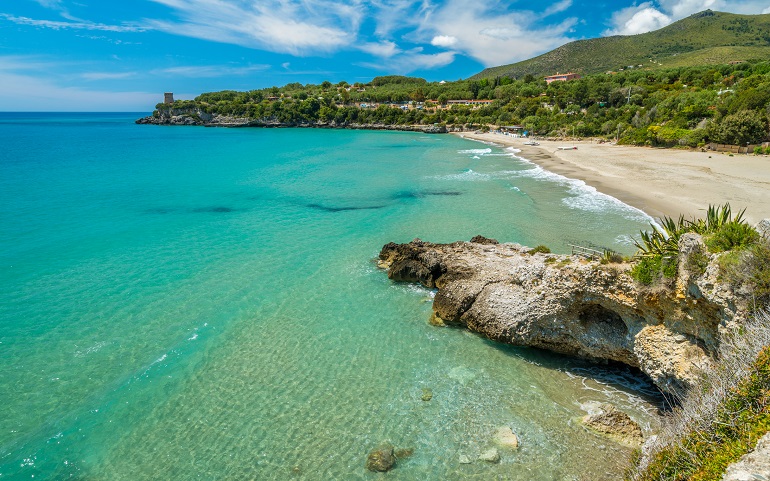
Seaside towns like Agropoli, Santa Maria di Castellabate, and Marina di Camerota provide excellent bases for exploring the park, with numerous hotels and B&Bs offering sea views. Accommodation along the coast typically includes access to beaches, with many establishments featuring private beach clubs and loungers.
Rural Stays
The park's inland areas offer authentic experiences through:
- Agriturismos (farm stays) nestled among centuries-old olive trees
- Rural B&Bs providing tranquil countryside settings
- Period residences offering traditional Italian hospitality
Price Range
Accommodation costs vary seasonally:
- Basic B&Bs from €56 per night
- Mid-range hotels from €80-150 per night
- Luxury establishments from €200+ per night
Types of Lodging
Seaside Options
- Beach resorts with full amenities
- Family-run guesthouses
- Holiday apartments with sea views
Countryside Choices
- Traditional farmhouses
- Mountain retreats
- Rural bed and breakfasts
Location Tips
For exploring both coast and inland areas, consider staying in larger towns like Agropoli or Ascea, which offer good transport connections. Those seeking a more remote experience might prefer the park's inland villages, though a car is recommended for accessing these areas.
Gastronomy
The Cilento & Vallo di Diano National Park offers an extraordinary culinary heritage, being the birthplace of the UNESCO-recognised Mediterranean Diet.
Local Specialities
Traditional Products
The region boasts an impressive array of local delicacies, including buffalo mozzarella, white figs, anchovies, chickpeas, and exceptional olive oil. The famous menaica anchovies from Pisciotta and Pollica are caught using traditional eco-sustainable fishing methods, making them particularly special.
Cheese and Dairy
The area is renowned for its dairy products, particularly the Buffalo Mozzarella DOP from Piana del Sele and the distinctive cacioricotta, a goat's milk cheese that can be enjoyed both fresh and aged.
Regional Dishes
Pasta Specialities
Local pasta dishes include:
- Fusilli di Felitto with traditional sauces
- Lagane e ceci (flat pasta with chickpeas)
- Cavateddi with ragù
Seasonal Delicacies
The park's villages celebrate food festivals known as Sagras in August, where visitors can sample local specialities such as zeppole (sugar-coated doughnuts) and fiorilli (fried courgette flowers).
Wine and Beverages
The region produces several notable wines, including:
- Aglianico del Cilento PGI, a robust red perfect for meat dishes
- Fiano Cilentano, an excellent dry white wine
Where to Dine
The park's restaurants range from charming seaside eateries to rustic village trattorias. Notable establishments include Il Buttero and La Brace in Agropoli. For the freshest mozzarella, visitors should seek out traditional casereccios (dairies) in Paestum.
The gastronomic experience in Cilento extends beyond mere sustenance, offering visitors a genuine taste of the region's cultural heritage through its carefully preserved culinary traditions.
Best Time to Visit
The Cilento & Vallo di Diano National Park offers distinct experiences throughout the year, with optimal visiting times depending on your interests.
Peak Season (June-August)
Summer brings the warmest temperatures, with August reaching highs of 30°C and lows of 20°C. The peak season offers:
- Minimal rainfall (only 4% chance in August)
- Longest daylight hours (up to 15 hours in June)
- Perfect beach and swimming conditions
- Village food festivals (Sagras) in August
Shoulder Seasons (April-May, September-October)
Spring and autumn provide pleasant conditions for outdoor activities:
- Moderate temperatures (9-17°C in April)
- Less crowded attractions
- Ideal conditions for hiking and sightseeing
- Better accommodation rates
Climate Benefits
The park enjoys one of the mildest climates in Europe thanks to its unique geography:
- Mountains protect against strong winds and heavy rainfall
- Sea breezes moderate summer heat
- At least six months of full sunny days annually
- Winter temperatures rarely drop below 6°C at night
Accommodation Considerations
Current hotel rates start from €56 per night, with prices typically higher during peak season. Many accommodations, including agriturismos and B&Bs, remain open year-round.
Safety Note
When hiking, particularly in warmer months, be aware of natural hazards such as vipers and wild boar, especially after sundown.

Getting There and Around
Getting to and around the Cilento & Vallo di Diano National Park requires some planning, as this UNESCO World Heritage site spans a large area with varying levels of accessibility.
Transport Options
By Train
- Regular regional trains connect Naples and Salerno to several coastal towns including Agropoli, Ascea, and Sapri.
- Journey time from Naples to Sapri is approximately 2 hours on regional trains.
- High-speed trains serve Salerno from Rome and Naples, making it a convenient gateway to the region.
By Bus
- Local bus services connect various villages and towns.
- Service frequency can be limited, particularly in remote areas and on Sundays.
- The Cilentobus network links major towns and beaches, though services run less frequently than trains.
By Car
- Having a car offers the most flexibility for exploring the park.
- Journey time from Salerno to the park is approximately 2.5 hours.
- Popular rental options include:
- Compact SUVs like the Jeep Renegade, ideal for mountain roads.
- Station wagons and minivans for families.
By Ferry
Seasonal ferry services operate during summer months:
- Connections available from Salerno and Capri.
- Stops include Acciaroli, Agropoli, and Casal Velino.
Getting Around
Car Rental
- Best option for exploring multiple locations.
- Main rental offices located in Salerno near the central station.
- Some coastal towns have smaller rental offices during peak season.
Important Considerations
- Mountain roads can be subject to closures, especially after severe weather.
- Remote villages often have limited public transport connections.
- Some archaeological sites and attractions require walking from parking areas.
For maximum flexibility and convenience, renting a car is highly recommended, though combining train travel to major towns with local transport is possible for coastal areas.
Conservation and Responsible Tourism
The Cilento and Vallo di Diano National Park, a UNESCO Biosphere Reserve in southern Italy, represents a remarkable blend of natural and cultural heritage that demands thoughtful conservation and tourism practices.
Natural Heritage Conservation
The park's conservation efforts focus on protecting its extraordinary biodiversity, including 28 sites of Community importance and eight Special Protection Areas. Notable endangered species receiving protection include the European otter, Corsican hare, and Mediterranean horseshoe bat. The park also safeguards approximately 1,800 species of native plants, with roughly 10% being endemic or rare, including the emblematic Primula palinuri.
Sustainable Tourism Initiatives
Guided Walking Programme
The park authorities promote non-competitive hiking under the philosophy of "Walking to discover and safeguard," encouraging visitors to explore whilst respecting the environment. This approach supports slow tourism that benefits both the environment and local communities.
Environmental Protection Measures
Current conservation initiatives emphasise:
- Habitat restoration
- Community engagement programmes
- Development of sustainable practices
- Mitigation of environmental threats
Visitor Guidelines
Responsible Exploration
The park offers various ways to experience its natural and cultural treasures responsibly:
- Organised hiking trails connecting sea to mountains
- Guided tours focused on environmental education
- Support of local, organic products
For the most enriching experience, visitors are encouraged to engage with official tour guides who specialise in the park's ecological and cultural significance. Through these measured approaches to tourism, the park continues to balance preservation with accessibility, ensuring future generations can enjoy this remarkable protected area.
Visitor Centres and Educational Facilities
The Cilento & Vallo di Diano National Park offers several educational facilities and visitor centres, with the Museum of the National Park being a notable highlight, housed in the historic Villa Matarazzo in Santa Maria di Castellabate.
Educational Opportunities
The park actively promotes environmental education through various programmes, emphasising the concept of "Walking to discover and safeguard". Visitors can engage with the park's rich cultural heritage and natural environment through guided hiking experiences, which serve as educational tools for understanding local communities and their traditions.
Guided Tours
Official and Exclusive Tour Guides are available to lead visitors through the park's most fascinating locations. These professionals can be contacted for specialised hiking proposals and educational tours.
Natural and Cultural Heritage
The park serves as an exceptional outdoor classroom, featuring:
- Archaeological sites of Paestum and Velia
- The Certosa di Padula
- Two protected marine oases at Punta Licosa and Punta Infreschi
The park's educational value is enhanced by its status as a UNESCO World Heritage Site and its inclusion in the UNESCO MAB (Man and Biosphere) Programme. Spanning 181,048 hectares, it encompasses diverse landscapes from the Tyrrhenian coast to the Campano-Lucano Apennines, providing numerous opportunities for environmental education.
Specialised Activities
The park also hosts specific educational programmes, including beekeeping demonstrations and traditional agriculture workshops at various locations throughout the protected area. These activities offer hands-on learning experiences about local biodiversity and sustainable farming practices.