


| Contents |
|---|
Introduction
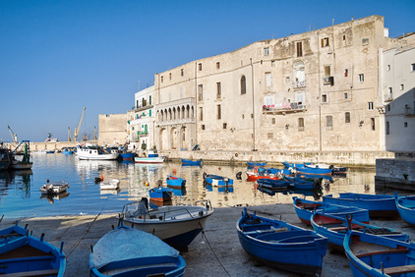
Monopoli is a picturesque coastal town situated approximately 30km south of Bari. With origins dating back to ancient times, the town derives its name from the Greek words meaning "unique city" and has been shaped by numerous cultures including the Byzantines, Normans and Venetians. The charming Centro Storico features whitewashed buildings, narrow winding streets and medieval city walls overlooking the Adriatic Sea. Key attractions include the imposing 16th-century Castle of Charles V, the Baroque Maria Santissima della Madia Cathedral, and the atmospheric Old Port where fishermen still sell their daily catch. Monopoli offers a blend of historical sites, sandy beaches like Cala Porta Vecchia, and authentic Italian culture, making it both an excellent destination in its own right and a convenient base for exploring northern Puglia's highlights including Alberobello, Polignano a Mare and Ostuni.
Interesting Facts about Monopoli
- Monopoli derives its name from the Greek words "monos" (single) and "polis" (city), meaning "unique city".
- The city was known in antiquity as the "City of Dens" due to the many grottoes in the zone.
- Monopoli's coat of arms, consisting of three white roses in a red field, was donated by Frederick II of Svevia.
- The city successfully resisted a three-month siege by the Spanish imperials under Charles V in 1529.
- On 16 December 1117, an image of the Madonna della Madia miraculously floated into the port along with beams that were used to repair the Cathedral roof.
- The Castle of Charles V, finished in 1525, has a distinctive pentagonal plan and was used as a jail until 1969.
- Monopoli was the most important point of departure for the Holy Land in southern Italy during the Crusades.
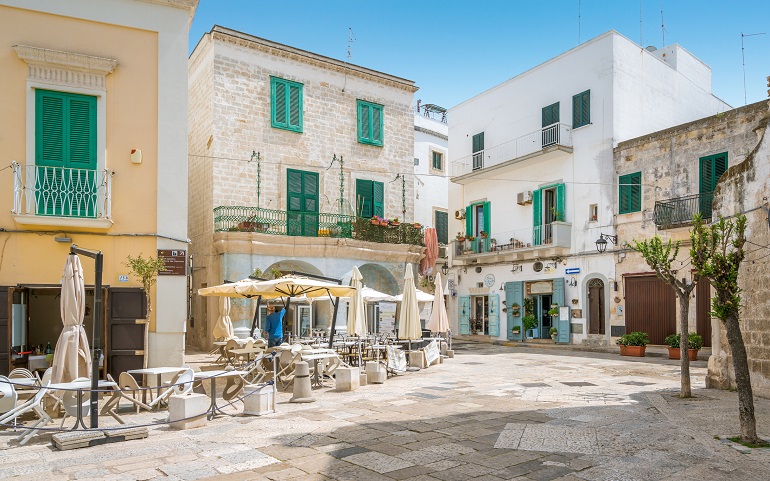
- The city's historic centre is characterised by winding alleys lined with whitewashed homes with green window shutters.
- Monopoli's territory includes the Monte San Nicola faunal reserve, which is important for the presence of some endemic plants.
- The city has been inhabited by various civilisations throughout history, including Greek settlers, Romans, Byzantines, Normans, and Spaniards.
- Monopoli's coastline stretches approximately 13 kilometres, with most beaches located in the Capitolo zone about 6 kilometres from the centre.
- The territory of Monopoli is part of the production zone for the protected designation of origin (PDO) mozzarella di Gioia del Colle.

History
Molfetta’s origins trace back to the early medieval period, with documented references emerging by the 10th and 11th centuries as a fortified village encircled by protective walls and a seaside palace structure. Strategically positioned along the Adriatic coast, the town flourished under successive rulers, including the Swabians, Aragonese, and Angevins, who capitalised on its harbour for commercial prosperity. Frederick II of Swabia elevated Molfetta to a "royal city" in the 13th century, recognising its geopolitical value during the Crusades as a vital stopover for pilgrims en route to the Holy Land. This era cemented Molfetta’s role as a maritime hub, with its port facilitating trade across the Mediterranean and fostering economic growth that funded the construction of enduring landmarks like the Romanesque Duomo Vecchio, begun in the 11th century.
The town’s medieval fabric, concentrated on the Sant’Andrea peninsula, reflects a blend of defensive and sacred architecture. The Centro Antico, once a derelict quarter, now showcases restored 16th-century palazzi and labyrinthine streets radiating from Piazza Municipio, the site of a razed 15th-century castle. Despite suffering devastation during the French Sack of 1529, which obliterated swathes of its architectural heritage, remnants like Torrione Passari, a circular artillery tower erected in 1512, testify to Molfetta’s adaptive fortifications. Ecclesiastical landmarks punctuate the skyline, including the Baroque Santa Maria Assunta Cathedral, which supplanted the older Duomo as the episcopal seat in 1775, and the Basilica of the Madonna dei Martiri, housing relics from the Holy Land.
Molfetta’s maritime identity deepened in the 19th century with port expansions to accommodate burgeoning mercantile and fishing industries, culminating in the construction of the lighthouse and outer piers by 1890. This nautical legacy intertwines with cultural contributions from native artists like Baroque painter Corrado Giaquinto, whose works adorn local churches and Madrid’s Prado Museum. Today, the regenerated harbour and historic core, with their interplay of medieval stonework and modern revitalisation, invite exploration of a town where the Adriatic’s rhythms have shaped centuries of resilience and reinvention.
Main Attractions
Historic Centre
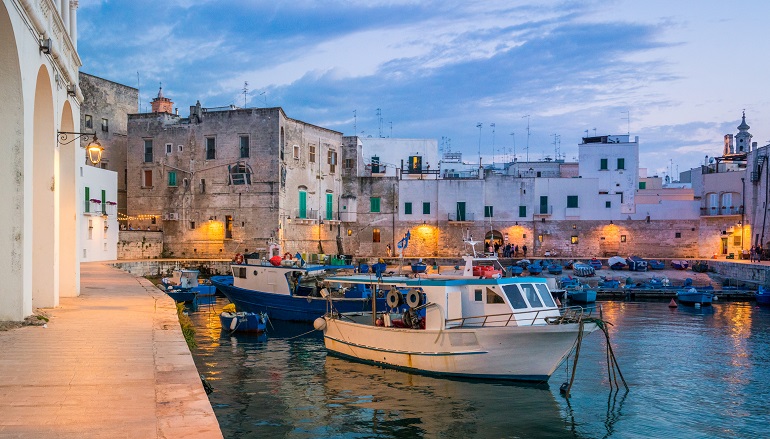
The historic centre of Monopoli captivates visitors with its labyrinthine network of narrow, winding alleyways and charming whitewashed buildings that create a mesmerising maze to explore. Dating back several centuries, this area represents the heart and soul of Monopoli's rich cultural heritage. As you wander through the cobblestone streets, you'll discover hidden courtyards, ornate doorways, and small piazzas that suddenly open up between buildings. The architecture showcases a blend of influences from various historical periods, including Byzantine, Norman, and Spanish elements, reflecting the city's diverse past. Local residents often adorn their windowsills and balconies with vibrant flowers, adding splashes of colour to the predominantly white façades. The historic centre becomes particularly enchanting during evening hours when warm golden lights illuminate the ancient stone walls and create a magical atmosphere for evening strolls.
Castle of Charles V
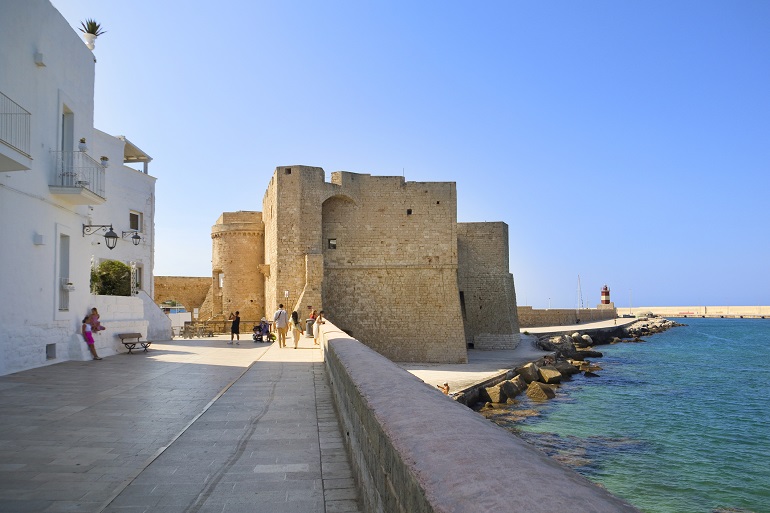
Standing proudly on Punta Pinna, the imposing Castle of Charles V represents one of Monopoli's most significant historical landmarks. Constructed during the 16th century under Spanish rule, this formidable fortress was designed to protect the city from Ottoman invasions that threatened coastal settlements throughout the region. The castle's distinctive pentagonal structure follows the military architectural principles of the period, with massive stone walls that have withstood centuries of sea winds and warfare. Throughout its long history, the fortress has served multiple purposes, functioning as a military garrison, a defensive stronghold, and eventually a prison until 1969. Today, visitors can explore the castle's interior chambers, climb along its impressive ramparts, and enjoy breathtaking panoramic views of the Adriatic Sea stretching to the horizon. The juxtaposition of the rugged stone fortification against the azure waters creates a striking visual contrast that photographers find irresistible, particularly during sunrise and sunset when the light bathes the ancient walls in golden hues.
Porto Vecchio
The Old Harbour, known locally as Porto Vecchio, represents the maritime heart of Monopoli and continues to function as a working fishing port, maintaining traditions that stretch back through generations. This picturesque harbour basin is lined with weathered stone quays where fishermen mend their nets and prepare their boats for daily excursions. The water reflects a kaleidoscope of colours from the traditional wooden fishing vessels painted in vibrant blues, reds, and yellows that bob gently in the protected waters. Early risers can witness the authentic spectacle of fishing boats returning with their morning catch, while local restaurateurs gather to select the freshest seafood for their daily menus. The harbour area transforms throughout the day, from the bustling morning fish sales to the tranquil afternoon lull, before coming alive again in the evening when locals and visitors promenade along the waterfront. The surrounding buildings showcase traditional architectural elements, with many structures dating back centuries, creating a timeless backdrop for this living maritime heritage site.
Cathedral of Monopoli
The Cathedral of Monopoli, also known as the Basilica of the Madonna della Madia or Santa Maria della Madia, was originally built in the 12th century on the site of a Roman temple. Its construction was famously completed using wooden beams from a raft that miraculously drifted into the harbour in 1117, carrying an icon of the Madonna. Though initially built in Romanesque style and consecrated in 1442, the cathedral was completely rebuilt between 1742 and 1772 in the Baroque style. The current structure features a majestic façade with three entrances and a large central window, complemented by an imposing 17th-century bell tower. Inside, visitors will find a Latin cross layout with a richly decorated interior adorned with polychrome marbles, intricate stucco work, frescoes and the venerated Byzantine icon of the Madonna della Madia housed in a chapel behind the high altar. The cathedral was granted the status of a minor basilica in 1921 and became a co-cathedral in the Diocese of Conversano-Monopoli in 1986.
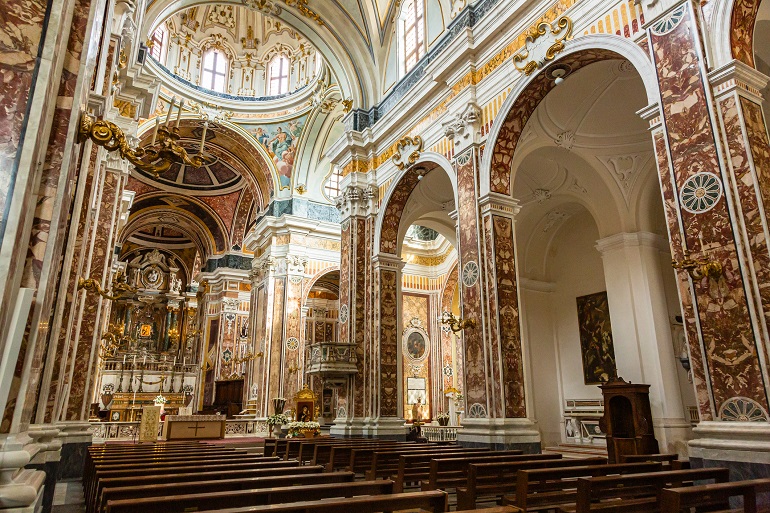
Piazza Garibaldi
Piazza Garibaldi serves as Monopoli's central gathering place, a spacious square surrounded by buildings of historical and architectural significance. At its centre stands a distinctive Fascist-era fountain, an unusual octagonal structure that provides a focal point for the open space. The square is dominated by the imposing civic tower, which once served a more sinister purpose as the location of the "infamous column" where public punishments were carried out during medieval times. Today, the square presents a much more convivial atmosphere, with cafés spilling out onto the cobblestones and locals gathering for their evening passeggiata. The elegant Palazzo Rendella, now housing the municipal library, adds architectural grandeur to the square with its refined façade and historical significance. During summer evenings, the piazza frequently hosts cultural events, concerts, and festivals that bring together residents and visitors in celebration of local traditions. The square's open design and central location make it an ideal starting point for exploring the historic centre, with numerous alleyways branching off in different directions, each promising new discoveries.
Palmieri Palace
The late Baroque splendour of Palmieri Palace represents one of the finest examples of aristocratic architecture in Monopoli's historic centre. This grand residence, constructed for one of the city's noble families, showcases the wealth and artistic sensibilities of 18th-century Puglia. The palace's imposing façade features elegant proportions and decorative elements characteristic of the Baroque period, including ornate window surrounds, decorative balconies, and sculptural details. Although the interior is not regularly open to the public, the external architecture alone merits admiration for its refined craftsmanship and historical significance. The palace stands as a testament to Monopoli's prosperous past, when wealthy merchant and landowning families constructed impressive urban residences to display their status and cultural sophistication. The building's strategic position within the urban fabric of the old town highlights its historical importance in the social hierarchy of past centuries.
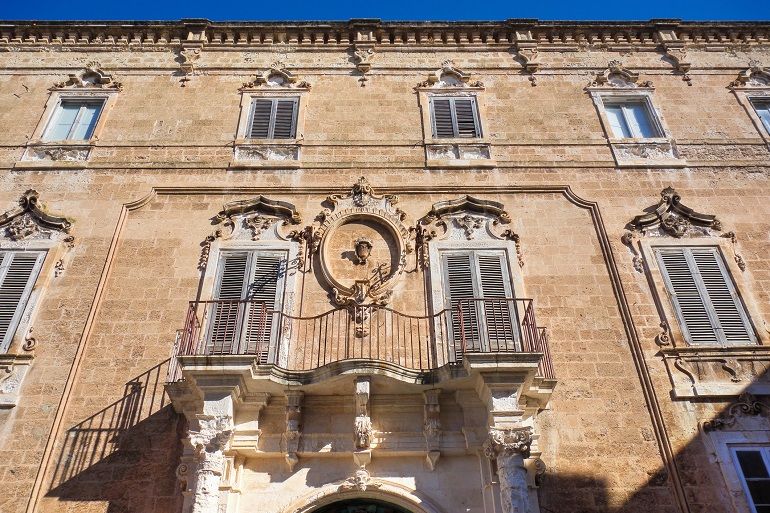
Via dei Mercanti
Once the bustling commercial artery of Monopoli, Via dei Mercanti retains much of its historical character while adapting to contemporary uses. This ancient street, whose name translates to "Merchants' Street," served as the primary marketplace where traders and artisans conducted business for centuries. The architecture along this thoroughfare reflects its commercial heritage, with ground-floor spaces originally designed as workshops and stores, featuring wide doorways and arched entrances. Today, these historic spaces house a charming collection of boutiques, artisan workshops, and cafés that maintain the street's commercial tradition while catering to modern tastes. Visitors can discover local ceramics, handcrafted jewellery, and regional food products while appreciating the historical ambiance. The upper floors of buildings along Via dei Mercanti often feature architectural details that reveal the prosperity of former merchants, including decorative balconies, family crests, and ornamental stonework. Walking this historic street provides insight into Monopoli's commercial evolution from medieval market town to contemporary tourist destination.
Church of Santa Teresa
The Church of Santa Teresa in Monopoli, dating back to the 18th century, is a striking baroque structure recognisable by its impressive high dome visible from various points in the Old Town. Built by the Descalced Carmelite Fathers in 1735 and originally dedicated to St John the Baptist and St Anne, the church has a chequered history, having been closed by the French in 1809 and reopened in 1883. Constructed in the form of a Latin cross, its interior is characterised by pristine white walls highlighted by stuccos, with colour coming only from wooden decorations, paintings and altars. The church features a series of interesting side chapels, each containing beautiful paintings, and houses wooden busts that serve as reliquaries of St John of the Cross and St Teresa of Avila. The beautiful façade displays an interesting baroque style with a play on concavity and convexity, whilst the attached convent once housed Teresian nuns.
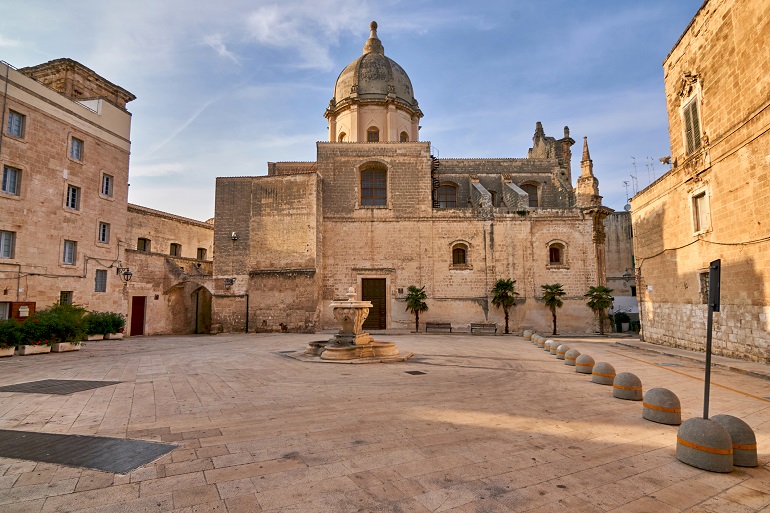
Church of Santa Maria del Suffragio
The Church of Santa Maria del Suffragio, commonly known as the Church of Purgatorio (Purgatory), stands as one of Monopoli's most intriguing religious sites, famous for its unusual and somewhat macabre features. The church's Baroque façade, adorned with skulls and other memento mori symbols, immediately signals its connection to themes of death and the afterlife. This thematic focus continues inside, where the church houses a unique and somewhat unsettling display of mummified bodies preserved in glass cases. Among these preserved remains is the body of a young girl, the only such example in the entire Puglia region, making this church a site of both religious and anthropological interest. The interior architecture features ornate altars, religious artwork, and decorative elements that reflect the 18th-century preoccupation with mortality and spiritual salvation. Despite its somewhat sombre theme, the church represents an important cultural and historical landmark that provides insight into historical attitudes toward death and religious practices of past centuries.
Church of San Francesco d'Assisi
The Gothic splendour of the Church of San Francesco d'Assisi represents one of Monopoli's most significant religious monuments, with a history stretching back to the 13th century. This ancient church showcases classic elements of Gothic ecclesiastical architecture, including pointed arches, ribbed vaults, and large windows that once held colourful stained glass. The interior space impresses visitors with its soaring height and sense of vertical aspiration characteristic of Gothic design. Over the centuries, the church has been enriched with artistic treasures including frescoes depicting scenes from the life of St. Francis and other religious narratives. Sculptural elements, including statues and carved altars, add to the artistic wealth of this historic sanctuary. The church continues to serve as both a religious site for worship and a cultural monument that attracts visitors interested in architecture, art history, and religious heritage. The peaceful atmosphere within its ancient walls provides a contemplative space that contrasts with the lively streets outside.
The Wall
The ancient defensive walls that once completely encircled Monopoli's historic centre remain partially intact today, offering visitors a tangible connection to the city's military past. These massive stone fortifications, constructed between the 15th and 16th centuries, were designed to protect the coastal settlement from seaborne attacks, particularly from Ottoman forces that threatened the region. Walking along the preserved sections of these walls provides a unique perspective on both the city and the sea, with panoramic views that stretch across the Adriatic. The defensive system included numerous bastions, watchtowers, and strategic gateways, some of which survive in excellent condition. These architectural elements demonstrate the sophisticated military engineering of the period, with angled bastions designed to eliminate blind spots and provide overlapping fields of fire. The thickness and height of the walls speak to the serious nature of the threats faced by coastal communities during this turbulent historical period. Today, these ancient defences serve as a scenic promenade where visitors can enjoy sea breezes while contemplating the strategic challenges faced by past generations in protecting their homes and livelihoods.
Underground Monopoli
Beneath the visible streets and buildings of Monopoli lies a fascinating subterranean world that reveals earlier chapters in the city's long history. This hidden dimension of the city comprises an extensive network of tunnels, crypts, ancient foundations, and archaeological remains dating from Roman times through the medieval period. These underground spaces tell stories of everyday life from bygone eras, including ancient water management systems, storage facilities, and religious crypts. Archaeological excavations have uncovered artefacts that provide valuable insights into the daily lives of Monopoli's earliest inhabitants. Some sections of this underground realm have been carefully restored and made accessible through guided tours, allowing visitors to descend literally into the past. The cool, dimly lit passages create an atmospheric experience that contrasts dramatically with the sun-drenched streets above. The temperature difference between the surface and underground areas can be particularly welcome during hot summer months, offering both historical education and respite from the heat.
Lido Sabbiadoro
Located just a short distance from Monopoli's historic centre, Lido Sabbiadoro offers visitors a quintessential Mediterranean beach experience in a well-maintained setting. This popular beach club features a stretch of coastline where the characteristic rocky shore of the region gives way to a more accessible sandy cove. The name "Sabbiadoro," meaning "golden sand," reflects the appealing quality of this natural feature. Crystal-clear waters in varying shades of turquoise and azure invite swimming and snorkelling, with the transparency allowing glimpses of the marine life below the surface. The beach area has been thoughtfully developed with amenities that enhance the visitor experience while respecting the natural environment. The surrounding landscape features Mediterranean vegetation adapted to the coastal conditions, including aromatic herbs and wind-sculpted pine trees that provide natural shade in some areas. During summer months, the beach comes alive with visitors seeking relaxation and refreshment in the cooling waters of the Adriatic, while the shoulder seasons offer a more tranquil experience with fewer crowds.
Comfort Beach
Comfort Beach distinguishes itself among Monopoli's coastal offerings through its unique combination of natural beauty and thoughtful landscaping. This charming cove features a sandy beach area nestled within a picturesque garden setting that enhances the natural coastal environment. Ancient olive trees, flowering shrubs, and carefully maintained green spaces create a verdant frame for the azure waters of the Adriatic. The beach itself occupies a natural indentation in the coastline that provides some protection from stronger currents, making it particularly suitable for relaxed swimming. The juxtaposition of cultivated garden elements with the wild beauty of the sea creates a distinctive atmosphere that differs from typical beach environments. Natural rock formations at the edges of the cove add visual interest and provide opportunities for exploration along the shoreline. The setting offers numerous picturesque vistas that capture the essence of Puglia's coastal charm, with the interplay of blue waters, golden sand, and green vegetation creating a visually harmonious landscape.
Festivals & Events
Festa della Madonna della Madia
The Festa della Madonna della Madia represents Monopoli's most significant religious and cultural celebration, commemorating the miraculous arrival of an icon of the Madonna that has become the city's patron saint. According to local tradition, in December 1117, a wooden raft (madia) carrying a Byzantine icon of the Madonna miraculously washed ashore in Monopoli, providing timber needed to complete the cathedral's roof. This event is celebrated twice annually, with the most elaborate festivities taking place in December. The winter celebration features a solemn procession that recreates the icon's arrival by sea, with a raft carrying a replica of the sacred image being brought to shore amid illuminations and fanfare. The city transforms during these celebrations, with streets adorned with elaborate light displays, decorative arches, and banners. The religious processions wind through the historic centre, accompanied by traditional music and followed by spectacular firework displays over the harbour that illuminate the night sky with cascades of colour. These festivities bring together religious devotion and community celebration in a tradition that has continued unbroken for centuries.
Carnival of Monopoli
The Carnival of Monopoli continues the ancient tradition of pre-Lenten celebrations with distinctive local characteristics that set it apart from other regional carnivals. During the carnival season, which typically falls in February, the streets of Monopoli come alive with costumed revellers, musical performances, and festive parades that transform the usually tranquil historic centre into a vibrant celebration of community and creativity. Traditional masks and characters specific to Puglian carnival traditions make appearances alongside more contemporary costumes. The carnival features elaborate parade floats that often incorporate satirical elements commenting on current events and social issues, continuing the carnival tradition of permitted social critique through humour and exaggeration. Dance performances in public squares bring together participants of all ages in traditional choreographies that have been passed down through generations. The festive atmosphere is enhanced by street food vendors offering seasonal specialties associated with carnival time, including sweet fried pastries that are traditionally consumed during this period of indulgence before the austerity of Lent.
Estate Monopolitana
The Estate Monopolitana transforms Monopoli during the summer months into an open-air venue for cultural and artistic expression, with a diverse programme of events that enlivens the historic centre and coastal areas from June through September. This extended summer festival encompasses a wide range of performances and activities, including classical music concerts held in atmospheric church courtyards, theatrical productions staged against the backdrop of historic buildings, and contemporary music performances that bring modern rhythms to ancient spaces. The open-air cinema screenings represent a particularly magical aspect of the summer programme, with films projected under the stars in historic piazzas where the architectural surroundings enhance the cinematic experience. Dance performances ranging from traditional Puglian folk dances to contemporary choreography take place in various venues throughout the city. Art installations and exhibitions often occupy public spaces, creating unexpected encounters with creativity for both residents and visitors. The extended nature of the Estate Monopolitana ensures that visitors throughout the summer season will have opportunities to experience the cultural richness of Monopoli through these diverse artistic expressions that complement the city's historical and natural attractions.
Top Museums
Museo Diocesano (Diocesan Museum)
The Diocesan Museum of Monopoli is a small jewel that showcases the city's religious history from the Byzantine period onwards. Housed in the old Episcopal Seminary dating back to 1668, this museum highlights Italian masters and contains a wealth of religious artefacts. Here you can admire reliquaries, missals, precious textiles, and liturgical objects in the very places where they were originally used.
Museo e Sito Archeologico Cripta Romanica
Located beneath Monopoli Cathedral, this fascinating archaeological museum displays artefacts from the city's history and its many occupations throughout the centuries. The site contains remarkable discoveries including 3rd and 5th Century BCE tombs, remains of the 12th Century crypt of the Romanesque Cathedral built by Bishop Romualdo in 1107, and post holes used in 15th Century BCE huts.
The Romanesque crypt is particularly extraordinary, featuring precious sculptural and decorative remnants from Romanesque, Gothic, and Renaissance periods that belonged to Romualdo's ancient temple, which was demolished in 1742. One of the most exceptional pieces is a 12th-century architrave, a splendid sculpture of exceptional expressive power that depicts Christ's death and resurrection.
Museo dell'Artiglieria all'aperto (Open-air Artillery Museum)
This unique open-air museum stretches along Monopoli's 16th-century walls and bastions. Visitors can view ancient cannons positioned along the historic centre's defensive walls, some embedded in rather inaccessible points. The museum offers a fascinating glimpse into the city's military history while providing stunning views of the Adriatic Sea.
Museo di San Leonardo
Located on Via San Leonardo, this museum adds to Monopoli's cultural offerings. Though smaller than some of the city's other museums, it contributes to the rich tapestry of historical sites available to visitors.
Fondazione Pino Pascali - Museo di Arte Contemporanea
Although technically located in nearby Polignano a Mare, this contemporary art museum is worth mentioning for those interested in modern artistic expressions while visiting the Monopoli area.
Monopoli truly is, as locals say, "a museum under the open sky," with its whitewashed buildings, medieval walls, and the prominent Castle of Carlo V all contributing to the city's living museum atmosphere.
Local Cuisine
Monopoli's cuisine represents a delightful marriage of land and sea, showcasing centuries-old recipes passed down through generations. Seafood stars in local specialities like meròsche (a flavourful concoction of small fish and crustaceans), arreghenète (a stew of beetroot, mussels, potatoes and anchovies), and raw sea urchins enjoyed seasonally directly from the Adriatic. The town's signature ragù, featuring seven different types of meat, reveals Neapolitan influences, whilst orecchiette pasta with turnip tops exemplifies Puglia's agricultural bounty. Visitors shouldn't miss sampling the creamy burrata cheese, crispy panzerotti (stuffed fried pastries), and traditional focaccia barese topped with cherry tomatoes and olives. This remarkable culinary heritage, once considered "poor cuisine," now represents some of Italy's most beloved gastronomic treasures.
Getting There & Around
Monopoli is easily accessible by Trenitalia trains from Bari for approximately €3.30, with the station located a 15-minute walk from the historic centre. Hiring a car is recommended for exploring the wider Puglia region, though parking can be troublesome in town with better options available near the new port. The Centro Storico is entirely walkable, with beaches, restaurants and shops all within easy reach. For coastal excursions, the "Monopoli Beach Link" shuttle connects the train station to beaches and water parks, whilst seasonal bus services operate between Monopoli and Capitolo. Local buses provide further connectivity to nearby attractions, making this charming coastal town an excellent base for discovering Puglia with or without a vehicle.