


| Contents |
|---|
Introduction
Gran Paradiso National Park, established in 1922, is Italy's oldest national park, spanning 70,000 hectares across the Graian Alps between the Aosta Valley and Piedmont regions. The park surrounds Gran Paradiso mountain, which at 4,061 metres is the only peak over 4,000 metres entirely within Italian territory, and shares its western boundary with France's Vanoise National Park. Originally created as a royal hunting reserve by King Victor Emmanuel II in 1856 to protect the Alpine ibex from extinction, the park now hosts a rich biodiversity including 168 species of fauna and 1,124 species of flora, alongside 59 glaciers and 183 lakes. The terrain varies dramatically from 800-metre valley floors covered in larch and spruce forests to alpine meadows and glacial peaks, with only 0.2% of the protected area consisting of urban development.

Geography and Landscape
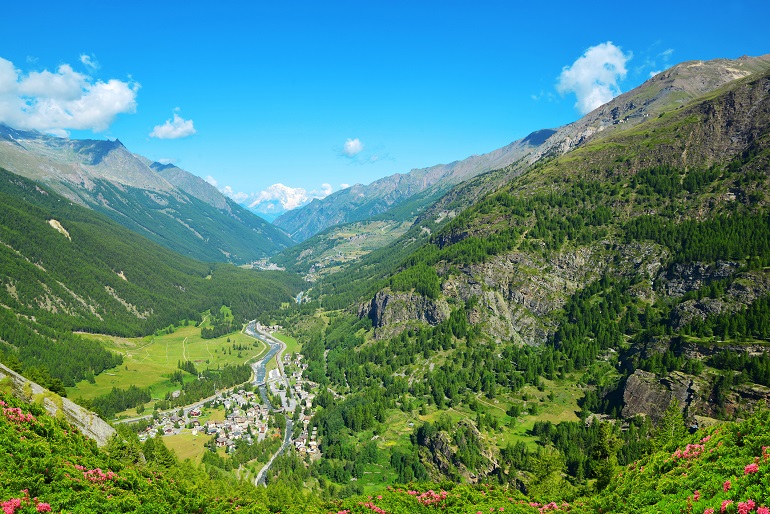
The Gran Paradiso National Park spans approximately 70,000 hectares across the Graian Alps in northwest Italy, straddling the regions of Piedmont and Aosta Valley. This magnificent protected area showcases dramatic Alpine terrain with elevations ranging from 800 metres in the valley floors to 4,061 metres at the summit of Gran Paradiso, the only mountain entirely within Italian territory that exceeds 4,000 metres.
The park encompasses five main valleys, with three running north to south from the Gran Paradiso massif in the Aosta region, and two oriented east to west on the southern slope in Piedmont. The northern valleys are more developed and popular with visitors, whilst the southern section remains more untamed. The landscape has been sculpted over millennia by massive glaciers and streams, creating the spectacular valleys visible today.
Geographical Features
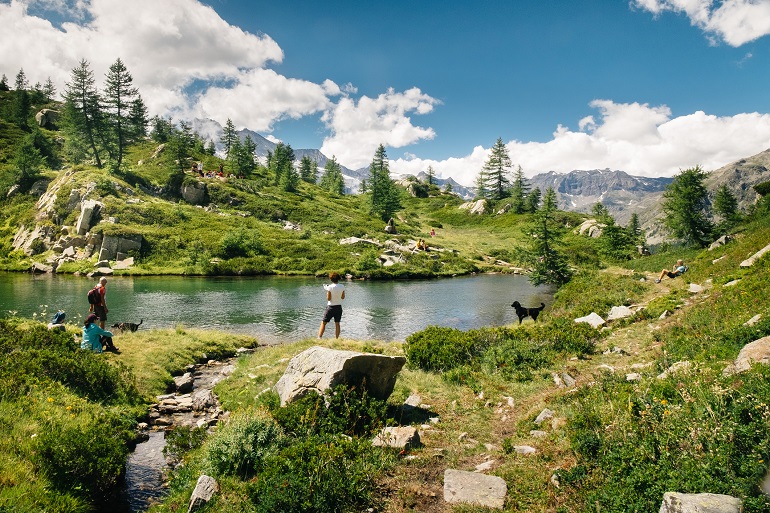
- Glaciers and Lakes: The park features 59 glaciers covering 9.5% of its surface area, alongside 183 pristine alpine lakes situated above 2,000 metres
- Mountains: Among its 120 mountains, notable peaks include the Grivola (3,969m), Torre di Lavina (3,308m), and Levanna Centrale (3,619m)
- Terrain Distribution: The park's surface comprises:
- 60% rocks, screes and glaciers
- 20% woodlands and shrubs
- 17% meadows and pastures
- Less than 1% cultivated lands and urban areas
A network of well-maintained trails extends over 500 kilometres throughout the park's five valleys, many following historic hunting routes from the 19th century. These paths offer various difficulty levels, from gentle family walks to challenging alpine ascents, making the park accessible to visitors of all abilities.
The park experiences a typical Alpine-Continental climate with significant seasonal variations. The northern and southern regions differ notably in precipitation, with the Piedmont area receiving 900-1,300mm annually, approximately 1.5 times more than the Aosta region. Winter snowfall is substantial, with snow cover lasting 4-6 months from late autumn to early spring, depending on altitude and aspect.
Flora and Fauna
The Gran Paradiso National Park boasts an extraordinary variety of flora and fauna across its diverse alpine landscapes, from valley floors to high mountain peaks reaching 4,061 metres.
Flora
Forests and Trees
The park's woodlands cover about 20% of its area and serve as crucial shelters for wildlife whilst protecting against landslides and avalanches. At lower elevations, you'll find:
- European beech forests with dense foliage
- Maple and lime forests in sheltered gulleys
- Chestnut groves below 1,000 metres
- Scots pine and Norway spruce mixed forests
Higher up, larch becomes the dominant species, often mixed with Swiss stone pine, reaching up to 2,300 metres where the treeline gives way to alpine meadows.
Alpine Meadows and High-Altitude Plants
Above the treeline, vibrant alpine meadows burst with colourful wildflowers in late spring, including:
- Wild pansies
- Gentians
- Martagon lilies
- Alpenroses
Fauna
Iconic Species
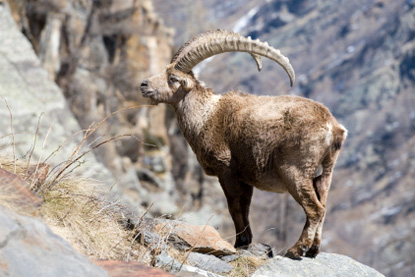
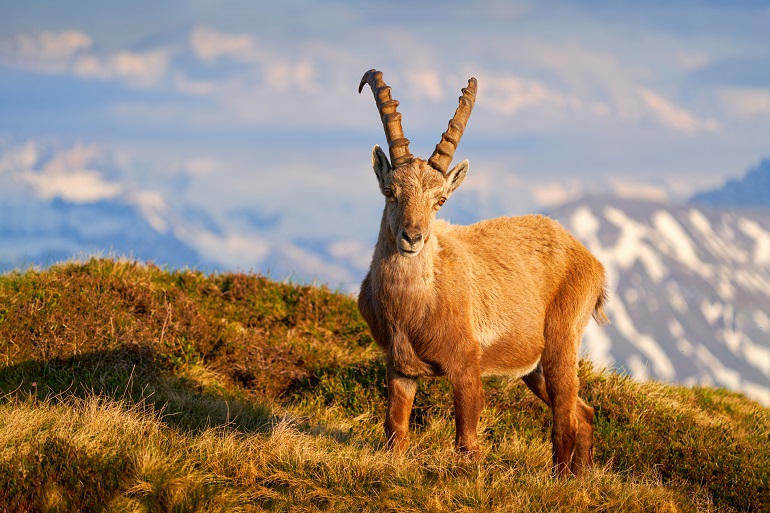
The park's symbol, the Alpine ibex, once faced extinction but now thrives here. These magnificent creatures, with their impressive curved horns, can often be spotted grazing in high-altitude pastures.
Mountain Mammals
The park hosts numerous mountain-dwelling species:
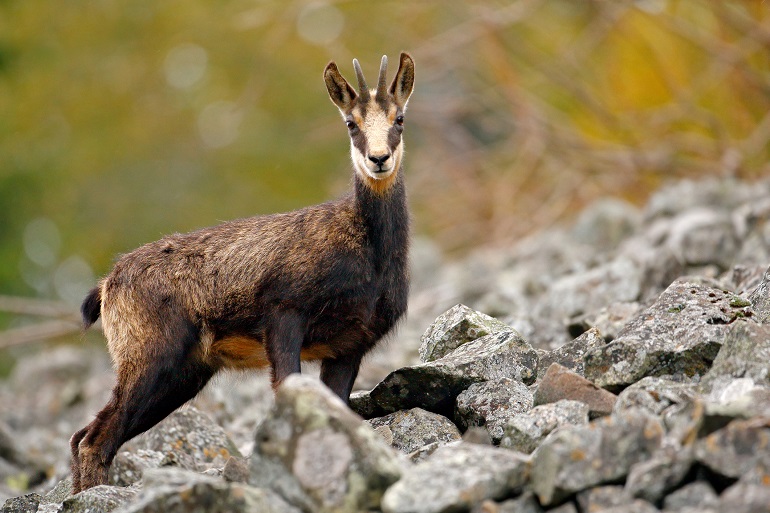
- Chamois
- Alpine marmots
- Mountain hares
- Foxes
- Badgers
- Ermines and weasels
- Wolves (recently returned)
- Lynx (occasional sightings)
Birds
More than 100 bird species inhabit the park, including:
- Golden eagles
- Bearded vultures
- Rock ptarmigan
- Black woodpeckers
- Eagle owls
- Alpine accentors
- Choughs
The park also supports a rich variety of butterflies, including the distinctive Apollo butterfly, as well as numerous reptiles and amphibians such as vipers, newts, and salamanders.
For visitors interested in botany, the Paradisia Alpine Botanical Garden near Cogne showcases over 1,000 plant species and offers an excellent opportunity to learn about the park's diverse flora.
Activities and Attractions
The Gran Paradiso National Park, Italy's oldest national park, offers a wealth of activities and attractions across its magnificent 70,000 hectares spanning the Graian Alps. The park encompasses five pristine valleys surrounding the Gran Paradiso peak, which stands above 4,000 metres and offers views of Mont Blanc and the Matterhorn.
Seasonal Activities
Spring and Summer
- Explore over 500 km of marked hiking trails
- Visit the Alpine Botanical Garden during peak flowering (June-July)
- Observe native wildlife, including ibex, chamois, and golden eagles
- Experience rock climbing and mountaineering
- Enjoy mountain biking on various trails
- Watch marmots in their natural habitat
Autumn
- Marvel at the vibrant forest colours
- Witness the chamois mating season
- Participate in photography treks
- Explore ancient hunting routes
Winter
- Go cross-country and downhill skiing
- Try snowshoeing on marked trails
- Experience ice climbing
- Enjoy winter wildlife watching
Natural Attractions
Wildlife and Flora
The park hosts:
- 168 species of fauna
- 1,124 species of flora
- The symbolic Alpine ibex
- Numerous marmot colonies
- Wolf packs in the Aosta Valley
Landscape Features
- 59 glaciers
- 183 lakes
- Five pristine valleys
- Ancient glacial formations
- Dense forests covering 20% of the park
Activities by Region
The park's territory is divided into five main valleys:
- Valle Soana
- Valle Orco
- Valle di Cogne
- Valle di Rhêmes
- Valsavarenche
Each valley offers unique opportunities for outdoor activities and wildlife observation, with well-maintained trails suitable for various skill levels.
Important Information
Visitors should note that trail difficulty varies significantly by season, and it's essential to check current conditions before embarking on any activity. The park maintains strict regulations to protect its delicate ecosystem and wildlife, ensuring its preservation for future generations.
Accommodation
The Gran Paradiso National Park offers diverse accommodation options to suit various preferences and budgets, with prices starting from around 55 euro per person per night.
Types of Accommodation
Mountain Hotels
Traditional mountain houses and alpine lodges provide comfortable stays with stunning views of glaciers and meadows. Many establishments feature wellness facilities, gardens, and panoramic terraces overlooking the Sant'Orso valley.
Mountain Huts and Refuges
For those seeking an authentic alpine experience, mountain refuges situated at elevations between 1,800 and 2,700 metres provide dormitory-style accommodation. These refuges typically offer hot showers, hearty Italian meals, and serve as excellent bases for hiking and mountaineering.
Accommodation Features
Dining Options
Most accommodations offer various meal arrangements:
- Bed & Breakfast
- Half Board (most common)
- Full Board
- Self-catering facilities
Amenities
Standard facilities often include:
- En-suite rooms
- Free Wi-Fi
- Restaurant serving traditional cuisine
- Bar service
- Gardens or terraces
- Wellness facilities in higher-category establishments
Location Benefits
Properties are strategically positioned throughout the park, offering easy access to ski facilities, hiking trails, and natural attractions. Many accommodations are situated within protected areas, providing unparalleled views of the surrounding mountains and glaciers.
Gastronomy
The Gran Paradiso National Park, Italy's largest protected area, offers a rich tapestry of culinary traditions that reflect the region's alpine heritage and cultural fusion between Valle d'Aosta and Piedmont.
Traditional Dishes
The park's signature dish is the Gran Paradiso Soup, a hearty mountain creation featuring potatoes, leeks or onions, and bread. Each version may include local cheeses like toma d'alpeggio, serais, or fontina, and can be enhanced with regional herbs such as thyme, nettle, and 'verquegno'.
Local Specialities
Cheeses and Dairy
The area is renowned for its Fontina DOP cheese, produced from unpasteurised milk of Valdaostan Red Spotted cows. After 90 days of ageing, it develops a rich, robust flavour that pairs excellently with local polenta.
Mountain Delicacies
- Salame di patate: A unique potato-enhanced sausage produced from October to March
- Boudin: A traditional Valle d'Aosta sausage made with potatoes and spices
- Mocetta: A cured meat speciality made from chamois or goat meat
Wine and Beverages
The park boasts some of Europe's highest-altitude vineyards, reaching up to 1,200 metres. The local Valle d'Aosta DOC wines include robust reds with berry aromas and light, aromatic whites that perfectly complement the regional cuisine.
Traditional Sweets
Tegole, the region's celebrated dessert, are thin, crispy wafers made with hazelnuts and almonds, offering a distinctive sweet-bitter flavour profile. These delicate cookies are perfect alongside coffee or as an accompaniment to ice cream.
The cuisine of Gran Paradiso showcases the resourcefulness of mountain communities, with many dishes incorporating preserved ingredients and hearty combinations suited to the alpine climate.
Best Time to Visit
The Gran Paradiso National Park offers distinct experiences across different seasons, with the optimal visiting time depending on your intended activities.
The park is at its most accessible during summer months, particularly August and September. Average temperatures range from 8°C to 12°C in the higher elevations, whilst base areas can reach the mid-20s. This period offers the best conditions for:
- Mountain climbing and hiking along the 500 km trail network
- Wildlife observation
- Alpine flora viewing, with peak wildflower blooming in June and July
- Rock climbing and mountaineering
These shoulder seasons present unique opportunities but require more preparation:
- Late spring (April-May) brings beautiful wildflowers but higher precipitation
- Early autumn offers quieter trails and pleasant hiking conditions
Weather can be unpredictable, requiring proper gear and clothing
The winter season transforms the park into a snow-covered paradise suitable for:
- Cross-country skiing
- Snowshoeing
- Ice climbing
- Winter hiking on designated trails
The park experiences a tundra climate with significant temperature variations:
- Warmest months: July and August
- Coldest months: January and February
- Highest rainfall: May through August
- Most stable weather: July through October
For general sightseeing and hiking, the period from June to September offers the most favourable conditions, with July and August being peak tourist months. However, if you prefer quieter trails and don't mind cooler temperatures, early June or September can provide excellent alternatives with fewer visitors.
Getting There and Around
Transport Options
By Car
From Turin to the Piedmont side:
- Take the Orco Valley Road (460) to Rivarolo Canavese
- Either turn right at Pont Canavese for Soana Valley or continue to Ceresole Reale
For the Valle d'Aosta side:
- Take the A5 motorway and exit at Aosta-ovest
- Follow signs to the valleys of Cogne, Savarenche, and Rhêmes
Important: Mountain roads are extremely narrow with tight switchbacks. Coaches must not exceed 12 metres in length and require experienced drivers.
By Public Transport
From Turin:
- Take the train to Rivarolo or Pont stations from Torino Porta Susa
- Connect via bus service 137 to Valle Orco or bus 140 to Val Soana
Seasonal Trek-Bus Service
A special Trek-Bus operates from 1st July to 31st August 2024, connecting:
- Lower municipalities (Aymavilles, Villeneuve, Introd, Arvier)
- Mountain communes (Cogne, Valsavarenche, Rhêmes-Saint-Georges, Rhêmes-Notre-Dame, Valgrisenche)
Main Access Points
Piedmont Side:
- Orco Valley: Pont Canavese, Locana, Noasca, Ceresole Reale
- Soana Valley: Valprato Soana
Valle d'Aosta Side:
- Cogne Valley
- Valsavarenche
- Rhêmes Valley
The park is also accessible from major airports, with Turin and Milan Malpensa being the nearest options. For the most sustainable and relaxed experience, consider using public transport, particularly during peak summer months when mountain roads can be challenging to navigate.
Conservation and Responsible Tourism
The Gran Paradiso National Park, Italy's first national park, stands as a remarkable example of conservation success and sustainable tourism. Originally established in 1922, this protected area spans over 71,000 hectares across the Piedmont and Aosta Valleys, featuring diverse landscapes from broadleaf woods to alpine glaciers.
Conservation Success
The park's most celebrated achievement is the preservation of the Alpine Ibex. From a mere 419 specimens in 1945, the population has flourished to nearly 4,000 today. Beyond the ibex, the park protects a rich variety of alpine wildlife, including chamois, marmots, golden eagles, and the recently returned bearded vulture.
Sustainable Tourism Initiatives
Access and Transport
- A well-maintained network of 450 miles of marked trails and mule tracks
- Shuttle services during peak seasons to reduce vehicular impact
- Regulated access to sensitive areas, particularly during wildlife wintering periods
Environmental Protection
- Strict waste management and recycling programmes
- Use of renewable energy sources throughout the park
- Protection of native plant species and careful management of non-native species
Quality Standards
The park maintains high environmental standards through:
- A Quality Label programme for local businesses committed to sustainability
- Integration of traditional agricultural practices
- Preservation of local architectural heritage
- Support for sustainable mountain tourism activities
Visitor Guidelines
To enjoy the park responsibly:
- Stay on marked trails
- Respect wildlife viewing distances
- Use public transport when possible
- Support local sustainable businesses
- Participate in guided nature walks with official park guides
The park successfully balances conservation with tourism, offering visitors an authentic alpine experience while protecting its remarkable biodiversity for future generations.

Visitor Centres and Educational Facilities
The Gran Paradiso National Park offers several visitor centres throughout its valleys, providing comprehensive information and educational experiences for visitors of all ages.
Visitor Centres
Main Locations
The park features visitor centres in Cogne, Valsavarenche, and Rhêmes-Notre-Dame, each focusing on different aspects of the park's environment. These centres are typically open during summer, Christmas, Easter, and bank holidays.
Cogne Laboratory Park
The Cogne centre functions as a research laboratory where visitors can explore interactive exhibits about:
- Water systems and flood management
- Forest and grazing lands
- Wildlife and human interaction
- Special exhibits dedicated to wolves and ibex
The centre features innovative osteophony stations where visitors can experience mountain sounds through bone conduction, including glacier movements, wolf howls, and deer calls.
Educational Facilities
Environmental Education Centre
Located in Noasca, the park's primary Environmental Education Centre offers:
- Dedicated educational activity spaces
- Scientific workshop facilities
- Recreational activities focused on environmental themes
- Accommodation at the Hotel La Cascata
Rovenaud Centre
The Water and Biodiversity centre spans 14,000 square metres and features:
- Multimedia installations
- Educational aquariums
- A special facility housing three Eurasian otters
- Interactive exhibits about aquatic ecosystems
Practical Information
Winter 2024/2025 Opening Hours
- 7-8 December: 14:00-18:00
- 26 December-6 January: 14:00-18:00
- 1-4 March: 14:00-18:00
Entry Fees
- Full price: €8.00
- Reduced price: €4.00 (students up to 25 years, disabled visitors' companions)