


| Contents |
|---|
Introduction
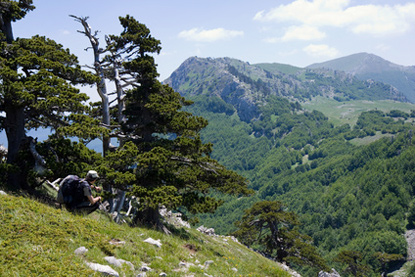
Pollino National Park, straddling the regions of Basilicata and Calabria in southern Italy, is the country's largest protected area, encompassing 192,565 hectares of diverse terrain. The park stretches from the Tyrrhenian Sea to the Ionian Sea, featuring the Pollino Massif and Orsomarso Mountains, with peaks reaching up to 2,267 metres at Serra Dolcedorme. Home to Europe's oldest tree—a 1,230-year-old Heldreich's pine—the park achieved UNESCO World Heritage status in 2015. The landscape comprises dolomite rocks, limestone bastions, deep gorges, karst caves, and high-altitude pastures, whilst supporting diverse wildlife including golden eagles, Italian wolves, and rare beetles. Five major rivers—the Lao, Sinni, Coscile, Garga, and Raganello—traverse the park, creating opportunities for activities such as rafting, canyoning, and hiking.
Geography and Landscape
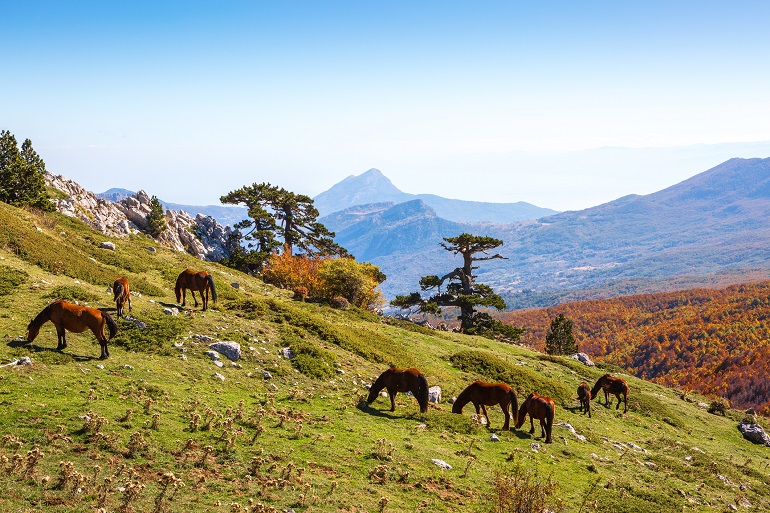
The Pollino National Park, established in 1993, is Italy's largest protected area, straddling the regions of Basilicata and Calabria between the Tyrrhenian and Ionian Seas. This magnificent park encompasses 196,000 hectares across 56 municipalities.
The park features three primary mountain massifs within the Southern Apennines:
- The Pollino massif, situated in the heart of the park, boasting Serra Dolcedorme (2,267m), the highest peak in southern Italy outside of Sicily
- The Orsomarso mountain range in the southwest, including peaks such as Cozzo del Pellegrino (1,987m) and La Mula (1,935m)
- Monte Alpi (1,900m) in the northern section
The park's landscape is extraordinarily diverse, characterised by:
- Dramatic limestone formations and dolomite rocks
- Deep gorges and canyons, including the spectacular Raganello Gorges with walls reaching 700 metres
- Extensive cave systems, notably the "Piezze 'i trende" Cave and Bifurto Abyss
- Glacial cirques and moraine deposits from the last ice age
- Karst plateaus featuring sinkholes and underground water systems
- Volcanic formations, such as Timpa delle Murge with its pillow lava structures
The park's hydrological network includes several significant rivers:
- The Sinni and Mercure-Lao rivers in the northern sector
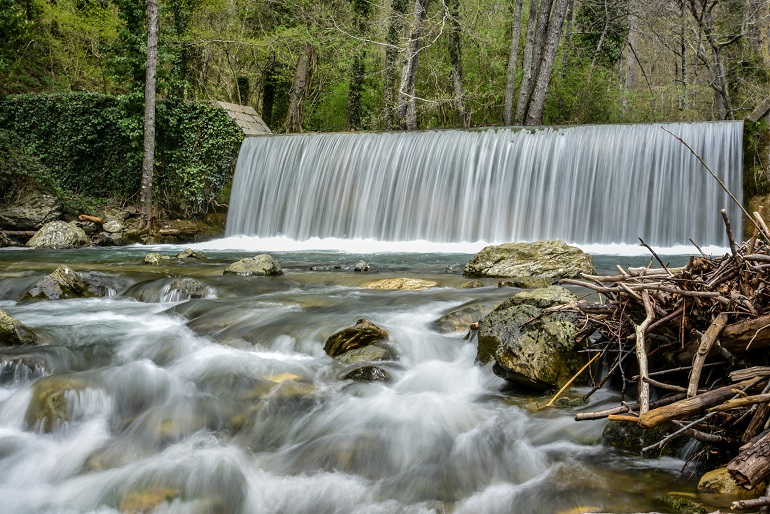
- The Raganello, Argentino, and Lao rivers, which have carved deep gorges
- The Peschiera River, surrounded by lush woodland
The park's appearance transforms dramatically through the seasons. Winter brings heavy snowfall to the higher elevations, making it ideal for cross-country skiing. The mountain peaks typically remain snow-covered from November through May, whilst the lower elevations offer more temperate conditions year-round, influenced by the Mediterranean climate.
The park's unique geological heritage has earned it recognition as a UNESCO Global Geopark, making it a significant destination for both casual visitors and geological enthusiasts.
Flora and Fauna
The Pollino National Park, Italy's largest protected area, showcases remarkable biodiversity across its Mediterranean mountain environment.
Flora
The park harbours over 2,000 species of plants. At lower elevations around 800 metres, you'll find juniper, strawberry trees, Montpellier maples, and downy oaks. The most iconic species is the Heldreich's pine (pino loricato), which grows at altitudes up to 2,200 metres and represents the park's symbol. The ancient beech forests, some containing trees over 600 years old, create unique high-mountain ecosystems reaching up to 2,000 metres above sea level.
Fauna
Mammals
The park hosts an impressive variety of mammals, including:
- Italian wolves and European wildcats
- Otters dwelling near clean watercourses
- Endemic Calabrian black squirrels with distinctive black backs and white bellies
Birds
The park's rich avifauna features twelve species of nesting birds of prey, including:
- Golden eagles nesting on mountain walls
- Egyptian vultures, which migrate from Africa in April-May
- The rare red-billed chough and endangered rock partridge
Unique Species
Several remarkable creatures inhabit specific niches within the park:
- The Melanargia arge butterfly, found only in select locations
- The European black widow spider in arid areas
- The rare Chirocephalus ruffoi crustacean, exclusive to high-altitude pools
Protected Species
The park serves as a sanctuary for endangered species including:
- The European pond turtle
- Hermann's tortoise
- The white-clawed crayfish, an indicator of pristine water quality
This extraordinary biodiversity makes the Pollino National Park a premier destination for nature enthusiasts and wildlife observers.

Activities and Attractions
The Pollino National Park, Italy's largest national park, offers a remarkable blend of natural wonders and outdoor activities across its vast 192,000-hectare expanse. As a UNESCO World Heritage Geopark, it presents visitors with diverse experiences throughout the year.
Water Activities
River Adventures
- River tubing down the Mercure Lao River, suitable for all ages with routes of varying difficulty
- Water trekking through streams and forest paths, perfect for families
- Canoeing and kayaking in numerous water courses
- Packrafting for close encounters with rapids
- Canyoning in the spectacular Raganello Gorges
Notable Waterways
The park features several significant rivers, including the Coscile River with its three hydroelectric power plants, and the dramatic Raganello River with its impressive gorges and waterfalls.
Land-Based Activities
Hiking and Trekking
The park offers trails on both the Lucanian and Calabrian sides, with routes suitable for different skill levels. An Adventure Park at Taverna Magnano provides accessible trails for visitors with disabilities.
Winter Sports
At elevations above 2,000 metres, visitors can enjoy:
- Alpine skiing
- Cross-country skiing
- Snowboarding
Natural Attractions
The park boasts remarkable biodiversity, including:
- The iconic Pino Loricato (Bosnian Pine), the park's symbol
- Rare flora such as orchids, violets, gentians, and the red lily
- Diverse wildlife including golden eagles, black woodpeckers, Apennine wolves, and the native Orsomarso roe deer
Cultural Heritage
Notable Towns
- Civita: An ancient Albanian settlement known as the "Eagle's nest"
- Castrovillari: The "Capital of the Pollino"
- Morano Calabro: One of Italy's Most Beautiful Villages
- Cerchiara di Calabria: Home to the mystical Cave of the Nymphs
Local Specialities
- Pollino Truffle
- Peperoni cruschi (dried peppers)
- Mormanno Lentils
- Cerchiara Bread
For the best experience, visitors should plan their trips between late spring and early autumn, when the weather is most favourable and the park's botanical richness is on full display.

Accommodation
The Pollino National Park offers diverse accommodation options to suit various preferences and budgets. Visitors can expect to find room rates ranging from €50 to €120 per night, with prices varying by season and amenity level.
Types of Accommodation
Traditional Stays
The park features numerous converted buildings that blend local architecture with modern comforts, transforming former sheepfolds and rustic structures into charming accommodation options.
Farm Stays
Agriturismos are particularly popular in the region, offering authentic experiences with traditional cuisine made from organic produce. Many are situated at altitudes around 1,000 metres, providing stunning mountain views.
Standard Options
- Boutique hotels offering sophisticated amenities and unique designs
- Bed & breakfasts providing homely atmospheres and personal service
- Family-run guesthouses with traditional hospitality
- Camping facilities and camper van parks for outdoor enthusiasts
What to Expect
Amenities
Most accommodations offer essential modern comforts including air conditioning, private bathrooms, and WiFi. Many establishments feature gardens, terraces, or swimming pools.
Location Benefits
Properties are strategically positioned to offer:
- Mountain or sea views
- Access to hiking trails
- Proximity to natural attractions
- Peaceful countryside settings
Dining
Many accommodations, particularly farm stays and country houses, offer on-site dining featuring local cuisine and homemade products. Breakfast is typically included at most establishments.
Gastronomy
The Pollino National Park offers a remarkable culinary heritage that reflects centuries of agricultural traditions and local expertise. Ancient communities within the park have preserved their cultural customs, including traditional food preparation methods that create a harmonious blend of nature and gastronomy.
Traditional Products
Local Specialities
The park is renowned for its exceptional products, including the famous White Onion of Castrovillari, a sweet local variety that features prominently in regional dishes. The Rotonda Red Aubergine, a protected DOP product, and the IGP Poverello Bean represent the area's agricultural excellence.
Artisanal Products
The region produces outstanding olive oil, honey (particularly the prized millefiori variety), and handcrafted liqueurs made from wild fruits such as strawberries, blackberries, and elderberries. Local bakeries craft the celebrated Cerchiara bread, known for staying fresh for up to ten days thanks to its unique preparation using mountain water and wood-fired ovens.
Regional Dishes
Pasta Specialities
Traditional handmade pasta varieties include:
- Rascateddre
- Tappiceddre
- Tagghiuline (often served with wild boar sauce or porcini mushrooms)
Main Courses
The region's meat dishes showcase local farming traditions, with specialities including lamb baked with breadcrumbs and traditional mixed grills. Game and wild boar feature prominently in local cuisine, alongside a variety of mushroom-based dishes.
Local Delicacies
Cheese and Charcuterie
The park boasts an impressive array of dairy products, including:
- Paddraccio (fresh goat cheese)
- Pecorino di Morano
- Caciocavallo
- Various locally-produced salamis and hams
Seasonal Offerings
The cuisine follows strict seasonality, with soups and broths featuring heavily and incorporating local pulses and vegetables. Many restaurants in the park area serve these traditional dishes, often using ingredients sourced directly from local farms and producers.
The gastronomic experience in Pollino National Park represents a perfect marriage of ancient traditions and modern culinary expertise, offering visitors an authentic taste of this remarkable region's cultural heritage.
Best Time to Visit
The Pollino National Park offers distinct experiences across all seasons, making it an appealing destination year-round. Here's when to visit based on your interests:
Spring (March to May)
Spring brings a spectacular display of wildflowers, including orchids, violets, gentians, and bellflowers. The mild temperatures make it perfect for hiking and outdoor activities, whilst the blooming meadows create stunning photography opportunities.
Summer (June to August)
Summer offers long, sunny days ideal for exploring the park's extensive trail network and waterfalls. This season is particularly suitable for:
- Canyoning and rafting in the Raganello Gorge
- Mountain biking and trekking
- Spotting wildlife such as golden eagles and roe deer
Autumn (September to November)
Autumn transforms the park into a canvas of red, yellow, and brown hues. The weather remains mild, and visitors can enjoy:
- Mushroom spotting in the forests
- Clear visibility for panoramic views from mountain peaks
- Less crowded trails for hiking
Winter (December to February)
Winter blankets the mountains in snow, transforming the landscape into a winter sports destination. The park becomes ideal for skiing, though some areas may have limited accessibility.
For the optimal balance of weather and activities, the periods from late spring to early summer and early to mid-autumn offer the most pleasant conditions for exploring the park. These seasons provide comfortable temperatures for hiking and outdoor activities whilst showcasing the park's rich biodiversity and stunning landscapes.
Getting There and Around
Getting to and around Pollino National Park, Italy's largest national park, requires careful planning due to its vast size and limited public transport options.
By Air
The nearest airports are Naples, Bari, and Lamezia Terme. None are particularly close to the park, so you'll need to arrange onward transport.
By Train
The main railway stations serving the park include:
- Tyrrhenian Coast: Scalea, Maratea
- Ionian Coast: Trebisacce, Sibari
- Inland: Roggiano Scalo-San Marco Argentano
By Car
The A3 motorway is the primary route to access the park from both north and south. Having your own vehicle is highly recommended as it offers the most flexibility for exploring the park's 193-kilometre scenic drive, which starts and ends in Scalea.
Public Transport
Local bus services operate within the park, though they are limited:
- SAM Autolinee connects settlements including Castelluccio, San Severino Lucano, Viggianello and Rotonda
- SLA operates longer-distance services from Naples to Rotonda
- Local services run from Cosenza, Matera, and Potenza
Organised Tours
For visitors without private transport, booking organised walks or arranging transfers through walking guides and hotels is recommended.
Travel Tips
- Rent a car for the best experience and easiest access to remote areas
- Book accommodation in gateway towns like Castrovillari, Morano Calabro, or Rotonda
- Check local weather conditions before setting out, especially in higher altitudes
- Visit between May and September for the most pleasant climate
- Consider combining your visit with nearby attractions like Matera or coastal towns such as Maratea
Conservation and Responsible Tourism
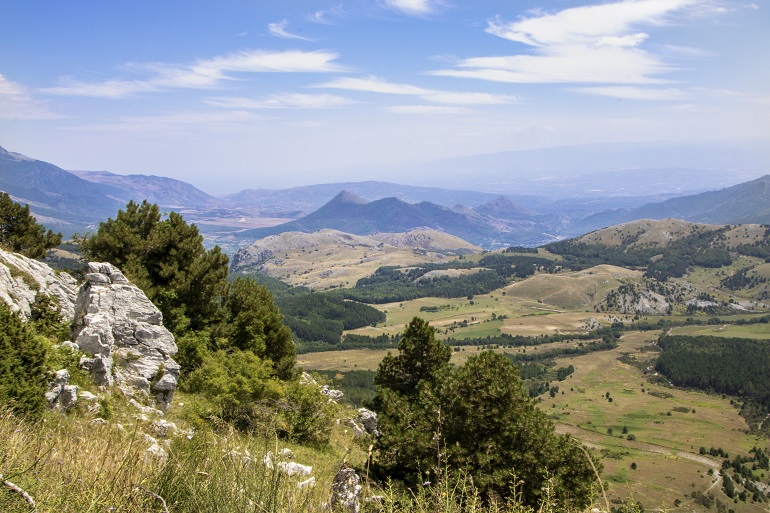
The Pollino National Park, Italy's largest protected area, stands as a remarkable example of conservation success and sustainable tourism in the Mediterranean region. The park features extraordinary biodiversity and ancient forests that have earned UNESCO World Heritage status.
Natural Heritage
The park's crown jewels are its ancient beech forests, with some specimens over 600 years old, and the legendary Heldreich's Pines, which can reach ages of 800-1,200 years. This pristine environment supports diverse wildlife, including twelve species of nesting birds of prey, such as the majestic golden eagle and the rare Egyptian vulture.
Conservation Initiatives
The park authority actively manages several vital conservation programmes, including:
- Wolf population monitoring and protection
- Ancient tree preservation
- Endangered species protection
- Biodiversity research
Recent studies have shown that rewilding efforts have successfully contributed to forest restoration and biodiversity conservation, particularly in areas where traditional land use has declined.
Sustainable Tourism
The park has earned recognition through the European Charter for Sustainable Tourism, demonstrating its commitment to responsible tourism practices. Hiking guides play a crucial role as sustainability ambassadors, helping to minimise tourism's ecological footprint while educating visitors about conservation efforts.
Visitor Guidelines
To protect this unique ecosystem, visitors should:
- Stay on marked trails
- Respect wildlife and maintain safe distances
- Carry out all waste
- Support local communities by purchasing regional products
- Use public transportation when possible
Through these conservation efforts and responsible tourism practices, Pollino National Park continues to preserve its remarkable natural heritage while providing meaningful experiences for visitors.
Visitor Centres and Educational Facilities
The Pollino National Park offers several visitor centres and educational facilities across its vast territory spanning Calabria and Basilicata regions.
Currently, visitor centres and information points are primarily operational on the Calabrian side of the park. The main centres include:
- Morano Calabro Visitor Centre
- Mormanno Visitor Centre
- Orsomarso Visitor Centre
Additional information points can be found in:
- Acquaformosa
- Belvedere Marittimo
- Sant'Agata d'Esaro
- Santa Domenica Talao
The park features an exceptional educational farm in Viggianello, where families can participate in engaging two-hour programmes. Activities include:
- Animal interaction with donkeys, goats, ducks, chickens and a pony
- Hands-on cooking workshops featuring pasta and gnocchi making
- Traditional cheese-making demonstrations
- Learning about local agriculture, including the white poor bean cultivation
- Interactive activities such as treasure hunts and riddles
The Cupone Visitor Centre serves as an environmental education centre, having been converted from an old state-owned sawmill. This centre provides valuable learning opportunities about the park's ecosystem.
Located in Trepidò, Cotronei, this innovative visitor centre utilises interactive technology to educate visitors about water resources and renewable energy sources. The facility has been thoughtfully renovated with environmental considerations in mind.