


| Contents |
|---|
Introduction
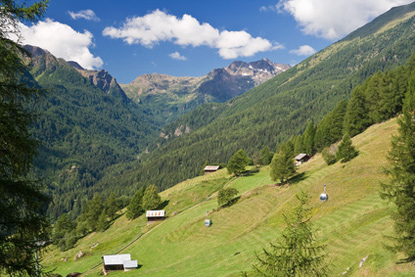
Stelvio National Park, established in 1935, stands as the largest protected area in the entire Alpine region, spanning an impressive 134,620 hectares (505 sq mi) across four Italian provinces. This remarkable park showcases diverse landscapes ranging from glaciers and alpine pastures to dense forests and waterfalls, stretching from 650 metres to a staggering 3,905 metres above sea level at the mighty King Ortles peak. Visitors can spot abundant wildlife including golden eagles, rock partridges, ibexes, chamois, badgers, mountain hares, marmots, stoats, and rare flora such as the glacier buttercup that thrives above 3,500 metres. The park offers year-round activities, from family-friendly hikes along ancient water irrigation channels called "waalwege" to challenging mountain tours, whilst history enthusiasts can explore old Venetian sawmills, traditional cheese dairies, and WWI military ruins. The park's extensive network of marked hiking trails, spanning approximately 250 kilometres, provides access to breathtaking vistas and is frequently featured in the prestigious Giro d'Italia cycling race.
Geography and Landscape
The Stelvio National Park, established in 1935, stands as the largest national park in Italy and the Alps, encompassing a vast protected area of 134,620 hectares across four Italian provinces: Trento, Bolzano, Brescia, and Sondrio.
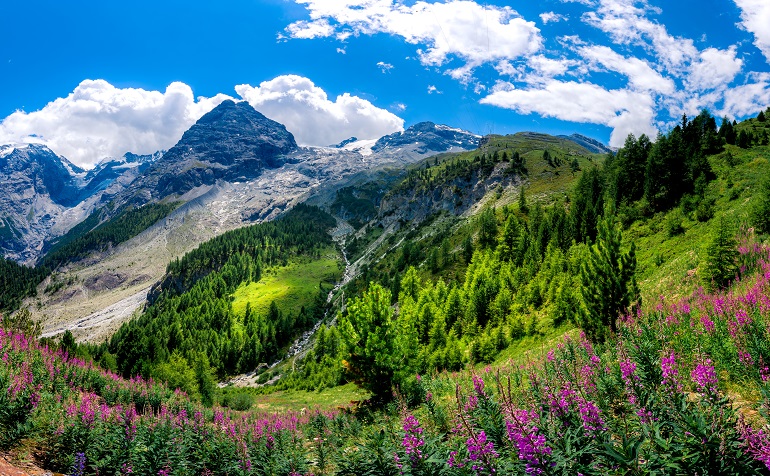
This magnificent park stretches from a mere 650 metres above sea level to the imposing peak of Ortler (Ortles) at 3,905 metres. A remarkable 75% of the park's territory lies above 2,000 metres, creating a dramatic alpine landscape. The park shares its northwestern border with the Swiss National Park and Biosfera Val Mustair in Switzerland.
The park's geology presents a fascinating mix of rock types. The mountains primarily comprise metamorphic rocks such as gneiss, phyllite, and schists, whilst the northwestern section features sedimentary rocks, predominantly dolomite. The landscape showcases:
- More than 100 glaciers, including Italy's largest, the Forni Glacier
- Numerous alpine lakes and waterfalls
- Extensive mountain meadows and valley basins
- Dense networks of streams and rivers
The park features several distinctive valleys, each with unique characteristics:
- The Cedec Valley, offering spectacular views of Gran Zebru
- The Martello Valley (Hammer Valley), known for its hiking opportunities
- The Ulten Valley (Val d'Ultimo), renowned for its scenic beauty
- The Val di Rabbi and Val di Peio valleys in the Trentino region
The park encompasses 23 towns across its territory, harmoniously blending natural landscapes with areas cultivated for centuries. Visitors can discover preserved examples of rural architecture, including traditional sawmills, alpine pastures, and cheese dairies, all testament to the region's rich cultural heritage.
The park's extensive network of paths and trails makes it accessible for visitors of varying abilities, from gentle themed walks to challenging high-altitude treks, offering a comprehensive experience of this remarkable alpine environment.
Flora and Fauna
The Stelvio National Park boasts an extraordinary biodiversity, with diverse ecosystems spanning from lush forests to high alpine meadows. This remarkable protected area, stretching across multiple Italian provinces, harbours a rich variety of plant and animal species that have adapted to the harsh mountain environment.
Flora
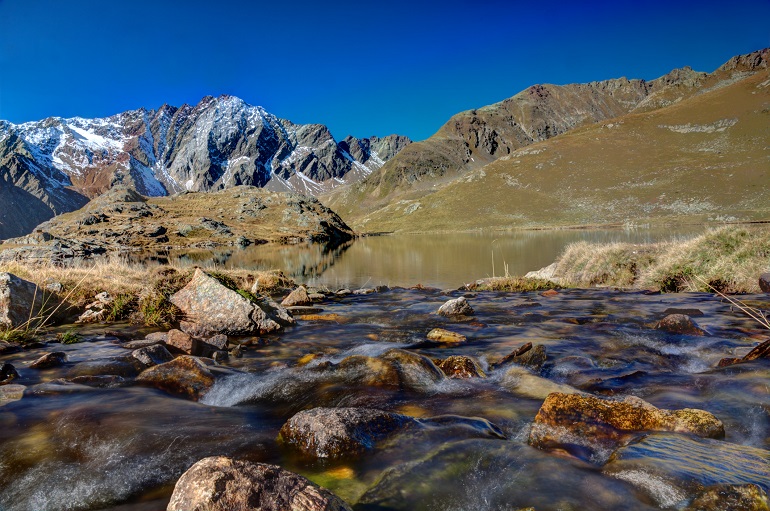
The park's vegetation varies dramatically with altitude, creating distinct botanical zones. In the lower regions, spruce and silver fir dominate the landscape, whilst Swiss pine and larch forests flourish at higher elevations. The undergrowth features vibrant patches of bilberries, whilst the high meadows burst with colour from flowering arnica and rhododendrons. Perhaps most remarkably, the glacier buttercup grows at elevations above 3,500 metres, making it one of the highest-growing flowering plants in the Alps.
Fauna
Large Mammals
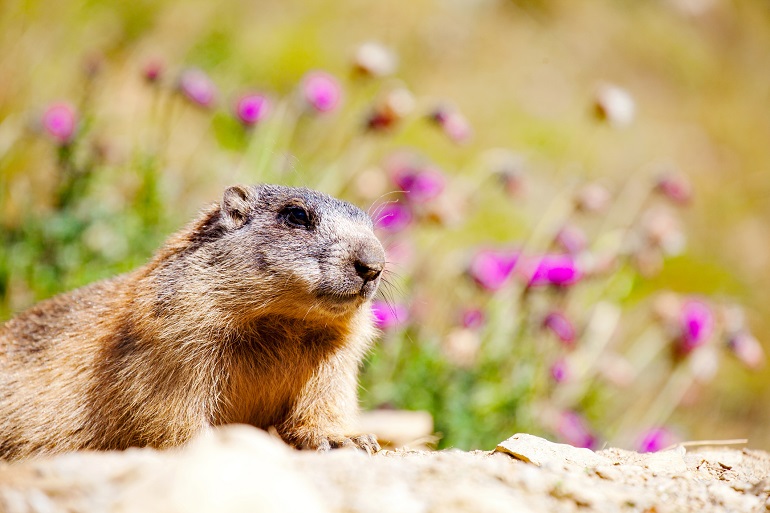
The dense woodlands provide sanctuary to numerous red deer and roe deer, whilst the higher rocky terrain is home to graceful chamois and impressive alpine ibex. The park's smaller residents include red foxes, marmots (known for their distinctive warning whistles), stoats, and various species of squirrels.
Birds of Prey
The park's skies are patrolled by magnificent birds of prey, including the golden eagle, which serves as the park's symbol. The bearded vulture, with its impressive three-metre wingspan, has been successfully reintroduced to the area. Other notable avian species include ravens, woodpeckers, grouses, and various owl species.
Aquatic Life
The park's water bodies support a variety of aquatic life, including brown trout, arctic char, and marble trout. Common frogs are well-distributed throughout the wetland areas, whilst reptiles such as the common lizard and European viper can be found in suitable habitats.
Visitor Information
The best way to observe wildlife is along the park's numerous footpaths, particularly during early morning or late evening hours. Local mountain guides can provide expert knowledge on the best locations and times for wildlife spotting. Visitors should remember that they are guests in these animals' natural habitat and maintain appropriate distances to avoid disturbing the wildlife.
Activities and Attractions
The Stelvio National Park, established in 1935, stands as Italy's largest national park, spanning over 130,000 hectares across Lombardy and Trentino Alto-Adige. This magnificent alpine reserve offers year-round activities and attractions for nature enthusiasts and adventure seekers alike.
Summer Adventures
- Hiking across 250 kilometres of marked trails suitable for various skill levels
- Rafting on the Noce River, offering a thrilling 28-kilometre journey
- Mountain biking and cycling, including the famous Stelvio Pass
- Guided nature experiences with park rangers and mountain experts
Winter Sports
- Skiing and ski touring
- Snowshoe hiking
- Cross-country skiing
- Ice climbing
- Horse-drawn sleigh rides
Cultural Attractions
The park offers fascinating cultural experiences, including visits to ancient buildings, museums, and strongholds. The Carlo Donegani Historical Museum and the Peio 1914-1918 Museum provide insights into the region's rich history. Traditional mountain farms and historic churches, such as the Church of the Visitation in Trafoi and the unique Church of San Rocco, offer glimpses into local heritage.
Visitor Facilities
Park guides are available throughout the year, offering expert-led tours and educational programmes. Visitor centres focus on different aspects of the park, including flora, fauna, history, geology, and water systems. The park also maintains various mountain refuges and huts for overnight stays.
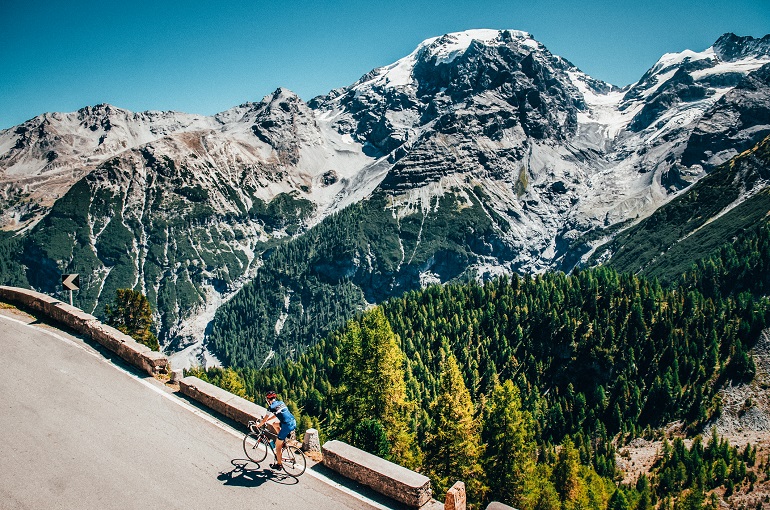
Accommodation
The Stelvio National Park offers diverse accommodation options that prioritise sustainability and harmony with the pristine Alpine environment. Visitors can choose from hotels, holiday apartments, guest houses, camping sites, and traditional farm stays nestled within the park's spectacular mountain landscape.
Accommodation Types and Features
Sustainable Lodging
Many establishments in the park have earned sustainability certifications, with some achieving ratings over 80% for their ecological and social management practices. These properties actively contribute to preserving the natural and cultural heritage of South Tyrol.
Price Ranges
- 3-star hotels average 188 euro per night
- 4-star hotels average 312 euro per night
- 5-star luxury properties average 421 euro per night
Amenities
Most accommodations offer mountain views and modern comforts whilst maintaining traditional Alpine charm. Common features include:
- Wellness facilities with saunas and spa services
- Free Wi-Fi connectivity
- Bicycle rental services
- Traditional Tyrolean restaurants
- Balconies with panoramic views
Location Benefits
Properties are strategically situated throughout the park, offering easy access to:
- Ski slopes and winter sports facilities
- Hiking and biking trails
- Thermal baths
- Traditional restaurants and mountain huts
- Protected natural landscapes
The accommodation options in Stelvio National Park emphasise connecting visitors with the unspoilt natural surroundings, providing a perfect base for exploring the park's majestic mountains, meadows, and forests.
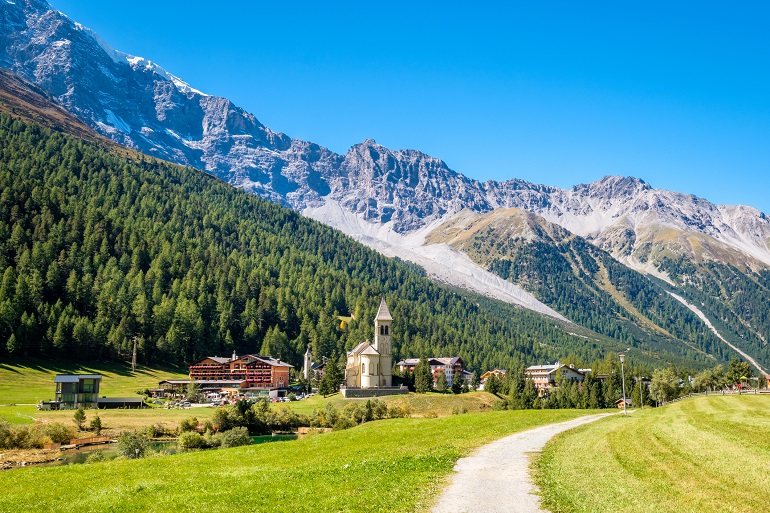
Gastronomy
The Stelvio National Park region offers a rich tapestry of Alpine gastronomy, combining culinary traditions from Valtellina, South Tyrol, and Trentino. This mountainous area is renowned for its robust flavours and authentic local ingredients that reflect centuries of cultural heritage.
Signature Dishes
The crown jewel of local cuisine is pizzoccheri, dark-coloured pasta ribbons made from buckwheat flour, traditionally served with potatoes, cabbage, and local Casera cheese. Bresaola, an exquisite air-dried beef delicacy, stands as another regional speciality, owing its distinctive taste to the unique climate of the valley.
Traditional Specialities
Mountain Staples
The region's hearty fare includes canederli (large bread dumplings seasoned with speck or local cheese) and spätzle (irregularly shaped small dumplings). Warming dishes like beef goulash are particularly popular in the South Tyrolean area.
Local Delicacies
- Sciatt: Savoury fritters made with buckwheat flour and filled with melting local cheese
- Polenta taragna: A robust mountain dish often served with local cheeses
- Stelvio DOP cheese: A semi-hard cheese with a slightly spicy and intense taste, perfectly paired with local speck
Regional Products
The area takes pride in its local produce, with most items following traditional farming methods. Buckwheat flour features prominently in regional dishes, alongside fresh mountain ingredients like cabbage, mushrooms, and an impressive variety of local cheeses. The cuisine is complemented by locally produced wines, particularly from the UNESCO-listed terraced vineyards.
The gastronomy of Stelvio National Park truly embodies the essence of Alpine cuisine, offering visitors an authentic taste of mountain traditions through simple yet flavourful preparations that have been perfected over generations.
Best Time to Visit
The Stelvio National Park is a year-round destination, with each season offering unique experiences for visitors. Here's a detailed breakdown of when to visit:
Summer (June to September)
Summer is the prime season for hiking and outdoor activities, with temperatures ranging from 10°C to 25°C. This period offers:
- Optimal conditions for mountain biking and hiking trails
- Access to all 1,500 km of walking paths
- Opportunities to spot wildlife like ibex, golden eagles, and chamois
- Guided nature walks with park tutors
Autumn (September to October)
The autumn months provide:
- Less crowded trails and facilities
- Pleasant hiking conditions
- Beautiful alpine landscapes with autumn colours
- The last chance to drive the famous Stelvio Pass before winter closure
Winter (November to May)
The park transforms into a winter sports paradise offering:
- Snowshoe hiking experiences (€35 per person, €40 with equipment rental)
- Alpine ski mountaineering opportunities
- Winter hiking trails through snowy landscapes
Note: The Stelvio Pass road is closed during this period due to snow and ice.
Practical Considerations
- The Stelvio Pass is only accessible from June to October
- For hiking enthusiasts, the optimal season is late June through October
- Summer rainfall is highest in July and August, with approximately 18 rainy days per month
- Peak temperatures in July reach around 14°C at higher altitudes
For the best balance of good weather and fewer crowds, consider visiting in June or September. These months offer ideal conditions for outdoor activities while avoiding the peak tourist season of July and August.
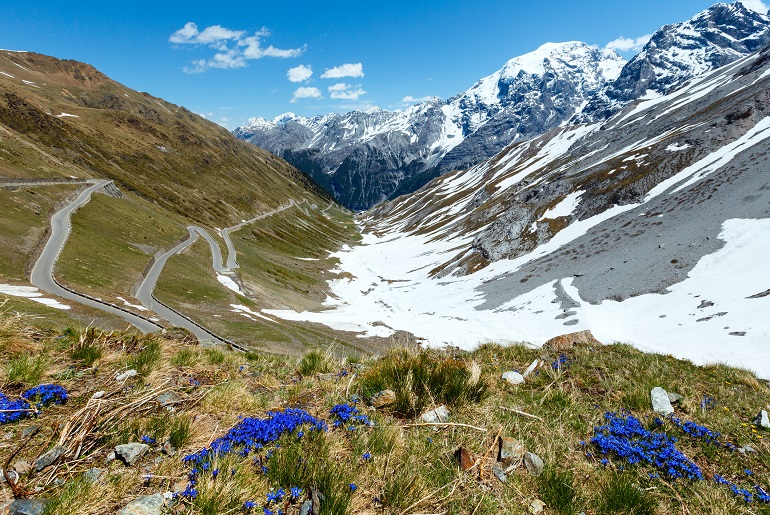
Getting There and Around
The Stelvio National Park, spanning across northeastern Italy's Ortler Alps, offers multiple transportation options for visitors seeking to explore its stunning landscapes.
Getting There
By Car
The park is accessible via several major routes:
- From Milan: A 218km journey via Lecco and Lake Como, following SS36 to SS38 through Bormio
- From Bolzano: A 105km drive along the A22 and SS38, following the Adige Valley
- From Davos (Switzerland): Via National Route 28 to Santa Maria Val Müstair and Passo Umbrail
By Air
The nearest airports include:
- Bolzano/Bozen Airport (67km)
- Milan Bergamo (112km)
- Verona (130km)
- Milan Linate (149km)
Moving Around the Park
Sustainable Transport Options
The park emphasises environmental conservation through various public transport services:
- Stelviobus Rabbi shuttle service (operates July-August)
- Regular scheduled buses
- Winter ski buses
- Summer bike buses
- Inter-hamlet shuttle services
Cycling and Mountain Biking
The park offers extensive facilities for cyclists:
- Cable cars and gondolas that accommodate bikes
- Dedicated bike shuttle services
- Private taxi services for bike transport
- Specialised mountain bike transport in restricted areas
Important Travel Tips
Seasonal Considerations
- Mountain passes (Forcola, Gavia, Stelvio, Umbrail, and Mortirolo) close during winter
- Summer months are busiest; September and October offer quieter periods
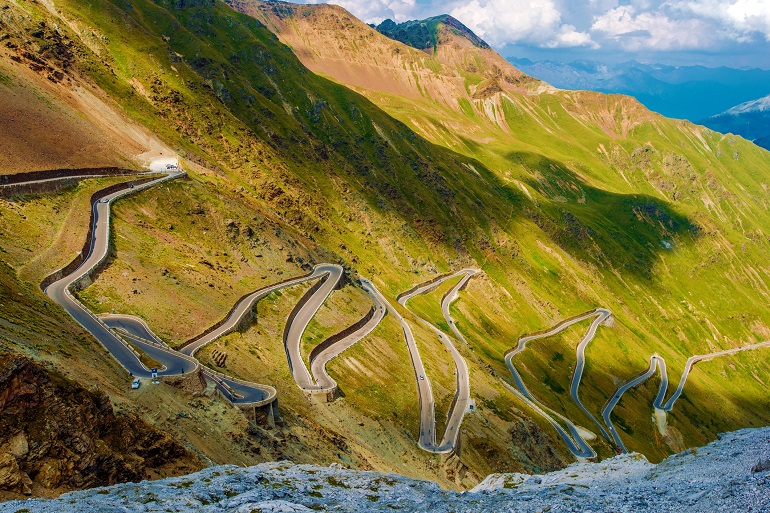
- For driving Stelvio Pass, arrive early (before 8am) or after 7pm to avoid crowds
- Weekdays are generally less crowded than weekends
Parking Facilities
Various car parks are available with different pricing tiers for cars, motorcycles, and campers. The park encourages visitors to use designated parking areas and shuttle services to minimise environmental impact.
Conservation and Responsible Tourism
The Stelvio National Park, one of Italy's oldest and largest protected areas, represents a remarkable model of sustainable conservation in the Alps. Established in 1935, this vast protected area spans across 130,000 hectares between Lombardy and Trentino-Alto Adige.
Conservation Efforts
The park serves as a crucial sanctuary for Alpine biodiversity, protecting numerous ecosystems from valley floors at 700 metres to the towering Ortles peak at 3,904 metres. A notable conservation success story is the reintroduction of the bearded vulture, which has grown from 11 chicks in 2008 to 27 young adults. The park also boasts one of the region's largest populations of marmots and golden eagles, with 26 breeding pairs currently residing within its boundaries.
Sustainable Tourism Initiatives
Charter for Sustainable Tourism
The park is a proud member of the European Charter for Sustainable Tourism network, working alongside 110 protected areas across 16 European countries. This initiative focuses on:
- Protecting natural and cultural heritage
- Improving environmental-friendly tourism
- Supporting local communities and businesses
Accommodation
The park promotes sustainable lodging options through its "Tourism and Agricultural Development" initiative, which recognises establishments that prioritise ecological and social management.
Visitor Guidelines
To preserve this pristine environment, visitors must follow these essential rules:
Transport and Access
- Use public transportation whenever possible
- Park only in designated areas
Wildlife and Nature Protection
- Stay on marked trails
- Maintain distance from wildlife
- Keep dogs leashed
- No picking of flowers, berries, or mushrooms
General Conduct
- No camping outside designated areas
- No fires permitted
- Pack out all rubbish
- Respect private property
- Maintain quiet in nature
The park's success relies on balancing conservation with sustainable development, ensuring that both natural resources and local communities can thrive while providing visitors with meaningful experiences in this extraordinary Alpine setting.
Visitor Centres and Educational Facilities
The Stelvio National Park, established in 1935, offers visitors several well-equipped visitor centres and educational facilities across its vast territory spanning Trentino-Alto Adige and Lombardy.
South Tyrol Region
- naturatrafoi: Located in Trafoi, focusing on geology, flora and fauna of the Ortler group
- aquaprad: Situated in Prato, dedicated to water ecosystems
- culturamartell: Found in Val Martello, highlighting rural cultural heritage
- avimundus: Based in Silandro, specialising in local birdlife
- lahnersäge: Located in Ultental Valley
- Rabbi Visitor Centre in Rabbi Fonti
- Peio Wildlife Centre in Runcal
- Information Points in Cogolo and Peio Fonti
- S. Antonio Valfurva Visitor Centre: Features exhibits on fauna, landscape, flora, and human structures Includes special sections dedicated to the Bearded Vulture and interactive installations
The park offers comprehensive educational programmes throughout the year, including:
- Guided nature walks
- Expert-led conferences
- Family workshops
- Documentary screenings
- Educational workshops for schools
- Interactive exhibits with augmented reality experiences
The visitor centres serve as gateways to understanding the park's diverse ecosystems, from valley floors at 650m to glacial zones at nearly 4,000m. Each centre offers unique interactive exhibits, information panels, and multimedia stations to help visitors appreciate the park's natural and cultural heritage.
For schools, the park provides specialised programmes focusing on environmental education, ecosystem understanding, and conservation awareness. These activities are designed to create a deeper appreciation of the protected area's beauty and importance.