


| Contents |
|---|
Introduction
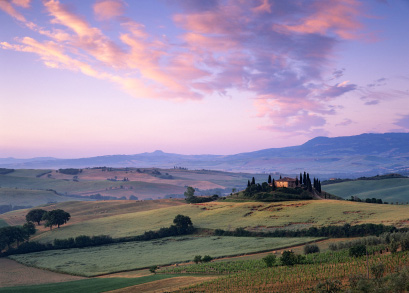
The Val d'Orcia is a region in southern Tuscany, Italy, stretching between the provinces of Siena and Grosseto, from the hills south of Siena to Monte Amiata. This UNESCO World Heritage Site features gentle, cultivated hills dotted with medieval villages, including Pienza, known as the 'Ideal City', Radicofani with its imposing castle, and Montalcino, famous for its prestigious Brunello wine. The area boasts a unique microclimate with mild winters and hot dry summers, making it ideal for wine production. The landscape encompasses the Orcia river valley and is characterised by cypress-lined roads, vineyards, olive groves, and historic farmhouses, whilst also offering thermal hot springs at Bagno Vignoni and Bagni San Filippo. The region is renowned for its high-quality local produce, including Pienza's pecorino cheese, extra virgin olive oil, saffron, truffles, and game.
Interesting Facts about Val d'Orcia
- Val d'Orcia is a UNESCO World Heritage Site recognised for its Renaissance-era agricultural landscape and harmonious aesthetics.
- The region’s iconic cypress-lined roads and rolling hills have inspired countless Renaissance paintings and modern photography.
- Pienza, a 15th-century town within Val d'Orcia, was designed as an "ideal city" under Pope Pius II.
- Montalcino, one of Val d'Orcia’s hilltop villages, is renowned for producing the prestigious Brunello di Montalcino wine.
- The ancient Roman Via Francigena, a major pilgrimage route, traverses the Val d'Orcia countryside.
- Bagno Vignoni, a medieval village in the area, features a unique thermal spring pool instead of a traditional town square.
- Val d'Orcia’s Orcia DOC wines are crafted from Sangiovese grapes grown between Montalcino and Montepulciano.
- The landscape preserves centuries-old farmland layouts, reflecting innovative medieval land-management systems.
- Local specialities include Pienza’s pecorino cheese, saffron, and truffles sourced from the surrounding hills.
- The Abbey of Sant'Antimo, a Romanesque masterpiece near Montalcino, still hosts Gregorian chants daily.

History
The Val d'Orcia, a region in Tuscany stretching from the hills south of Siena to Monte Amiata, has been shaped by centuries of human influence. The area's history is deeply intertwined with the Via Cassia, an ancient Roman road connecting Rome to Northern Italy. During the 14th and 15th centuries, Sienese merchants settled in the valley, meticulously planning it to create both an efficient agricultural region and an aesthetically pleasing landscape. The area reached its peak of development in the Renaissance period, particularly when Enea Silvio Piccolomini, who later became Pope Pius II, transformed his birthplace of Corsignano into Pienza, creating an ideal Renaissance town. After Siena's power weakened in the late 16th century, the Val d'Orcia experienced economic decline, which inadvertently helped preserve its traditional land-use patterns and Renaissance character. In 2004, UNESCO recognised the valley's cultural significance by designating it as a World Heritage Site.
Main Attractions
Val d'Orcia, a UNESCO World Heritage Site since 2004, is a countryside region in southern Tuscany characterised by rolling hills, medieval villages, and cypress-lined roads.
Historic Towns and Villages
Montalcino
- 14th-century fortress
- Home of Brunello di Montalcino wine production
Montepulciano
- Hilltop village with views of Val d'Orcia and Val di Chiana
- Renaissance palaces
- Piazza Grande at its centre
Pienza
- 15th-century Renaissance architecture
- Transformed by Pope Pius II

San Quirico d'Orcia
- 12th-century Collegiate Church
- Horti Leonini Renaissance garden
- Historical centre along Via Francigena
Natural and Cultural Sites
Thermal Baths
- Bagni San Filippo with natural hot springs
- Bagno Vignoni, historic thermal centre
Religious Architecture
- Abbey of Sant'Antimo near Castelnuovo dell'Abate
- Chapel of Madonna di Vitaleta, a Renaissance structure
Historic Fortifications
- Radicofani Fortress with archaeological museum
- Rocca di Tentennano from the 13th century
- Rocca Aldobrandesca ruins
Notable Viewpoints
- Podere Belvedere
- Cypress avenue of San Quirico d'Orcia
- Campi Elisi (Gladiator Avenue)
Local Cuisine
The Val d'Orcia's cuisine reflects its agricultural heritage, featuring handmade pici pasta - thick spaghetti-like noodles served with various sauces including garlic (aglione), game ragù, or breadcrumbs. Traditional soups are central to the region's gastronomy, particularly the bread soup made with stale bread and beans. The area is known for its high-quality meats, including the distinctive Cinta Senese cured meats from acorn-fed pigs, and speciality dishes like scottiglia, a mixed meat stew prepared with veal, chicken, pork and game. Local delicacies include snails from San Quirico, seasonal truffles and wild mushrooms, whilst Pecorino cheese from Pienza is a notable dairy product. The cuisine relies heavily on local extra virgin olive oil, which is used generously in most dishes.
Getting There & Around
Accessing Val d'Orcia in Tuscany requires careful planning, particularly without a car. The direct bus from Florence's Autostazione to Biv.Torrenieri runs twice weekly, taking 1 hour 47 minutes and costing €9-12. Alternatively, travellers can take a train to Chiusi-Chianciano Terme station, with services running every 45 minutes from Florence (1.5-2 hours) or hourly from Rome (1.5 hours). From Chiusi, local buses connect to towns like Pienza, Montalcino, and Montepulciano, though service is infrequent. Whilst public transport can reach the main towns, exploring the countryside and moving between locations is challenging without private transport. For more flexibility, visitors can hire a private driver (NCC) or join guided tours departing from towns such as Montepulciano, Pienza, or Montalcino.
Best Time to Visit
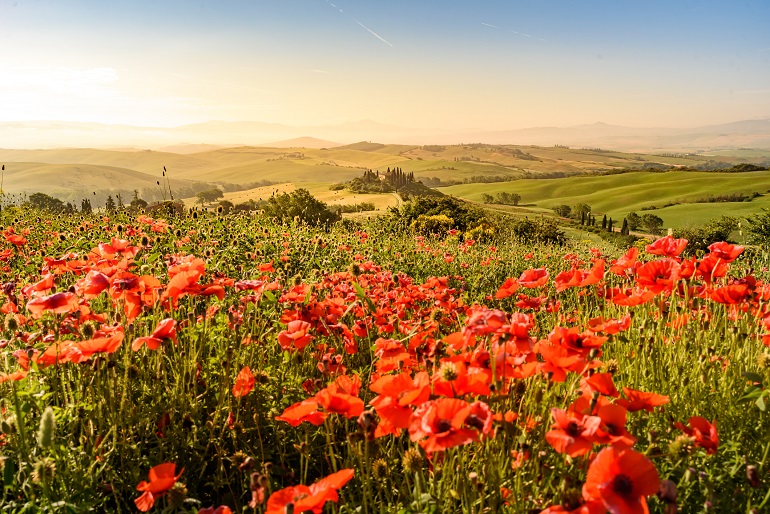
The optimal times to visit Val d'Orcia are late April to early June and mid-October to mid-November. Spring offers bright green rolling hills dotted with yellow rapeseed fields and red poppies, whilst autumn presents opportunities to witness the wine harvest and possible morning fog over the hills. Both seasons enjoy mild temperatures, with spring highs around 19°C and autumn highs around 22°C. Summer (July-August) brings golden wheat fields but temperatures soar to 30°C and tourist numbers increase significantly. Winter, though less popular, remains relatively mild with temperatures rarely dropping below freezing, and the region's hot springs offer a warm respite. Rainfall is most common in November, though October through April can experience occasional precipitation.