Introduction
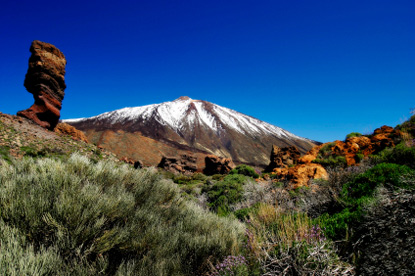
Teide National Park, located in the centre of Tenerife in the Canary Islands, Spain, is home to Mount Teide, the highest peak in Spain at 3,718 metres and the third highest volcano in the world from its ocean floor base at 7,500 metres. Established as a national park on 22 January 1954 and declared a UNESCO World Heritage Site in 2007, the park covers an area of 18,900 hectares within the municipality of La Orotava. It is the most visited natural wonder in Spain, the most visited national park in Europe, and by 2016 had reached a record 4,079,823 visitors annually. The park centres around a massive caldera formed approximately 300,000 years ago when a volcano collapsed, creating a striking lunar landscape of lava, pumice and rock that hosts rare endemic flora and fauna. Visitors can explore the park through 41 well-signposted hiking routes, take the cable car up Mount Teide (which requires a free permit to reach the summit), visit the Teide Observatory, or explore the fascinating Roques de García rock formations.
Geography and Landscape
Teide National Park, located on the island of Tenerife in the Canary Islands, is a striking volcanic landscape dominated by Mount Teide, Spain’s highest peak at 3,718 metres above sea level. This UNESCO World Heritage Site spans 18,900 hectares and showcases an extraordinary geological history shaped by millions of years of volcanic activity.
Volcanic Features and Landforms
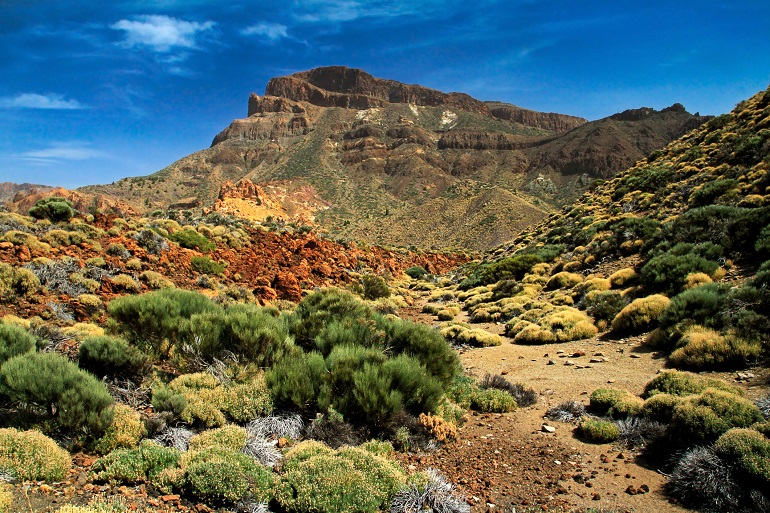
The park is centred around the Teide-Pico Viejo stratovolcano, a massive volcanic complex that includes Mount Teide and its neighbouring peak, Pico Viejo. The base of this volcanic structure lies within the Las Cañadas caldera, a vast horseshoe-shaped depression approximately 15 kilometres in diameter. The caldera’s floor sits at an altitude of 2,000–2,200 metres and is surrounded by steep escarpments, such as Mount Guajara to the south. The landscape is further enriched by smaller formations like Montaña Blanca and Roques de García, which add to the park’s unique topography.
Mount Teide itself is a prominent volcanic cone with steep slopes ranging between 20° and 40°. Its summit features a small crater known as El Pitón, while Pico Viejo boasts a larger crater measuring 800 metres in diameter. These features reflect different phases of volcanic activity and highlight the park’s geodiversity.
Dramatic Contrasts in Terrain
The park offers a dramatic contrast between its rugged volcanic terrain and the surrounding environments. At lower altitudes, visitors encounter humanised landscapes with agricultural activity. As the elevation increases, dense pine forests give way to barren volcanic plains dominated by lava flows and pyroclastic deposits. The stark, otherworldly appearance of the park is accentuated by its multicoloured rock formations, which reveal layers of geological history.
Atmospheric Phenomena
One of the most captivating aspects of Teide National Park is its atmospheric phenomena. The trade winds often create a "sea of clouds" below the park’s high-altitude terrain, offering breathtaking views from above. This interplay between clouds and clear skies enhances the visual impact of the landscape, creating constantly shifting textures and tones.
A Geological Wonder
Teide National Park is not only a natural wonder but also a geological treasure trove that provides insight into the processes that shape our planet. Its combination of towering peaks, expansive calderas, and intricate volcanic features makes it one of Europe’s most remarkable landscapes.

Flora and Fauna
The Teide National Park boasts a remarkable collection of plant and animal species that have adapted to the harsh conditions of this volcanic environment. With extreme temperature variations, intense sunlight, high altitude and limited moisture, the species that thrive here are truly exceptional.
Flora
The plant world is one of the outstanding features of the Teide National Park, with 168 vascular plant species that have evolved remarkable adaptations to survive in this challenging environment. Over 50% of these plants are endemic, with 58 species endemic to the Canary Islands and 33 endemic to Tenerife. Most impressively, 12 species are found exclusively within the National Park.
Notable Plant Species
The most dominant plants in the park include:
- Teide White Broom (Cytisus supranubius): Features striking white and pink flowers
- Canary Island Wallflower (Erysimum scoparium): Displays beautiful white and violet blooms
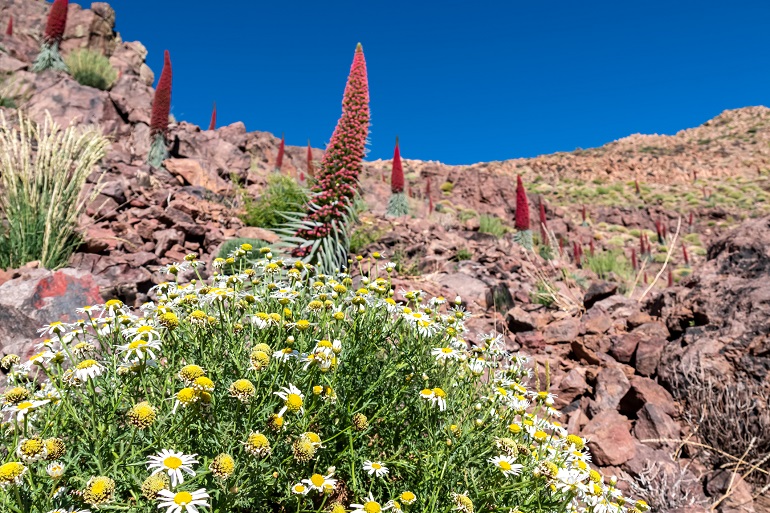
- Teide Bugloss (Echium wildpretii): Forms a spectacular pyramid of red flowers reaching up to 3 metres in height
The Teide Violet (Viola cheiranthifolia) is particularly remarkable as it can be found right up to the summit, making it the highest flowering plant in Spain. Together with the Teide Bugloss and Teide Broom, it forms the trio of the most striking species in the National Park.
Plant Adaptations
These plants have developed fascinating adaptations to survive, including:
- Semi-spherical growth forms
- Downy or waxy protective coverings
- Reduced leaf area to minimise water loss
- High flower production
The flowering season typically occurs in late spring to early summer (May-June), transforming the volcanic landscape with a burst of colour.
Fauna
While the vertebrate fauna is somewhat limited compared to the plant diversity, the invertebrate fauna is extraordinarily rich.
Invertebrates
The park hosts an impressive array of over 700 invertebrate species, with more than 40% being endemic. This includes 70 species found exclusively within the National Park. The most diverse groups include:
- Spiders
- Beetles
- Dipterans (flies)
- Hemipterans (true bugs)
- Hymenopterans (bees, wasps, ants)
During spring, the abundant flowering plants attract swarms of insects, which in turn attract predatory arthropods, creating a bustling ecosystem.
Vertebrates
Birds
About ten bird species nest in the park, including:
- Blue Chaffinch (Fringilla teydea teydea)
- Berthelot's Pipit (Anthus berthelotii berthelotii)
- Atlantic Canary (Serinus canaria)
- Canary Islands Kestrel (Falco tinnunculus canariensis)
- Great Grey Shrike
- Blue Tit
- Chiffchaff
Reptiles
Three endemic reptile species can be found in the park:
- Canary Island Lizard (Gallotia galloti galloti): The most emblematic animal of the park, with males growing to over 30 cm and displaying striking violet-blue gills
- Canary Island Wall Gecko (Tarentola delalandii)
- Canary Island Skink (Chalcides viridanus viridanus)
Mammals
Bats are the only native mammals in the park, with Leisler's bat (Nyctalus leisleri) being the most common species. The Canary Island Long-eared Bat (Plecotus teneriffae) is endemic to the Canary Islands.
Other mammals present in the park have all been introduced by humans, including mouflons, rabbits, house mice, black rats, feral cats, and Algerian hedgehogs.
Visiting the Teide National Park offers a unique opportunity to witness these remarkable species in their natural habitat, creating an experience that feels like exploring another planet with its otherworldly landscapes and unique biodiversity.
Activities and Attractions
Teide National Park, the Canary Islands' largest national park and a UNESCO World Heritage site, offers visitors a spectacular volcanic landscape dominated by Mount Teide, Spain's highest peak at 3,718 metres. This extraordinary geological treasure presents a diverse range of activities and attractions that make it an essential destination for any Tenerife itinerary.
Cable Car Experience
The Mount Teide Cable Car is one of the most popular ways to explore the park, whisking visitors up to La Rambleta at 3,555 metres. From this vantage point, you can access several trails:
- La Fortaleza Viewpoint Trail: Offering magnificent views of the north of the island and the famous "sea of clouds"
- Pico Viejo Viewpoint Trail: Providing spectacular vistas of the southern slopes and neighbouring islands on clear days
Hiking Adventures
Teide National Park offers 41 hiking trails suitable for various skill levels, from leisurely strolls to challenging summit ascents. Here are some of the most notable trails:
1. Sendero de los Roques de García
- Distance: Approximately 3.5 km
- Duration: 1.5 to 2 hours
- Difficulty: Easy
- Description: This popular circular trail takes you past some of the park's most iconic rock formations. It's a great option for families and those looking for a scenic, easy hike.
2. Montaña Blanca to La Rambleta
- Distance: Approximately 8 km to La Rambleta
- Duration: 6 to 8 hours
- Difficulty: Challenging
- Description: This trail is the main route to the summit if you prefer not to use the cable car. It's steep and demanding, making it more suitable for experienced hikers. No permit is required for this section, but it's essential to bring supplies as there are no facilities along the way.
3. Telesforo Bravo Trail (Summit Trail)
- Distance: Approximately 1.5 km from La Rambleta to the summit
- Duration: 1 to 2 hours from La Rambleta
- Difficulty: Very challenging due to altitude and steepness
- Description: This trail leads to the very top of Mount Teide. A permit is required for this final ascent, and hikers must be prepared for high altitude conditions.
4. Parador Nacional to Montaña Guajara Circuit Trail
- Distance: Approximately 16 km
- Duration: 4 to 6 hours
- Difficulty: Moderate
- Description: This circuit trail offers stunning views of Mount Teide and the surrounding landscape. It's a great option for those seeking a more leisurely hike with panoramic views.
5. La Fortaleza Trail
- Distance: Approximately 3 km to the viewpoint
- Duration: 1 to 2 hours
- Difficulty: Easy to moderate
- Description: This trail leads to a flat-topped massif with continuous views of Mount Teide. It's a leisurely walk suitable for most hikers.
6. Arenas Negras Trail
- Distance: Approximately 6 km
- Duration: 2 to 2.5 hours
- Difficulty: Moderate
- Description: Located in the Corona Forestal Natural Park, this trail offers a unique experience through pine forests and volcanic landscapes with stunning views of Mount Teide.
Tips for Hiking in Teide National Park:
- Altitude Acclimatization: Be aware of the risk of altitude sickness, especially on longer hikes.
- Weather Conditions: Check forecasts before setting out, as weather can change rapidly.
- Permits: Required for summiting Mount Teide via the Telesforo Bravo trail.
- Equipment: Wear sturdy hiking boots and bring plenty of water and snacks.
- Guided Tours: Consider joining a guided tour for more challenging hikes or sunrise ascents.
Astronomical Experiences
Teide National Park is renowned for its exceptional stargazing conditions:
- Sunset and Stargazing Tours: Watch the sun set from high on the volcano and then observe the night sky
- Tenerife Observatory Visits: View the galaxy, Jupiter's moons, and Saturn's rings through professional telescopes
Notable Geological Attractions
- Roques de García: The park's most photographed rock formations, including the iconic Roque Cinchado (also known as "God's Finger")
- Cañadas del Teide Caldera: A massive volcanic basin formed 300,000 years ago, creating the park's distinctive lunar landscape
- Pico Viejo: The second highest peak in the park with its impressive crater
Practical Information
- Entrance Fee: None
- Permits: Only required for summiting Pico del Teide
- Parking: Free throughout the park but fills quickly during peak seasons
- Accommodation: Parador de Las Cañadas del Teide offers luxury lodging within the park
Whether you're interested in geology, hiking, astronomy, or simply taking in breathtaking landscapes, Teide National Park offers a truly unique experience that showcases the raw beauty of volcanic nature.
Accommodation
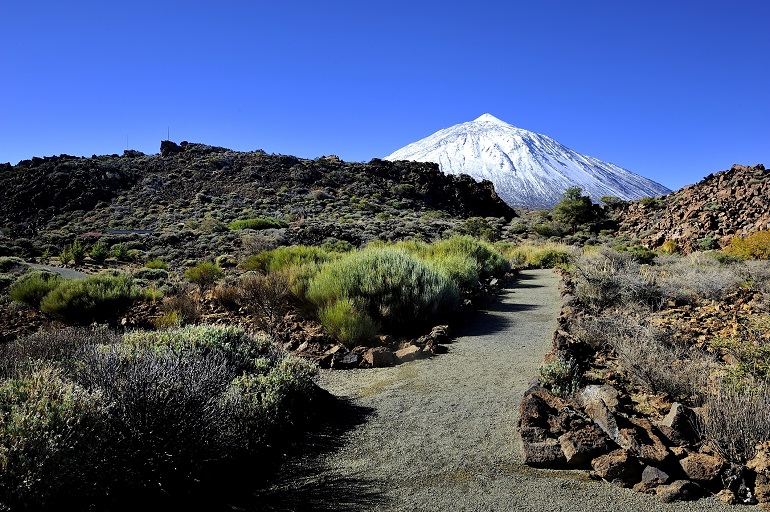
Teide National Park, located on Tenerife in the Canary Islands, offers a range of accommodation options catering to different preferences and budgets. Staying within or near the park provides visitors with easy access to its stunning volcanic landscapes, hiking trails, and unique natural beauty.
Accommodation Options
- Within the Park: For those seeking a truly immersive experience, staying within Teide National Park allows direct access to its trails and breathtaking views. This option is ideal for stargazing enthusiasts, as the area benefits from minimal light pollution.
- Nearby Towns: The surrounding towns, such as Vilaflor and La Orotava, provide excellent alternatives. These locations are a short drive from the park and offer a mix of rustic charm and modern amenities. Staying here also allows visitors to acclimatise to the altitude before exploring the park's higher elevations.
- Rural Retreats: For a tranquil escape, rural accommodations in the vicinity of the park offer peaceful settings surrounded by nature. These lodgings often feature traditional Canarian architecture and provide a cosy atmosphere for relaxation.
- Luxury Stays: Upscale options near the park cater to those seeking premium comfort. These accommodations often include wellness facilities, gourmet dining, and spacious rooms with spectacular views.
Practical Considerations
When choosing accommodation near Teide National Park, consider factors such as proximity to key attractions, availability of parking, and access to hiking trails. Many lodgings also provide information on local activities, making it easier to plan your visit. Regardless of where you stay, booking in advance is recommended, especially during peak travel seasons.
Gastronomy
Teide National Park, nestled in the heart of Tenerife, offers visitors not only stunning volcanic landscapes but also a taste of the island’s rich culinary heritage. The gastronomy here is deeply rooted in Canary Island traditions, blending simple, hearty flavours with local ingredients that reflect the unique environment.
Traditional Flavours
The cuisine in Teide National Park often features classic Canarian dishes such as papas arrugadas (wrinkled potatoes) served with mojo sauces. These sauces, typically made from garlic, peppers, olive oil, and spices, come in red or green varieties and perfectly complement the salty crust of the potatoes. Another staple is gofio, a traditional roasted grain flour used in various dishes like stews and desserts, showcasing its versatility and historical significance.
Local Ingredients
The park’s gastronomy highlights locally sourced ingredients such as Canary Island cheeses, tropical fruits like pineapple and banana, and fresh seafood from the surrounding waters. These ingredients are often combined in creative ways to produce dishes that are both comforting and unique to the region. For example, you might find roasted bread with spinach and mushrooms paired with smoked cheese or mini arepas filled with marinated tofu or goat meat.
Dining Amidst Nature
Dining in Teide National Park is an experience that goes beyond the food itself. Many eateries are situated amidst breathtaking volcanic scenery, offering panoramic views of rugged landscapes and endemic flora. Whether enjoying a picnic at one of the recreational areas or indulging in a meal at Spain’s highest restaurant, visitors are treated to an unforgettable combination of gastronomy and nature.
Picnic Culture
For those seeking a more casual experience, picnic spots such as Las Lajas and Chío provide a chance to enjoy homemade meals surrounded by Canarian pine forests. These areas are equipped with barbecue facilities and tables, making them ideal for families looking to savour traditional flavours while immersed in the park’s serene atmosphere.
A Culinary Journey
Teide National Park’s gastronomy is a reflection of Tenerife’s broader culinary identity—simple yet flavourful dishes steeped in tradition. Whether you opt for a hearty stew like sancocho or explore innovative combinations of local produce, dining here is an essential part of experiencing the island’s culture.
Getting There and Around
Teide National Park, home to Spain's highest peak, Mount Teide, is a must-visit destination in Tenerife. Here's a comprehensive guide on how to reach and explore this stunning natural wonder.
Getting to Teide National Park
By Car
Driving is the most convenient way to reach Teide National Park. There are four main routes:
- From Santa Cruz or La Laguna: Take TF-24 to TF-21
- From Puerto de la Cruz or La Orotava: Take TF-21
- From Los Gigantes: Take TF-38, which connects to TF-21
- From Playa de las Américas or Los Cristianos: Take TF-21 via Vilaflor
The journey takes about 1-1.5 hours from most parts of the island. Roads are in good condition, but mind the 70 km/h speed limit within the park.
By Bus
Public transport options are limited but available:
- Bus 348 from Puerto de la Cruz
- Bus 342 from Costa Adeje (Playa de las Américas)
These buses run once daily, so check the timetables in advance and plan accordingly.
Organised Tours
For a hassle-free experience, consider booking an organised tour. Many operators offer excursions that include transport, cable car tickets, and sometimes even permits to the summit.
Exploring the Park
Cable Car
The Teide Cable Car is the quickest way to reach high altitudes. It takes you from the base station to La Rambleta (3,555 m) in just 8 minutes. Book tickets in advance, especially during peak seasons.
By Car
A rental car offers the most flexibility for exploring the park. You can easily stop at various viewpoints (miradores) and trailheads. However, parking can be limited at popular spots.
On Foot
For hiking enthusiasts, Teide National Park offers numerous well-marked trails. The most challenging is the ascent to the peak, which requires a permit if you're visiting after 9 am.
Park Shuttle
From about 10:45 to 16:00, a shuttle bus (line 341) circles between El Portillo and Parador del Teide, stopping at key points including the Visitor Centre and cable car station.
Tips for Visitors
- Book cable car tickets and summit permits well in advance.
- Start your visit early to avoid crowds and midday heat.
- Bring warm clothing, as temperatures can be significantly cooler at higher altitudes.
- Carry plenty of water and snacks, as facilities are limited within the park.
- Consider staying overnight at the Parador de Las Cañadas del Teide for a unique experience and early access to trails.
Whether you're seeking breathtaking views, unique geological formations, or challenging hikes, Teide National Park offers an unforgettable experience. Plan your visit carefully to make the most of this remarkable landscape.

Best Time to Visit
Teide National Park, a UNESCO World Heritage site in Tenerife, Spain, offers breathtaking landscapes and unique experiences year-round. However, to make the most of your visit, consider the following recommendations:
Time of Day
For the best experience, plan your visit to Teide National Park in the late afternoon, ideally arriving after 4:00 pm or even later at 5:00-6:00 pm. This timing offers several advantages:
- Fewer crowds, as most tourists visit between 9:00 am and 4:00 pm
- Spectacular sunset views
- Opportunity for stargazing after dark
If you wish to summit Pico del Teide, the highest peak in Spain at 3,718 metres, you have two options:
- Obtain a permit for access between 9:00 am and 5:00 pm
- Hike early in the morning before 9:00 am without a permit
Season
While Teide National Park is accessible year-round, November is an excellent time to visit due to smaller crowds and pleasant weather. However, be prepared for potential snow at higher elevations.
Cable Car Visits
If you plan to use the cable car, consider these peak times:
- Best days: Mondays, Fridays, and Saturdays
- Optimal hours: 12:00 pm to 4:00 pm
Remember to book your cable car tickets in advance, especially during summer months.
Weather Considerations
Tenerife enjoys a consistent climate with an average temperature of around 20°C throughout the year. However, temperatures can be significantly cooler at higher elevations in Teide National Park. Always check the weather forecast and dress appropriately, wearing layers and sturdy footwear.
By planning your visit thoughtfully, you can enjoy the majestic beauty of Teide National Park whilst avoiding crowds and experiencing its most captivating moments.

Conservation and Responsible Tourism
Teide National Park, a UNESCO World Heritage Site, is a natural treasure located on Tenerife in the Canary Islands. It is renowned for its volcanic landscapes, unique biodiversity, and cultural significance. To ensure its preservation for future generations, the park has implemented robust conservation measures and promotes responsible tourism practices.
Conservation Efforts
- Reforestation and Biodiversity Protection
Following the devastating wildfire of 2023, extensive reforestation efforts are underway. The Wolfredo Wildpret Botanical Garden Nursery has been expanded to produce 140,000 plant specimens by 2026. Endemic species such as the Teide violet and Canary cedar are being cultivated to restore damaged ecosystems. Fencing has also been installed in certain areas to protect young plants from herbivores like rabbits and mouflons until they mature enough to withstand grazing.
- Monitoring Ecosystems
Scientific studies monitor the impact of climate change and introduced species on the park’s ecosystems. Measures include fencing off degraded areas to allow natural recovery and managing herbivore populations that threaten native flora.
- Fire Prevention and Habitat Restoration
Fire surveillance systems and habitat restoration projects aim to mitigate risks and repair damage caused by natural disasters. These efforts ensure the survival of threatened species and maintain ecological balance.
- Zoning and Visitor Management
To minimise human impact, the park uses zoning systems that regulate activities in different areas. Lookout points, designated trails, and interpretation centres guide visitors while protecting sensitive habitats.
Responsible Tourism Practices
- Eco-Friendly Travel Tips
Visitors are encouraged to carry reusable water bottles, avoid littering, and stay on marked trails. Recycling facilities are available throughout the park to reduce waste.
- Sustainable Transportation
To reduce carbon emissions, visitors are advised to use shared transport services or join guided tours instead of driving personal vehicles. Car use is discouraged during peak hours to minimise congestion.
- Educational Programmes
Guided tours and educational materials provide insights into the park’s geological significance and conservation efforts. These programmes foster awareness about preserving natural habitats and biodiversity.
- Support Sustainable Businesses
Choosing accommodations and tour operators that follow sustainable practices contributes to the park’s environmental goals. Many local businesses implement renewable energy solutions and eco-friendly initiatives.
Visitor Guidelines
- Respect wildlife by observing from a distance.
- Avoid picking plants or removing rocks as souvenirs.
- Dispose of cigarette butts responsibly; they are a major pollutant in natural spaces.
- Plan your visit during less crowded times (e.g., early mornings or late afternoons) to reduce strain on resources.
A Model for Sustainable Tourism
Teide National Park exemplifies how conservation can coexist with tourism. By engaging in reforestation, ecosystem monitoring, and sustainable visitor management, it ensures that its unique landscapes remain pristine while offering enriching experiences for travellers.
For those visiting Tenerife, exploring Teide National Park responsibly is not just an opportunity to witness nature’s grandeur but also a chance to contribute to its preservation—ensuring this remarkable site endures for generations to come.
Visitor Centres and Educational Facilities
Teide National Park, a UNESCO World Heritage Site in Tenerife, offers a range of visitor centres and educational facilities that provide insight into its unique geology, flora, fauna, and cultural heritage. These centres are ideal for enhancing your visit with interactive exhibits, guided tours, and educational programmes.
1. Teide Legend Visitors’ Centre
Located at the base station of the Teide Cable Car (km 43 of TF-21), this centre combines science, culture, and entertainment:
- Exhibits: The "Science and Legend" exhibition contrasts the Guanche legend of Mount Teide with scientific explanations of its volcanic activity.
- Facilities: Includes a café with panoramic views, a shop with souvenirs and merchandise like the "Volcano Teide Legend" comic, and sanitary areas.
- Access: Free entry to the café and shop; tickets required for the exhibition (free for children under 13). Discounts are available for purchases in the shop or café.
- Opening Hours: Open daily, including when the cable car is closed due to weather conditions.
2. El Portillo Visitors’ Centre
Situated near the northern entrance of the park:
- Highlights: Features an exhibition room, a model of Tenerife, and a passage replicating a volcanic tunnel.
- Botanical Garden: Displays over 75% of the park’s plant species, including the iconic *tajinastes*.
- Screenings: A film about the park is continuously shown in its screening room.
- Access: Free entry.
3. Telesforo Bravo Visitors’ Centre
Located in La Orotava (exit 34 of TF-5 motorway), this centre explores the park’s biological, geological, and ethnographic treasures:
- Interactive Displays: Includes models, volcanic tube simulations, and historical exhibits.
- Accessibility: Fully adapted for visitors with mobility or sensory impairments.
- Adjacent Garden: Features native flora of Tenerife.
- Opening Hours: Tuesday to Sunday, 9:00–14:00 and 15:30–18:00. Free entry.
4. Cañada Blanca Visitors’ Centre
Housed within Las Cañadas del Teide Parador (km 46.5 of TF-21):
- Exhibits: Focuses on flora, fauna, geology, and climate of the park.
- Unique Feature: A recreated volcanic pipe and interactive displays.
- Access: Free entry.
5. Educational Programmes
Teide National Park offers environmental education initiatives aimed at raising awareness about its natural and cultural values:
- School Programmes: Lectures in schools followed by guided tours tailored to students’ age and abilities.
- Guided Tours: Free tours departing from Cañada Blanca or Portillo Alto Park Office (advance booking required).
6. GeoTenerife Field School
For those interested in volcanology or geology:
- Programmes: Offers field training camps in collaboration with leading institutions.
- Activities: Include hands-on research in Teide National Park and other unique locations.
These centres provide a comprehensive understanding of Teide National Park’s wonders while ensuring accessibility for all visitors. Whether you’re exploring volcanic legends or delving into scientific insights, these facilities enrich your experience in one of Europe’s most remarkable natural landscapes.