Spain Guide  |
|---|
|
| | Top Spanish Cities |
|---|
|
| | Spanish Regions |
|---|
|
| | Europe Guide |
|---|
|
| | Travel Tools |
|---|
|
|
|
|
The Best National Parks in Spain
Introduction
Spain boasts 16 national parks scattered across the Iberian Peninsula, the Canary Islands and the Balearic Islands. These protected areas showcase Spain's remarkable biodiversity, from dramatic mountain ranges like the Picos de Europa and Sierra Nevada to volcanic formations in Teide and Timanfaya, and from dense forests in Aigüestortes to the vital wetlands of Doñana. Four of these natural treasures—Doñana, Teide, Garajonay, and Monte Perdido—have been recognised as UNESCO World Heritage sites. Each park offers visitors unique experiences throughout the year. The Picos de Europa, Spain's first national park established in 1918, features limestone massifs, mountain pastures and spectacular gorges, whilst the Sierra Nevada contains Mulhacén, the highest peak in the Iberian Peninsula at 11,423 ft. More recent additions include Sierra de las Nieves, designated in 2021, which is home to 1,500 different plant species and the tallest Spanish fir tree on the peninsula. These parks provide excellent opportunities for hiking, wildlife observation, and experiencing Spain's diverse natural landscapes.
Northern Spain
| Picos de Europa National Park |
|---|

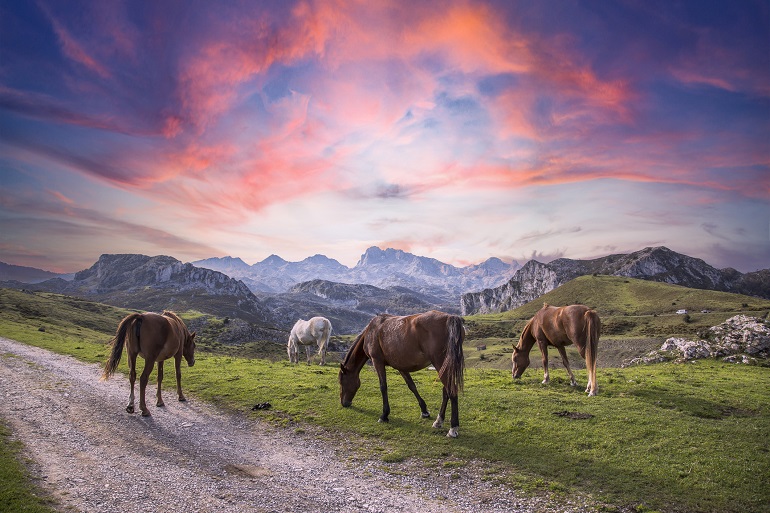
 The Picos de Europa National Park offers visitors a remarkable combination of natural beauty and cultural heritage. As Spain's first National Park, established in 1918, it features breathtaking limestone landscapes with razor-sharp peaks, the highest being Torre Cerredo at 2,650 metres. The park is home to diverse wildlife including brown bears, Iberian wolves, chamois goats and bearded vultures. Visitors can explore over 30 self-guided routes, numerous viewpoints, and enjoy free guided tours available from July to September. Beyond natural wonders, the area boasts rich cultural treasures including prehistoric cave paintings, Roman archaeological remains, traditional stone architecture, and significant religious sites such as the Basilica of Covadonga and Santo Toribio de Liebana monastery, which houses one of the largest fragments of Christ's Cross. The park's unique status as Spain's only inhabited National Park allows visitors to experience authentic rural life alongside exceptional gastronomic offerings like Cabrales cheese and Asturian cider. |
|
Ordesa y Monte Perdido National Park |
|---|

Ordesa y Monte Perdido National Park, established in 1918, is the second oldest national park in Spain and was declared a UNESCO World Heritage Site in 1997. The park features spectacular glacial valleys, deep canyons, cascading waterfalls, and impressive peaks, including Monte Perdido, which at 3,355 metres is the third highest mountain in the Pyrenees and the highest limestone mountain in Europe. Visitors can explore diverse ecosystems with over 150 species of animals and 106 types of birds whilst enjoying activities such as hiking to the famous Cola de Caballo waterfall, rock climbing, or visiting the dramatic Añisclo Canyon with its vertical walls and deep ravines. The park's rich biodiversity, pristine natural landscapes, and well-maintained trail network attract more than 600,000 visitors annually, making it one of Spain's most popular national parks. |
In Central Spain
|
Sierra de Guadarrama National Park |
|---|
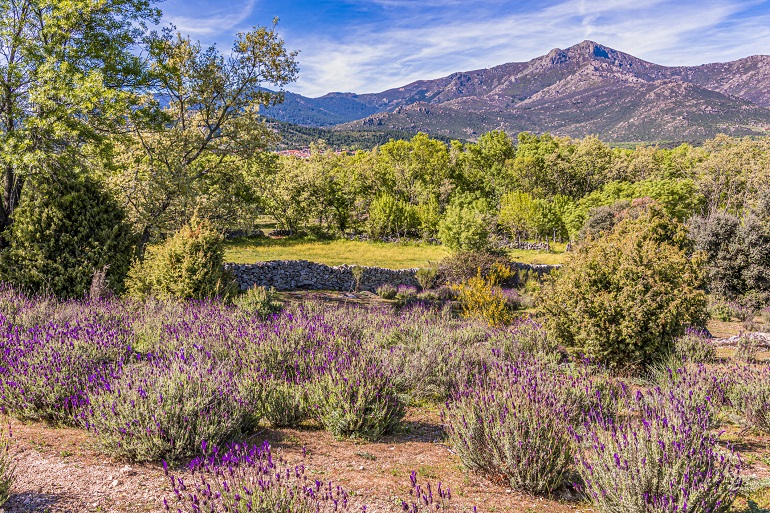
 Sierra de Guadarrama National Park offers a captivating blend of natural beauty and rich cultural heritage. Declared a National Park in 2013, it boasts diverse landscapes including iconic peaks like Peñalara, ancient forests, granite formations such as La Pedriza, and glacial lagoons. The park's historical significance spans centuries, having served as a natural barrier between Christian and Muslim kingdoms during the Reconquest and later as a battleground during the Peninsular War and Spanish Civil War. Visitors can enjoy a variety of activities throughout the seasons, from hiking and mountain biking to winter sports on snow-covered slopes and swimming in natural pools during warmer months. The area has inspired Spanish artists and writers throughout history, with figures like Velázquez painting these mountains and the Marquis of Santillana writing his Serranillas here. Its ecological importance is evident in its rich biodiversity, providing habitat for numerous plant and animal species including golden eagles and deer. |
|
Cabañeros National Park |
|---|
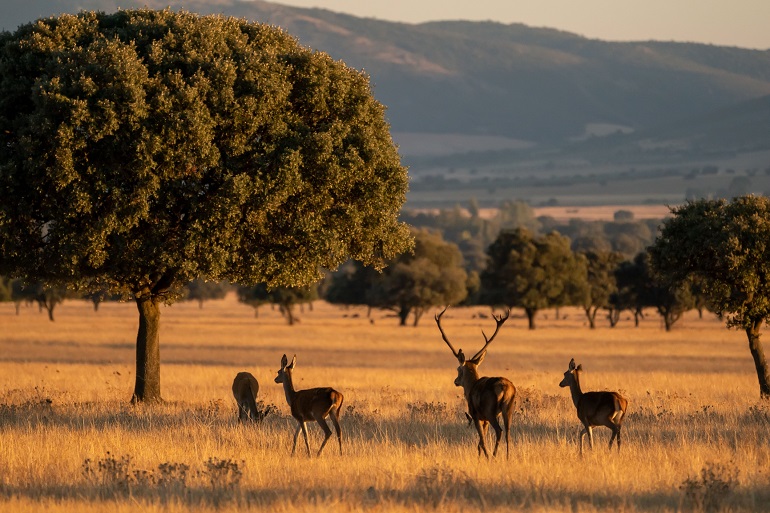
Cabañeros National Park offers visitors the chance to experience Europe's great Mediterranean forest in its intact form, home to endangered Iberian fauna and fossils over 500 million years old. The park's name derives from the traditional huts used by shepherds and charcoal burners who once inhabited the area. With more than 1,000 plant species, the landscape features a mix of "rañas" (plains) and open forests where visitors can observe large mammals such as Spanish ibex, deer, and roedeer, as well as impressive birds of prey including the Spanish Imperial eagle and black vulture. The rutting season (September-October) provides a spectacular opportunity to witness deer mating rituals with their distinctive bellowing calls. Beyond wildlife observation, the park offers various activities including 4x4 tours, cycling, walking routes, rock climbing, kayaking and horse riding, making it suitable for adventurous travellers and families alike. |
In Southern Spain
|
Doñana National Park |
|---|

Doñana National Park offers visitors a remarkable diversity of ecosystems within a single protected area, including wetlands, marshes, mobile sand dunes, Mediterranean forests, and coastal landscapes. As a UNESCO World Heritage Site and Biosphere Reserve, it serves as one of the largest breeding grounds for herons in the Mediterranean and hosts over 500,000 wintering waterfowl annually. Wildlife enthusiasts can observe some of the planet's most endangered species, such as the Iberian lynx and Spanish imperial eagle, alongside more than 400 bird species, including spectacular flamingo colonies. The park's historical significance dates back to 1262 when it became a favoured hunting reserve for Spanish kings, later preserved for 500 years by the Dukes of Medina Sidonia. Today, visitors can explore this natural treasure through guided 4x4 tours, kayaking, paddle boarding, hiking trails, or boat trips along the Guadalquivir River, all whilst learning about the importance of environmental conservation from expert guides. |
|
Sierra Nevada National Park |
|---|
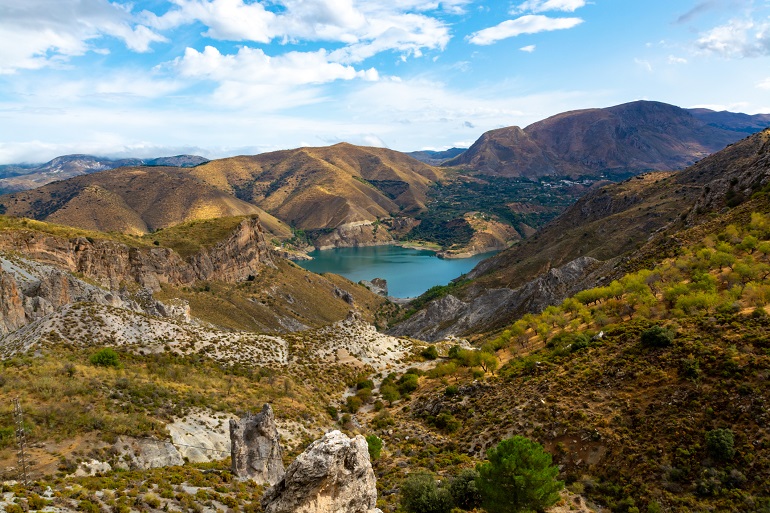
Sierra Nevada National Park offers a diverse landscape of deep valleys, glacial lagoons, and extensive alpine meadows, making it a paradise for outdoor enthusiasts. Visitors can challenge themselves by climbing Mulhacén Peak (3,482 metres), the highest point in the Iberian Peninsula, or explore the beautiful Hondera Lagoon in the Siete Lagunas valley. The park boasts the largest population of endemic plant species in Europe, with over 2,000 species of which 70 are found nowhere else on Earth. Wildlife enthusiasts can spot Spanish ibex, wild boar, badgers, wildcats, and golden eagles in their natural habitat. Beyond natural attractions, the park offers exceptional stargazing opportunities, with clear skies allowing visitors to see other galaxies on cloudless nights. Adventure seekers can enjoy activities ranging from mountain biking and hiking to night skiing on floodlit pistes, whilst history buffs will appreciate the rich cultural heritage visible in the charming villages scattered throughout the region. |
In the Canary Islands
| Teide National Park ※ |
|---|

Mount Teide, a stratovolcano rising 3,718 metres above sea level and 7,500 metres from the ocean floor, stands as the third-tallest volcanic structure in the world and Spain's highest peak. The national park surrounding it spans 18,990 hectares and features unique geological formations, including lava fields, craters, and the iconic Roques de García rock formations. The aboriginal Guanches considered Teide sacred, believing it to be the gate to hell (Echeyde), and archaeological sites within the park attest to this cultural significance. The park houses several dining establishments, including Spain's highest restaurant which serves local cuisine with panoramic views. The site also hosts the Observatorio del Teide with its renowned telescopes, making it an excellent location for stargazing. The park's 'Science and Legend' exhibition tells the tale of Tenerife's largest volcanic eruption from both scientific and Guanche perspectives, whilst the last actual eruption occurred in 1909. |
| Garajonay National Park ※ |
|---|
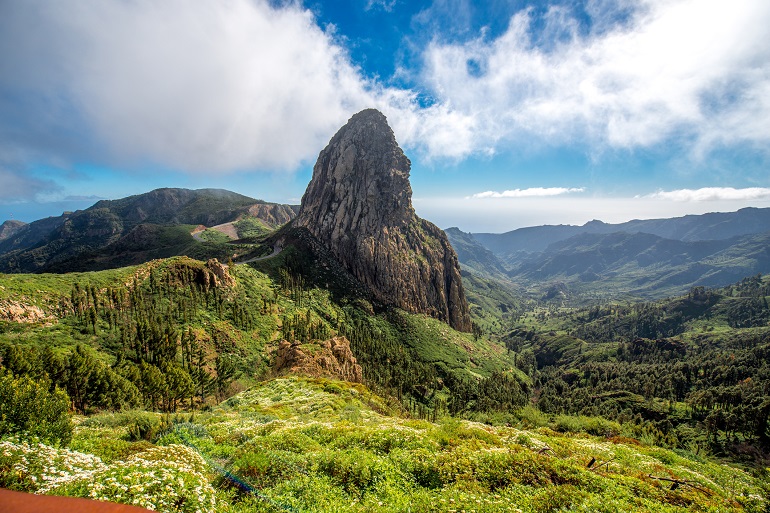
Garajonay National Park, a UNESCO World Heritage Site since 1986, is home to a rare and ancient laurel forest that once covered much of Southern Europe. The park's name comes from a tragic Guanche legend about star-crossed lovers Gara and Jonay. Visitors can explore 18 hiking trails, including the popular Route 1 to Laguna Grande, and ascend Alto de Garajonay, the island's highest point at 1,487 metres, offering panoramic views of neighbouring Canary Islands on clear days. The park boasts impressive biodiversity, including the critically endangered Gomera giant lizard and endemic bird species like the Bolles pigeon. Interestingly, the nearby village of Agulo is an excellent place to experience the unique Silbo Gomero, a whistled language used historically to communicate across the island's deep valleys. |
Discover other great natural parks in other parts of Europe!
| Britain's Best National Parks |
|---|

Discover Britain's most stunning national parks from the rugged Cairngorms to the picturesque Lake District. Explore hiking trails, wildlife, and breathtaking landscapes across the UK.
|
| France's Best Nature Parks |
|---|

Discover France's breathtaking national and regional parks, from the alpine peaks of Vanoise to the volcanic landscapes of Auvergne and the Mediterranean beauty of Mercantour.
|
| Best Natural Parks in Germany |
|---|

Discover Germany's most stunning national parks, from alpine Berchtesgaden to the lake-filled Müritz. Explore hiking trails, wildlife, and breathtaking landscapes in these protected natural treasures.
|
| Italy's Best Natural Parks |
|---|

Discover Italy's most stunning national parks from Pollino to Gran Sasso. Explore ancient forests, cascading waterfalls, and UNESCO sites in this comprehensive travel guide to Italy's natural wonders.
|
|


 : Local interest
 : Moderately interesting
 : Outstanding place
 : Must-see in the country
 : Top cities in Europe