


| Contents |
|---|
Introduction
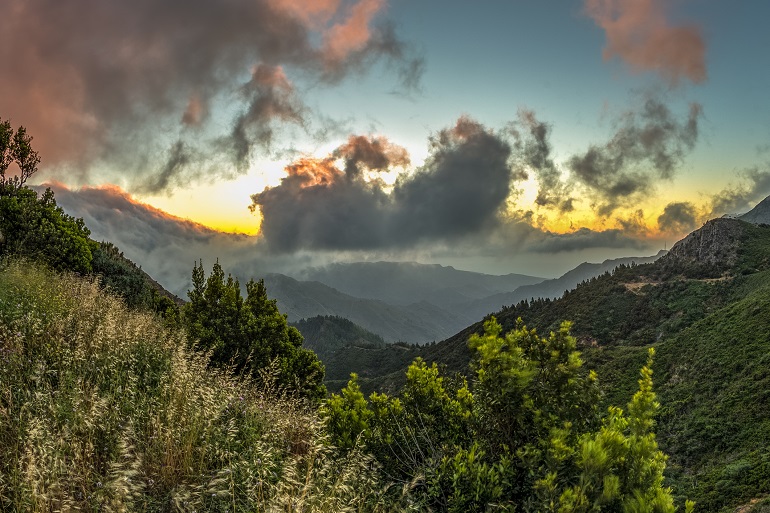
Garajonay National Park is located in the centre and north of La Gomera, one of the Canary Islands in Spain. Established as a national park in 1981 and declared a UNESCO World Heritage Site in 1986, it covers approximately 40 square kilometres (15 square miles) and extends into all six municipalities on the island. The park is named after the rock formation of Garajonay, which at 1,487 metres (4,879 ft) represents the highest point on the island. Garajonay is renowned for its prehistoric laurisilva forest, a type of subtropical vegetation that once covered much of southern Europe but now survives primarily in this protected area. The park's unique microclimate, characterised by mild temperatures and high humidity, supports an extraordinarily diverse ecosystem with over 1,000 species of invertebrates, many of which are endemic to La Gomera. Visitors can explore the park via a network of 18 footpaths, with facilities including the Juego de Bolas Visitor Centre, which offers exhibitions, gardens with native flora, and information about the park's natural and cultural heritage.
Geography and Landscape
Garajonay National Park, situated in the heart of La Gomera in Spain's Canary Islands, boasts a captivating and diverse landscape that beckons travellers from around the world.
Geographical Features
The park occupies approximately 40 square kilometres of La Gomera's central plateau, encompassing parts of all six municipalities on the island. At its core stands the imposing Alto de Garajonay, the park's namesake and the island's highest point, reaching an elevation of 1,487 metres above sea level.
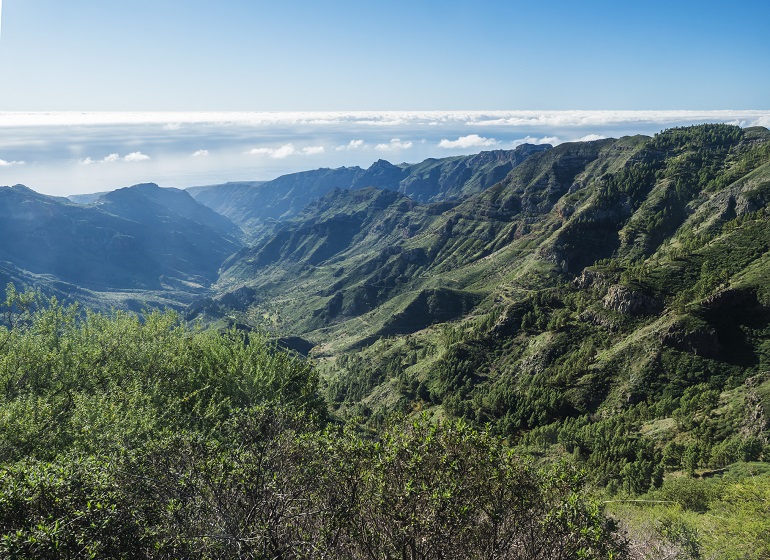
The park's terrain is characterised by a gently sloping plateau, ranging from 790 to 1,400 metres in altitude. This central area is surrounded by steep escarpments that descend towards the park's boundaries, creating a dramatic contrast in the landscape.
Volcanic Heritage
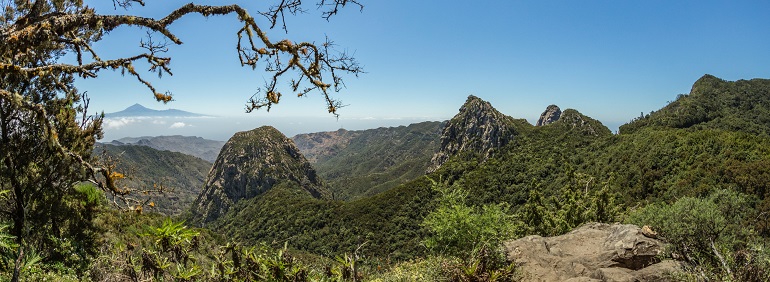
Garajonay's geological makeup is predominantly volcanic, with ancient basaltic lava flows forming the foundation of the park. Millions of years of erosion have sculpted this volcanic landscape, resulting in a series of striking features:
- Deep ravines (barrancos) carved by winter rainfall
- Spectacular rock formations known as 'roques' or pitons
- Volcanic dykes that punctuate the terrain
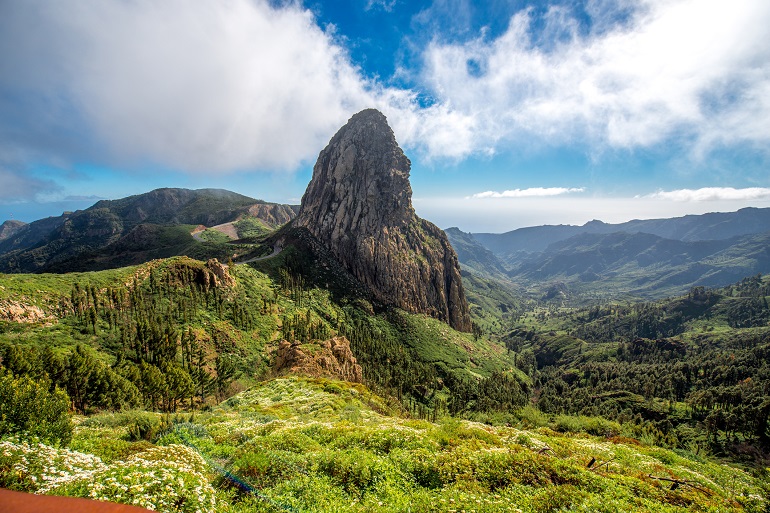
Among the most notable geological landmarks are Los Roques, a collection of imposing rocky masses that greet visitors at the park's southern limits. These include the Roques de Carmona, Zarcita, Ojila, and the awe-inspiring Roque de Agando.
Misty Microclimate
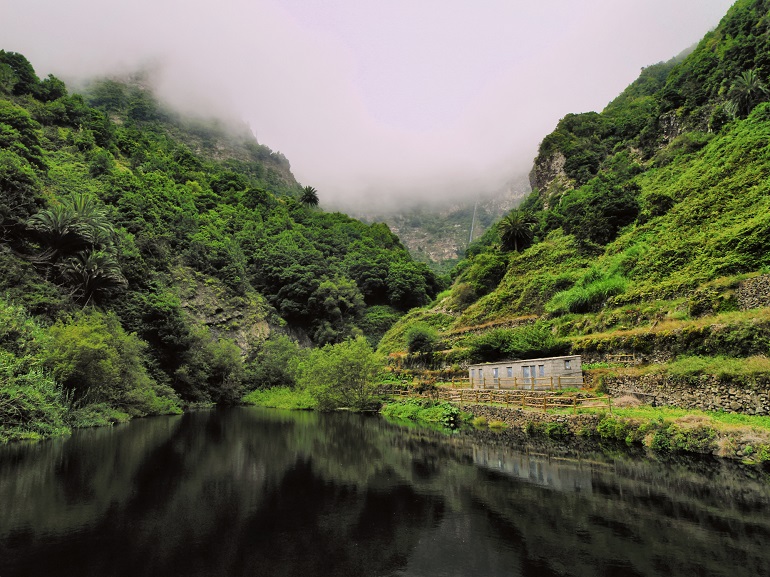
The park's unique geography contributes to its distinctive microclimate. The central plateau often finds itself shrouded in mist, created by trade winds pushing moisture-laden air up the island's slopes. This persistent fog plays a crucial role in maintaining the park's lush environment, compensating for the lack of summer rainfall.
Panoramic Vistas
For those seeking breathtaking views, the Alto de Garajonay offers unparalleled panoramas. On clear days, visitors can enjoy sweeping vistas across La Gomera and even glimpse neighbouring Canary Islands.
Trail Network
Garajonay National Park is crisscrossed by an extensive network of hiking trails, allowing visitors to immerse themselves in its diverse landscapes. With 18 well-maintained footpaths, ranging from gentle walks to challenging treks, the park caters to all levels of hikers and nature enthusiasts.
Flora and Fauna
Garajonay National Park, located on the Canary Island of La Gomera, is a treasure trove of unique flora and fauna, offering visitors a glimpse into a prehistoric world of lush forests and endemic species.
Flora
The park is renowned for its ancient laurel forest, or 'laurisilva', which covers about 70% of the area. This prehistoric forest, a relic from the Tertiary period, is characterised by evergreen trees with laurel-like leaves, creating a misty, humid ecosystem that feels almost magical.
Key plant species include:
- Canary laurel (Laurus azorica)
- Viñatigo (Persea indica)
- Barbusano (Apollonia barbujana)
- Til (Ocotea foetens)
- Palo blanco (Picconia excelsa)
The park boasts over 450 plant species, with an impressive number of endemics:
- 81 endemic to the Canary Islands
- 34 endemic to La Gomera
- 8 found only within the park itself
Other notable flora includes the Canary Island palm, dragon blood trees, and various species of heather and ferns. The forest floor is carpeted with mosses and lichens, adding to the enchanting atmosphere.
Fauna
Garajonay's unique ecosystem supports a diverse array of animal life, particularly invertebrates and birds.
Birds
The park is home to several endemic bird species, including:
- Bolle's pigeon (Columba bollii)
- Laurel pigeon (Columba junoniae)
These rare pigeons are closely associated with the laurel forest and are of significant conservation importance.
Other notable bird species include:
- Eurasian sparrowhawk (Accipiter nisus granti)
- Canary Islands chiffchaff (Phylloscopus canariensis)
- Berthelot's pipit (Anthus berthelotii)
Reptiles and Amphibians
While not abundant due to the cool, humid climate, several interesting species can be found:
- Gomeran lizard (Gallotia caesaris gomerae)
- Gomeran skink (Chalcides viridanus coeruleopunctatus)
- Gomeran gecko (Tarentola gomerensis)
- Mediterranean tree frog (Hyla meridionalis)
Mammals
The park's mammalian fauna is limited but includes:
- Four species of bats, including the Madeira pipistrelle (Pipistrellus maderensis)
- Introduced species such as rabbits and feral cats
Invertebrates
Garajonay is particularly rich in invertebrate life, with over 1,000 species recorded. Many of these are endemic, reflecting the park's isolation and unique conditions. The invertebrate fauna plays a crucial role in the forest ecosystem.
Visitors to Garajonay National Park will be enchanted by its primeval atmosphere and the opportunity to observe unique species found nowhere else on Earth. The park's biodiversity, particularly its ancient laurel forest and endemic wildlife, makes it a must-visit destination for nature enthusiasts and those interested in ecological conservation.
Activities and Attractions
Garajonay National Park is one of La Gomera's most captivating treasures. This ancient laurel forest, a relic from the Tertiary Age, covers approximately 4,000 hectares and offers visitors a magical landscape that seems plucked from a fairy tale.
Hiking Trails
Garajonay National Park offers an extensive network of 18 well-marked hiking trails, catering to a wide range of abilities and interests. Here are some of the most notable trails:
Easy Trails
- La Laguna Grande Trail: This easy and accessible route is perfect for those who want to immerse themselves in the laurel forest without too much effort. The trail circles an open clearing, providing a great starting point for more in-depth exploration.
- Barranquillos Trail: An 0.8 km trail that takes approximately 20 minutes, suitable for families and beginners.
- Canada de Jorge Trail: A 3.4 km easy trail taking about 80 minutes, offering a gentle introduction to the park's flora.
- La Laguna Grande II Trail: A 4.2 km easy walk that takes around 2 hours, ideal for those seeking a leisurely hike.
Intermediate Trails
- Contadero – Alto Garajonay – Contadero: A 2.5 km trail taking about 90 minutes, offering a moderate challenge with scenic views.
- Pajarito – Alto – Pajarito: A 4.6 km hike taking 2 hours and 45 minutes, suitable for those seeking a bit more challenge without extreme difficulty.
- Laguna Grande – Alto Garajonay – Laguna Grande: A 10.2 km trail taking about 6 hours, providing a comprehensive experience of the park's landscapes.
Challenging Routes
- Pajarito – Chorro del Cedro – Tajaque – Pajarito: A 16.1 km difficult hike taking about 9 hours, ideal for experienced hikers seeking a full-day adventure.
- Garajonay Circular Route: A challenging 16 km trail taking 7-9 hours with significant elevation changes, perfect for discovering the park's best landscapes in a single day.
Special Trails
- El Cedro Trail: This route takes you through some of the thickest and wettest sections of the laurisilva, featuring waterfalls and streams.
- Ascent to Alto de Garajonay: For the more adventurous, the climb to Alto de Garajonay offers spectacular views across the island and, on clear days, neighbouring islands.
Tips for Hiking
- Adequate Equipment: Wear comfortable hiking shoes and layered clothing, as the climate can vary greatly within the park. Don't forget a waterproof jacket, as fog is common.
- Respect for Nature: Garajonay National Park is a protected area. It is important to respect the park rules, do not leave waste, and do not collect plants or disturb the animals.
- Local Guide: Consider the option of a guided tour. Local guides can offer insights into the park's flora, fauna, and geology, making your visit even more informative and enjoyable.
Must-See Attractions
- Alto de Garajonay: Standing at 1,487 metres, this is La Gomera's highest point, offering spectacular panoramic views across the island and, on clear days, neighbouring islands including La Palma, El Hierro and Tenerife
- Los Roques: Impressive volcanic rock formations dotted throughout the landscape, with Roque de Agando being particularly striking
- La Laguna Grande: A recreational area with a circular clearing surrounded by vegetation where, according to local legend, witches gathered for their covens. The area features picnic facilities and a restaurant
- Raso de la Bruma: A mysterious, fog-shrouded area with an abundance of ferns, fungi and moss creating a ghostly atmosphere
- La Meseta de Vallehermoso: Home to one of the most beautiful linden forests in the Canary Islands
- El Cedro Forest: A fairytale-like woodland with streams and spectacular spots such as the viewpoint of the waterfall of El Chorro del Cedro
Cultural Experiences
- Silbo Gomero: Visitors can witness demonstrations of the unique whistling language native to La Gomera
- Guided Tours: The park offers guided excursions that can be booked at the visitor centre or by calling +34 922 80 03 90
- Visitor Centre: The Juego de Bolas Visitor Centre provides valuable information about the park's botany and history

Accommodation
Whilst there are no lodging options within the boundaries of Garajonay National Park itself, visitors have a wide range of accommodation choices available in the surrounding areas of La Gomera. The park's central location on the island means that it is easily accessible from various towns and villages, making it convenient for travellers to explore the park whilst staying in different parts of La Gomera.
Nearby Options
Visitors can find a variety of accommodation types in the vicinity of the park, including:
- Hotels
- Aparthotels
- Holiday rentals
- Rural houses
- Guesthouses
These options cater to different budgets and preferences, from luxury resorts to more modest, family-run establishments.
Location Considerations
When choosing accommodation, consider staying in one of the nearby towns or villages, such as:
- Agulo
- Hermigua
- Vallehermoso
- San Sebastián de La Gomera
These locations offer easy access to the park and provide a range of amenities for visitors.
Booking Tips
- It is advisable to book accommodation in advance, especially during peak tourist seasons.
- Consider the proximity to park entrances and hiking trails when selecting your lodging.
- Some accommodations may offer guided tours or information about the park, which can enhance your visit.
Remember that staying outside the park allows you to experience the local culture and cuisine of La Gomera whilst still enjoying easy access to the natural wonders of Garajonay National Park.
Gastronomy
Garajonay National Park, nestled in the heart of La Gomera, offers visitors not only breathtaking natural beauty but also a chance to savour the unique flavours of Canarian cuisine. The park's gastronomy is deeply rooted in local traditions and ingredients, providing a delightful culinary experience for hikers and nature enthusiasts alike.
Traditional Dishes
One of the most iconic dishes you'll encounter in Garajonay is the hearty watercress stew. This warming soup combines fresh watercress with vegetables like pumpkin and courgette, often served with a piece of corn on the cob. It's the perfect meal to rejuvenate after a long walk through the park's misty laurel forests.
Another must-try delicacy is almogrote, a flavourful spread made from aged goat's cheese, spicy peppers, tomatoes, and garlic. Its pâté-like texture makes it ideal for spreading on bread or pairing with the famous Canarian wrinkly potatoes, known as papas arrugadas.
Local Ingredients
The park's unique microclimate contributes to the quality of local produce used in traditional recipes. Gofio, a flour made from roasted grains, is a staple ingredient in many dishes and can be enjoyed in various forms, from savoury stews to sweet desserts.
Freshly caught fish from the surrounding waters often features on menus, typically grilled or fried to perfection. For meat lovers, rabbit in herb and white wine sauce (conejo en salmorejo) and kid meat (cabrito) are local specialities worth trying.
Desserts and Beverages
To satisfy your sweet tooth, indulge in traditional Gomeran desserts such as quesillo, a type of caramel pudding, or bienmesabe, a delightful almond cream with egg yolk and honey. These treats perfectly complement the island's aromatic coffees and locally produced wines.
Dining Experience
While enjoying your meal, you'll likely be surrounded by the park's lush vegetation and perhaps even enveloped in the magical mist that often shrouds the forest. This unique setting enhances the dining experience, allowing visitors to truly immerse themselves in the flavours and atmosphere of Garajonay National Park.
Getting There and Around
Getting to La Gomera
To visit Garajonay National Park, you'll first need to reach La Gomera:
- By Ferry: The most common route is taking a ferry from Los Cristianos port in Tenerife. Several daily ferries operate, with companies like Naviera Armas and Fred Olsen offering services. The journey takes about 50 minutes to an hour.
- By Air: La Gomera Airport receives flights from Tenerife North Airport, though options are limited.
Reaching the Park
Once on La Gomera, you have several options to get to Garajonay National Park:
- By Car: Renting a car is the most flexible option. The main road GM-1 crosses the park, offering easy access from San Sebastián de La Gomera, the island's capital.
- By Bus: GuaguaGomera operates public buses that connect major towns to the park. Line 1 from San Sebastián de La Gomera to Pajaritos is particularly useful, with several daily departures.
- By Taxi: Taxis are available but can be costly for longer journeys.
Exploring the Park
Once in the park, here are your options for getting around:
- Hiking: An extensive network of well-marked trails crisscrosses the park. Popular routes include the Laguna Grande trail, El Cedro trail, and the ascent to Alto de Garajonay.
- Guided Tours: Consider booking a guided tour for in-depth information about the park's flora, fauna, and geology.
- Cycling: While challenging due to the terrain, mountain biking is possible on certain routes for experienced cyclists.
Tips for Visitors
- Plan Ahead: Bus services are limited, so check timetables carefully if using public transport.
- Arrive Early: If taking the bus, arrive at the main bus station well in advance to secure a seat, especially during peak seasons.
- Weather Preparedness: The park's microclimate can be misty and cool. Bring layers and waterproof clothing.
- Respect Nature: Stay on marked trails and follow park rules to preserve this unique ecosystem.
Best Time to Visit
Garajonay National Park, located on the enchanting island of La Gomera in the Canary Islands, is a haven for nature lovers and those seeking an unforgettable experience amidst lush subtropical forests. The park's mild and temperate climate makes it an ideal destination throughout the year, but certain periods offer unique experiences.
When to Visit for Optimal Conditions
- March to June: This period is highly recommended for visitors interested in witnessing the vibrant flora of the park. During these months, the plants are in full bloom, creating a kaleidoscope of colours and scents that enhance the beauty of the laurisilva forest.
- Summer (July to September): While this is the driest and hottest period, the park's microclimate ensures that the heat remains pleasant, especially in the northern areas. This time is ideal for those who prefer drier conditions and are not particularly interested in the blooming flora.
- Winter (November to February): Although this is the rainiest period, the rain showers are typically short-lived, allowing for enjoyable walks and exploration of the lush green landscapes.
Tips for Your Visit
- Clothing and Equipment: Wear comfortable hiking shoes and layered clothing, as the climate can vary significantly within the park. A waterproof jacket is advisable due to the frequent fog.
- Guided Tours: Consider joining a free guided tour, available every Friday and on Wednesdays during summer. These tours provide valuable insights into the park's flora, fauna, and geology.
- Respect for Nature: Always follow park rules to preserve the delicate ecosystem. Avoid littering, collecting plants, or disturbing wildlife.
Conservation and Responsible Tourism
Garajonay National Park stands as a remarkable testament to conservation efforts and sustainable tourism. This UNESCO World Heritage Site harbours one of the best-preserved examples of laurel forests (laurisilva) in the Macaronesian Islands, a rare ecosystem that once covered much of Europe and North Africa during the Tertiary period.
Conservation Efforts
Ecological Restoration
Following the devastating fire of 2012 that affected significant portions of the park, comprehensive restoration initiatives have been implemented. The LIFE+ GARAJONAY VIVE project successfully supported the natural regeneration of laurel forest habitats and the recovery of threatened species. Restoration actions covered 26% of the affected area within the park, with approximately 60,000 native plants being introduced.
The park administration prioritises the reconstruction of original natural ecosystems in areas currently occupied by exotic species. This involves gradually reducing the density of non-native pines planted in the 1960s and repopulating these areas with indigenous species under the protective cover of the existing trees.
Protection of Endangered Flora
Garajonay is home to 21 catalogued endangered plant species. The park runs a dedicated recovery programme that includes population evaluation, genetic studies, and research on reproductive biology and environmental needs. The programme has shown promising results, with successful interventions for seven out of nine targeted species.
Responsible Tourism Guidelines
Respecting the Environment
When visiting Garajonay National Park, tourists are encouraged to:
- Never leave waste of any kind, including cigarette butts
- Respect wildlife by not disturbing or feeding animals
- Refrain from picking flowers, plants, or removing stones from the natural environment
- Stay on designated paths to prevent environmental damage
- Avoid lighting fires outside permitted areas, especially during summer months
- Maintain a peaceful atmosphere by minimising noise
Sustainable Tourism Initiatives
La Gomera has embraced the European Charter for Sustainable Tourism (CETS), creating a distinctive tourism model that supports local development. Currently, 33 tourist companies are accredited under this charter, working collaboratively to enhance the quality of life for local residents while preserving the island's natural beauty.
Ecotourism Opportunities
Garajonay offers exceptional opportunities for ecotourism with its mild temperatures and high humidity creating an almost magical microclimate. Visitors can explore diverse plant life, including the ancient laurel forests and expanses of fire trees and heather. The park is also home to over 1,000 animal species, many of which are endemic to La Gomera.
Travellers can enjoy hiking through well-maintained trails, marvel at impressive rock formations shaped by volcanic erosion, and visit Alto de Garajonay, the highest point at 1,487 metres, which offers commanding views across the entire island.
By participating in environmentally friendly activities and supporting local producers and artisans, visitors contribute to the preservation of this unique ecosystem while experiencing the rich natural and cultural heritage of La Gomera.
Visitor Centres and Educational Facilities
Juego de Bolas Visitor Centre
The Juego de Bolas Visitor Centre is the main information hub for Garajonay National Park, located in La Palmita, Agulo, approximately 3 km from the park boundaries. Opened in 1987, it serves as an essential starting point for any visit to the park and La Gomera island.
The centre features:
- Three exhibition rooms with detailed information about the park and island
- Audiovisual presentations about the park and island
- Gardens showcasing Canary Islands flora, including endemic Gomeran plants
- "The House of Memory" ethnographical exhibition displaying traditional culture, including a rural house interior, farm equipment, and a cellar
- Craft shops selling local handmade products
- A small café where visitors can sample local sweets
The centre is open Monday to Sunday (including holidays) from 9:30 to 16:30, closing only on 25th December and 1st January.
La Laguna Grande Information Centre
La Laguna Grande is a must-visit location within the park. This area serves as an old crossroads and holds cultural significance for the island. The information point provides personalised assistance to visitors.
The recreation area includes:
- Tables and children's play areas
- Fountains and toilets
- A bar-restaurant
- A small interpretive trail
The information centre is open Monday to Sunday from 8:30 to 16:30, including holidays, and closes on 25th December and 1st January.
Educational Facilities and Activities
Garajonay National Park offers numerous educational opportunities for visitors of all ages:
Environmental Education Programmes
The park maintains a permanent environmental educational programme primarily for the local population. However, any group, school or association can request in advance:
- Guided visits
- Specialised talks
- Other activities related to the park and nature
Nature Classroom and Environmental Workshop
Near the park, in Caserío de El Cedro, there is a Nature Classroom managed by the Insular Council of La Gomera, designed for environmental educational activities for groups. Adjacent to this classroom, the park has an Environmental Workshop equipped with an exhibition, nurseries, and orchards, making it ideal for group projects.
Educational Trails and Activities
The park offers educational routes specifically designed for families to explore the ancient laurel forest. These guided experiences include interactive games that help children identify different tree species. Free guided tours with Spanish-speaking guides are available upon reservation through the national parks booking system.
Booking Information
For any guided visit or activity in the park, visitors must make reservations through the online booking office. Group visits to the Visitor Centre are limited to 15 people per guide due to capacity restrictions.
The reservation process consists of two steps:
- Select a date and time slot
- Complete the requested information (guide's name, number of persons, origin, etc.)
Reservations can be checked on mobile devices, eliminating the need for printed forms.