


| Contents |
|---|
Introduction
The Sierra Nevada National Park, located in the provinces of Granada and Almería in Andalusia, southeastern Spain, is the largest national park in the country, covering 85,883 hectares. Established on 14 January 1999, it is surrounded by a natural park of similar size, with both areas recognised as a UNESCO Biosphere Reserve. The park features the highest peaks in mainland Spain, including Mulhacén (3,479m), Veleta (3,396m) and Alcazaba (3,336m). Its Mediterranean climate is characterised by cold winters and hot summers, with pronounced summer drought in July and August. The complex mountain terrain creates stark contrasts between sunny, dry south-facing slopes and shadier, wetter north-facing ones. Annual precipitation varies from 250mm in lower areas to over 700mm at the summits, with winter precipitation falling as snow above 2,000m. The park boasts exceptional biodiversity, hosting approximately 2,100 species of vascular plants, including about 80 endemic species, making it one of the most important biodiversity hotspots in the Mediterranean region.
Geography and Landscape
Topography and Peaks
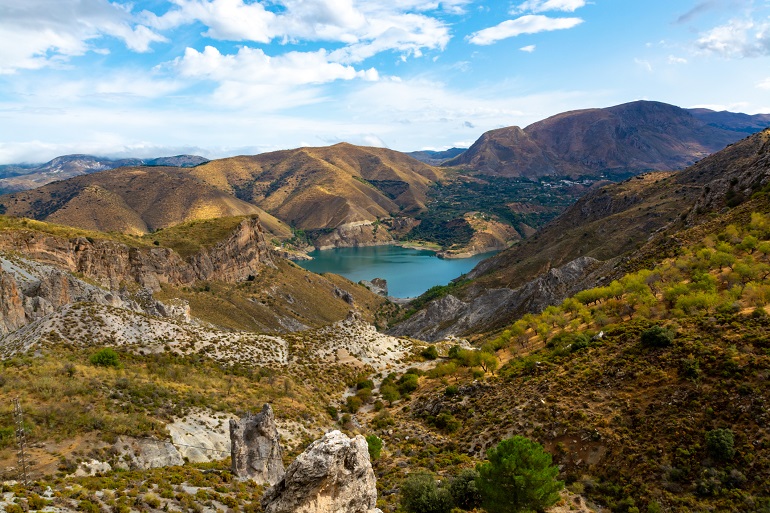
The park’s topography is defined by its towering mountains, deep valleys, and rugged terrain. The highest point is Mulhacén, standing at an impressive 3,482 metres, making it the tallest peak in continental Spain. Close behind is Veleta at 3,398 metres. These elevations create a striking alpine environment that contrasts sharply with the Mediterranean plains below. The park also features glacial cirques, sharp ridges, and U-shaped valleys carved by ancient glaciers.
Rivers and Water Features
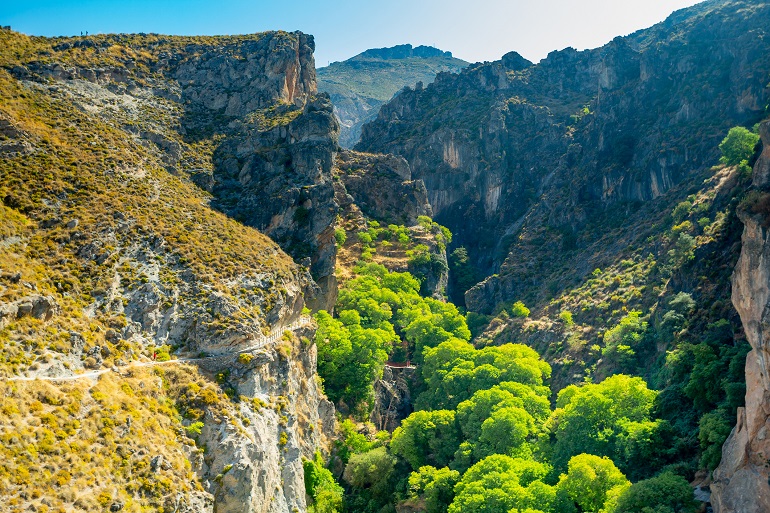
The Sierra Nevada is crisscrossed by rivers and streams that originate from its snow-capped peaks. These waterways feed into glacial lakes and deep gorges, creating a network of natural water systems that sustain the surrounding ecosystems. The rivers also form dramatic waterfalls and rapids as they descend through rocky landscapes.
Diverse Landscapes
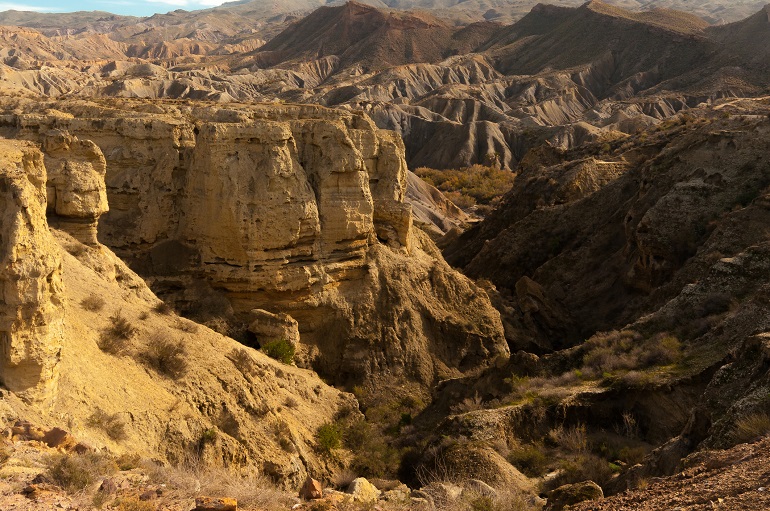
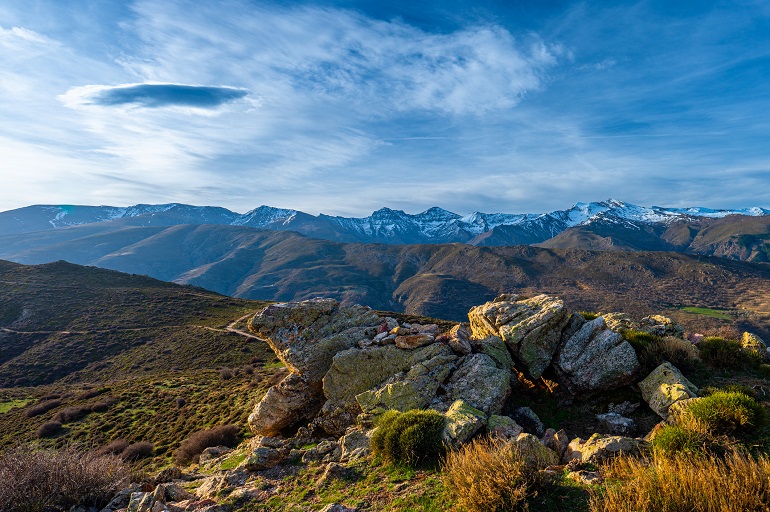
The park’s landscapes are remarkably varied. In addition to its alpine zones, visitors can explore desert-like canyons, rolling hills, and ancient forests. The lower altitudes are characterised by Mediterranean woodlands and cultivated terraces, while higher elevations transition into sparse alpine meadows and rocky outcrops. This diversity makes the region visually stunning and offers a unique experience for hikers and nature enthusiasts.
Climate Zones
Due to its wide range of altitudes, Sierra Nevada National Park experiences distinct climatic zones. The lower regions are influenced by a Mediterranean climate with hot summers and mild winters. In contrast, the higher elevations have an alpine climate with cold winters, frequent snowfall, and cooler summers. This climatic variation contributes to the park’s unique geography and shapes its distinct landscapes.
Size and Accessibility
Covering approximately 86,208 hectares (337 square miles), Sierra Nevada National Park is Spain’s largest national park. It stretches over 90 kilometres in length and varies between 15 to 30 kilometres in width. Its proximity to Granada makes it easily accessible for visitors seeking to explore its breathtaking scenery.
Flora and Fauna
Flora
The Sierra Nevada's flora is truly exceptional, boasting the highest number of endemic plant species in Europe. An impressive 2,100 different species of vascular plants have been recorded in the park, representing a quarter of all species found in Spain. Remarkably, around 70 plant species are exclusive to the Sierra Nevada, with 175 native to the Iberian Peninsula.
Some of the notable endemic species include:
- The Nevada violet
- Sierra chamomile
- Narcissus nevadensis (a type of daffodil)
- Sierra Nevada sandwort (Arenaria nevadensis)
- Artemisia granatensis (a type of wormwood)
The park's vegetation varies with altitude:
- Above 2,800m: Lichens dominate, with hardy species like glacier toadflax and various grass species in sheltered areas.
- Below 2,800m: More typical Mediterranean vegetation, including pine trees, junipers, and various shrubs.
- Lower slopes: Holm oak groves, sweet chestnut, and Pyrenean oak woodlands.
Fauna
The Sierra Nevada National Park is renowned for its rich and diverse fauna, particularly its birdlife, with over 60 species inhabiting the area.
Birds:
- Raptors: Golden eagles, Bonelli's eagles, peregrine falcons, and griffon vultures.
- Other species: Alpine accentors, black redstarts, northern wheateaters, rock thrushes, and red-billed choughs.
Mammals:
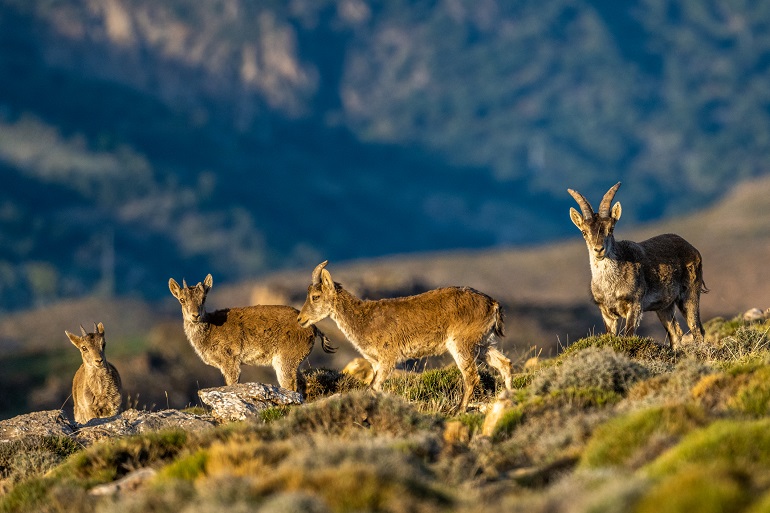
- The Spanish ibex is the most commonly seen mammal, known for its distinctive curling horns and impressive climbing abilities.
- Other mammals include wild cats, wild boars, foxes, badgers, and various small rodents.
Invertebrates:
- The park is famous for its butterfly diversity, with 120 species recorded, including the apollo butterfly.
- There are 37 native species of beetle, including the rare endemic rhinoceros beetle.
Reptiles and Amphibians:
- Various species of lizards, toads, frogs, and snakes can be found, including the Snub-nosed Viper and Mediterranean Painted Frog.
The Sierra Nevada National Park's unique geographical location and varied altitudes have created a biodiversity hotspot, offering visitors a chance to observe a wide array of plant and animal species, many of which are found nowhere else in the world.
Activities and Attractions
Hiking Trails
Hiking is undoubtedly one of the most popular activities in Sierra Nevada National Park. The park features an extensive network of trails that cater to all levels of fitness and experience. From gentle walks through verdant valleys to challenging ascents up towering peaks, there’s something for everyone.
Iconic Hiking Routes
Vereda de la Estrella
The Vereda de la Estrella trail is often hailed as one of the most scenic routes in the park. This 21-kilometre out-and-back trail begins near Güéjar Sierra and follows the Genil River valley, offering breathtaking views of some of the park’s most iconic peaks, including Mulhacén, Alcazaba (3,371m), and Veleta. The path winds through dense forests of chestnut trees, particularly stunning in autumn when the leaves turn golden. Along the way, hikers will encounter remnants of old mines and picturesque stone bridges. While the trail involves some elevation gain, it is manageable for most hikers with moderate fitness levels.
Siete Lagunas (Seven Lagoons)
For those seeking a more challenging adventure, the Siete Lagunas trail is a must-do. Starting from the charming village of Trevélez—the highest village in mainland Spain—this demanding hike takes you through lush meadows and steep ascents to reach a series of glacial lagoons nestled beneath Mulhacén. The hike spans approximately 9 kilometres one way with an elevation gain of 1,500 metres. The reward? Crystal-clear lagoons surrounded by wildflowers in summer and awe-inspiring views of the surrounding peaks.
Mulhacén Summit
Reaching the summit of Mulhacén is a bucket-list experience for many hikers. There are several routes to choose from depending on your starting point and level of fitness. One popular option is to take a park-operated minibus from Capileira to Alto del Chorrillo (2,700m), reducing the ascent to just 800 metres over 5 kilometres. The climb is steep but relatively straightforward, with panoramic views that stretch as far as the Mediterranean Sea and even Morocco on clear days.
Lavaderos de la Reina
This lesser-known gem offers a magical landscape of waterfalls, streams, and alpine pastures. The 20-kilometre loop starts near Güéjar Sierra and takes you through pristine wilderness dotted with grazing livestock. The highlight is reaching the "Queen’s Washbasins," a series of cascading waterfalls surrounded by vibrant greenery—a true feast for the eyes.
Los Cahorros Gorge
Located near Monachil village on the outskirts of Granada, this family-friendly trail is famous for its dramatic gorge with hanging bridges and narrow walkways carved into rock faces. The route follows the Monachil River and includes sections where hikers must duck under overhanging rocks or cling to metal handrails—an exciting adventure suitable for all ages.
Multi-Day Adventures
The Sulayr Route (GR-240)
For those who want to immerse themselves fully in Sierra Nevada’s beauty, multi-day treks are an excellent option. The Sulayr Route encircles the entire Sierra Nevada mountain range over approximately 300 kilometres. Divided into 19 stages, this epic trail traverses diverse terrains—from pine forests and fertile valleys to high-altitude plateaus. While completing the entire route requires significant time and preparation, hikers can tackle individual sections for shorter adventures. Highlights include passing through traditional whitewashed villages in Las Alpujarras and enjoying uninterrupted views of snow-capped peaks.
Integral de los Tresmiles
For experienced mountaineers seeking a true challenge, the Integral de los Tresmiles is an unforgettable journey along Sierra Nevada’s highest ridges. This multi-day trek involves summiting several "tresmiles" (peaks over 3,000 metres), including Mulhacén and Alcazaba. The route requires excellent navigation skills and physical endurance but rewards adventurers with unparalleled views and a sense of accomplishment.
Trails by Difficulty Level
Easy Trails
- Cerro Huenes Loop: A gentle circular route spanning 13 kilometres with moderate elevation gain. Perfect for beginners or those seeking a relaxed hike with lovely views.
- Acequia del Almiar: This flat trail follows an ancient irrigation channel near Capileira, offering stunning vistas without strenuous effort.
Moderate Trails
- Trevenque Circuit: A 16-kilometre loop around Trevenque Peak featuring diverse landscapes ranging from pine forests to semi-arid terrain.
- Puente Palo to Refugio Poqueira: A moderate hike that takes you through oak forests and open meadows to reach Poqueira Mountain Refuge at 2,500 metres.
Difficult Trails
- Veleta Summit: A tough but rewarding climb up Veleta Peak from Hoya de la Mora (2,500m). The ascent involves steep sections but offers incredible views from one of Spain’s highest summits.
- Cascada del Goterón: A strenuous hike beyond Siete Lagunas that leads to a spectacular waterfall hidden among rocky cliffs.
Other Activities
While hiking is undoubtedly the main draw of Sierra Nevada National Park, there are plenty of other activities to enjoy:
Snowshoeing
In winter months, snowshoeing becomes a popular way to explore the park's snow-covered landscapes. Guided tours are available for beginners and experienced adventurers alike, often including routes to Veleta Peak or other high-altitude areas.
Cycling
Cycling enthusiasts will find plenty of trails winding through Sierra Nevada’s varied terrain. For an easier ride, e-bikes are available for hire in nearby villages like Capileira or Monachil.
Stargazing
Sierra Nevada’s high altitude and lack of light pollution make it an ideal location for stargazing. Several organised tours offer telescopes and expert guidance for observing constellations under crystal-clear skies.
Scenic Highlights
Beyond its trails, Sierra Nevada National Park offers countless natural wonders:
- Alpujarras Villages: Nestled on the southern slopes of Sierra Nevada, these traditional whitewashed villages—such as Pampaneira, Bubión, and Capileira—are worth exploring for their charm and stunning mountain backdrops.
- Laguna de las Yeguas: A serene glacial lake accessible via hiking or during winter ski excursions.
- Pico del Veleta Road: One of Europe’s highest paved roads leads close to Veleta Peak—perfect for cyclists or those seeking breathtaking views without extensive hiking.
Accommodation
Types of Accommodation
Hotels and Resorts
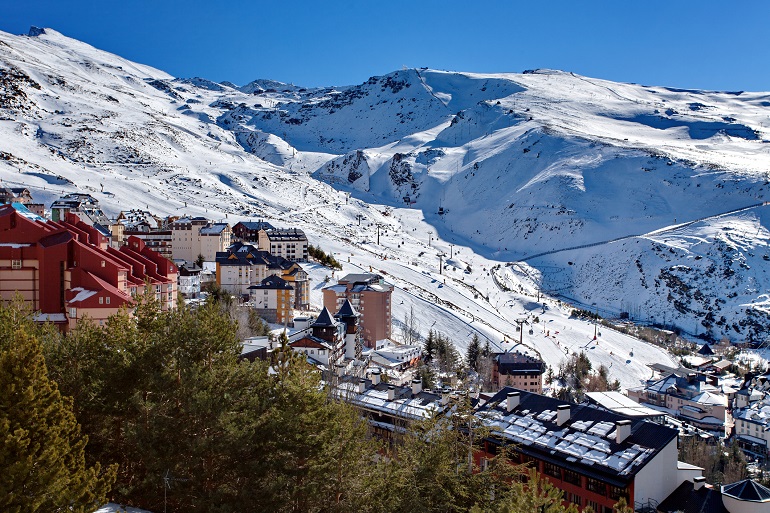
For those seeking comfort and amenities, the park boasts several high-end hotels and resorts. Many of these establishments feature spa facilities, indoor pools, and restaurants serving local cuisine. Some offer ski-to-door access, making them ideal for winter sports enthusiasts.
Apartments and Condominiums
Self-catering apartments are popular among families and groups. These often come equipped with kitchenettes, living areas, and private balconies offering stunning mountain views. Many are located close to ski lifts and other amenities.
Mountain Lodges and Hostels
Budget-conscious travellers and outdoor enthusiasts might prefer the rustic charm of mountain lodges or youth hostels. These offer basic but comfortable accommodation and are often well-positioned for hiking and other outdoor activities.
Location and Accessibility
Accommodation is available throughout the park, with a concentration of options in and around the ski resort areas. Some lodgings are situated in nearby villages, offering a more tranquil experience while still providing easy access to the park's attractions.
Amenities and Services
Many accommodations in the Sierra Nevada National Park cater to skiers and snowboarders, offering facilities such as ski storage, equipment rental, and easy access to lifts. In the summer months, some properties provide bike rental and guided hiking tours.
Booking and Availability
It's advisable to book well in advance, especially during peak ski season (December to April) and summer holidays. Many establishments offer online booking services for convenience.
Year-round Appeal
While winter is the busiest season due to skiing, the Sierra Nevada National Park is a year-round destination. Summer visitors can enjoy hiking, mountain biking, and other outdoor activities, with many accommodations remaining open to cater for this market.

Gastronomy
Traditional Dishes
One of the most popular dishes in the Sierra Nevada is Habas con Jamón, a hearty meal featuring broad beans cooked with tender Serrano ham and aromatic spices. This dish perfectly encapsulates the rustic charm of mountain cuisine whilst providing a nutritious and flavourful option for hungry hikers.
Another local favourite is the Plato Alpujarreño, a satisfying combination of fried potatoes, eggs, cured ham, and juicy chorizo. This dish is ideal for refuelling after a day of exploring the park's breathtaking landscapes.
For those seeking a lighter option, the Remojón Granaíno is a refreshing salad made with codfish, oranges, olives, and spring onions, dressed with high-quality olive oil. This tangy and nutritious dish showcases the region's commitment to fresh, locally-sourced ingredients.
Seasonal Specialities
During the colder months, visitors can warm up with a steaming bowl of Olla de San Antón, a traditional stew made with beans and pork. This comforting dish is slow-cooked to perfection, allowing the flavours to meld into a rich and satisfying meal.
In contrast, the warmer seasons bring refreshing options such as Ajoblanco, a cold soup made with garlic, nuts, and olive oil. This dish is particularly popular during the hot Andalusian summers, offering a cool respite for weary travellers.
Influences and Ingredients
The cuisine of the Sierra Nevada region reflects its diverse cultural influences, including Moorish, Jewish, and Christian traditions. This unique blend of culinary heritage is evident in the use of local ingredients such as almonds, olive oil, and citrus fruits.
The park's varied ecosystems, from lush river valleys to high-altitude peaks, contribute to a wide range of ingredients available to local chefs. Wild herbs, mushrooms, and game meats often feature in traditional recipes, adding depth and authenticity to the region's cuisine.
Dining Experience
Visitors to the Sierra Nevada National Park can enjoy their meals against a backdrop of stunning mountain vistas. Many restaurants in the area offer panoramic views of the snow-capped peaks, allowing diners to savour both the flavours and the scenery simultaneously.
Getting There and Around
From Granada
By Car:
- Distance: Approximately 40 km from Granada city centre to the Sierra Nevada village.
- Duration: About 40 minutes.
- Route: Take the A-395, one of Europe's highest roads, which leads directly to the ski station.
- Costs: Fuel costs vary based on your vehicle's consumption. Parking can be in paid car parks, especially during peak seasons.
- Advantages: Fastest and most comfortable option, ideal for scenic drives.
By Bus:
- Duration: Approximately 50 minutes to 1 hour.
- Frequency: Regular services from Granada Bus Station, with more frequent departures during ski season.
- Cost: Tickets start at €5 one-way.
- Advantages: Economical and convenient for those without a car.
By Taxi:
- Duration: Approximately 30 to 40 minutes.
- Cost: Between €60 and €100.
- Advantages: Convenient for small groups or those with limited time.
From Madrid
By Train and Bus:
- Train to Granada: Take the Renfe AVE train from Madrid-Puerta de Atocha to Granada (approximately 3 hours and 17 minutes, costing €45–70).
- From Granada to Sierra Nevada: Follow the options above.
By Bus:
- Duration: Approximately 5 hours and 38 minutes.
- Cost: €45–65.
- Advantages: Direct option without needing to change transport.
By Car:
- Distance: Approximately 455 km.
- Duration: About 4 hours and 59 minutes.
- Costs: Fuel costs vary based on your vehicle's consumption.
- Advantages: Flexibility to stop along the way.
By Plane:
- Fly to Granada (GRX): Then drive or take a taxi to Sierra Nevada.
- Duration: Approximately 3 hours and 33 minutes (including flight and drive).
- Cost: Varies widely based on flight and transport options.
Tips for Visiting Sierra Nevada National Park
- Check Timetables: Bus schedules vary significantly between winter and summer.
- Plan Ahead: Book taxis or transfers in advance for guaranteed availability.
- Road Conditions: Be prepared for winding roads and potential snow in winter.
- Parking: Expect paid parking during peak seasons.

Best Time to Visit
The Sierra Nevada National Park in Spain offers a diverse range of activities and breathtaking landscapes throughout the year. The best time to visit depends on your preferences and the activities you wish to undertake.
Skiing and Snow Sports
For skiing and snowboarding, the best months are typically from November to late May or early June, depending on snow conditions. January to March are usually the peak months for skiing, with excellent snow cover and sunny conditions. However, if you prefer fewer crowds, consider visiting in March or April.
Trekking and Mountain Biking
For trekking and mountain biking, May and June are ideal. During these months, the snow has melted, making it easier to access higher elevations, and the weather is generally mild and pleasant. These conditions are perfect for summiting the park's highest peaks, such as Veleta and Mulhacén.
Exploring Without Snow
If you prefer to explore the park without snow, October is a great time. The temperatures are mild, and the landscapes offer a unique beauty with fewer tourists around.
Avoiding Peak Heat
It's advisable to avoid visiting during July and August as these months can be very hot, making outdoor activities less comfortable.
Special Events and Activities
- Night Skiing: Available on Thursdays and Saturdays from 7:30 PM to 10:30 PM during the ski season, offering a unique experience with bonfires and complimentary soup.
- Wildflowers: May and June are excellent for viewing the park's stunning flora, including endemic species like the daffodil narcissus nevadensis.
Overall, the Sierra Nevada National Park offers something for every season, making it a versatile destination for outdoor enthusiasts and nature lovers alike.

Conservation and Responsible Tourism
Conservation Achievements
The Sierra Nevada boasts the greatest variety of plants in the western Mediterranean, hosting 2,100 species, many of them endemic to the region. Conservation efforts have been particularly focused on protecting the area's 115 threatened plant species, including 35 endemics.
The park achieved significant conservation milestones through initiatives like the recovery of areas with threatened flora. This project successfully contributed to the restoration and conservation of six sites hosting 11 critically endangered plant species. The conservation approach developed in Sierra Nevada has served as a model for other regions, demonstrating the effectiveness of habitat-based strategies for flora protection.
Sierra Nevada is the only Spanish natural space to hold the prestigious IUCN Green List distinction, cementing its position as a benchmark for excellence in protected area management. This recognition supports international conservation commitments.
Sustainable Tourism Initiatives
Since 2004, Sierra Nevada National Park has been a member of the European Charter for Sustainable Tourism, demonstrating a long-standing commitment to responsible tourism practices. This commitment involves collaboration between public and private stakeholders to create and execute action plans addressing sustainable tourism development in the territory.
The sustainable tourism model in Sierra Nevada focuses on several key initiatives:
- Promoting environmental education and nature tourism
- Encouraging sustainable mobility
- Supporting the local economy
- Reducing water and energy consumption
- Establishing daily visitor limits to prevent overcrowding
These measures aim to ensure tourism contributes to economic development without compromising the park's cultural and natural heritage.
Visitor Experiences
Sierra Nevada offers visitors numerous opportunities to engage with nature responsibly:
Hiking and Mountaineering: The park features numerous trails, including the impressive 300-kilometre circular GR 240 route (Sulayr), which crosses both the national park and nature reserve in 19 stages. This route offers a comprehensive journey through the region's natural beauty and cultural heritage.
Winter Sports: The area's ski stations provide a range of snow activities with facilities designed to minimise environmental impact.
Cultural Experiences: Visitors can explore the unique Alpujarras region with its white villages that preserve their Berber origins, offering insights into the area's rich cultural heritage.
Ecotourism Activities: Specialised programmes allow visitors to connect with local traditions, such as meeting cattle breeders working to preserve the Pajuna cow, one of Europe's oldest cattle breeds.
By choosing to visit Sierra Nevada National Park, travellers contribute to a model of tourism that respects and preserves one of Spain's most precious natural environments while supporting local communities and sustainable practices.
Visitor Centres and Educational Facilities
Visitor Centres
El Dornajo Visitor Centre
Located in the western part of the park at Km 23 on the A395 road, El Dornajo is a comprehensive information hub. It features:
- An exhibition on local flora and fauna
- Information on hiking, accommodation, and activities
- A shop selling guidebooks, maps, and local products
- A café serving snacks and drinks
El Dornajo offers stunning views of the Genil valley and Güéjar Sierra. It is open daily from 10:00 to 14:00, with extended hours in the afternoon depending on the season.
Láujar de Andarax Visitor Centre
Situated in the eastern part of the park on the C332 at Km 1, this centre provides displays on various aspects of the park, including geology, flora and fauna, mining, history, and water resources.
Educational Facilities
CEIP Sierra Nevada
The CEIP "Sierra Nevada" in Güéjar Sierra is a public school that, while primarily serving local students, offers educational programmes that may be of interest to visitors. The school has developed:
- A performing arts project featuring theatre, circus, and puppet shows
- A dynamic school library open since 2013
- European Erasmus Plus projects, including "Butterfly: transforming arts into education"
Ermita Vieja Nature Classroom
Located 18 km from Granada in the Sierra Nevada protected area, this facility offers educational programmes for children, teenagers, and adults. Features include:
- Rustic accommodation with spacious rooms and workshops
- A library with a fireplace for gatherings and activities
- Access to hiking and mountain biking routes
The classroom is surrounded by diverse ecosystems, providing opportunities to learn about the unique flora and fauna of the region.
Additional Information Points
- Puerto de la Ragua information point on the A337 at Km 11.6
- An information point in Pampaneira village in the Alpujarras
- Tourist offices in Granada and Almeria provincial capitals
For those interested in winter sports, the Sierra Nevada ski resort also maintains visitor information centres in Pradollano, Monachil, and Granada.