Spain Guide  |
|---|
|
| | Top Spanish Cities |
|---|
|
| | Spanish Regions |
|---|
|
| | Europe Guide |
|---|
|
| | Travel Tools |
|---|
|
|
|
|
Castile & León Travel Guide
 Salamanca Cathedral, Castile & León. Salamanca Cathedral, Castile & León.
Introduction

Castile and León (Castilla y León in Spanish) is the largest region of Spain, covering an area of 94,223 km² (36,380 sq mi), slightly more than Portugal or Hungary, and about the same as the U.S. state of Indiana. It is also the largest region in all the European Union. The autonomous community was created in 1983 through the union of Castilla la Vieja ("Old Castile") with León.
Most of the region is covered by the Meseta Central, a vast plateau with elevations ranging from 610 to 760 m. It is drained by the Douro, the third longest river in the Iberian Peninsula. Due to its elevated and dry terrain Castile and León is, along with Castilla-La Mancha, the most sparsely populated region in Western Europe outside Iceland. Additionally, 40% of its population of 2.5 million live in one of the provincial capitals, leaving very few people in the countryside.
The vast natural expanses of Castile and León hold a great diversity of animals and is a privileged habitat for rare mammals such as the Western Spanish Ibex, the Iberian Lynx, the Iberian Wolf, and the European Brown Bear. Large birds of prey are numerous and include the Griffon Vulture, the Cinereous Vulture, the Egyptian Vulture, the Golden Eagle, and the endangered Spanish Imperial Eagle.
Historical Castile was originally confined to the region of Burgos in the 9th and 10th centuries, then extended to the modern provinces of Ávila, Palencia, Segovia, Soria, and Valladolid with the beginning of the Reconquista in the 11th century. It is the cradle of the Castilian language, now usually simply known as 'Spanish', the world's second-most-spoken language by number of native speakers after Mandarin.

The former Kingdom of León, which corresponds to the provinces of Leon, Zamora and Salamanca, evolved from the early medieval Kingdom of Asturias, from which it split in 910. It was united with the Kingdom of Castille in 1230. Leonese and Asturian are a group of mutually intelligible dialects that make up the Astur-Leonese languages. Since the 17th century Castilian Spanish has progressively advanced and replaced Leonese. Nowadays, there are less than 50,000 native speakers of Leonese, who live mostly along the border with Asturia and Galicia.
The kingdoms of Castille and León were at the forefront of the Reconquista during the 12th and 13rd centuries, the golden age of medieval castles. For this reason, and owing to the conserving dry environment and the absence of subsequent wars in the region, there is a remarkable number of exceptionally well preserved stone castles in the southern provinces of Castile and León, particularly Ávila and Valladolid.
Famous people from Castile & León include (chronologically): Queen Isabella I of Castile, King Philip II of Spain, the former Prime Minister Adolfo Suárez, the actress Lola Herrera, and the former Prime Minister José Luis Rodríguez Zapatero.
Cuisine
Castilian-Leonese cuisine is known for its grilled or roasted meats (asados), its stews (guisos), its sausages (embutidos), cheeses, and wines. The local cuisine makes abundant use of veal, pork, morcilla (black pudding), cabbage, and legumes (green beans, chickpeas, lentils, haricot beans).
Noteworthy dishes include cochinillo asado (roast suckling pig), cordero/lechazo asado (roast lamb), hornazo (meat pie with pork loin, spicy chorizo sausage and hard-boiled eggs; specialty of Salamanca and Ávila), olla podrida (pork and beans stew; specialty of Burgos), and sopa de ajo (Castillian garlic soup).
There are nine appellations (Denominaciones de Origin or D.O.) of wine in Castile and León: Arlanza, Arribes, El Bierzo, Cigales, Ribera del Duero, Rueda, Tierra de Leon, Tierra del Vino de Zamora, and Toro. All of them except Bierzo are located in the Duero basin.
|
Attractions
West
| Salamanca ※ |
|---|

 Salamanca, a UNESCO World Heritage city, is renowned for its golden-hued sandstone buildings and rich cultural heritage. It is home to one of Europe's oldest universities, founded in 1218, which is famous for its intricate plateresque façade featuring a hidden carved frog on a skul. The city boasts stunning architecture, including the ornate Plaza Mayor and the unique blend of Gothic and Baroque styles in its cathedral, built between 1520 and 1733 after Ferdinand II found the original cathedral too dark and small. The Roman Bridge, dating back to the 1st century CE, offers picturesque views of the Tormes River, and has been featured in Salamanca's coat of arms since the 13th century. Salamanca's vibrant culinary scene features local delicacies such as hornazo (a hearty meat pie), farinato (a unique sausage dish), and Iberian cured ham. The city is also known for its lively nightlife and tapas culture, particularly along Calle Van Dyck. Art enthusiasts can explore the Casa Lis Art Nouveau and Art Deco Museum, whilst nature lovers may venture to the nearby Arribes del Duero Nature Reserve, home to spectacular cliffs and waterfalls. |
| León |
|---|

 León offers visitors a remarkable journey through Spanish heritage, from its Roman origins to its golden era as a medieval kingdom. The city showcases extraordinary architectural treasures, including its magnificent Gothic cathedral with over 1,800 square metres of colourful stained-glass windows, the Romanesque Basilica of San Isidoro housing the Royal Pantheon with its stunning frescoes, and the Renaissance-style Convento de San Marcos. History enthusiasts will appreciate León's significance as the site of the first European parliamentary system in 1188 and its role in the Reconquista. Beyond monuments, the vibrant Barrio Húmedo district provides an authentic taste of local culture with its lively tapas scene, whilst the city's position on the Camino de Santiago pilgrimage route has fostered a tradition of hospitality that continues today. León's blend of historical significance, architectural splendour, and culinary tradition creates a rich cultural experience amidst the city's tree-lined plazas and green spaces. |
|
Sierra de Guadarrama National Park |
|---|
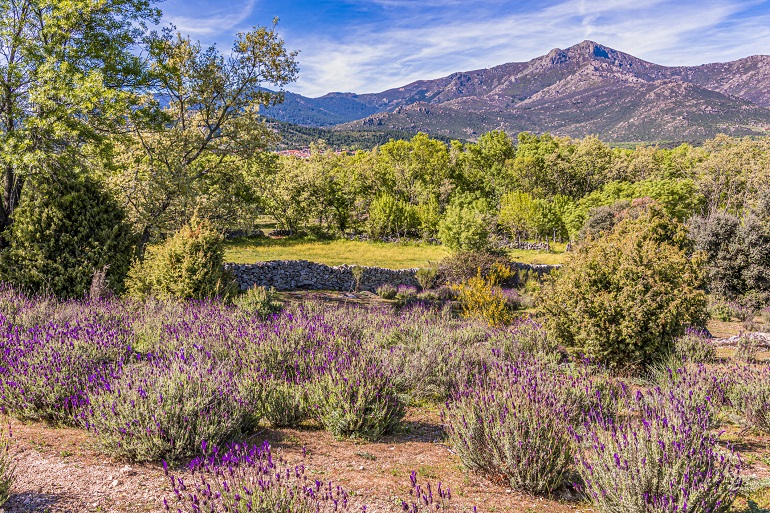
 Sierra de Guadarrama National Park offers a captivating blend of natural beauty and rich cultural heritage. Declared a National Park in 2013, it boasts diverse landscapes including iconic peaks like Peñalara, ancient forests, granite formations such as La Pedriza, and glacial lagoons. The park's historical significance spans centuries, having served as a natural barrier between Christian and Muslim kingdoms during the Reconquest and later as a battleground during the Peninsular War and Spanish Civil War. Visitors can enjoy a variety of activities throughout the seasons, from hiking and mountain biking to winter sports on snow-covered slopes and swimming in natural pools during warmer months. The area has inspired Spanish artists and writers throughout history, with figures like Velázquez painting these mountains and the Marquis of Santillana writing his Serranillas here. Its ecological importance is evident in its rich biodiversity, providing habitat for numerous plant and animal species including golden eagles and deer. |
| Astorga |
|---|

Astorga, a city with over two millennia of history, offers a unique blend of Roman heritage and modernist architecture. Visitors can explore the ancient Roman walls, marvel at the neo-Gothic Episcopal Palace designed by Antoni Gaudí, and admire the 15th-century Cathedral of Santa María. The city is renowned for its chocolate industry, boasting a dedicated museum that showcases its sweet legacy. Gastronomy enthusiasts should not miss the opportunity to savour the famous cocido maragato, a hearty stew served in reverse order, starting with meat and ending with soup. Astorga is also a significant stop on the Camino de Santiago, where two major pilgrimage routes converge. For those interested in local culture, the city serves as the capital of the Maragatería region, home to the unique Maragato people known for their distinct customs and architecture. |
| Ciudad Rodrigo |
|---|

 This fortified town, perched on a rocky cliff above the River Águeda, evolved from a Celtic village in the 6th century BCE to a Roman settlement named Augustobriga. The town is entirely encircled by a 2-kilometre medieval wall with seven gates, whilst its 14th-century castle has been transformed into a luxury Parador hotel. The historic centre boasts remarkable Plateresque architecture, including the 12th-century Cathedral of Santa María, the Renaissance Town Hall housing 600-year-old archives, and several aristocratic mansions such as the Palace of Moctezuma and Castro's Palace. Beyond the walls, visitors can explore the UNESCO World Heritage site of Siega Verde, featuring significant Palaeolithic art, and the El Rebollar natural area with its 50,000 hectares of rocky landscapes. The local gastronomy features unique specialities like farinato (a type of sausage) and conventual pastries, whilst the town is renowned for its annual Carnaval del Toro festival, where bulls run through the streets. |
| Las Médulas Roman Gold Mines ※ |
|---|

Las Médulas, a UNESCO World Heritage Site, is a remarkable landscape shaped by Roman gold mining from the 1st to 3rd century CE. Visitors can explore the vast network of tunnels, caves, and canals created by the Romans' innovative hydraulic mining technique called 'ruina montium'. The site's distinctive red peaks and eroded cliffs are best viewed from the Mirador de Orellana. Nature enthusiasts will appreciate the diverse flora and fauna, including chestnut trees, oak forests, and over 100 bird species. For a taste of local cuisine, try the Botillo del Bierzo, a traditional sausage with Protected Geographical Indication, or visit restaurants like O Palleiro, which offers Roman-inspired dishes alongside Bercian specialities. Hiking trails, such as Las Valiñas and the Perimeter Path, allow visitors to immerse themselves in the area's rich history and stunning scenery. |
| Ponferrada |
|---|

Ponferrada, originally named after an iron bridge (Pons Ferrata) built in the 11th century, features a magnificent 16,000-square-metre Templar castle that once protected pilgrims on the Way of St. James. The city's skyline is dominated by the Clock Tower, the sole remaining entrance of the medieval walls, adorned with Felipe II's imperial shield. Beyond its architectural heritage, the city boasts several unique museums, including the Museum of Radio and the National Energy Museum housed in Spain's first coal-fuelled power plant. The surrounding area features Las Médulas, a UNESCO World Heritage site of ancient Roman gold mines, whilst the local cuisine is renowned for its botillo (a distinctive cured meat) and Bierzo wines. The agricultural sector thrives on the cultivation of the famed Bierzo peppers and cherries, contributing to the city's reputation as a gastronomic destination. |
Medieval Castles
 Puebla de Sanabria Castle
 Cornatel Castle
Monleón Castle
Other attractions
Zamora
Centre
| Picos de Europa National Park |
|---|
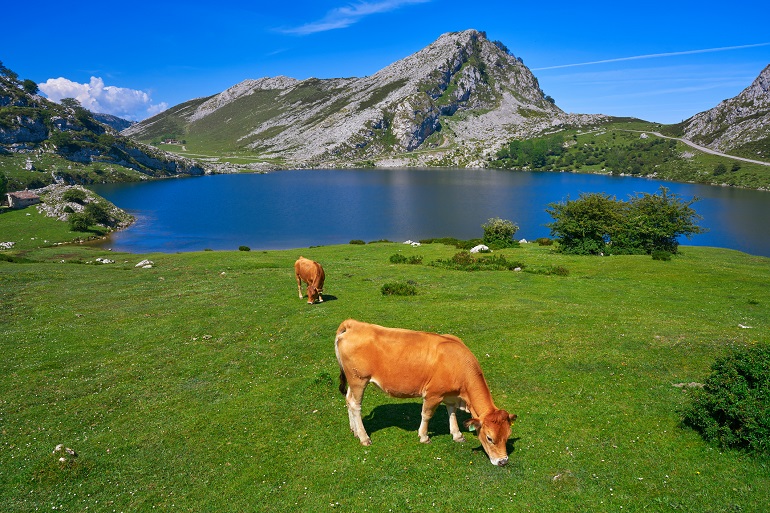
 The Picos de Europa National Park offers visitors a remarkable combination of natural beauty and cultural heritage. As Spain's first National Park, established in 1918, it features breathtaking limestone landscapes with razor-sharp peaks, the highest being Torre Cerredo at 2,650 metres. The park is home to diverse wildlife including brown bears, Iberian wolves, chamois goats and bearded vultures. Visitors can explore over 30 self-guided routes, numerous viewpoints, and enjoy free guided tours available from July to September. Beyond natural wonders, the area boasts rich cultural treasures including prehistoric cave paintings, Roman archaeological remains, traditional stone architecture, and significant religious sites such as the Basilica of Covadonga and Santo Toribio de Liebana monastery, which houses one of the largest fragments of Christ's Cross. The park's unique status as Spain's only inhabited National Park allows visitors to experience authentic rural life alongside exceptional gastronomic offerings like Cabrales cheese and Asturian cider. |
| Ávila ※ |
|---|

Ávila, a UNESCO World Heritage site, is renowned for its remarkably well-preserved medieval walls, which stretch 2.5 kilometres and feature 88 towers and nine gates. The city, perched at 1,117 metres above sea level, is the highest provincial capital in Spain. Ávila boasts a rich architectural heritage, including the first Gothic cathedral in Spain and numerous Romanesque churches. The local cuisine is hearty, featuring dishes such as 'judías del Barco' (white beans), 'chuletón' (T-bone steak), and 'yemas de Santa Teresa' (egg yolk pastries). Interestingly, scenes from Orson Welles' film 'Chimes at Midnight' were shot in Ávila, which he described as a 'strange, tragic place'. |
| La Granja de San Ildefonso |
|---|

Built in 1721, the Royal Palace of La Granja de San Ildefonso was modelled after Versailles and served as the Spanish monarchy's summer residence for over 200 years. The palace features exquisite Carrara marble interiors, Japanese lacquerware, and crystal chandeliers, whilst its spectacular gardens span 1,500 acres with 26 mythologically-themed fountains that operate purely by gravity. The most remarkable fountain, 'Fame', shoots water 40 metres high, though King Philip V famously remarked about another fountain, the elaborate 'Baths of Diana', that "it has cost me three millions and amused me three minutes". A fascinating detail involves the construction of the garden's reservoir, known as 'El Mar', for which twelve dromedaries were brought in to assist with the works in 1736, with the last one perishing in 1740. Today, all 26 fountains operate simultaneously only twice yearly, during the feast days of San Fernando and San Luis. |
| Valladolid |
|---|

Valladolid, once the capital of Spain, boasts a rich tapestry of history and culture. The city is home to the National Sculpture Museum, housing an impressive collection of Spanish sculptures from the Gothic to Baroque periods. Literature enthusiasts can visit the Casa de Cervantes, where Miguel de Cervantes, author of "Don Quixote", once resided. The city's culinary scene is renowned for its tapas, with the World Tapas Championships held here annually. Wine connoisseurs will appreciate Valladolid's proximity to five wine-growing regions, including the famous Ribera del Duero. Nature lovers can enjoy a stroll through Campo Grande, a romantic garden in the heart of the city, known for its variety of trees and birds, including peacocks. The Valladolid International Film Festival, held every October, has earned the city recognition as a UNESCO Creative City of Film. For a unique experience, visitors can explore the "Valladolid Rivers of Light" night route, which offers an illuminated journey through the city's streets and monuments. |
| Castle of La Mota |
|---|

La Mota Castle, a formidable fortress dating back to the 13th century, stands majestically atop a hill in Medina del Campo. This imposing structure, one of the largest castles in Castilla y León, boasts a rich history as a royal residence, state prison, and strategic military centre. The castle's architectural ensemble blends Gothic, Renaissance, and Mudéjar styles, featuring impressive fortifications, towers, and underground shooting galleries. Visitors can explore the castle's corridors, courtyards, and the 40-metre-high keep, which once housed the royal archives. The castle played a pivotal role in Spanish history, hosting significant events such as the signing of the Treaty of Tordesillas in 1494. Today, it serves as a cultural hub, offering guided tours, exhibitions, and events that provide insights into medieval Spanish life. For a taste of local cuisine, nearby restaurants serve delectable dishes like baby lamb and seafood-stuffed mango cannelloni, paired with wines from the Rueda Wine Route. |
| Ampudia Castle |
|---|

This Gothic fortress, built in the 15th century, features a distinctive trapezoidal layout with four square corner towers and houses an extensive collection of antiques and art objects. The castle has hosted notable figures including Ferdinand II and Charles V, and was the site where the historic document transferring Spain's capital from Valladolid to Madrid was signed. Today, the castle's grounds serve as a venue for wedding ceremonies accommodating up to 150 guests, whilst its Patio de Armas and Troop Room are available for events. The castle's museum spans six rooms featuring diverse collections from Bronze Age artefacts to toys, and visitors can explore the premises through guided tours for 5, though the upper levels and keep remain closed to the public. The surrounding town of Ampudia offers local delicacies including 'picones' and 'mosto bread' to complement your visit. |
Medieval Castles
Arenas de San Pedro Castle
Arévalo Castle
El Barco de Ávila Castle
Bonilla de la Sierra Castle
Fuensaldaña Castle
Montealegre de Campos Castle
Mironcillo Castle
Peñafiel Castle
Portillo Castle
Simancas Castle
Torrelobatón Castle
Villaviciosa Castle
Aguilar de Campoo Castle
La Adrada Castle
Íscar Castle
Puente del Congosto Castle
Fuentes de Valdepero Castle
East
| Burgos |
|---|

Burgos boasts a stunning Gothic cathedral, a UNESCO World Heritage site that took over 300 years to complete and houses the tomb of the legendary medieval knight El Cid. The city's archaeological significance is evident at the nearby Atapuerca site, considered the birthplace of the first Europeans. The local gastronomy is renowned, particularly for its morcilla (black pudding made with rice and onion), fresh white cheese, and hearty farm cuisine including suckling lamb and the traditional 'olla podrida' stew. The city's commitment to culinary innovation is reflected in its designation as a UNESCO Creative City of Gastronomy, where scientific research on food and human evolution takes place at the Global Laboratory on Gastronomic Evolution. Visitors can explore the medieval quarter's maze of streets, climb to the remnants of the ancient castle for panoramic views, and enjoy the picturesque park along the Río Arlanzón. |
| Frías |
|---|

Frías holds the distinction of being Spain's smallest city, featuring a remarkable medieval castle perched atop a hill that overlooks the Ebro valley. The city's historic centre is characterised by unique medieval hanging houses constructed with wood and adobe, supported by wooden pillars. A notable Gothic church from the 13th century and an iconic medieval bridge with a defensive tower spanning the Ebro River add to its architectural heritage. The surrounding area offers outdoor activities like canoeing on the Ebro River and hiking trails through the Hoces del Alto Ebro and Rudrón natural park. The local gastronomy includes distinctive products such as morcones (a large, well-cured sausage similar to chorizo) and artisanal sheep cheese. The city gained additional recognition when it served as a filming location for the television series "El Cid", which showcased its medieval architecture and castle. |
| Segovia ※ |
|---|

Segovia, a UNESCO World Heritage site, boasts a remarkable Roman aqueduct spanning over 800 metres, constructed without mortar in the 1st century CE. The city's fairy-tale Alcázar castle inspired Disney's Cinderella Castle and has served as a royal palace, military academy, and state prison. Segovia is home to Spain's last Gothic cathedral and the world's oldest operating mint, the Casa de la Moneda. The local cuisine is renowned for cochinillo asado (roast suckling pig), a traditional dish best enjoyed at the famous José María Restaurant. For dessert, try the ponche segoviano, a sweet delicacy made with marzipan and sponge cake. Nature enthusiasts can explore the nearby Sierra de Guadarrama National Park, offering breathtaking landscapes and hiking trails. The city also hosts the annual Hay Festival, celebrating literature, music, and art. |
| Coca Castle |
|---|

Coca Castle, a stunning 15th-century fortress, stands as a prime example of Spanish Mudéjar architecture, blending Moorish and Gothic styles. Built by Archbishop Alonso de Fonseca, this brick marvel boasts intricate geometric patterns and ornate carvings throughout its interior. The castle's unique red-brick façade and deep moat offer visitors a glimpse into medieval defensive strategies. Inside, tourists can explore the Chapel, Weapons Room, and Museum Room, which houses remnants of Renaissance ornamentation. The castle's history includes a period as a state prison and an attack during the Revolt of the Comuneros in 1521. Today, it serves as a Forestry Training School whilst remaining open to the public. The surrounding town of Coca, birthplace of Roman Emperor Theodosius I, offers additional historical sites and local delicacies such as roasts, calducho blood sausage, and empiñonadas sweets. |
| Cuéllar Castle |
|---|

Cuéllar Castle, also known as the Castle of the Dukes of Alburquerque, is a remarkably well-preserved fortress with Gothic and Renaissance architectural elements dating from the 13th to 18th centuries. The castle features a rectangular layout with three cylindrical towers and one square tower, along with a striking Renaissance gallery supported by corbels on its southern façade. Originally built as a military stronghold, it was transformed into a luxurious palace in the 16th century, once housing an impressive collection of weapons, valuable paintings, and gold and silver platesthough these were later plundered during the Napoleonic Wars. The castle served as headquarters for both Lord Wellington and General Victor Hugo during the War of Independence. Today, the castle functions as a secondary school and offers theatrical visits for tourists. The surrounding medieval town walls, built in the 12th century and expanded in the 14th and 15th centuries, remain partially preserved and were declared a national heritage site in 1931. |
Medieval Castles
Almenar de Soria Castle
Gormaz Castle
Turégano Castle
Castle of Castilnovo
Other attractions
Lerma
Medina de Pomar
Oña Monastery
|


 : Local interest
 : Moderately interesting
 : Outstanding place
 : Must-see in the country
 : Top cities in Europe