


| Contents |
|---|
Introduction
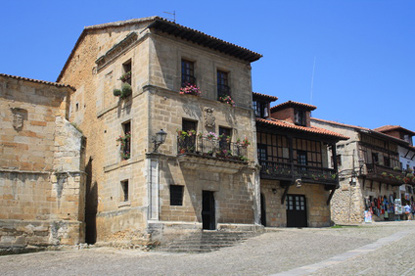
Santillana del Mar is a picturesque historic village in Cantabria, located approximately 30 km from Santander. Known as the "town of three lies" because it is neither holy (santa), flat (llana), nor by the sea (mar), Santillana del Mar is renowned for its well-preserved medieval architecture and cobblestone streets. The town grew around the 8th-century monastery of Santa Juliana, now the Collegiate Church of Santa Juliana, a prime example of Cantabrian Romanesque architecture. Santillana del Mar's historic centre is a designated Historic-Artistic Site, featuring buildings primarily from the 14th to 18th centuries. The town is also famous for its proximity to the Cave of Altamira, a UNESCO World Heritage Site containing significant prehistoric cave paintings. With its rich historical legacy, cultural attractions, and natural beauty, Santillana del Mar has become a popular tourist destination in northern Spain.
Interesting Facts about Santillana del Mar
- Santillana del Mar is known as "The Town of Three Lies" as it is neither a Saint (Santo), nor flat (llana), nor by the sea (Mar) despite its name.
- French philosopher Jean-Paul Sartre described Santillana del Mar as "the most beautiful of Spain's villages".
- Santillana del Mar was granted its own municipal charter by King Alfonso VIII in 1209, becoming the capital of the Asturias of Santillana.
- Most of the buildings in Santillana del Mar were built from the eighteenth century with wealth brought back by inhabitants who had emigrated to the Americas.
- The UNESCO World Heritage Site Cave of Altamira, containing some of the world's oldest and best-preserved cave paintings, is located just two kilometres from the town.
- The town is structured around two streets forming a Y-shape, representing the division between civil and religious functions.
- Santillana del Mar's historic centre features cobbled streets, traditional Cantabrian houses, and medieval architecture in a perfect state of preservation.
- Santillana del Mar is situated on the Northern Route of the Camino de Santiago pilgrimage.
- The town was historically important as the capital of what today is Cantabria, explaining its many mansions with crests, towers, and large religious establishments.
- The Palace of the Velarde, standing on the Plaza de las Arenas behind the Cathedral, is considered the best example of Renaissance architecture in Santillana.
History
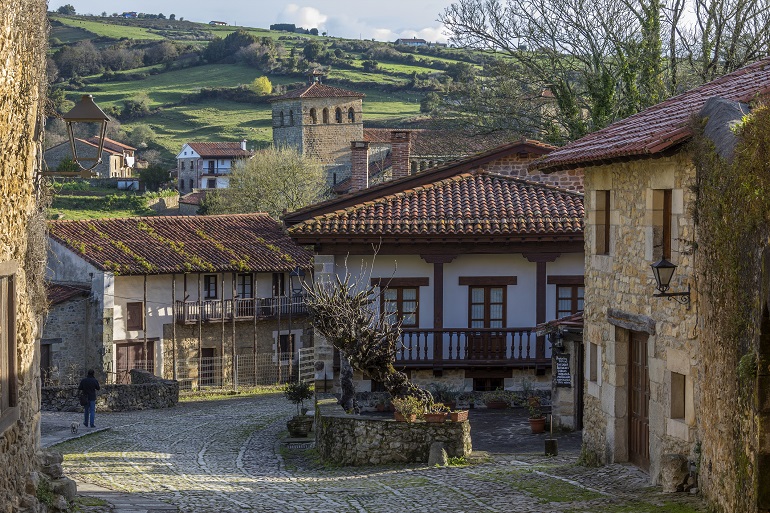
The history of Santillana del Mar spans millennia, from prehistoric settlements evidenced by the nearby Altamira Caves to its formal founding around a monastery in the 8th century. This monastery, housing the relics of Santa Juliana (from whom the town takes its name), grew into the impressive Collegiate Church by the 12th century. After receiving its municipal charter in 1209, Santillana flourished as the capital of Asturias de Santillana and became an important stop on the Camino de Santiago. The town reached its zenith in the Middle Ages as a religious and economic centre before noble families assumed control in the 15th century, adorning it with grand palaces. Following a period of decline and emigration to the Americas in the 16th century, returning wealth in the 18th century helped shape the charming medieval townscape of cobbled streets and golden sandstone buildings that visitors admire today.
Main Attractions
Collegiate Church of Santa Juliana
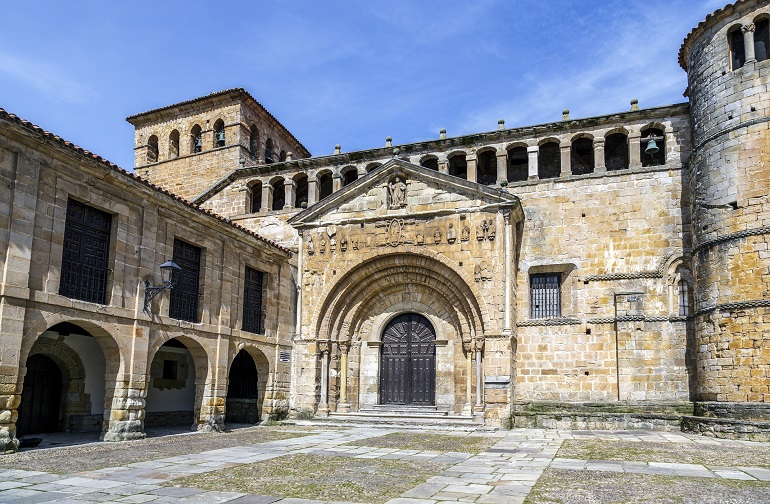
This 12th-century Romanesque church was originally established as a Benedictine monastery before transitioning to an Augustinian order. The church's façade features an intricate statue depicting the eternal struggle between good and evil, a common motif in medieval religious architecture. Its interior reveals a wealth of historical elements, including a remarkable cloister with elaborately carved capitals showing biblical scenes and fantastical creatures. The church houses a valuable chartulary dating back to the 12th century, documenting the town's early history. The building exemplifies the northern Spanish Romanesque style with its solid stone construction, rounded arches, and thick walls. Of particular note are the ornate capitals adorning the columns, each telling biblical stories through detailed carvings. The church remains consecrated and continues to serve as a place of worship while simultaneously standing as a testament to medieval craftsmanship.
Plaza Mayor de Ramon y Pelayo
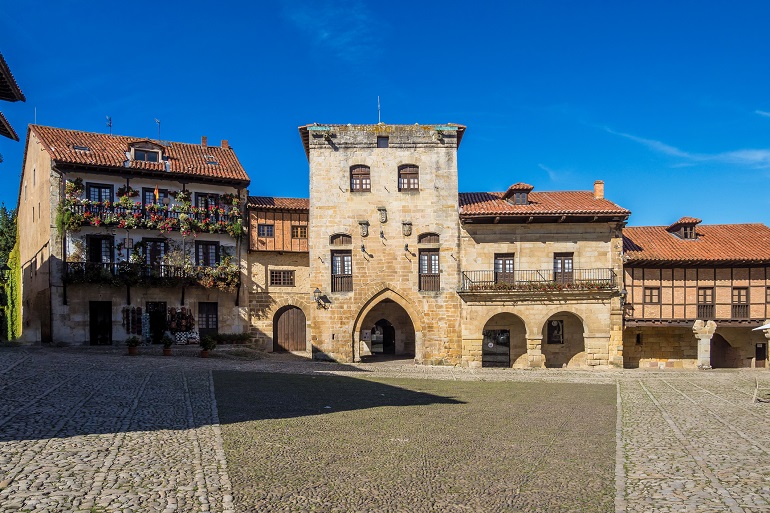
The Plaza Mayor de Ramon y Pelayo forms the triangular heart of Santillana del Mar's public life. This expansive square has served as the town's central gathering place for centuries. The plaza is framed by several significant buildings, including the impressive Del Aguila y La Parra's house with its distinctive coat of arms and ornate stonework. The Town Hall, situated prominently in the square, displays architectural elements from various periods, reflecting the town's evolution through the centuries. The plaza is flanked by two imposing 14th-century towers: the Merinos Tower and Don Borjas Tower, both excellent examples of medieval defensive architecture. The square's cobblestone surface has witnessed countless markets, festivals, and public gatherings throughout the centuries. During summer evenings, the plaza comes alive as the warm stone buildings reflect the golden light, creating an atmosphere that transports visitors back through time. The square's triangular shape, unusual for Spanish plazas which are typically rectangular, adds to its distinctive character and creates interesting sightlines towards the surrounding historic buildings.
Torre del Merino
The Torre del Merino stands as one of the most imposing medieval structures in Santillana del Mar. This defensive tower dates back to the 14th century and served as the residence for the merino, a royal official who administered justice in the king's name. The tower's robust stone construction features small, defensive windows on the lower levels and larger openings on the upper floors. Its crenellated top would have provided defenders with protection while allowing them to observe approaching threats. The tower's interior spaces reveal the medieval layout of a nobleman's residence, with different floors dedicated to specific functions. The ground floor typically served utilitarian purposes, while the upper levels provided increasingly private living quarters. The torre represents the power that royal representatives held in medieval Cantabria and stands as a reminder of the region's feudal past. Its strategic position within the town underscores its importance in the local power structure during the Middle Ages.

Torre de Don Borja
The Torre de Don Borja, another magnificent medieval tower, represents the power of the noble families who shaped Santillana del Mar's history. Dating from the 14th century, this tower features classic defensive elements including thick stone walls, strategic window placements, and a commanding position. The structure was named after one of its most prominent residents, though it changed hands between various noble families throughout its history. The tower's architecture reveals the dual nature of such buildings—designed both for defence and to display the owner's status and wealth. Decorative elements, including coats of arms and ornate stonework around windows and doorways, speak to this status-signalling function. The tower's interior would have originally contained a great hall for receiving guests and conducting business, as well as private chambers for the family. Today, the tower stands as a testament to the complex social hierarchies of medieval Spain and the architectural expressions of power that accompanied them.
Palacio de Valdivieso
The Palacio de Valdivieso exemplifies the evolution of noble residences from defensive structures to more comfortable and ornate palaces. Built during the 16th century, this palace represents the transition from medieval to Renaissance architectural styles in northern Spain. The building features a symmetrical façade adorned with the family's coat of arms prominently displayed above the main entrance—a common practice among noble families eager to advertise their lineage and status. Large windows with decorative surrounds allow more light into the interior spaces, reflecting the decreased need for defensive features during this more stable period. The palace's interior would have featured reception rooms for entertaining guests and conducting business, as well as private family quarters. The construction materials—locally quarried stone—connect the building to its Cantabrian setting while demonstrating the wealth required to undertake such an ambitious building project. The palace stands as a physical representation of the changing social and political landscape of Spain during the early modern period.
Palacio de Velarde
The Palacio de Velarde represents another fine example of noble architecture in Santillana del Mar. This impressive structure dates from the 17th century and displays elements of the Baroque style that was becoming increasingly popular throughout Spain during this period. The palace features an imposing façade with carefully balanced proportions and decorative elements concentrated around windows and the main entrance. The Velarde family coat of arms dominates the central portion of the façade, carved in high relief and displaying the heraldic symbols associated with this prominent Cantabrian lineage. The palace's interior spaces were designed to impress visitors and reflect the family's status, with a logical progression from public to increasingly private areas. High ceilings, ornate plasterwork, and wooden beams would have created grand interior spaces befitting a family of such standing. The palace represents the continuing importance of noble families in Santillana del Mar even as Spain's Golden Age was beginning to wane, and stands as a testament to the enduring desire to express status through architectural patronage.
Casa de Leonor de la Vega
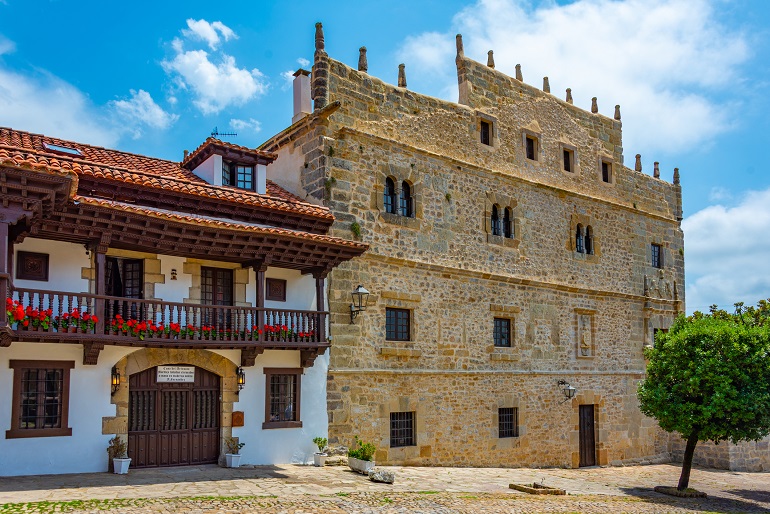
The Casa de Leonor de la Vega stands as one of the most historically significant residences in Santillana del Mar. This Gothic-style home is associated with Leonor de la Vega, mother of Íñigo López de Mendoza, the first Marquis of Santillana and a renowned Spanish poet. The building's façade features an elaborate coat of arms displaying two knights, representing the noble lineages connected to this important family. The structure exemplifies the Gothic residential style with its pointed arches, ribbed vaults, and emphasis on vertical elements. The stone craftsmanship displays the high level of artisanal skill available to wealthy patrons during this period. The house would have served not only as a residence but as a centre of power from which the family administered their local holdings. Interior spaces would have included both public rooms for receiving visitors and conducting business, as well as private family quarters. The building's connection to such a prominent literary figure adds another layer of cultural significance to its architectural importance.
Calle del Canton
Calle del Canton represents one of the most picturesque streets in Santillana del Mar's medieval core. This cobbled thoroughfare leads directly to the Collegiate Church of Santa Juliana, serving as a processional route for centuries of religious ceremonies. The street is lined with well-preserved buildings dating from the 15th to 18th centuries, each contributing to the harmonious medieval atmosphere. Flower-filled balconies adorn many of the façades, adding splashes of colour against the weathered stone and brick buildings. The street's narrow width reflects medieval urban planning, which prioritised defence and made maximum use of limited space within town walls. The cobblestone paving, worn smooth by centuries of foot traffic, creates an authentic historical ambience. Walking along Calle del Canton offers visitors constantly changing perspectives as the street curves slightly, revealing new architectural details with each step. The street exemplifies the organic development of medieval towns, where buildings were constructed over centuries, each adapting to existing structures while maintaining a cohesive overall character.
Santo Domingo Street
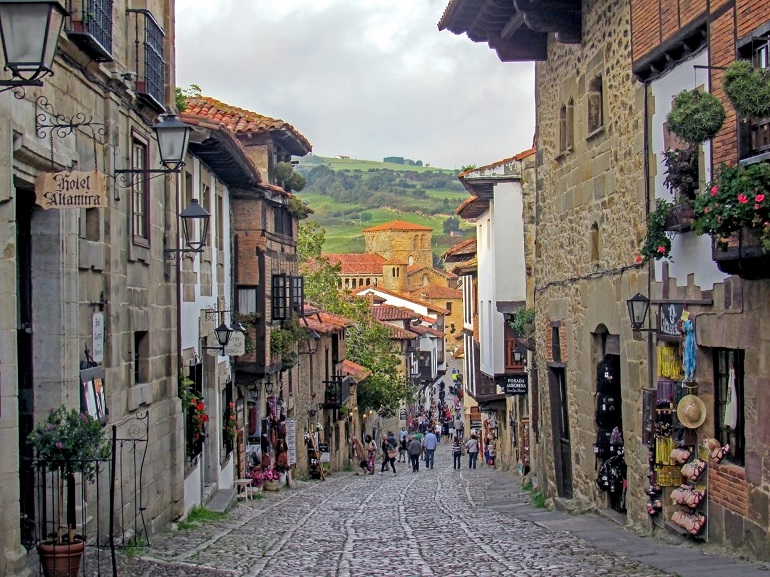
Santo Domingo Street presents another wonderfully preserved medieval thoroughfare that captures the essence of Santillana del Mar's historical character. Named after the Dominican order that once had a presence in the town, this street features a remarkable collection of well-preserved buildings spanning several centuries of architectural development. The street's gentle slope creates a natural drainage system, a practical consideration in medieval urban planning. Overhanging upper floors on some buildings represent a common medieval construction technique that maximised living space while keeping ground floors narrower to allow passage. The street's width varies along its length, creating intimate spaces that open occasionally into small plazas—a typical feature of organic medieval town planning. The buildings lining Santo Domingo Street display a variety of architectural elements, from Gothic doorways to Renaissance windows and Baroque decorative features, creating a visual timeline of the town's development. The street remains largely unchanged from how it would have appeared centuries ago, offering visitors an authentic glimpse into Spain's medieval past.
Carrera Street
Carrera Street forms another essential artery in Santillana del Mar's medieval street network. This well-preserved thoroughfare features some of the town's finest examples of traditional Cantabrian architecture. The street's name, meaning "race" or "career" in Spanish, may reference its relatively straight course compared to the more winding paths typical of medieval towns. Buildings along Carrera Street display the characteristic elements of northern Spanish architecture, including sturdy stone construction, wooden balconies, and decorative eaves. Many structures feature prominently displayed coats of arms, indicating the high concentration of noble families who once resided here. The street's cobblestone surface, like others throughout the town, has been meticulously maintained to preserve its historical character. Walking along Carrera Street offers visitors the opportunity to observe the subtle variations in building styles that reflect different periods of construction and renovation throughout the centuries. The street exemplifies how Santillana del Mar has managed to preserve its medieval character while adapting to the needs of each successive generation.
Ermita de Santa Justa
The Ermita de Santa Justa stands as a tranquil spiritual retreat near Santillana del Mar. This humble hermitage exemplifies the simple religious architecture that complemented the more elaborate collegiate church in medieval Christian communities. The hermitage's modest dimensions and straightforward design reflect its purpose as a place for quiet contemplation rather than elaborate ceremonies. Its location, somewhat removed from the town centre, follows the tradition of hermitages serving as peaceful retreats from worldly concerns. The building's construction utilises local materials, creating a structure that harmonises with the surrounding landscape. Inside, the simple space focuses attention on the altar and religious imagery without the elaborate decorative programmes found in larger churches. The hermitage has long been associated with local devotional practices and pilgrimages, forming an important element in the area's religious heritage. The surrounding area offers excellent coastal path walks, combining spiritual heritage with natural beauty. The ermita represents the more personal, intimate aspect of medieval religious practice that complemented the communal worship taking place in the collegiate church.
Top Museums
National Museum and Research Centre of Altamira
The National Museum and Research Centre of Altamira, also known as the Altamira Museum, is dedicated to the conservation, research and dissemination of information about the famous Cave of Altamira. This world-renowned institution houses the remarkable "Neocave", a meticulously crafted replica of the original Altamira Cave.
The Neocave is the museum's most notable feature, offering visitors the opportunity to experience the famous Palaeolithic cave paintings without damaging the delicate original site. Created using the same painting techniques employed by Palaeolithic artists, this faithful reproduction allows you to marvel at what is often called the "Sistine Chapel" of cave art.
The permanent exhibition "Times of Altamira" displays objects not only from Altamira but also from other Palaeolithic caves in Cantabria, including El Morín, El Juyo and El Rascaño. The museum also offers prehistoric technology workshops and exhibits different aspects of prehistoric life including art, culture, hunting techniques and daily activities.
Museum of Torture - Inquisicion
The Museum of Torture provides a chilling glimpse into the dark history of punishment and the Inquisition. This thought-provoking destination houses an extensive collection of over fifty original torture and capital punishment instruments dating from the 15th to the 19th centuries.
As you walk through the museum, you'll encounter meticulously curated exhibits showcasing the tools and techniques used during the infamous Inquisition. Each room tells a story, revealing the brutal realities of historical punishment methods. The museum's layout encourages exploration, inviting visitors to reflect on the moral complexities of justice throughout history.
Museum of Jesus Otero
The Museum of Jesus Otero showcases a diverse collection of artefacts that offer insights into the region's rich cultural heritage. This museum provides visitors with a deeper understanding of local history and artistic traditions.
Local Cuisine
Santillana del Mar offers a delicious introduction to Cantabrian cuisine, where mountain traditions meet coastal bounty. Don't miss the region's signature dish, cocido montañés, a hearty stew of pork, beans, cabbage and black pudding that warms the soul on cooler days. Seafood enthusiasts should try the anchoas from Santoña, clams in green sauce, and crispy rabas (fried squid rings). For sweeter fare, sample sobao pasiego (lemon-scented sponge cake) with fresh local milk at Casa Quevedo, or indulge in quesada pasiega (traditional cheesecake) and bow-tie shaped corbatas pastries. Respected local restaurants like Restaurante Conde and El Bisonte Rojo serve these regional specialties with pride, often featuring quality Cantabrian beef and fresh produce from the surrounding countryside.
Getting There & Around
Santillana del Mar is best reached by car from Santander (30 km, 31-40 minutes) with parking available outside town (paid during peak seasons). Budget travellers can opt for direct buses operated by La Cantábrica from Santander bus station (€2-5, cash only, 40-minute journey), with more frequent service during summer months. Train connections to nearby Barreda or Torrelavega stations require additional transfers, whilst a direct taxi from Santander costs approximately €75-90. Once there, the compact, entirely pedestrianised town centre invites exploration on foot—simply wander the cobbled streets lined with well-preserved medieval stone buildings and be sure to visit the Collegiate Church of Santa Juliana at the heart of town (entrance €3).