


| Contents |
|---|

Introduction
Doñana National Park, or Parque Nacional y Natural de Doñana, is a remarkable natural reserve located in Andalusia, southern Spain, spanning across the provinces of Huelva, Seville and Cádiz. Established as a nature reserve in 1969, it covers 543 square kilometres, of which 135 square kilometres are strictly protected. The park encompasses diverse ecosystems including marshes, shallow streams, sand dunes, forests, lagoons, and 30 kilometres of unspoilt white beaches where the Guadalquivir River flows into the Atlantic Ocean. Recognised as a UNESCO World Heritage Site in 1994 and a Biosphere Reserve, Doñana is one of Europe's most important wetlands, hosting over 300 different bird species annually and serving as a crucial breeding ground and transit point for thousands of European and African migratory birds. The park is also home to endangered species such as the Iberian lynx and Spanish imperial eagle. Visitors must arrange tours with official guides to access the main park beyond the visitor centres, as access is limited to protect this exceptional natural landscape.
Geography and Landscape
Coastal Dunes and Beaches
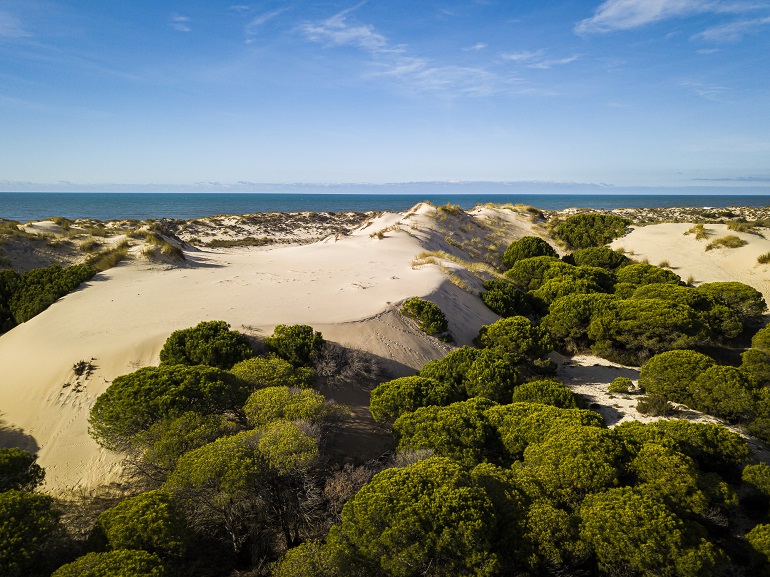
The park features an extensive dune system stretching approximately 25 kilometres along the Atlantic coast. These dunes are divided into mobile and fixed types, with the mobile dunes constantly shifting inland due to prevailing winds. Some dunes reach heights of up to 40 metres, creating a dramatic coastal landscape. Alongside these dunes are pristine beaches that remain largely untouched, offering a sense of isolation and natural beauty.
Marshlands and Wetlands
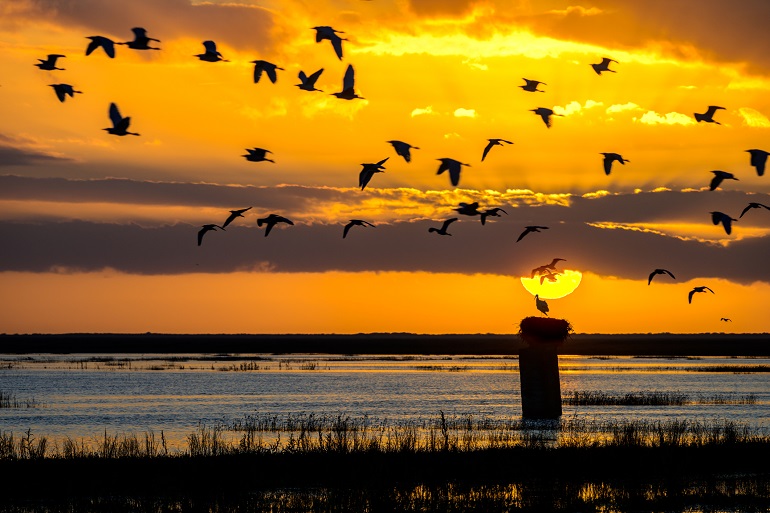
Doñana is renowned for its vast marshlands, which dominate much of the park's interior. These wetlands are subject to seasonal flooding, transforming into shallow lakes during winter and drying out into plains in summer. The marshes are interspersed with temporary lagoons, known locally as lucios, and freshwater springs called ojos. This intricate network of water features supports a mosaic of microhabitats, including mudflats, reedbeds, and small islands.
Heathlands and Scrublands
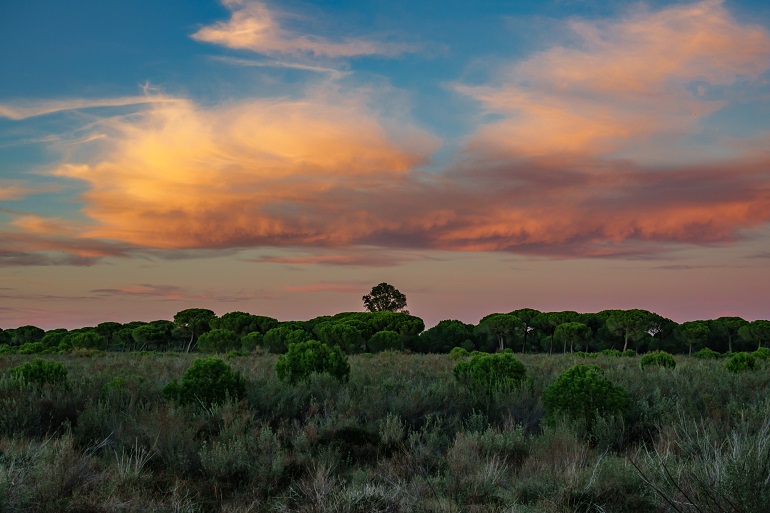
Beyond the wetlands lie heathlands (matorral), characterised by Mediterranean scrub vegetation and scattered woodlands. These areas form a transitional zone between the dunes and marshes, offering stability to the landscape. The heathlands are dotted with low ridges and hollows (corrales), which often contain small lagoons or marshy patches.
Forested Areas
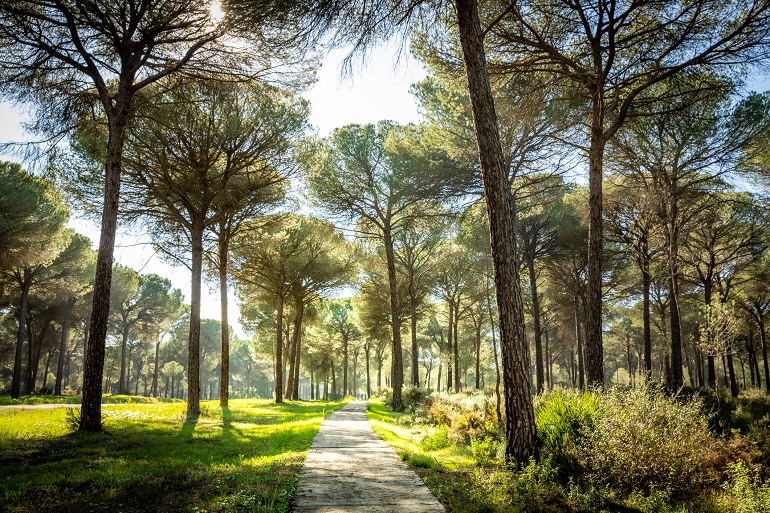
The park also includes patches of Mediterranean pine forests and oak woodlands. These forested zones provide a contrasting environment to the open marshes and dunes, adding to the park's ecological diversity.
Geomorphological Features
The geological history of Doñana has been shaped by natural processes such as sediment deposition from the Guadalquivir River and marine influences. Over thousands of years, these processes have created a flat yet varied terrain that includes sandspits, estuarine marshes, and ancient lagoons. The interplay between land and water is a defining characteristic of this landscape.
Elevation
The park's elevation ranges from sea level to around 40 metres at its highest points within the dunes. This subtle variation in altitude contributes to the formation of diverse habitats across its expanse.

Flora and Fauna
Fauna
The park is home to a remarkable variety of animals, including:
Mammals
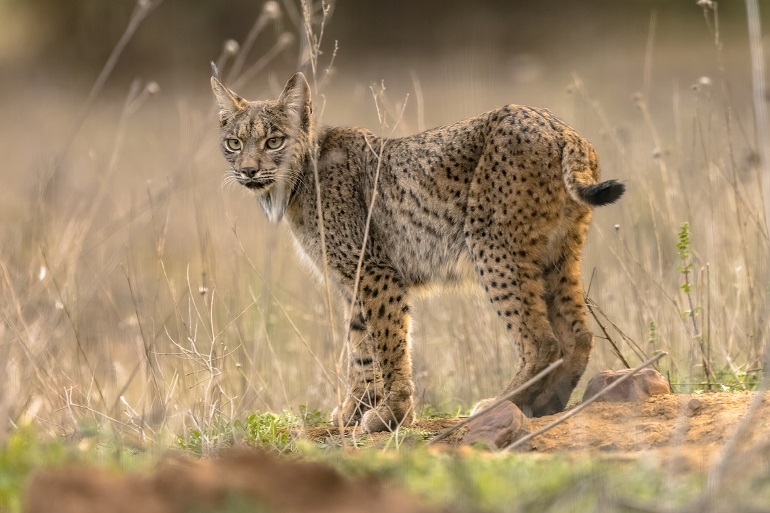
The star of Doñana's fauna is the critically endangered Iberian lynx, often referred to as the world's most endangered cat species. Other mammals include red and roe deer, wild boar, badgers, rabbits, and otters.
Birds
Doñana is a birdwatcher's paradise, hosting over 300 species of birds. Notable species include:
- Spanish imperial eagle
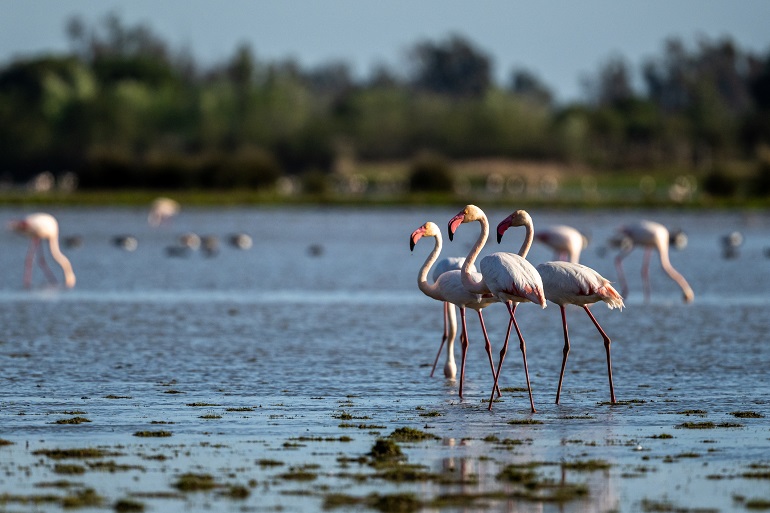
- Flamingos
- White-headed duck
- Marbled teal
- Glossy ibis
- Greater flamingo
- European spoonbill
- Purple heron
The park serves as a crucial stopover point for countless migratory birds travelling between Africa and Europe.
Reptiles and Amphibians
The park is home to 13 species of reptiles and 10 species of amphibians, including the European pond turtle, Spanish pond turtle, and various lizard species.
Fish
There are 20 species of freshwater fish in the park, including native species like eels and introduced species such as carp.
Flora
Doñana National Park boasts a rich and diverse plant life, with over 750 species identified. The park's varied ecosystems support a wide range of vegetation:
Dunes and Coastal Areas
- Marram grass
- Buckthorn-juniper communities
- Stone pine
Marshlands
- Aquatic vegetation such as marigold flowers and castañuela
Forests and Scrubland
- Cork oak
- Olive trees
- Strawberry trees
- Tree heather
- Rosemary
- Lavender
- Rockrose
Endemic Species
The park is home to several endemic plant species, including Micropyropsis tuberosa, which is considered endangered.
Doñana's unique combination of ecosystems, from wetlands and marshes to forests and dunes, creates a mosaic of habitats that support this incredible biodiversity. This makes the park an essential destination for nature enthusiasts and a crucial site for conservation efforts in Europe.
Activities and Attractions
Hiking Trails
Charco de la Boca Trail
The circular trail via the Charco de la Boca stands as one of the most accessible and rewarding hikes in Doñana. This gentle 3.5 km path winds through Mediterranean scrubland and offers excellent views of the lagoon where numerous waterfowl gather. The trail features wooden boardwalks over sensitive wetland areas and several observation hides perfectly positioned for peaceful contemplation of the landscape. Most visitors complete this loop in approximately 1.5 hours, making it ideal for families and casual walkers.
El Acebuche Network
The El Acebuche visitor centre serves as the trailhead for several interconnected paths of varying difficulties:
- Laguna del Acebuche Trail: A short 1.5 km loop around a permanent lagoon with six strategically placed bird hides.
- Los Pájaros Trail: A more challenging 3.3 km route that penetrates deeper into the pine forest and Mediterranean scrubland.
- El Acebrón Trail: This 3.5 km boardwalk path follows a seasonal stream through dense riverside vegetation and ancient cork oak woodland, offering a completely different ecosystem experience.
La Rocina Stream Trails
The La Rocina area features a network of trails totalling 12 km that follow this vital waterway. The main path includes eight observation points and bird hides overlooking the stream and adjacent marshlands. The trail surface alternates between compacted earth and elevated wooden boardwalks, making it accessible year-round regardless of water levels. This area is particularly atmospheric in the early morning when mist often hovers over the water.
Dune Trails
For those seeking more challenging terrain, the marked trails through the mobile dune system near Matalascañas offer a unique hiking experience. The 5 km Dune Trail requires more exertion as you traverse sandy terrain, but rewards hikers with spectacular views across the dune field to the Atlantic Ocean. The shifting landscape here creates an almost desert-like experience unlike anything else in Europe.
Sendero Dunar de Matalascañas
This 4 km trail connects the beach town of Matalascañas with the heart of the dune system. The path features informative panels explaining the formation and ecological importance of these coastal dunes. Wooden walkways protect the fragile dune vegetation while making the hike more accessible. The trail culminates at a panoramic viewpoint overlooking both the Atlantic and the vast expanse of Doñana's interior.
Vereda del Pinar Trail
This longer 8 km route traverses ancient pine forests that have been shaped by centuries of coastal winds. The trail offers welcome shade during summer months and connects several small seasonal lagoons that attract diverse wildlife. Hikers should allocate approximately 3 hours for this moderately challenging route that showcases the resilience of Doñana's plant communities.
4x4 Expeditions
Northern Route Expedition
The Northern Route 4x4 expedition traverses the regal pine forests of Coto del Rey and the enchanting cork oak groves of Matasgordas. This full-day journey covers approximately 60 km of restricted-access terrain, allowing visitors to experience the heart of Doñana's diverse ecosystems. The expedition includes several stops at key locations such as the Palace of Doñana, a historic hunting lodge dating back to the 16th century, and El Palacio del Acebrón, surrounded by ancient cork oaks.
Southern Marshland Route
This specialised 4x4 tour focuses on the expansive marshlands of Hinojos, which transform dramatically with the seasons. During winter and spring, these wetlands become a vast shallow lake teeming with birdlife, while summer reveals cracked clay soils and specialised drought-resistant plants. The route includes stops at elevated observation platforms that provide panoramic views across this ever-changing landscape.
Coastal Dune Expedition
Perhaps the most dramatic of the 4x4 routes, this expedition follows the impressive 30 km dune system that separates the Atlantic Ocean from the interior marshes. The specialised vehicles navigate carefully through this sensitive ecosystem, stopping at key viewpoints where guides explain the ongoing process of dune formation and migration. The route culminates at the meeting point of the Guadalquivir River and the Atlantic Ocean.
Boat Tours
Guadalquivir River Cruise
The Real Fernando boat offers daily cruises along the lower Guadalquivir River, which forms the eastern boundary of the national park. This three-hour journey provides a unique perspective of the riverside ecosystems and includes narration from knowledgeable guides. The boat makes scheduled stops at La Plancha beach, where passengers can disembark for a short guided walk into the park's interior.
Sanlúcar to Doñana Water Route
This longer boat excursion departs from the historic port of Sanlúcar de Barrameda and follows the river to the heart of Doñana. The journey passes through areas inaccessible by land and offers excellent opportunities to observe wading birds feeding in the shallows. The boat includes an upper observation deck ideal for photography and wildlife spotting.
Canoe Adventures
For more adventurous visitors, guided canoe tours of the smaller waterways within and around Doñana offer an intimate experience of the park's aquatic environments. These half-day excursions navigate the gentle currents of streams like La Rocina and El Partido, allowing paddlers to silently approach wildlife and access areas too shallow for larger vessels.
Visitor Centres
El Acebuche Visitor Centre
Located near Matalascañas, El Acebuche serves as the primary gateway to the park for most visitors. The centre features comprehensive exhibits on Doñana's ecosystems, including interactive displays suitable for all ages. A highlight is the centre's audiovisual presentation that offers a virtual tour of restricted areas. The surrounding complex includes a café serving local specialities, a gift shop featuring local crafts, and several short interpretive trails ideal for orientation before embarking on longer hikes.
Jose Antonio Valverde Visitors' Centre
Situated in the northern marshlands, this centre specialises in the wetland ecosystems of Doñana. Its elevated observation deck provides spectacular panoramic views across breeding islands that host thousands of nesting birds between January and May. The centre's exhibits focus on the hydrological importance of Doñana and its role in bird migration between Europe and Africa. Interactive water models demonstrate how the marshes fill and empty with seasonal rains.
La Rocina Visitor Centre
This smaller but equally informative centre focuses on the stream ecosystems and their importance as wildlife corridors. The centre houses an excellent exhibition on traditional human activities in Doñana, including sustainable practices that have shaped the landscape over centuries. The building itself exemplifies traditional Andalusian architecture and is surrounded by ethnobotanical gardens featuring plants historically used by local communities.
Long-Distance Trails
GR-48 Sierra Morena Path
A section of this long-distance trail passes through the northern reaches of Doñana, connecting the park with the wider network of hiking routes across Andalusia. This challenging trail requires proper preparation and equipment but rewards hikers with a profound wilderness experience and the chance to traverse multiple ecosystems in a single journey.
Doñana Coast Path
This 30 km coastal route follows ancient paths once used by fishermen and salt traders. The trail connects the towns of Matalascañas and Sanlúcar de Barrameda, passing through protected dune systems and offering constant views of the Atlantic. While ambitious hikers can complete the route in a single long day, many choose to divide it into sections, using local accommodation in the small coastal settlements along the way.
Vía Verde del Litoral
This converted railway line provides an excellent cycling route that skirts the northern boundary of Doñana. The flat, well-maintained surface makes it accessible to cyclists of all abilities and offers a different perspective of the park's transition zones where agricultural land meets protected wilderness. Bicycle hire is available in several nearby towns, and the route features regular rest areas with interpretive panels explaining the cultural and natural heritage of the region.
Accommodation
Types of Accommodation
- Rural Retreats: For those who want to immerse themselves in nature, rural lodges and cottages are available. These accommodations often feature traditional Andalusian architecture and provide a tranquil setting surrounded by forests or wetlands. Many include outdoor spaces such as patios or gardens for relaxation.
- Boutique Hotels: Stylish boutique hotels near the park offer elegant rooms with personalised service. These establishments often boast unique designs, cosy interiors, and amenities such as terraces or lounges. They are ideal for couples seeking a romantic getaway.
- Family-Friendly Stays: Families visiting Doñana can find hotels and apartments with spacious rooms and facilities tailored to children. Many accommodations include swimming pools, playgrounds, and organised activities to ensure an enjoyable stay for all ages.
- Camping and Glamping: For a closer connection to nature, camping sites around the park provide pitches for tents, caravans, or motorhomes. Some locations also offer glamping options with fully equipped lodges or luxury tents that combine outdoor adventure with modern comforts.
Key Features
- Proximity to Nature: Most accommodations are conveniently located near the park’s main attractions, such as wetlands, beaches, and wildlife observation points. This allows easy access to hiking trails and guided tours.
- Amenities: Depending on the type of stay chosen, amenities may include air conditioning, Wi-Fi, private terraces, or even spa facilities. Some rural lodges and boutique hotels also provide local cuisine made from fresh Andalusian ingredients.
- Accessibility: Many places cater to guests with reduced mobility by offering accessible rooms and facilities. This ensures that everyone can enjoy the beauty of Doñana National Park.
Seasonal Considerations
The availability of accommodations may vary depending on the time of year. Spring and autumn are popular seasons due to favourable weather conditions for exploring the park’s diverse ecosystems. Visitors are encouraged to book well in advance during peak periods to secure their preferred lodging.
Gastronomy
Seafood Delights
The coastal areas of Doñana are renowned for their exceptional seafood. Visitors can savour the famous Huelva white prawns, known for their delicate flavour and texture. These can be enjoyed in various preparations, from simple grilled dishes to more elaborate recipes. Other marine treasures include:
- Coquinas (small clams) cooked in garlic and white wine
- Fried cuttlefish, a local speciality affectionately known as 'choco'
- Grilled sardines and mackerel
- Seafood paella brimming with local catch
Inland Flavours
Moving away from the coast, the park's interior offers a different palette of flavours:
- Mostrenca beef: Meat from the indigenous marsh cattle, known for its lean texture and distinctive taste
- Lamb dishes: Stews and grilled chops featuring locally reared lamb
- Game meats: Seasonal offerings from the park's diverse wildlife
Traditional Dishes
Several traditional dishes showcase the region's culinary heritage:
- Gazpacho andaluz: A cold soup perfect for hot summer days
- Salmorejo: A thicker variant of gazpacho, often served with ham and egg
- Puchero: A hearty stew popular in cooler months
- Migas: A dish made from breadcrumbs, often served with chorizo and fried eggs
Sweet Treats
No meal is complete without sampling some local desserts:
- Pestiños: Honey-glazed pastries with sesame seeds
- Poleás: A sweet porridge-like dessert with cinnamon and honey
- Torrijas: The Spanish version of French toast, often enjoyed during Easter
Local Beverages
The area boasts excellent wines from the nearby Condado de Huelva region, including crisp whites and fortified varieties. Sherry from Jerez is also widely available and pairs wonderfully with local tapas.
Getting There and Around
From Seville
Seville is one of the most convenient starting points for visiting Doñana National Park, with several transportation options available:
By Bus
The most economical option is taking a bus from Seville to El Rocío, which serves as a gateway to the park:
- Buses depart from Seville's main bus station (Estación de Autobuses)
- Journey time: approximately 1 hour 35 minutes
- Cost: €6-10
- Service: Damas operates buses twice daily
By Car
Driving gives you more flexibility to reach different visitor centres:
- Distance: 84.1 km from Seville to Centro de Visitantes La Rocina
- Journey time: approximately 54 minutes
- Cost: approximately €15-21 for fuel
- Note: While you can drive to the visitor centres, access to most of the park requires guided tours
By Organised Tour
Many visitors opt for organised day trips from Seville:
- Tours typically include round-trip transportation, a professional guide, and 4×4 vehicle access to restricted areas of the park
- Cost: starting from approximately €79 for adults, with discounts for students and children
- Duration: typically 10+ hours for a full day experience
- Languages: Tours are usually available in English, Spanish, French and Italian
From Huelva
Huelva is another convenient starting point for visiting Doñana:
By Bus
- Take a bus from Huelva to Mazagón (50 minutes, €1-5)
- Then connect from Mazagón to Matalascañas (30 minutes, €2-4)
- Total journey time: approximately 2 hours 20 minutes
By Car
- Distance: 64.5 km from Huelva to Centro de Visitantes La Rocina
- Journey time: approximately 40 minutes
- Cost: approximately €11-16 for fuel
Alternative Routes
By Boat
A unique way to experience Doñana is by taking a cruise along the Guadalquivir River:
- Cruises depart from Seville (typically near Torre del Oro)
- The route passes by Isla Menor, Isla Mínima and areas of the park bordered by the river
- Some cruises continue to Sanlúcar de Barrameda
- Cost: approximately €39 for adults, with reduced rates for children and seniors
- Duration: full day excursion
Important Information
Access Restrictions
Most of Doñana National Park is only accessible with official guides due to conservation efforts:
- Visitors can freely access beaches, trails and lagoons around the visitor centres
- To explore the main park areas, you must book a guided tour
- Options include 4×4 vehicle tours, boat trips, and horseback riding excursions
Visitor Centres
There are seven visitor centres throughout the park where you can get information and access walking trails:
- Centro de Visitantes La Rocina (near El Rocío)
- Cerrado Garrido (Marismas de Aznalcázar)
Guided Tours
Official tours can be booked through Doñana Reservas:
- Classic Tour: 3-4 hours, €33 per person (€18 for children under 10)
- Private Tour: approximately 4 hours, €65 per person
- Birdwatching Private Tour: approximately 4 hours, €65 per person
When planning your visit, consider booking guided tours in advance, especially during peak tourist season, to ensure availability and make the most of your experience in this remarkable UNESCO World Heritage site.
Best Time to Visit
Seasonal Highlights
Spring (March to May)
Spring is widely considered one of the best times to visit Doñana National Park. During this period, the park comes alive with bird activity as it's the nesting season. The marshlands are typically full after winter rains, and the landscapes burst with colour. April is particularly outstanding, offering excellent opportunities for birdwatchers with colourful landscapes and abundant wildlife.
Autumn (September to November)
The autumn months provide another excellent window for visiting Doñana. This period coincides with bird migration, making it ideal for ornithology enthusiasts. September can be particularly rewarding as Iberian lynx kittens begin exploring the park, increasing your chances of spotting these rare creatures.
Winter
Winter offers unique opportunities, particularly for those hoping to spot the endangered Iberian lynx. This is the lynx mating season, significantly increasing your chances of witnessing these magnificent animals in their natural habitat. Winter visits also allow you to see many of the 400+ bird species that inhabit or migrate through the park.
Summer (June to August)
Summer is generally not recommended for visiting Doñana. The extreme heat makes exploration uncomfortable, and many facilities close during heatwaves. Additionally, the marshlands begin to dry up during summer months, reducing wildlife sightings.
Wildlife Viewing Opportunities
For bird enthusiasts, spring offers the best experience as it's mating season, while autumn showcases impressive bird migrations. You might witness the spectacular "pink carpet" created by flamingo colonies or spot the endangered Spanish imperial eagle.
For those hoping to see the elusive Iberian lynx, winter provides the best opportunity during mating season, though late August and early September can also be fruitful as young lynx begin exploring their territory.
Weather Considerations
Before planning your trip, check expected temperatures, particularly if visiting in late spring or early autumn when conditions can still be quite warm. The most comfortable weather for exploring the park typically occurs in spring and autumn when temperatures are moderate.
Conservation and Responsible Tourism
Conservation Efforts
Biodiversity Protection
Doñana is home to an impressive array of wildlife, including 360 bird species, 40 mammal species, and over 1,400 plant species. Conservation efforts have focused on protecting endangered species such as:
- The Iberian Lynx: Once on the brink of extinction, a successful breeding programme has increased their numbers from fewer than 100 in 2002 to about 1,600 today.
- Spanish Imperial Eagle and Marbled Teal: Programmes have been implemented to safeguard these rare bird species.
Habitat Restoration
The Doñana 2005 Restoration Project has significantly improved the park's conservation status:
- Reduced sediment transport to the marshes
- Enabled recovery of natural values in basin watersheds
- Restored wetlands, favouring colonisation by amphibians, reptiles, and fish species
Water Management
As the park's ecosystems heavily depend on water supply, efforts have been made to:
- Evaluate regional aquifer use
- Develop plans to maintain water flow to marshlands
- Address issues of over-abstraction and pollution of the underlying aquifer
Responsible Tourism
Ecotourism Initiatives
Several organisations offer sustainable tourism activities that promote conservation:
- Living Doñana and Wild Doñana: Provide ecotourism tours focusing on bird watching and wildlife observation.
- 5% of profits from some tours are used to finance environmental conservation projects.
Guided Tours
Sociedad Cooperativa Andaluza Marismas del Rocío offers official tours inside the park:
- Unique 80 km route lasting approximately 4 hours
- Expert guides with extensive knowledge of Doñana's ecosystems
Sustainable Practices
Tourism companies in Doñana adhere to various certifications and standards:
- ISO 9001 and ISO 14001 for quality assurance and environmental management
- ETIQUETA DOÑANA 21 quality brand
- European Charter for Sustainable Tourism certification
Visitor Management
The park carefully controls tourist access to minimise environmental impact:
- Visitor centres provide information and guidance
- Access to sensitive areas is restricted
Visitor Centres and Educational Facilities
Visitor Centres
El Acebuche Visitor Centre
Located in the province of Huelva, El Acebuche is accessible from the A-483 Almonte-Matalascañas road at Km 38. This centre features:
- An interpretive exhibition with 5 themed rooms
- An audiovisual room showing "Porphyrio Calamón: el espía de Doñana"
- A gift shop and bookshop
- A café-restaurant offering local dishes
- A car park for private vehicles and coaches
- Toilets and a recreation area
- Pedestrian paths with wildlife watching hides
La Rocina Visitor Centre
Situated just 1 km from El Rocío, this centre is accessible from the A-483 Almonte-Matalascañas road at Km 27.
El Palacio del Acebrón Visitor Centre
Located 7 km from La Rocina Visitor Centre, this facility offers an observation deck at the top of the Palace with panoramic views.
José Antonio Valverde Visitor Centre
Found in the Aznalcázar marshes in the province of Seville, this centre features:
- An architectural style similar to traditional marsh huts
- Views of a rehabilitated pond with diverse aquatic fauna
- A café-bar and souvenir shop
- Reception area and exhibition
- Audiovisual projection room
- Wildlife observation points
Fábrica de Hielo Visitor Centre
Located in Sanlúcar de Barrameda (Cádiz), this centre offers a souvenir shop and an observation deck.
Education Facilities
Doñanatour, a company specialising in environmental education and nature tourism, operates the Doñana Nature Centre. This facility offers:
- Professional guides and leaders
- Exclusive-use facilities for activities
- Programmes tailored to various groups, including schools, associations, and companies
The park also features a nature camp for educational purposes, where training and environmental education programmes are conducted.
Additional Services
Some additional services include:
- Guided tours in all-terrain vehicles are available from some visitor centres
- A network of sign-posted footpaths and observation points allows visitors to explore Doñana's landscapes and wildlife
- Four bicycle lanes covering 53 km are available in the Doñana Natural Park
- Recreation areas equipped with tables, benches, and barbecues (subject to fire risk restrictions)