


| Contents |
|---|
Introduction
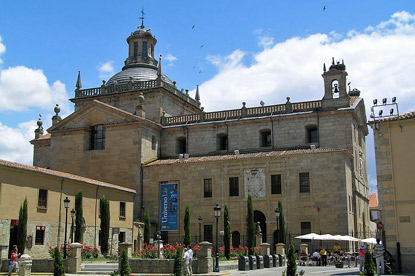
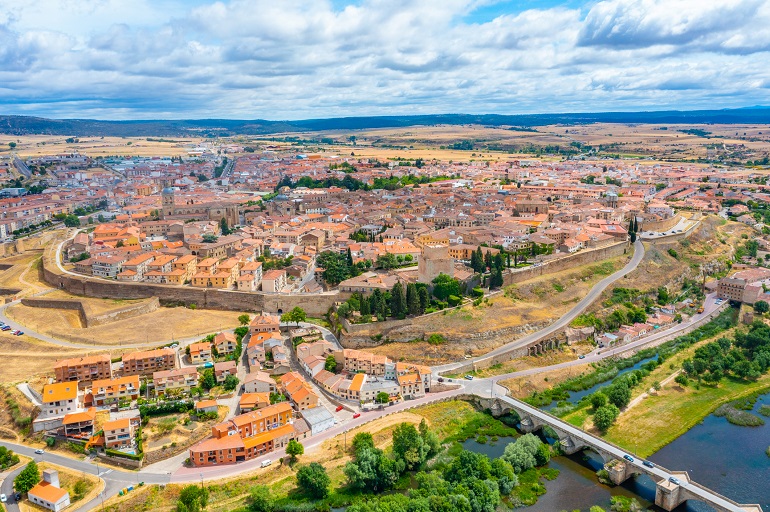
Ciudad Rodrigo is a small cathedral city situated on a hill above the Águeda River in the province of Salamanca, with a population of approximately 12,500. Strategically positioned near the Portuguese border, the city boasts a rich history dating back to Neolithic times, later inhabited by Celts, Romans, Moors and Christians. Its historic centre, enclosed by impressive 12th-century walls, was declared a Historic-Artistic Monument in 1944. Notable attractions include the Cathedral of Santa María, which combines Romanesque, Gothic and Plateresque styles; the 14th-century Castle of Henry II, now operating as a Parador hotel; the charming Plaza Mayor; numerous Renaissance and Baroque mansions; and a Roman bridge spanning the river. The city is known for its traditional festivities, including the Carnival of the Bull and its Holy Week celebrations, as well as local specialities such as farinato and patatas meneás.
Interesting Facts about Ciudad Rodrigo
- Ciudad Rodrigo was originally a Celtic village dating back to the 6th century BCE before being conquered by Romans in the 2nd century CE who named it 'Augustobriga' in honour of Octavian Caesar Augustus.
- The city is enclosed by impressive medieval walls built during the 12th century and later reinforced with bastions and artillery batteries in the 17th century.
- The city was named after Count Rodrigo González, who founded it in 1150.
- The 14th-century Castle of Henry II of Castile has been converted into a luxury Parador hotel offering exceptional views and a medieval dining experience.
- During the Peninsular War, Ciudad Rodrigo was captured by the French in 1810 and later retaken by the British under Viscount Wellington in 1812, who was awarded the title of Duke of Ciudad Rodrigo in appreciation.
- The entire urban area within the medieval walls has been declared a historic-artistic monument.
- Ciudad Rodrigo is famous for its Carnaval del Toro, a festival that combines traditional carnival with bullfighting events and attracts thousands of visitors each year.
- The city houses the unique Urinal Museum, which contains a collection of more than 1,300 chamber pots from different periods and places.
- The city's local cuisine features a distinctive cold meat called 'farinato' and traditional stews such as 'patatas meneás'.
History
Ciudad Rodrigo started its existence in the 6th century BCE as a Celtic village called Mirobriga. The Romans later conquered and settled the area, renaming it Augustobriga, as evidenced by remnants of a Roman aqueduct and bridge foundations. Following Roman rule, the city passed through Visigothic hands under King Liuvigild in the 6th century, before the Arab invasion brought renewed conflict. After a period of battles between Moors and Christians, Count Don Rodrigo González Girón established the city in 1100, lending it his name.
The 12th century marked a significant turning point when King Ferdinand II of León fortified Ciudad Rodrigo with walls and re-established the old Visigothic diocese. This period saw the construction of the magnificent cathedral, an architectural hybrid of Gothic and late Romanesque styles that remains one of the city's most treasured landmarks. The medieval character of the city was further enhanced during the 15th and 16th centuries with the creation of remarkable artworks and the construction of the artillery barrier surrounding the castle of Enrique II de Trastámara.
Ciudad Rodrigo gained military prominence during the Peninsular War against Napoleon's forces. The fortified town, strategically positioned on the main road from Portugal to Salamanca, was captured by French Marshal Michel Ney in July 1810 after a valiant 24-day defence by Spanish forces. However, British General Wellington reclaimed the city in January 1812 in a daring night assault, an achievement that earned him the Spanish title of Duke of Ciudad Rodrigo. Today, visitors can walk the well-preserved medieval walls, explore the 14th-century castle (now a Parador hotel), and admire the historic centre that has been declared a historic-artistic monument.
Main Attractions
Fortifications and Walls
Ciudad Rodrigo's most striking feature is its impressive system of fortifications. The city is encircled by 12th-century walls that were extensively modified in the 18th century. These formidable defences stretch for 2 kilometres and feature seven gateways, each with its own unique character and history. The walls now serve as a pleasant walkway, offering visitors panoramic views of the surrounding landscape and the opportunity to imagine the city's strategic importance throughout history.
Among the notable gates, the Puerta del Sol stands out. Built during the reign of Henry II of Trastámara and restored in the late 16th century, it serves as a testament to the city's medieval past. The Puerta de Santiago, located at the southern entrance, is believed to be of medieval origin and offers a glimpse into the architectural styles of that era. The Puerta de la Colada, leading to the Castle of Henry II, connects two significant historical structures and provides an interesting perspective on the city's defensive layout.
Castle of Henry II
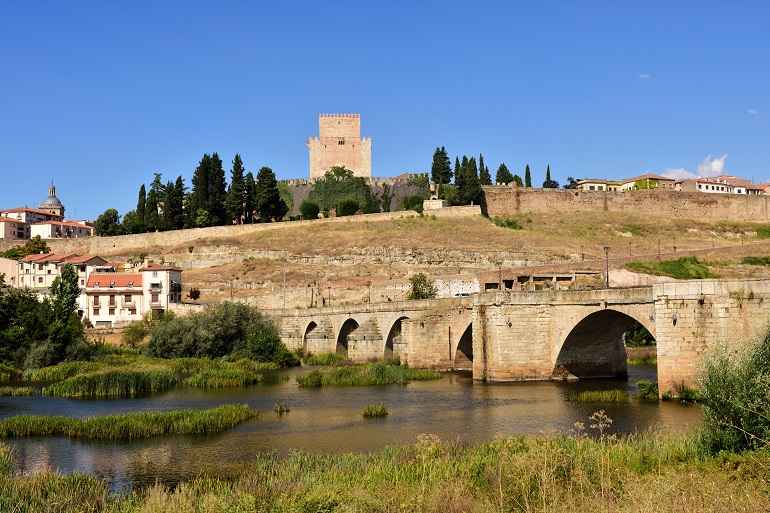
Perched overlooking the Águeda river and the Portuguese border, the Castle of Henry II is a formidable structure that has stood guard over Ciudad Rodrigo since the 14th century. Its strategic location offers visitors breathtaking views of the surrounding landscape and a tangible connection to the region's turbulent past.
The castle's most prominent feature is the Homage Tower, a symbol of feudal authority and military might. Today, the castle has been repurposed as a Parador, a state-run hotel that allows guests to immerse themselves in the history and grandeur of this medieval fortress. The juxtaposition of ancient stonework and modern amenities provides a unique experience for those seeking to connect with Spain's rich cultural heritage.
Cathedral of Santa María
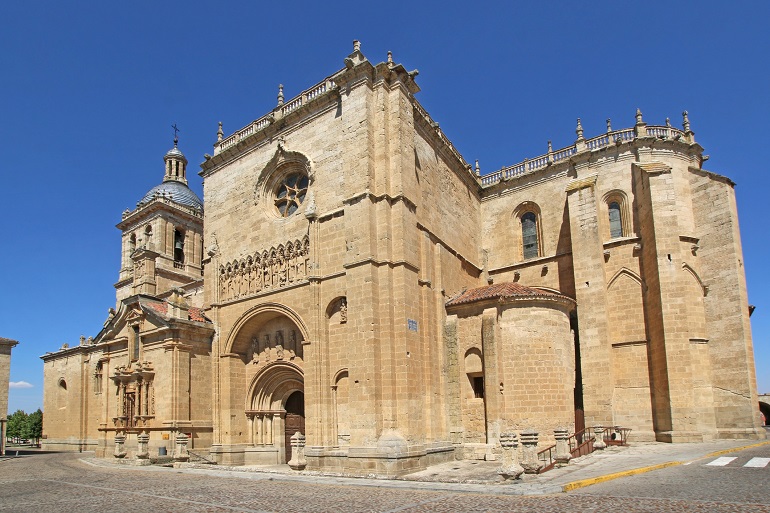
The Cathedral of Santa María stands as Ciudad Rodrigo's most emblematic monument. Construction of this magnificent edifice began in the mid-12th century and continued until the 16th century, resulting in a fascinating blend of architectural styles. The cathedral showcases elements of Romanesque, Gothic, and Plateresque design, offering visitors a visual journey through centuries of Spanish architectural evolution.
Three notable doors grace the cathedral's exterior. The Portico del Perdón, likely dating from the mid-13th century, is a prime example of early Gothic design. The Puerta del Enlosado (also known as Amayuelas) and the Puerta de las Cadenas further demonstrate the cathedral's architectural diversity. Inside, visitors can admire the attractive balustrade and cloister, as well as the exquisitely carved choir stalls by Rodrigo Aleman, featuring an array of grotesque figures that provide a glimpse into medieval imagination and craftsmanship.
Plaza Mayor
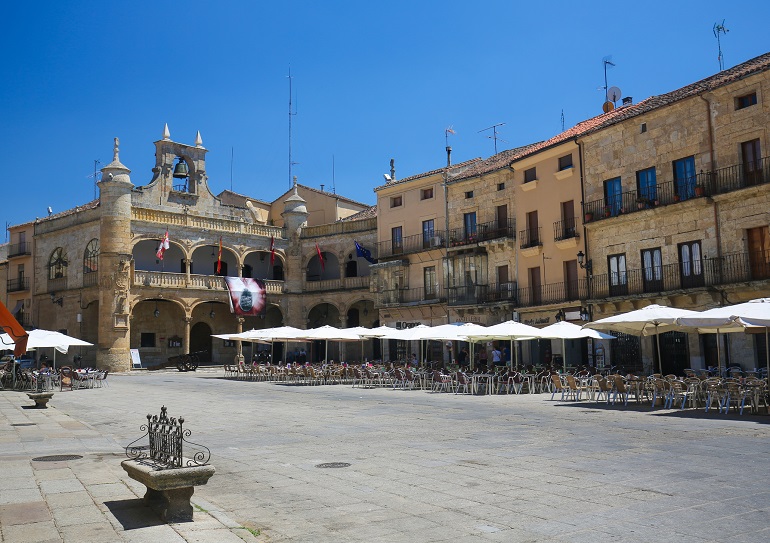
The Plaza Mayor serves as the beating heart of Ciudad Rodrigo. This central town square is not only an excellent spot for refreshments and people-watching but also a showcase of the city's architectural heritage. The 16th-century town hall dominates one side of the plaza, its two towers and arcaded upper floor exemplifying the civic architecture of the period.
Another notable building on the Plaza Mayor is the Casa del Marques de Cerralbo, a fine example of Plateresque architecture. This ornate style, characteristic of the Spanish Renaissance, adds to the square's visual appeal and historical significance. The plaza's open space and surrounding buildings create an atmosphere that encourages visitors to linger and soak in the ambiance of this historic city centre.
Notable Palaces and Houses
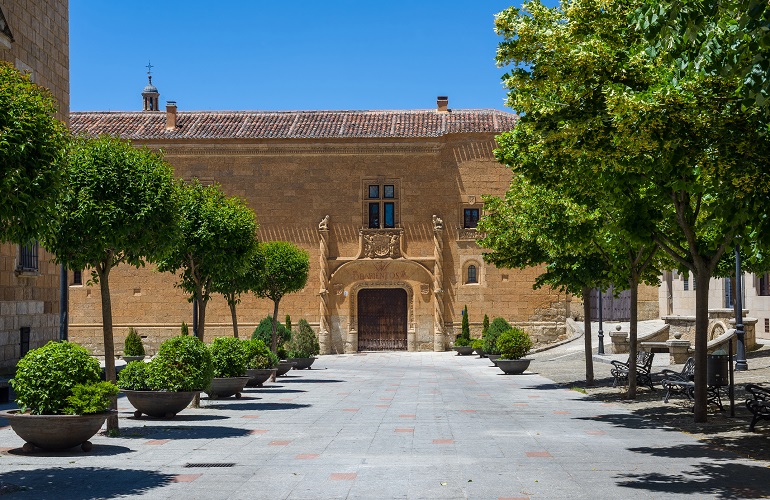
Ciudad Rodrigo boasts an impressive collection of well-preserved Renaissance and Baroque mansions, each telling its own story of the city's prosperous past. In Calle Cáceres, the Palacio de los Castro stands out with its beautiful Plateresque portal, adorned with intricate columns and lion sculptures that speak to the wealth and status of its original owners.
The Palacio de Moctezuma, now repurposed as the city's cultural centre, offers visitors a chance to engage with local art and history within a historically significant setting. The Casa de los Vázquez, a 16th-century building, captivates passersby with its attractive entrance, showcasing the architectural tastes of the period.
Just opposite is the Palacio de Montarco, dating back to 1499, a Renaissance architecture masterpiece. Declared a Property of Cultural Interest in 1958, it played a significant role during the Peninsular War, serving as the headquarters for the Duke of Wellington. The palace was fully renovated in 2009 and now hosts various events, offering visitors a blend of 500-year-old charm and modern amenities.
Perhaps the most impressive of these noble residences is the Palacio del Águila. This palace complex includes a garden and two courtyards, one of which is executed in the elaborate Plateresque style. The juxtaposition of formal gardens and ornate architecture provides a glimpse into the luxurious lifestyles of Ciudad Rodrigo's historical elite.
On Plaza San Salvador, the Casa de la Marquesa de Cartago is a neo-Gothic palace built in the late 19th century by Concepción Narváez y del Águila, the first Marquesa de Cartago. Although she died before its completion, the palace was later renovated in the 1950s, retaining its neo-Gothic style. It features distinctive Gothic and Flemish-inspired windows, heraldic shields, and ornate decorations.
Churches
While the cathedral may be the city's most prominent religious building, Ciudad Rodrigo is home to several other churches of historical and architectural interest. The Church of San Pedro and San Isidoro, with origins dating back to the 12th century, offers visitors a chance to explore the city's early religious architecture and the evolution of local worship spaces over time.
The Church of San Andrés holds the distinction of being one of the oldest in the city. Its Romanesque style provides a stark contrast to the later Gothic and Renaissance buildings, offering insight into the earliest periods of Ciudad Rodrigo's Christian heritage. The simple yet powerful forms of Romanesque architecture are well-represented in this ancient church, making it a must-visit for those interested in early medieval religious buildings.
Other Points of Interest
Spanning the Águeda river, the medieval bridge of Ciudad Rodrigo is both a practical crossing and a picturesque reminder of the city's long history. This structure has facilitated trade and communication for centuries, playing a crucial role in the city's development and strategic importance.
The Hospital de la Pasión stands as a testament to Ciudad Rodrigo's long tradition of public service and healthcare. Dating from the 16th century, it is one of the oldest hospitals in the world still in operation. This institution offers visitors a unique opportunity to see how medical care and social welfare have evolved over the centuries, all within a building that has served the community for over 400 years.
Top Museums
Cathedral Museum
The Cathedral Museum, housed within the magnificent Cathedral of Santa María, displays an impressive collection of religious art and artefacts. Visitors can admire the cathedral's stunning architecture, which showcases a transition from Romanesque to Gothic styles. The museum's highlights include:
- The Portico del Perdón, featuring over 400 exquisite Romanesque and Gothic sculptures
- An impressive Gothic vault
- A unique choir decorated with fauna and flora motifs rather than religious imagery
- A beautiful cloister that exemplifies the contrast between architectural styles
Urinal Museum
Perhaps the most unusual attraction in Ciudad Rodrigo, the Urinal Museum is a testament to the eccentric passion of its owner, José María del Arco Ortiz, also known as Pesetos. This quirky museum features:
- A collection of over 1,300 urinals, chamber pots, and spittoons
- Artefacts spanning from the 13th to the 20th century
- Items from 27 different countries
While some may find it bizarre, this unique museum offers an unconventional glimpse into the history of everyday objects and human hygiene practices.
Regional History Museum
The Regional History Museum provides visitors with a comprehensive overview of Ciudad Rodrigo's past and its significance in the region. The museum's exhibits likely cover:
- The city's founding in the 12th century
- Its role during the Peninsular War
- The influence of its proximity to the Portuguese border on local culture and traditions
Other Notable Museums
Ciudad Rodrigo is home to several other museums that, while not as prominently mentioned, contribute to the city's cultural landscape. These may include:
- Museums dedicated to local crafts and traditions
- Exhibitions focusing on the city's military history and fortifications
- Smaller, specialised collections highlighting various aspects of Ciudad Rodrigo's heritage
Local Cuisine
Ciudad Rodrigo is renowned for its farinato, a distinctive white sausage made from bread crumbs, lard and spices, traditionally served with fried eggs and considered the great emblem of the region. Food lovers will delight in the exceptional quality of Guijuelo ham, widely regarded as some of Spain's finest acorn-fed Iberian ham. The local Morucha beef is prized for its tenderness, juiciness and intense flavour, whilst the Ciudad Rodrigo cheese, crafted from Churra sheep milk, offers a firm texture with a wonderfully spicy character. Visitors should also sample limón serrano, a hearty salad combining ham, chorizo, eggs and fresh lemon, particularly popular during Carnival season. The Parador de Ciudad Rodrigo, housed in a medieval castle, serves exemplary regional dishes including free-range eggs covered with Iberian ham and potatoes and succulent roast lamb, allowing diners to savour these culinary treasures whilst gazing upon the breathtaking Charro countryside.
Getting There & Around
Ciudad Rodrigo is easily accessible by car or bus from Salamanca, approximately 90 km away. The town is renowned for its medieval walls, historic architecture, and cultural heritage, making it an ideal destination for a day trip or short stay. Once in Ciudad Rodrigo, exploring on foot is the best way to experience its charming cobbled streets, Plaza Mayor, and landmarks such as the Cathedral of Santa María and the Castle of Enrique II de Trastámara, now a parador. Don’t miss the local cuisine, featuring dishes like farinato and patatas meneás, and if visiting during Carnaval del Toro or Holy Week, you’ll enjoy vibrant festivities. Prices for dining and activities are generally affordable, with most places accepting euros.