


| Contents |
|---|
Introduction
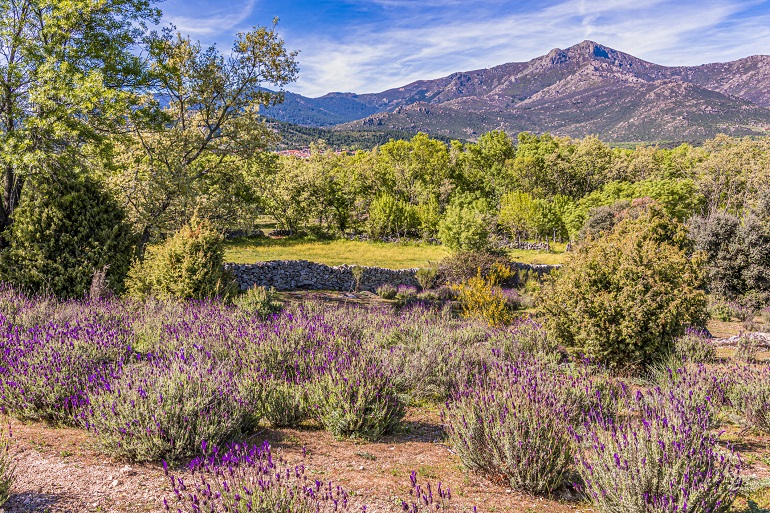
Sierra de Guadarrama National Park, established on 26 June 2013, is Spain's fifth largest national park covering nearly 34,000 hectares across the Community of Madrid (64%) and Castile and León (36%) in central Spain. Located just under an hour's drive from Madrid, this protected area features impressive mountains with peaks exceeding 2,000 metres, including the highest point Peñalara at 2,428 metres. The park protects eleven different ecosystems and houses remarkable biodiversity with more than 1,280 species (13 endangered), over 1,500 native plants and 30 different types of vegetation. Its diverse fauna represents 45% of Spain's total wildlife, including mammals such as Iberian ibex, deer, wild boar, and recently returned wolves after a 70-year absence, alongside notable birds of prey like the Spanish imperial eagle and Eurasian black vulture. The landscape varies from vast pine forests and oak groves to mountain pastures, rocky outcrops, glacial lakes and cirques, offering visitors numerous hiking trails and opportunities for wildlife observation.
Geography and Landscape
Sierra de Guadarrama National Park is a stunning mountainous region located in the eastern part of the Sistema Central, a range that bisects the Iberian Peninsula. Spanning approximately 33,960 hectares, the park is shared between the Madrid Autonomous Community and Segovia in Castilla y León. It is characterised by its dramatic peaks, rugged ridges, and diverse terrain, making it a haven for outdoor enthusiasts and nature lovers.
Mountain Ranges and Peaks
The park's landscape is dominated by imposing mountain ranges and peaks. The highest point is Peñalara Peak, standing at 2,428 metres above sea level. This peak is part of the Peñalara Massif, which includes several other summits exceeding 2,200 metres. Another notable ridge is Cuerda Larga, stretching for 16 kilometres with elevations consistently above 2,000 metres, culminating at Cabezas de Hierro (2,383 metres). Other prominent peaks include Montón de Trigo (2,161 metres), Peña del Oso (2,196 metres), and the iconic Siete Picos.
Terrain Features
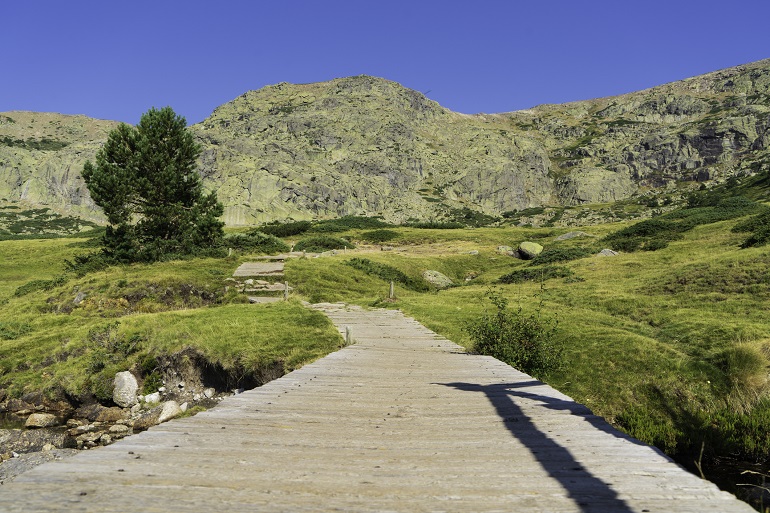
The park's terrain is highly varied. At higher altitudes, rocky outcrops dominate alongside alpine meadows and montane grasslands. Glacial activity during the Quaternary period shaped much of the landscape, leaving behind cirques, glacial lakes such as Laguna Grande de Peñalara, and moraines. Lower elevations feature expansive forests of pine and oak that transition into shrublands and grasslands as altitude increases. The area's rivers, including the Guadarrama and Manzanares, carve through valleys and contribute to the hydrology of both the Tagus and Duero river basins.
Geological Formation
The Sierra de Guadarrama owes its formation to tectonic activity during the Paleozoic era, with granite being the predominant rock type. Over millions of years, erosion has smoothed many peaks into rounded profiles. Limestone deposits hint at periods when parts of the range were submerged under ancient seas. Glacial processes further sculpted the mountains into their current form.
Scenic Highlights
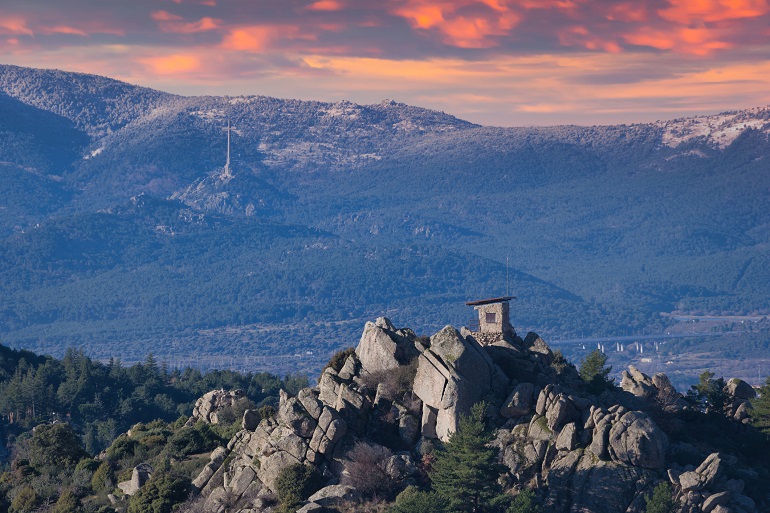
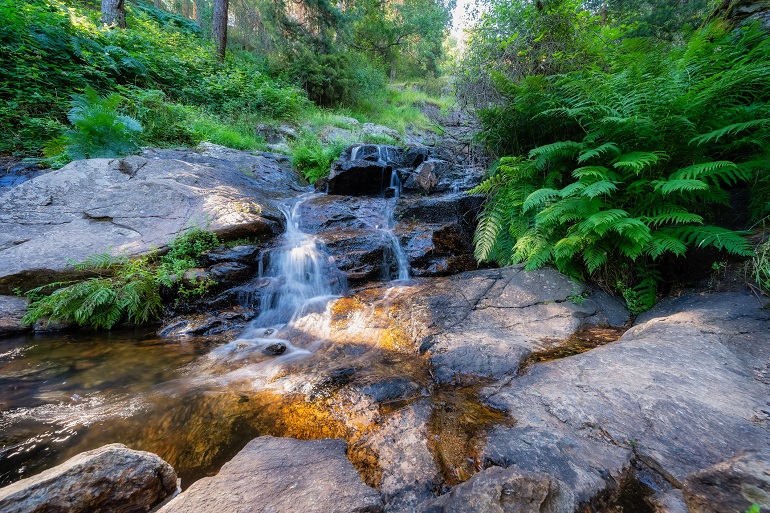
The park offers breathtaking vistas from its ridges and summits. La Pedriza is a particularly striking area known for its massive granite formations and rock climbing opportunities. The Somosierra Pass marks a natural boundary between river basins and provides panoramic views of the surrounding landscapes. Seasonal waterfalls and streams add to the park's charm, especially during wetter months.
Flora and Fauna
Fauna
The park is home to over 1,200 animal species, including 13 endangered ones. Here are some highlights:
- Birds: With 135 bird species, the park is a birdwatcher's paradise. Iconic species include the Spanish imperial eagle, Eurasian black vulture, peregrine falcon, and golden eagle. Migratory birds like cranes and black storks also pass through the region.
- Mammals: The park boasts a rich mammalian diversity with species such as Iberian wolves, wild boars, roe deer, fallow deer, badgers, foxes, and Iberian ibex. Endemic mammals include the Iberian hare and Cabrera’s vole.
- Reptiles and Amphibians: Reptiles like mountain lizards and greenish lizards thrive at mid-altitudes, while amphibians such as marbled newts and fire salamanders inhabit the wetter areas.
- Invertebrates: Spring and summer bring an explosion of insect life. Notable species include the Apollo butterfly and Elizabethan butterfly, endemic to the Iberian Peninsula.
Flora
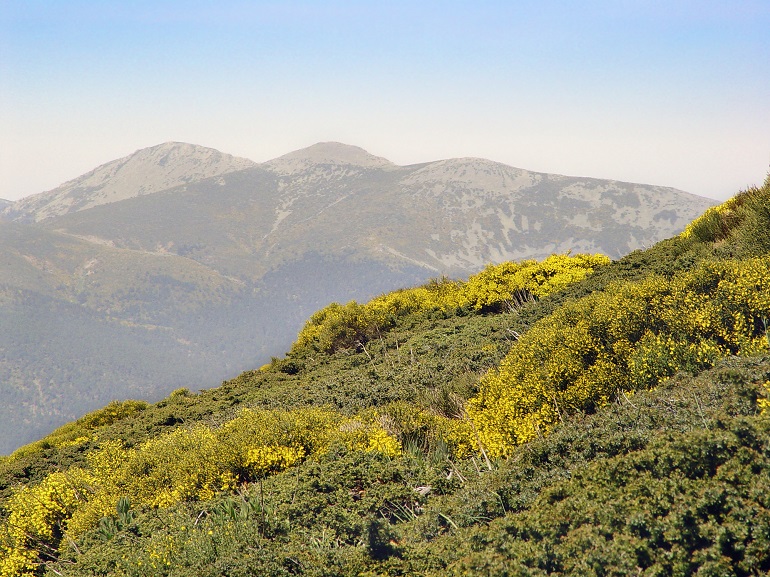
The Sierra de Guadarrama features over 1,280 plant species, many of which are endemic. The vegetation varies significantly with altitude:
- Forests: Lower elevations are dominated by Pyrenean oak and holm oak groves. Higher altitudes feature expansive Scots pine forests up to 2,000 metres. Unique trees like ancient hollies and yews are scattered throughout.
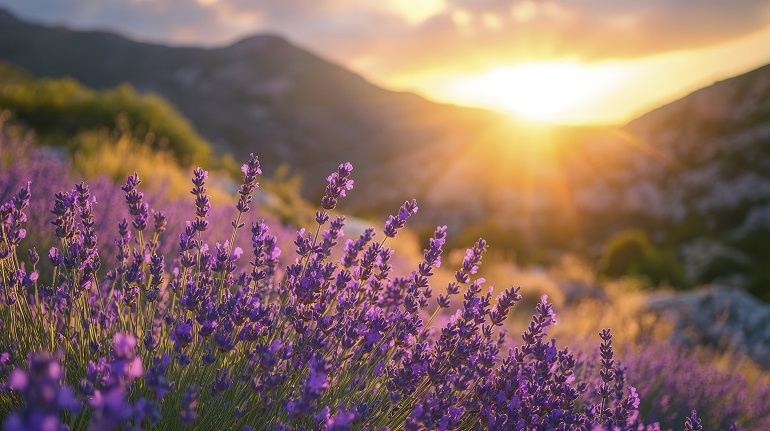
- Alpine Meadows: Above the treeline lie alpine grasslands rich in aromatic shrubs like lavender, thyme, and rosemary. These meadows are particularly vibrant during spring flowering seasons.
- Wetlands and Rocky Habitats: Wet grasses, peat bogs, ponds, and rocky ledges host rare lichens and specialised plant communities. Wild daffodils (Narcissus rupicola) and crocus add colour to these areas.
- Fungi: Mushrooms such as chanterelles and saffron milk caps flourish during humid periods in autumn.
Conservation Importance
The park's ecosystems support a delicate balance between flora and fauna. Its role as a refuge for endangered species underscores its significance in preserving Spain's natural heritage. Visitors are encouraged to respect regulations to ensure the sustainability of this unique environment.

Activities and Attractions
Hiking Trails
The Sierra de Guadarrama boasts an extensive network of over 80 kilometres of well-marked trails, catering to hikers of all experience levels. From leisurely woodland strolls to challenging mountain ascents, the park's varied terrain ensures that every visitor can find a suitable path to explore.
Popular Hiking Routes
La Peñota Trail leads hikers to one of the prominent peaks in the Sierra de Guadarrama, standing proudly at 1,945 metres above sea level. This relatively accessible hike rewards walkers with awe-inspiring panoramic views of both the Madrid and Segovia valleys. The summit consists of three distinctive granite peaks, with the highest point marked by a geodetic vertex. The trail offers a perfect blend of natural beauty and moderate challenge, making it suitable for families and casual hikers.
Pico Peñalara Trail is a more demanding 5-kilometre one-way path leading to the highest peak in the national park. Beginning at the Peñalara Visitor's Centre, the trail commences with an ascent to La Gitana viewpoint before tackling a series of switchbacks. Hikers pass the iconic Dos Hermanas peaks (Hermana Mayor and Hermana Menor) before reaching the summit. This trail is particularly popular among experienced hikers and offers unparalleled views of the surrounding landscape.
Valle de la Fuenfría presents a 32.76-kilometre trail suitable for beginners and intermediate hikers. This out-and-back route starts at Las Dehesas and concludes at Pico Collado del Rey, guiding visitors through lush pine forests and expansive high-altitude meadows. The trail is known for its diverse flora and provides an excellent opportunity to experience the park's varied ecosystems.
La Barranca Valley Route offers a moderate 8.9-kilometre path through dense pine forests and bearberry bushes. Commencing at La Barranca Valley Car Park, this trail takes approximately 2.5 hours to complete and features a total ascent of 365 metres. It's particularly picturesque during autumn when the foliage transforms into a vibrant palette of reds and golds.
Navacerrada Mountain Pass to Cercedilla is a 16-kilometre trail that follows the historic Schmid path and passes through La Fuenfría. With a moderate difficulty level and a total ascent of 680 metres, this route takes about 3 hours to complete. The trail offers a blend of natural beauty and cultural heritage, as hikers traverse paths used for centuries by locals and travellers alike.
Trail Network Organisation
The Sierra de Guadarrama trail network comprises 24 distinct hiking routes with various alternatives. These include high mountain tours, forest walks, valley explorations, and paths around dams. Each trail is meticulously marked with comprehensive information about length, difficulty level, estimated duration, and total ascent, enabling visitors to select routes that align with their abilities and preferences.
Additional Notable Trails
Camino Schmidt: This historic trail, named after the German engineer who designed it, offers a challenging 11-kilometre route from Puerto de Navacerrada to La Fuenfría. It's renowned for its stunning views and diverse vegetation.
Senda de los Miradores: A relatively easy 5-kilometre circular route that takes hikers through some of the most picturesque viewpoints in La Pedriza area, offering spectacular vistas of the unique granite formations.
Ruta del Cancho de los Muertos: This moderate 10-kilometre circular trail in La Pedriza provides hikers with breathtaking views of the surrounding peaks and valleys, as well as interesting geological formations.
Winter Sports
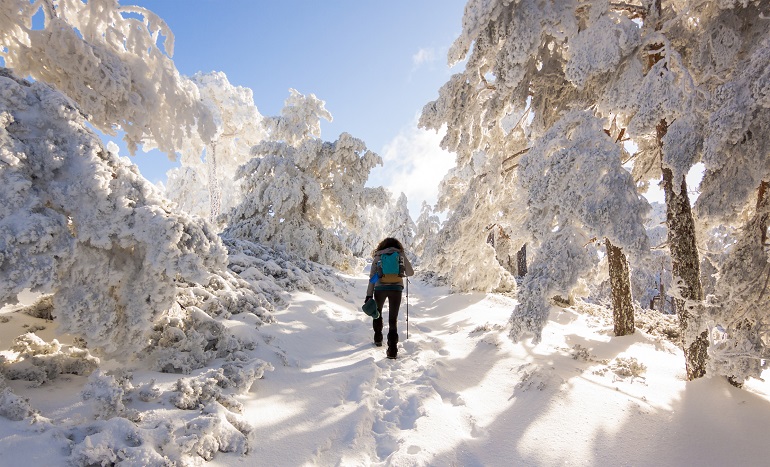
When winter blankets the Sierra de Guadarrama in snow, the park transforms into a haven for winter sports enthusiasts. The Valdesquí and Puerto De Navacerrada are the two most popular slopes in the national park, perfect for skiing and snowboarding.
The Estacion de Esqui Puerto de Navacerrada is particularly well-regarded for families with children learning to ski, offering a friendly environment and affordable options for young skiers. The resort features 10 ski lifts and 20 slopes of varying difficulty levels, catering to both beginners and experienced skiers.
Additional Winter Activities
Snowshoeing: Several marked trails are available for snowshoeing, allowing visitors to explore the winter wonderland at a more leisurely pace.
Cross-country skiing: The park offers various routes for cross-country skiing, particularly in the Cotos and Navacerrada areas.
Ice climbing: For the most adventurous visitors, ice climbing is possible in certain areas of the park during the coldest months, under proper guidance and with appropriate equipment.
Cycling and Mountain Biking
The Sierra de Guadarrama is a paradise for cycling enthusiasts, with numerous routes designed to showcase the park's most fascinating landscapes. The varied terrain offers challenges for road cyclists and mountain bikers alike.
Top Mountain Biking Routes
La Horizontal is a 35.19-kilometre intermediate/advanced route starting at Las Lagunillas Recreation Area. This out-and-back trail takes riders through pine forests and high-mountain meadows with scenic views. The route is particularly popular for its relatively consistent elevation, allowing riders to maintain a steady pace while enjoying the surroundings.
Calderuelas offers a 26.71-kilometre circular route of intermediate/advanced difficulty, starting at C.U. Rascafría. Cyclists will enjoy riding through oak groves, ash forests, and pine woodlands. This trail is known for its diverse landscapes and the opportunity to spot local wildlife.
Las Zetas de La Pedriza is a challenging 30.95-kilometre circular route beginning at the entrance barrier to La Pedriza. The trail features pine forests, rocky formations, and stunning views of the Pedriza granite outcrops. It's particularly popular among experienced mountain bikers for its technical sections and rewarding vistas.
Road Cycling
For road cycling enthusiasts, the park offers several challenging routes:
Puerto de Navacerrada: A classic climb often featured in the Vuelta a España, this 16.3-kilometre ascent from Cercedilla is a test of endurance and rewards cyclists with panoramic views at the summit.
Puerto de la Morcuera: Another popular climb, this 11.5-kilometre route from Miraflores de la Sierra offers beautiful views of the Madrid region and is less crowded than some of the more famous ascents.
Water Activities
During warmer months, the Sierra de Guadarrama offers refreshing swimming opportunities. The Las Presillas natural swimming pool and Cercedilla's natural pool are particularly popular spots for visitors looking to cool off from the summer heat. These natural pools, formed by the mountain streams, provide a unique and refreshing experience amidst beautiful surroundings.
The Embalse de la Jarosa (La Jarosa Reservoir) is another notable water attraction in the park, offering scenic views and recreational opportunities. Visitors can enjoy activities such as:
- Kayaking and canoeing
- Stand-up paddleboarding
- Fishing (with appropriate permits)
Adventure Activities
For those seeking more adrenaline-pumping experiences, the park offers a range of exciting activities:
- Horse riding: Several stables in the area offer guided tours through the natural landscapes, allowing visitors to explore the park from a different perspective.
- Zip lining: Adventure parks like Aventura Amazonia Cercedilla offer thrilling zip line courses through the forest canopy.
- Canyoning: Guided canyoning tours are available in certain areas of the park, allowing visitors to explore the rugged terrain and waterways in a unique and exciting way.
- Rock climbing: La Pedriza area is renowned for its excellent rock climbing opportunities, with routes suitable for various skill levels.
DiverNaturaPark Guadarrama provides a day of games, nature and adventure, making it an excellent choice for families visiting the area. The park offers a range of activities including zip lines, climbing walls, and obstacle courses, all set within the beautiful natural surroundings.
Cultural Attractions
Beyond its natural wonders, Sierra de Guadarrama houses several cultural attractions worth visiting:
Gruta Nuestra Senora de Begona is a peaceful sanctuary with excellent views of the town and river. This unique cave chapel offers a serene space for reflection and appreciation of both natural and man-made beauty.
Museo del Esquí (Ski Museum) in Cercedilla offers fascinating insights into the region's winter sports heritage. The museum showcases the evolution of skiing equipment and techniques, as well as the history of winter sports in the Sierra de Guadarrama.
Iglesia de San Sebastian in Cercedilla is a beautiful example of local religious architecture. This 16th-century church features a mix of Gothic and Renaissance styles and houses several notable artworks.
Ermita de Nuestra Senora del Rosario, located in Hoyo de Manzanares, is a charming hermitage that offers a glimpse into the area's religious history and traditional architecture.
La Cartuja del Paular: This 14th-century monastery, located in Rascafría, is a stunning example of Gothic and Baroque architecture. Visitors can explore its beautiful cloisters, chapels, and gardens.
Accommodation
Types of Accommodation
Hotels and Resorts
For those seeking comfort and amenities, the area boasts a selection of hotels and resorts. These range from charming boutique establishments to larger properties with on-site facilities such as restaurants, spas, and fitness centres. Many hotels in the region offer stunning mountain views and provide a perfect base for exploring the park.
Rural Guesthouses
For a more authentic and intimate experience, rural guesthouses are an excellent choice. These often family-run establishments provide a warm, homely atmosphere and offer insights into local culture and traditions. Many are set in picturesque locations, allowing guests to immerse themselves in the natural surroundings.
Mountain Lodges
Adventure enthusiasts and hikers may prefer to stay in mountain lodges or refuges. These basic but comfortable accommodations are often situated along popular hiking routes, providing convenient rest stops for multi-day treks. They typically offer dormitory-style rooms and serve hearty, local cuisine.
Self-Catering Options
For those preferring more independence, self-catering accommodation is widely available. This includes holiday cottages, apartments, and chalets, which are ideal for families or groups. These properties often come equipped with kitchen facilities and offer the flexibility to prepare your own meals.
Seasonal Considerations
It's worth noting that accommodation availability and prices can vary significantly depending on the season. The park is popular year-round, but winter sees an influx of visitors for skiing and snow sports, while summer attracts hikers and nature enthusiasts. Booking in advance is advisable, especially during peak periods.
Location Tips
When choosing accommodation, consider its proximity to the areas of the park you wish to explore. Some properties are conveniently located near popular hiking trails or ski resorts, while others may offer easier access to nearby towns and cultural attractions.
Gastronomy
Local Specialities
Mountain Meats
The star of Sierra de Guadarrama's gastronomy is undoubtedly its high-quality meat. The region is renowned for its beef, which carries a Protected Geographical Indication status. This certification ensures that the cattle are raised according to traditional methods, resulting in exceptionally tender and flavourful meat. Lamb is another popular choice, often prepared as succulent roasts that perfectly complement the rugged mountain landscape.
Artisanal Cheeses
Cheese lovers will be in heaven with the variety of artisanal cheeses produced in the area. Of particular note are the creamy goat's cheeses made from the milk of Guadarrama goats. These cheeses offer a delightful tang and smooth texture that pairs wonderfully with the local honey.
Wild Delicacies
The forests of Sierra de Guadarrama provide an abundance of wild ingredients that add depth and sophistication to local dishes. Mushroom enthusiasts will be thrilled by the array of wild fungi, carefully foraged and incorporated into various recipes. These earthy delights bring a touch of wilderness to the plate.
Traditional Dishes
Cocido Madrileño
No culinary exploration of the region would be complete without sampling the famous Cocido Madrileño. This hearty stew, typically served in three stages, combines chickpeas, vegetables, various cuts of pork and beef, and flavourful sausages. It's the perfect dish to warm up after a day of hiking in the mountains.
Judiones de la Granja
Another local favourite is Judiones de la Granja, a comforting bean stew that showcases the area's excellent pulses. These large white beans are slow-cooked with pork, creating a rich and satisfying meal that epitomises mountain cuisine.
Sweet Treats
The region's desserts and sweets are not to be overlooked. Local honey, harvested from wildflowers, adds a unique flavour to many traditional pastries. Be sure to try the regional cakes and biscuits, which often feature almonds, honey, and aromatic spices.
Beverages
To accompany your meal, sample the wines with Designation of Origin from Madrid. These local vintages perfectly complement the robust flavours of the mountain cuisine. For a non-alcoholic option, try the pure mountain spring water, which is said to have restorative properties.
Getting There and Around
From Madrid
- By Bus:
- Duration: Approximately 1 hour 45 minutes.
- Cost: €5–7.
- Departure: Buses depart from Madrid Moncloa and drop you off at Ctra. M601 – Club Alpino Español.
- Frequency: Multiple departures throughout the day.
- By Train:
- Duration: About 3.5 hours.
- Cost: Varies depending on the route.
- Route: Take the train from Madrid Recoletos to Cercedilla, then transfer to another train to Puerto de Navacerrada, which is about 3 km from the park.
- By Car:
- Duration: Approximately 45 minutes.
- Cost: Fuel costs around €11–16.
- Route: Drive directly via the M-601 road.
From Segovia
- By Bus:
- Duration: Approximately 1 hour 20 minutes.
- Cost: €2–4.
- Departure: Buses depart from Segovia Bus Station to Puerto de Navacerrada, usually on Saturdays.
- By Taxi:
- Duration: About 31 minutes.
- Cost: €70–90.
- Route: Direct taxi service from Segovia to the park.
- By Car:
- Duration: Approximately 31 minutes.
- Cost: Fuel costs around €6–8.
- Route: Drive directly via the A-601 road.
Public Transport Tips
- Bus Services: Buses are the most affordable option for reaching the park from both Madrid and Segovia.
- Train Connections: Trains provide a convenient option for those who prefer not to drive, though they may require transfers.
- Car Rental: If you prefer flexibility, renting a car can be a good option, allowing you to explore the park and surrounding areas at your leisure.
Additional Information
- Park Location: The park is situated about 61 km from Madrid and 34 km from Segovia.
- Best Times to Visit: Spring and autumn are ideal due to moderate temperatures and scenic landscapes.
Best Time to Visit
The Sierra de Guadarrama National Park is best visited from May through October when temperatures are warmer, making hiking and outdoor explorations more comfortable and enjoyable. This period offers milder weather conditions that are ideal for the various activities available in the park.
The park experiences distinct seasonal variations throughout the year. From November to April, the area receives very low temperatures with snowfall occurring regularly. Summers can be quite dry, while winters bring intense winds and thunderstorms at the mountain peaks.
Spring and autumn are particularly recommended seasons for visiting due to the moderate temperatures and the beautiful variety of colours in the landscape. These transitional seasons showcase the park's biodiversity at its finest, with blooming flora in spring and rich autumn hues later in the year.
While the Sierra de Guadarrama National Park is open year-round and offers activities for all seasons, including winter sports during the snowy months, the warmer period from late spring to early autumn provides the most pleasant conditions for outdoor activities such as hiking, cycling, and wildlife watching.
For those planning a visit, the park is open daily from 8 AM to 6 PM, with closures on 25th December and 1st January. A minimum duration of two days is recommended for exploring the park, though three days would be ideal to fully appreciate all it has to offer.
Conservation and Responsible Tourism
Conservation Efforts
The park's primary objective is to safeguard its diverse ecosystems, flora, and fauna. It encompasses eleven distinct ecosystems, including rare Mediterranean high mountain habitats. The area boasts an impressive biodiversity, with over 1,280 species, including 13 endangered ones, more than 1,500 native plants, and 30 vegetation types. Remarkably, the park's animal species represent 45% of Spain's total fauna and 18% of European fauna.
Conservation initiatives focus on:
- Protecting endemic species and mountain ecosystems
- Minimising the impact of tourism and human activities
- Preserving iconic wildlife such as the black vulture, Spanish ibex, and Iberian imperial eagle
Responsible Tourism
To ensure the park's long-term sustainability, visitors are encouraged to practice responsible tourism:
- Follow designated trails: Stick to authorised paths to protect delicate ecosystems.
- Respect wildlife: Maintain a safe distance from animals and avoid disturbing their habitats.
- Leave no trace: Properly dispose of all waste and avoid littering.
- Sustainable transport: Utilise public transport options where available to reduce carbon emissions.
- Support local communities: Purchase local products and services to contribute to the area's sustainable development.
Sustainable Initiatives
The park and local organisations are implementing various sustainable practices:
- Education and awareness: Programmes to raise social awareness about environmental issues.
- Sustainable mobility: Plans to prioritise public transport over private vehicles.
- Eco-friendly agriculture: Promotion of sustainable farming practices that benefit local ecosystems.
- Collaborative governance: Improved participation in decision-making processes for conservation.
Visitor Experiences
Responsible tourists can enjoy a range of activities that showcase the park's natural beauty:
- Hiking along well-marked trails
- Wildlife observation
- Guided educational tours
- Stargazing and astrophotography
- Sustainable winter sports at facilities like Valdesquí ski resort
Visitor Centres and Educational Facilities
Visitor Centres
The Sierra de Guadarrama National Park, spanning the provinces of Madrid and Segovia, offers visitors a wealth of information and educational resources through its various visitor centres and educational facilities.
The park boasts several visitor centres, each providing detailed information about the park, hiking routes, activities, and services:
Peñalara Visitor Centre (Rascafría): Located at Puerto de los Cotos.
Valle del Paular Visitor Centre (Rascafría): Situated on the M-604 road.
La Pedriza Visitor Centre (Manzanares el Real): Found on Camino de la Pedriza.
Valle de La Fuenfría Visitor Centre (Cercedilla): Positioned on the Las Dehesas road.
Valsaín Visitor Centre (La Granja de San Ildefonso, Segovia): Located on the CL-601 road.
These centres serve as excellent starting points for exploring the park, offering touchscreen consultations, exhibition areas, and educational zones for younger visitors.
Educational Facilities
The park features several educational facilities that enhance visitors' understanding of the area:
Sierra de Guadarrama Visitor Interpretive Centre: Part of the "El Gurugú" Environmental Area, this centre offers exhibitions, recreational activities, and adventure tourism opportunities. It's an ideal meeting point for various outdoor activities and historical exploration.
Fuenfría Valley Education Center: Situated 4 km from Cercedilla's urban area, this centre provides information about local routes and organises environmental education activities.
CENEAM (National Center for Environmental Education): Located in Valsaín, CENEAM offers a specialised documentation centre, educational programmes, and training activities. It also provides guided walks in spring and autumn, continuing the area's long-standing teaching and naturalist tradition.