


| Contents |
|---|
Introduction
The Picos de Europa National Park, established in 1918 as Spain's first national park, spans across three autonomous communities in northern Spain: Asturias, Cantabria, and Castile and León. Covering an impressive 671 km² of the Cantabrian Mountains, this limestone mountain range is divided into three distinct massifs: the Western Massif (Cornión), the Central Massif (Urrieles), and the Eastern Massif (Ándara). The park features dramatic landscapes with towering peaks, including Torre de Cerredo, the highest point at 2,650 metres, deep verdant gorges carved by rivers such as the Cares and Duje, and lush mixed forests of oak, beech, chestnut and ash. Located just 15 km from the Cantabrian Sea, the mountains were named "Los Picos de Europa" (Peaks of Europe) by sailors returning from the Americas as they were the first land sighting of the European continent. The park is home to protected wildlife species including the Cantabrian chamois, brown bear, and Iberian wolf, making it a biodiversity hotspot and a paradise for hikers and nature enthusiasts.

Geography and Landscape
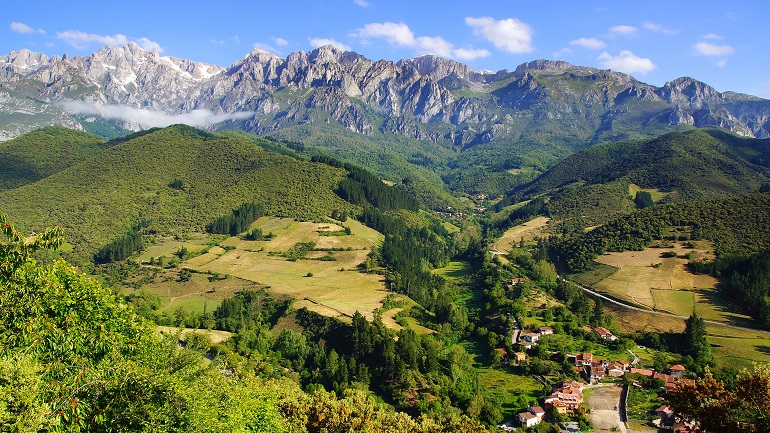
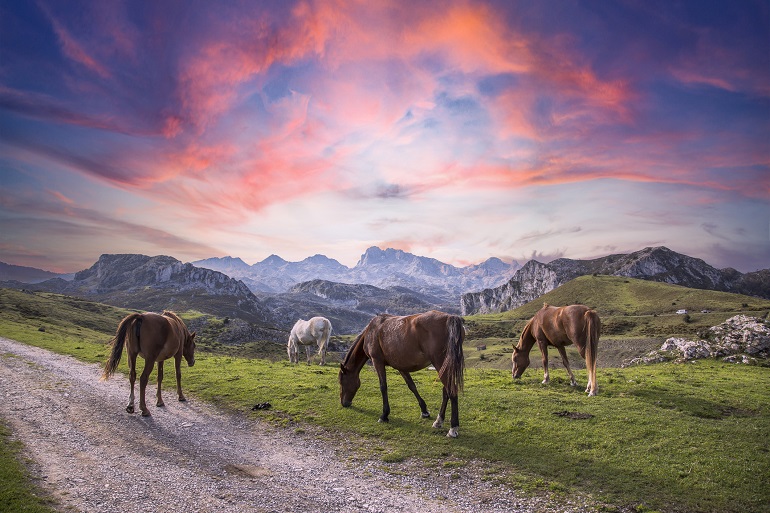
The Picos de Europa National Park is a breathtaking mountain range that forms part of the Cantabrian Mountains. Spanning an area of 671 square kilometres, this majestic park is shared by three autonomous communities: Castilla y León, Asturias, and Cantabria.
Geological Formation
The Picos de Europa are the result of millions of years of tectonic activity and glacial erosion. The mountainous terrain is primarily composed of limestone, which has led to the formation of spectacular gorges, ravines, and sinkholes. This rugged environment offers a mighty panorama that captivates nature enthusiasts and adventurers alike.
Mountain Massifs
The park is divided into three distinct massifs:
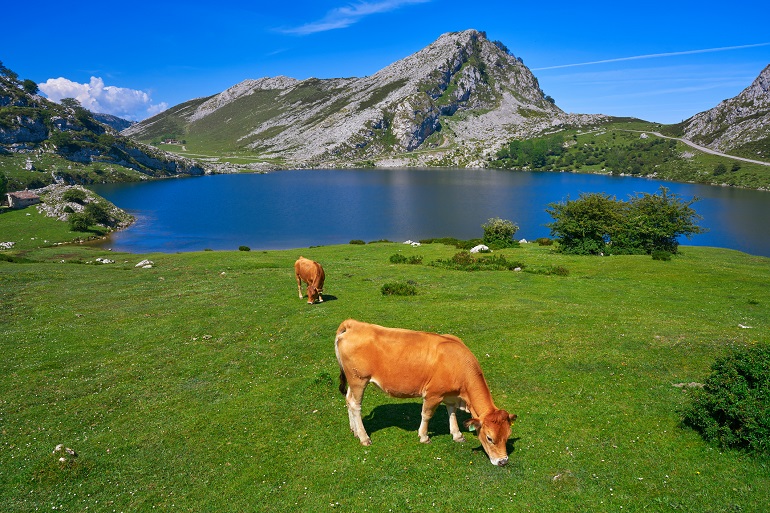
- Western Massif (Picos de Cornión): The largest in area, it is home to the Lakes of Covadonga and peaks such as Peña Santa de Castilla (2,596 m).
- Central Massif (Urrieles): The most rugged of the three, it boasts the highest peak in the park, Torre de Cerredo, standing at an impressive 2,650 metres above sea level.
- Eastern Massif (Ándara): The smallest and lowest in altitude, it features more accessible peaks and remnants of historical mining activities.
Valleys and Gorges
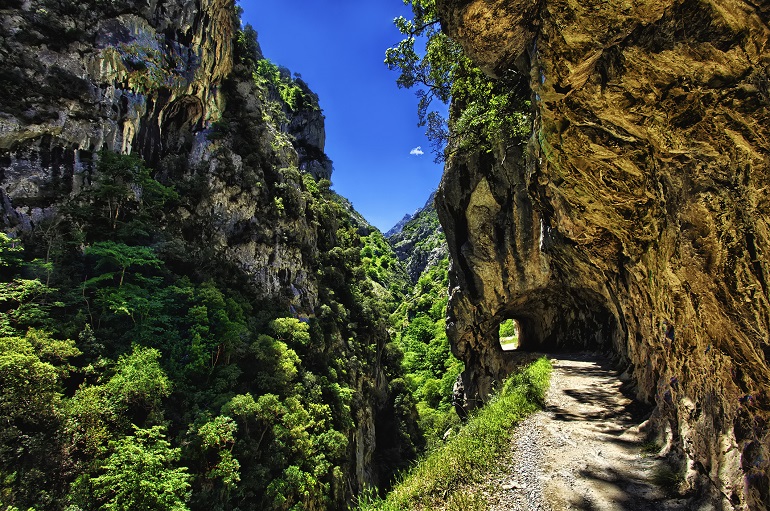
Deep valleys and gorges separate these massifs, carved out by glaciers and rivers over millennia. The most notable is the Cares Gorge, a 1.5-kilometre deep canyon that divides the Central and Western massifs. The village of Caín sits at its head, offering a starting point for exploration.
Rivers and Lakes
Several important rivers traverse the park, including the Sella, Cares, and Duje, which have played a crucial role in shaping the landscape. The Covadonga Lakes, nestled high in the mountains, are a highlight of the park, offering stunning reflections of the surrounding peaks.
Elevation and Climate
The park boasts a significant elevation range, from 75 metres above sea level along the Deva River to the summit of Torre Cerredo at 2,650 metres. This variation in altitude contributes to the park's diverse landscapes and microclimates.
The climate in the Picos de Europa is characteristic of high mountain regions, with temperatures ranging from around 8°C in the mid-mountains to below freezing on the summits. Rainfall increases with elevation, and snowfall is common in winter, particularly at higher altitudes.
Karst Landscape
The limestone composition of the mountains has resulted in an impressive area of alpine karst. This unique geological feature is characterised by its sculpted rock formations, underground cave systems, and distinctive surface patterns created by water erosion.
Flora and Fauna
The Picos de Europa National Park is a treasure trove of biodiversity, boasting an impressive array of flora and fauna that make it a naturalist's paradise.
Flora
The park's diverse habitats support over 1,400 species of vascular plants, including numerous endemic species. The landscape is a patchwork of different ecosystems:
Forests
Beech forests dominate the higher altitudes, while oak, ash, and chestnut trees thrive in lower areas. The park also harbours rare species like the Pyrenean oak and yew trees.
Alpine Meadows
These areas burst into colour during spring and early summer, with a spectacular display of wildflowers including:
- Orchids (over 45 species)
- Gentians
- Narcissi
- Lilies
Endemic Plants
The park is home to several species found nowhere else, such as the Picos daffodil (Narcissus asturiensis) and the Asturian lily.
Fauna
The park's varied terrain provides habitats for a rich diversity of animal life, including:
Mammals
- Cantabrian brown bear
- Iberian wolf
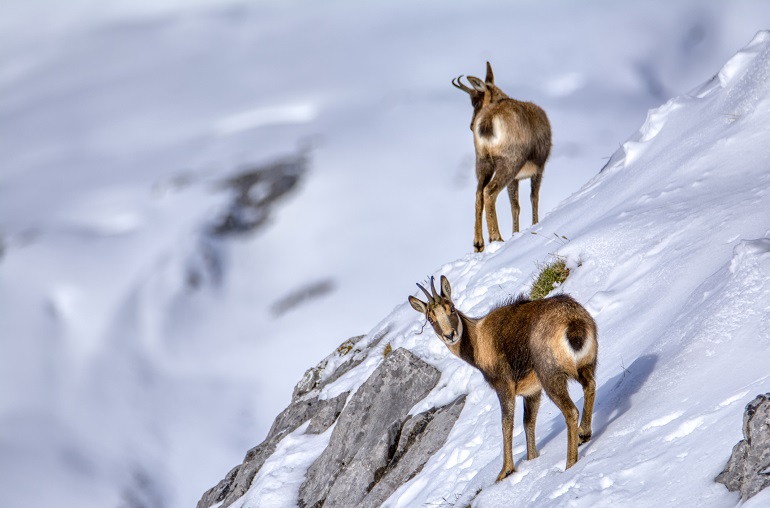
- Chamois
- Roe deer
- Wild boar
- European wildcat
Birds
- Golden eagle
- Griffon vulture
- Egyptian vulture
- Bearded vulture (recently reintroduced)
- Cantabrian capercaillie (endangered)
Amphibians and Reptiles
- Fire salamander
- Iberian frog (endemic to the Iberian Peninsula)
The park is particularly notable for its bird life, with over 100 breeding species recorded. The skies are often graced by various raptors, including short-toed and booted eagles.
Conservation
Many species in the Picos de Europa are of significant conservation concern. The Cantabrian brown bear and Iberian wolf populations, while slowly recovering, remain vulnerable. The Cantabrian capercaillie is critically endangered, making the park's protection crucial for its survival.
The park's unique blend of traditional farming practices and wild spaces has created a haven for biodiversity. Visitors have the opportunity to witness this rich tapestry of life, from the smallest orchid to the mightiest bear, making the Picos de Europa an unforgettable destination for nature enthusiasts.
Activities and Attractions
The Picos de Europa National Park, located in northern Spain, is a breathtaking destination offering a mix of rugged limestone peaks, verdant forests, and charming rural villages. Spanning the regions of Asturias, Cantabria, and León, this UNESCO Biosphere Reserve is perfect for outdoor enthusiasts and nature lovers alike. Below is a guide to some of the best activities and attractions in the park.
Outdoor Activities
Hiking
Hiking in the Picos de Europa National Park is a must for anyone visiting this stunning region. With trails ranging from easy, family-friendly walks to challenging routes through dramatic gorges and peaks, there is something for every level of hiker. Below are some of the most notable hikes in the park:
1. Ruta del Cares (The Divine Gorge)
- Distance: 23.6 km (out-and-back)
- Duration: 6–8 hours
- Difficulty: Moderate
- Trailhead: Poncebos or Caín
This iconic trail, often considered one of Spain’s most beautiful hikes, follows the Cares River through a spectacular limestone gorge. The path clings to the mountainside, offering breathtaking views of sheer cliffs and the river below. Originally built to maintain a water canal, it is now a well-maintained route popular with hikers. Despite its length, the minimal elevation gain makes it accessible to most walkers.
2. Covadonga Lakes Trails
- Los Lagos Trail (PR-PNPE-2): A 6 km loop around the glacial lakes of Enol and Ercina, perfect for families or those seeking an easy hike.
- Vega de Ario Trail (PR-PNPE-4): A more challenging 15 km out-and-back trail leading to Vega de Ario, with stunning views of the surrounding peaks.
These trails offer a mix of serene lake views, alpine meadows, and historical sites like the Buferrera Mines. The area is accessible by bus or taxi due to road restrictions aimed at preserving the environment.
3. Puertos de Áliva
- Distance: 15.2 km
- Duration: 5 hours
- Difficulty: Easy to moderate
- Trailhead: El Cable (Fuente Dé cable car station)
This scenic route begins with a cable car ride to El Cable station and traverses through limestone landscapes and lush grasslands before descending into enchanting forests. The trail offers panoramic views of the central massif and is ideal for those looking for a mix of effort and relaxation.
4. Ruta Río Casaño
- Distance: Approx. 10 km (out-and-back)
- Duration: 3–4 hours
- Difficulty: Easy to moderate
- Trailhead: La Molina
This lesser-known trail follows the Casaño River through chestnut forests and past waterfalls, providing a tranquil alternative to more crowded routes. It’s perfect for those seeking solitude and a different perspective on the park’s beauty.
5. Naranjo de Bulnes (Picu Urriellu)
- Distance: Varies depending on route
- Duration: Full-day hike
- Difficulty: Moderate to difficult
This hike takes you to Vega de Urriellu, at the base of the iconic Naranjo de Bulnes peak. The ascent rewards hikers with unparalleled views of one of Spain’s most famous climbing destinations.
6. Canal del Texu to Bulnes
- Distance: 8 km (round trip)
- Duration: 3–4 hours
- Difficulty: Moderate
This trail leads to Bulnes, one of Spain's most remote villages, accessible only by foot or funicular railway. The path winds through narrow gorges with dramatic cliffs towering above.
Tips for Hikers:
- Start early to avoid crowds on popular trails like Ruta del Cares.
- Wear sturdy hiking boots and bring plenty of water.
- Check weather conditions before setting out; mountain weather can change rapidly.
- Respect conservation efforts by staying on marked trails and carrying out all rubbish.
Via Ferrata
- For adrenaline seekers, several via ferrata routes are available, such as La Hermida or Ponga circuits. These combine climbing with breathtaking views.
Water Sports
- Kayaking and rafting are popular on rivers like the Sella and Deva. These activities provide an exhilarating way to explore the park’s canyons and gorges.
Canyoning
- Explore hidden ravines and waterfalls through guided canyoning excursions at locations like La Molina.
Key Attractions
- Fuente Dé Cable Car:
- This cable car takes visitors from Fuente Dé to El Cable Viewpoint (1,823 metres), offering panoramic views of the central massif. It also serves as a starting point for several hikes.
- Naranjo de Bulnes (Picu Urriellu):
- A towering limestone peak popular with climbers and hikers. The ascent to Vega de Urriellu offers spectacular scenery.
- Covadonga Sanctuary and Lakes:
- A spiritual site featuring a sanctuary built into a cave and two serene glacial lakes (Enol and Ercina). It’s a must-visit for its natural beauty and historical significance.
- The Cares Gorge:
- A geological marvel dividing the Western and Central massifs, this gorge is a highlight for hikers and photographers alike.
Cultural Experiences
- Potes Village:
- Known as the "Rural Capital of Tourism," Potes offers traditional gastronomy like cocido lebaniego (meat stew) and local cheeses. It’s an excellent base for exploring nearby trails.
- Historical Routes:
- Explore ancient Roman bridges in Cangas de Onís or follow historical paths like the Reconquista route near Covadonga.
Practical Tips
- Visitor centres provide maps and information about self-guided routes.
- Free guided tours are available during summer months (July–September).
- Accommodation ranges from rural guesthouses in villages like Arenas de Cabrales to mountain refuges near hiking trails.

Accommodation
The area is known for its rustic charm and tranquil settings, making it an ideal destination for nature lovers and adventurers alike. Here’s an overview of what to expect when planning your stay.
Types of Accommodation
- Rural Guesthouses and Posadas
The region is dotted with traditional guesthouses, often referred to as posadas. These accommodations are typically family-run and provide a cosy, authentic experience. Many are housed in restored historic buildings, such as stone farmhouses or country homes, offering a rustic yet comfortable stay. Breakfasts often include local specialities like handmade cheeses and fresh bread. - Hotels
Hotels in the Picos de Europa range from budget-friendly establishments to boutique options with modern amenities. While luxury hotels are scarce, many properties offer stunning views of the mountains and convenient access to hiking trails. Some hotels also feature gardens, terraces, or small pools for relaxation after a day of exploring. - Self-Catering Apartments
For those seeking independence, self-catering apartments are a popular choice. These accommodations are well-equipped with kitchens and living spaces, making them ideal for families or longer stays. Many apartments are located in peaceful villages or on the outskirts of the park, providing easy access to both nature and local amenities. - Camping and Rustic Lodges
For a more immersive experience in nature, camping sites and rustic lodges are available around the park. These options cater to outdoor enthusiasts who want to stay close to hiking routes and enjoy the natural beauty of the area.
Key Locations
- Cangas de Onís: A gateway town to the park, offering a variety of accommodations and easy access to the Covadonga Lakes.
- Potes and the Camaleño Valley: Known for its picturesque scenery and proximity to hiking trails, this area is perfect for those seeking tranquillity.
- Arenas de Cabrales: A popular base for exploring the Cares Gorge and other iconic trails.
- Fuente Dé: Located near a cable car that provides access to high-altitude trails, this area is ideal for hikers.
Atmosphere and Features
Accommodations in the Picos de Europa often reflect the region’s rural character. Expect warm hospitality, simple yet charming interiors, and an emphasis on natural surroundings. Many properties provide amenities such as free parking, Wi-Fi, and breakfast services. Additionally, some establishments welcome pets or cater specifically to couples seeking a romantic retreat.
Tips for Visitors
- Book early if visiting during peak hiking seasons or holidays.
- Consider staying in different locations if you plan to explore multiple areas of the park.
- Check for accommodations that offer guided tours or information about local trails.
Gastronomy
The Picos de Europa National Park, nestled in northern Spain, offers a gastronomic experience as rich and diverse as its stunning landscapes. This region is renowned for its hearty, flavourful cuisine that reflects the rugged mountain terrain and the area's pastoral traditions.
Local Specialities
Cheeses
The Picos de Europa is a veritable cheese lover's paradise. The area boasts an impressive array of artisanal cheeses, including four with Designations of Origin and two with Protected Geographical Indications. The most famous of these is Cabrales, a strong blue cheese traditionally aged in limestone caves. Another notable variety is Gamoneu, considered a gastronomic treasure of the region. Made from a blend of cow, goat, and sheep's milk, it comes in two types: one from the valley and another from the upper pastures.
Hearty Stews
The region's cuisine is characterised by robust, warming dishes perfect for the mountain climate. Fabada Asturiana, a rich bean stew typically made with white beans, pork, chorizo, and black pudding, is a local favourite. Another popular dish is Cocido Montañés, a hearty mountain stew featuring white beans, collard greens, and various pork products.
Meat Dishes
The Picos de Europa is known for its excellent meat dishes. A local delicacy is 'Pitu de Caleya', a free-range chicken prized for its flavour. You might also encounter dishes featuring wild game, reflecting the region's hunting traditions.
Drinks
Cider
Asturian cider is an integral part of the local food culture. Unlike other ciders, it's traditionally poured from a height to aerate the drink, creating a unique serving spectacle.
Orujo
In the Liébana Valley, visitors can sample Orujo, a potent grape-based spirit similar to Italian grappa. The area's microclimate allows for vine cultivation, supporting both wine and Orujo production.
Culinary Experiences
Many local cheese producers offer visits, allowing tourists to learn about traditional cheese-making methods. Some wineries in the Liébana Valley also provide tours, offering insights into local wine and Orujo production.
Getting There and Around
Reaching the Park
The Picos de Europa National Park is accessible from several directions, with the nearest airports being Santander (SDR), Asturias (OVD), and Bilbao (BIO). For those travelling from the UK, there's also the option of taking a ferry from Plymouth or Portsmouth to Santander, which allows for transport of vehicles.
Transport Options
By Car
Renting a car is highly recommended for exploring the Picos de Europa. It offers the most flexibility and is the best way to navigate the park's diverse landscapes. You can easily hire a vehicle at any of the nearby airports.
From the east: Take the E70 coastal motorway from Santander. For the Western Massif, exit at Arriondas. For the northern slopes, continue to Potes on the N-621.
From the west: If coming from Oviedo or Asturias airport, take the E70 and exit at Arriondas, then head south on the N625 to Cangas de Onís.
By Bus
While not as convenient as driving, bus services are available:
- ALSA operates services from various Spanish cities to Arriondas, Cangas de Onís, Arenas de Cabrales, Panes, and Unquera.
- From Santander, there are 2-3 daily buses to Potes, with some continuing to Fuente Dé.
- Local services run from Arriondas and Cangas de Onís to Covadonga.
Getting Around the Park
Driving
A circular route around the park's perimeter is the most efficient way to explore, as the central areas are not accessible by car. This allows you to venture into different sections of the park from the outer edges.
Public Transport
Public transport within the park is limited and infrequent, especially outside of summer. However, during peak season (July-August), there are special bus routes:
- Services from Cangas de Onís, León, and Riaño to Posada de Valdeón, Caín, and Poncebos.
- A popular summer service from Cangas de Onís to Covadonga and the Covadonga lakes.
4x4 Taxis
In some areas, like the Valdeón Valley, 4x4 taxi services are available. These can be particularly useful for accessing more remote parts of the park or for hikers needing transport to and from trailheads.
Best Time to Visit
For the optimal experience, plan your visit in May, June, September, or early October. This avoids the peak season crowds of July and August while still enjoying favourable weather and trail conditions. Late May to early June offers lush green landscapes and comfortable hiking conditions, with trails being less crowded.
Remember that some roads may be closed to private vehicles during summer months, so it's wise to check local information and consider using bus services where necessary.
Best Time to Visit
Late Spring to Early Autumn (June–September)
- Why Visit: This period offers the most reliable weather for outdoor activities like hiking, cycling, and exploring. The temperatures are mild, ranging from 15°C in June to 25°C in July and August, and the trails are generally dry and accessible.
- Highlights:
- June: Ideal for quieter visits with long daylight hours and lush green landscapes from spring rains.
- July & August: Warmest months with peak tourist activity. While popular trails may be crowded, the weather is excellent for high-altitude hikes.
- September: Cooler temperatures (around 18°C) and fewer crowds make this a fantastic time to enjoy the park with added autumnal beauty.
Spring (April–May)
- Why Visit: The park comes alive with blooming wildflowers and vibrant greenery. This is a quieter time to visit before the summer rush.
- Considerations: Weather can be unpredictable with occasional rain, and some high-altitude trails may still be snow-covered or muddy.
Autumn (October–Early November)
- Why Visit: The forests transform into a palette of reds, golds, and ochres. The cooler weather is perfect for hiking without the summer crowds.
- Considerations: Days are shorter, and there’s a higher chance of rain. Some services and accommodations may begin to close as the season progresses.
Winter (December–March)
- Why Visit: A magical time for snow-covered landscapes and winter sports like skiing at San Lorenzo Station. This season also offers cosy experiences with hearty local dishes by a fire.
- Considerations: Cold temperatures, shorter days, and limited accessibility to some trails due to snow or ice.
Recommendations
- For the best combination of good weather and fewer crowds, visit in June or September.
- If you enjoy photography or wildlife watching, consider visiting in autumn when the landscapes are particularly striking.
- Always check local weather forecasts before your trip as mountain weather can change rapidly.
Conservation and Responsible Tourism
The Picos de Europa National Park is a stunning example of Atlantic ecosystem preservation. As Spain's only inhabited National Park, it presents a unique opportunity for visitors to experience the delicate balance between human activity and nature conservation.
Conservation Efforts
The park is home to a diverse range of flora and fauna, including endangered species such as the Iberian wolf, brown bear, and Cantabrian capercaillie. Conservation programmes are actively working to protect and increase the populations of these vulnerable species. For instance, the brown bear population has seen a slow but steady increase thanks to dedicated conservation efforts, while the bearded vulture has been successfully reintroduced to the area.
The LIFE DIVAQUA project is another significant conservation initiative in the park. It aims to restore aquatic ecosystems, improve biodiversity, and enhance the conservation status of aquatic habitats and species. One of its notable achievements has been the demolition of weirs in the Deva and Bullón rivers, allowing salmon to migrate upstream to spawn, thus expanding their distribution area.
Responsible Tourism
Visitors to the Picos de Europa National Park are encouraged to practice responsible tourism to help preserve this unique ecosystem:
- Stick to designated trails: The park offers over 30 self-guided routes. By staying on these paths, you minimise disturbance to local wildlife and vegetation.
- Proper waste management: Dispose of rubbish in appropriate bins and pick up any litter you encounter on trails.
- Respect wildlife: Observe animals from a distance and do not feed them.
- Water conservation: Be mindful of water usage, especially in rural areas.
- Support local communities: Stay in local accommodations and purchase locally-produced goods to contribute to the sustainable development of the region.
- Use sustainable transport: Consider using the park's low-impact transportation services, such as electric vans, or explore on foot or by bicycle.
Ecotourism Opportunities
The park offers numerous ecotourism activities that allow visitors to appreciate its natural beauty while minimising environmental impact:
- Hiking: Explore the park's diverse landscapes, from lush forests to rugged peaks, on well-maintained trails.
- Wildlife watching: Join guided tours to observe local fauna in their natural habitats.
- Environmental education: Participate in programmes that enhance understanding of the park's ecosystems and conservation challenges.
- Sustainable accommodation: Stay in eco-friendly campsites or rural lodgings that prioritise environmental stewardship.
By engaging in these responsible practices and eco-friendly activities, visitors can enjoy the breathtaking beauty of the Picos de Europa while contributing to its conservation for future generations.
Visitor Centres and Educational Facilities
Visitor Centres
Sotama Visitor Centre
Located near Potes in the municipality of Cillorigo de Liébana, the Sotama Visitor Centre is the park's showpiece interpretation centre. This impressive facility features:
- A projection room with double-screen aerial views of the mountains and wildlife
- Interpretation panels and displays on local architecture and traditional practices
- A 360° view room of the Picos and Cantabrian mountains
- A map and book shop
The centre is open year-round, with extended hours during peak tourist seasons.
Pedro Pidal Visitor Centre
Situated near the Covadonga Lakes, this centre offers:
- Seven sections covering various aspects of the park
- A detailed representation of the Picos de Europa's natural world
- Information on the park's history and human influence
- An arboretum with native species
- A Mining Museum (Buferrera)
The centre provides guided tours for groups and an environmental education programme for schoolchildren.
Educational Facilities
"The Mountains of the Lammergeier" Centre
This centre for biodiversity and sustainable development in Benia de Onís offers:
- A permanent interactive exhibition on the relationship between nature and culture
- An eco-laboratory for environmental workshops
- A training and meeting room focused on conservation programmes
- Educational programmes for various school levels
PeakMe Language School
While not a traditional visitor centre, this unique facility combines Spanish language education with exploration of the Picos de Europa. It offers:
- Spanish courses with a maximum of four participants per class
- Afternoon walks in the national park to practice language skills
- Opportunities to observe local wildlife and flora
General Information
The Picos de Europa National Park provides:
- Four visitor centres with information on exploring the park
- Free guided tours from July to September
- Approximately 30 self-guided routes
- Numerous viewpoints throughout the area
These facilities offer visitors comprehensive insights into the park's natural beauty, biodiversity, and cultural heritage, making them essential stops for anyone exploring the Picos de Europa National Park.