


 England Guide
 Ireland Guide
 Wales Guide
| Contents |
|---|
Introduction
Loch Lomond and The Trossachs National Park, established on 19 July 2002 as Scotland's first National Park, covers 720 square miles (1,865 sq km) of diverse Scottish landscape. The park is divided into four distinct regions: Loch Lomond, The Trossachs, Breadalbane, and Argyll Forest. At its heart lies Loch Lomond, the largest freshwater loch in Great Britain with a surface area of 27.5 square miles, containing approximately 30 islands depending on water levels. The park showcases the dramatic meeting of the Highlands and Lowlands along the Highland Boundary Fault, featuring 21 Munros (mountains over 3,000ft) and 19 Corbetts (mountains between 2,500ft and 3,000ft). With its rugged peaks, deep glens, tranquil lochs, ancient woodlands and rich wildlife including red squirrels, golden eagles and otters, the park attracts over 4 million visitors annually and is accessible within an hour's drive for half of Scotland's population.

Geography and Landscape
Geographical Setting
The national park extends across much of the western part of the southern highlands, lying to the north of Glasgow. The park authority divides the area into four distinct sections: Breadalbane, Loch Lomond, The Trossachs, and Cowal.
At the heart of the park lies Loch Lomond itself, the largest lake in Great Britain by surface area, covering 71 square kilometres. The loch contains numerous islands, including Inchmurrin, the largest freshwater island in the British Isles. Surrounding the loch are impressive hills, most notably Ben Lomond on the eastern shore, which rises to 974 metres and is the most southerly of Scotland's Munros (mountains over 914 metres).
Geological Features
One of the most significant landscape features within the park is the Highland Boundary Fault, a major geological structure that creates a dramatic dividing line between the Highlands and Lowlands of Scotland. This fault separates ancient Precambrian metamorphic rocks in the north from younger, softer sedimentary rocks to the south.
The park's distinctive northeast to southwest landscape pattern resulted from the Caledonian earth movements approximately 470 million years ago. Over time, the erosive forces of wind, water and ice have sculpted these different rock types to create the park's varied topography.
Landscape Character
The park can be divided into three distinct topographic areas:
Highland Landscapes
North of the Highland Boundary Fault, these areas feature rugged mountains, deep glens and remote, exposed hilltops. This dramatic highland scenery has been recognised through National Scenic Area designations.
Transitional Landscapes
Along the Highland Boundary Fault, where highland and lowland characteristics intermingle, creating a special ambience unique to this region.
Lowland Landscapes
South of the fault line, characterised by rolling landforms, wide straths and river valleys. These areas have developed as farm and estate land, featuring fields, meadows, parkland and policy woodlands in an integrated mosaic.
Water Features
The park boasts an impressive array of water bodies, including approximately 50 rivers and burns and 22 large lochs beyond Loch Lomond itself. The lochs and glens radiate in a distinctive pattern, shaped by massive ice sheets that once moved outwards from north of Breadalbane.
The Trossachs area is known for its wooded hills, glens and lochs lying east of Loch Lomond. Originally referring to a small woodland glen at its centre, the name now encompasses the wider region. This picturesque area represents a microcosm of typical highland landscape.
Glacial Heritage
The landscapes we see today were largely shaped during the last Ice Age, which ended over 10,000 years ago. The final advance of the Loch Lomond glacier carved out the loch basin before spreading into a fan shape south of Luss. When the ice melted, the rocky material carried by the glacier was deposited around Balloch, effectively damming the loch.
This glacial action created Loch Lomond's current form, which sits just 8 metres above sea level. Similar processes formed the characteristic rolling and hummocky appearance around the Lake of Menteith, where glacial deposits created 'kames' and 'kettle-holes' that now form distinctive landscape features.
Visual Character
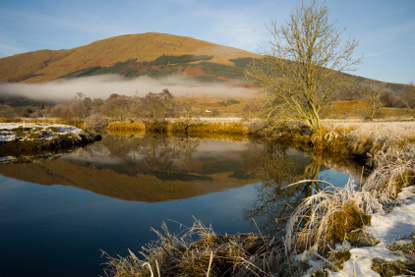
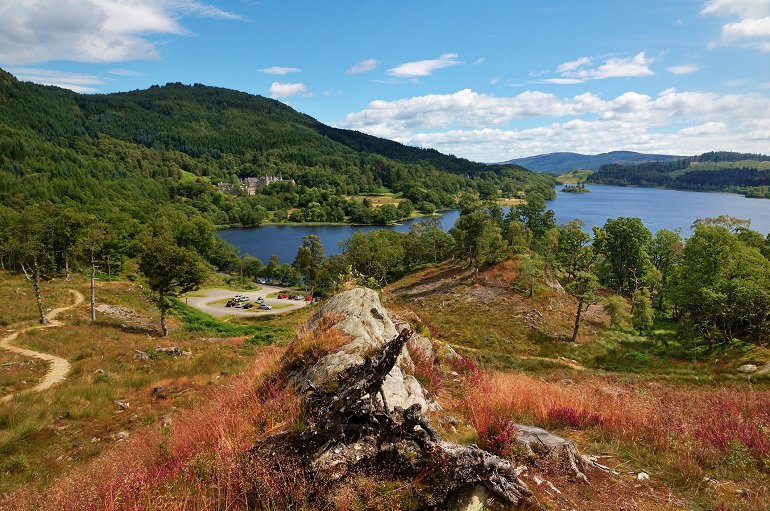
The park offers remarkable visual diversity, with striking contrasts where highlands and lowlands meet. Woodlands frame near and distant views to opposite shores and mountain tops, while the sinuous loch shores create low-lying watery vistas receding into the distance.
The Loch Lomond islands form a distinctive 'islandscape' where the interlocking of land and water creates a picturesque composition of great local distinctiveness. The calm, sheltered waters enclosed by natural shorelines contribute to the area's tranquil character.
With 21 Munros within its boundaries, including Ben Lomond, Ben Lui, Beinn Challuim, Ben More and Ben Vorlich, the park offers dramatic mountain scenery that provides an impressive backdrop to the lochs below, giving a sense of large-scale, expansive landscape that has captivated visitors for generations.
Flora and Fauna
Loch Lomond & Trossachs National Park offers a remarkable diversity of wildlife and plant species, making it a paradise for nature enthusiasts. Located where the Scottish Highlands meet the Lowlands, this unique geographical position creates varied landscapes that support an impressive range of flora and fauna.
Woodland and Plant Life
Woodland habitats cover a quarter of the national park, featuring common trees such as pine, spruce, larch, birch, oak, ash and hazel. The park is home to over 25% of all known plant species in Great Britain, with a rich variety of wild plants and flowers including mosses, ferns, bluebells, primroses and wild garlic.
The diverse ecosystems—woodland, wetland, moorland meadow and mountain terrains—support different plant communities throughout the seasons. In the limestone terrain around Ben Lui, you might spot delicate white dryads and purple or yellow saxifrage, while bilberry bushes flourish on the moors.
Mammals
The park's varied habitats support a wealth of mammalian life:
- Deer: Roe and red deer roam freely throughout the park, with smaller populations of fallow and Sika deer also present.
- Squirrels: This is one of the few places in the UK where endangered red squirrels can still be found, thanks to conservation efforts.
- Otters: These elusive creatures inhabit many of the park's waterways, best spotted at dawn or dusk.
- Other mammals: Badgers, pine martens and wild goats can be seen across the park. Pipistrelle bats—the smallest in Europe—dart through the air at dusk.
An unusual colony of wallabies has lived on Inchconnachan Island in Loch Lomond since the 1940s, offering a surprising sight for visitors.
Birdlife
The national park is a birdwatcher's delight, hosting almost 200 species of birds. Impressive birds of prey include ospreys, golden eagles, peregrine falcons and buzzards. The RSPB reserve at Inversnaid provides excellent birdwatching opportunities, and at the Lodge Visitor Centre near Aberfoyle, visitors can view ospreys via a dedicated camera.
Waterfowl are abundant across the park's many lochs, including mallards, eider ducks, tufted ducks and migratory species like whooper swans and pink-footed geese. Other water-loving birds such as kingfishers, curlews and oystercatchers can also be spotted.
Aquatic Life
The park's numerous lochs and rivers support a diverse aquatic ecosystem:
- Fish: Pike, trout, salmon and brown trout populate the freshwater bodies.
- Amphibians: Common frogs and toads breed in the wetland environments, with frogspawn visible in spring and adults active from July through autumn.
- Insects: Red, emerald and blue damselflies and larger dragonflies can be seen around lochs and moorland pools from May to September.
The coastal areas of the park, encompassing 39 miles around Lochs Long, Goil and Holy Loch, offer opportunities to observe marine wildlife including grey and common seals, porpoises and various seabirds. Whales and dolphins can occasionally be spotted off the west coast.
The rich biodiversity of Loch Lomond & Trossachs National Park makes it an ideal destination for wildlife enthusiasts, offering memorable encounters with Scotland's natural heritage throughout the year.

Activities and Attractions
Loch Lomond and Trossachs National Park offers a stunning landscape of rugged mountains, serene lochs, and lush forests.
Water Activities
The park boasts 22 lochs, with Loch Lomond being the most famous. Water enthusiasts can enjoy:
- Cruises: Take a relaxing sail on Loch Katrine aboard the historic SS Sir Walter Scott steamship, which has been operating for over a century
- Watersports: Try kayaking, canoeing, water skiing, jet-skiing or paddleboarding on Loch Lomond and Loch Earn
- Wild Swimming: Dive into the refreshing waters at various safe swimming spots
- Fishing: Cast a line at the Lake of Menteith, Scotland's only lake, which offers excellent fishing facilities
Walking and Hiking
The national park is a walker's paradise with trails suitable for all abilities:
- Ben Lomond: Summit this mountain for spectacular views of Loch Lomond (suitable for hikers with good fitness levels)
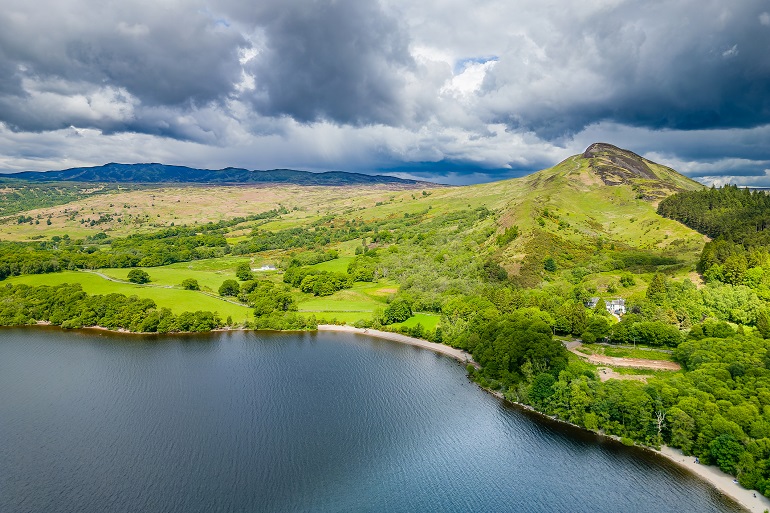
- Conic Hill: A short but energetic walk from Balmaha to the 361m summit rewards you with some of the finest views in the park
- Ben A'an: A short steep ascent offering magnificent views over Loch Katrine and the Trossachs
- Ben Ledi: The highest mountain in the Trossachs, offering views of both Scottish coasts on clear days
- West Highland Way: This 96-mile route crosses open moors, lofty peaks and forest-lined lochs
- Great Trossachs Art and Literature Trail: A book-inspired route with 'sound stories' encompassing Brig o' Turk and Loch Katrine
Wildlife and Nature
- Loch Lomond Bird of Prey Centre: See owls, eagles, hawks and falcons in flight and learn about conservation efforts
- SEA LIFE Loch Lomond: Discover underwater creatures, including Scotland's largest collection of sharks
- Wildlife Spotting: Look out for wallabies on the islands of Loch Lomond, along with numerous bird species
Adventure Activities
- TreeZone Aerial Adventure Course: Take on zip wires, hanging platforms, tightropes and bridges high in the treetops
- Pony Trekking: Enjoy stunning views of Loch Lomond from horseback with options for novices to experienced riders
- Climbing: Challenge yourself on various rock climbing routes throughout the park
- Axe-throwing, Abseiling and Archery: Try these activities at adventure centres like TreeZone
- Mini Highland Games: Compete with friends in traditional Scottish contests
Scenic Drives and Cycling
- The Trossachs Trail: Experience one of "Britain's Best Drives" through spectacular scenery
- Three Lochs Forest Drive: Enjoy the shores of Loch Drunkie—perfect for a picnic stop
- Heart 200 Road Trip: Discover enchanting woodlands, tranquil lochs and hefty peaks on this circular 200-mile route
- Cycling: The park offers numerous cycling routes for all abilities
Historical and Cultural Sites
- Doune Castle: A must-visit for Outlander or Monty Python fans
- Inchmahome Priory: Take a small boat across the Lake of Menteith to visit this historic site
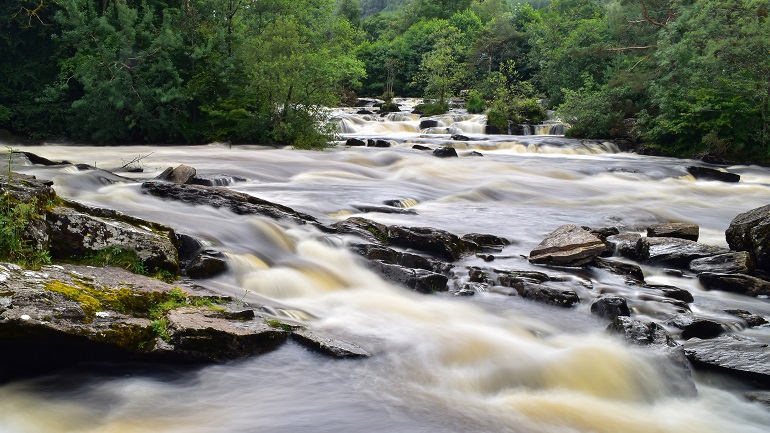
- Falls of Dochart and Falls of Leny: Admire these picturesque waterfalls along well-maintained trails

Accommodation
Scotland's first National Park welcomes visitors with lodging choices to suit every preference and budget.
Types of Accommodation
Hotels
The park boasts a variety of hotels ranging from luxury establishments to more budget-friendly options. Many hotels offer spectacular views of Loch Lomond or the surrounding mountains. Prices typically range from £109 per night for 3-star accommodation to around £325 for 5-star luxury. Many hotels feature on-site restaurants serving local cuisine, and some include leisure facilities such as swimming pools and spas.
Bed & Breakfasts
Traditional B&Bs are abundant throughout the park, offering a more personal touch and local charm. These range from cosy cottages to Victorian mansions, particularly around the Clyde sea-lochs. B&Bs provide a wonderful opportunity to enjoy a hearty Scottish breakfast whilst receiving local knowledge from your hosts.
Self-Catering Options
For those seeking independence, the park offers numerous self-catering cottages, lodges and cabins. These accommodations are ideal for families or longer stays, providing all the comforts of home amidst the spectacular landscape. Many self-catering properties feature private outdoor spaces, and some even include luxury amenities like hot tubs.
Glamping and Camping
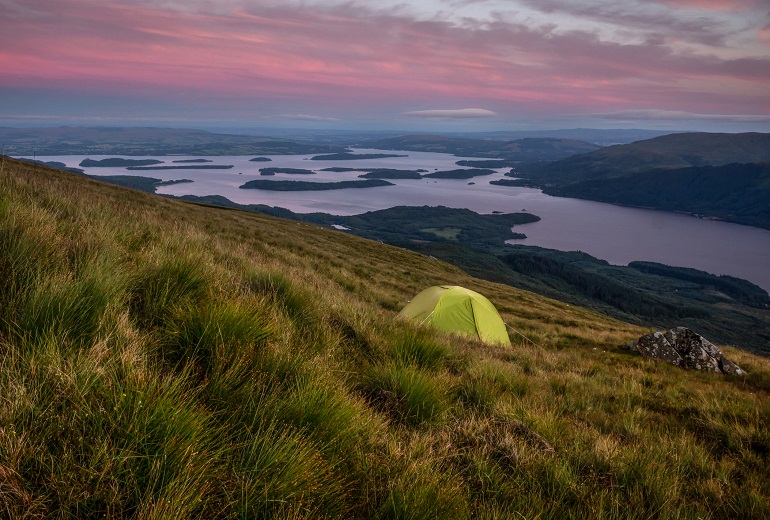
The park caters brilliantly to outdoor enthusiasts with various camping options. Traditional campsites are available throughout the region, while glamping accommodation—from pods to safari tents—offers a more luxurious outdoor experience. Do note that camping bylaws operate in certain areas of the park, particularly around East Loch Lomond.
Bunkhouses and Hostels
For walkers and those on a tighter budget, bunkhouses and hostels provide affordable accommodation, often situated alongside popular walking routes and scenic touring areas.
Locations
Accommodation is spread throughout the National Park, with concentrations around:
- Loch Lomond's shores (both east and west sides)
- The Trossachs area
- Breadalbane's glens
- The towns within and surrounding the park
- Along the West Highland Way
When to Book
Summer is particularly popular in the National Park, with accommodation filling quickly during peak season. Advance booking is highly recommended, especially for weekend stays and during Scottish school holidays.
Sustainability
Many accommodation providers in the park are committed to environmental sustainability and conservation efforts, recognising the importance of protecting the natural heritage of this special area. Some participate in visitor giving schemes that contribute to practical conservation projects within the park.
Gastronomy
The Loch Lomond & The Trossachs, offers a remarkable culinary journey through the heart of Scottish gastronomy. The area's restaurants and eateries showcase the best of Scotland's natural larder, with dishes that celebrate both tradition and innovation.
Local Produce
The National Park and its surroundings are brimming with entrepreneurial food producers who harness the region's natural bounty. From yoghurt makers to chilli growers, sausage specialists to fish smokers, the area supports a vibrant food production community. The fertile lands and plentiful seas surrounding Scotland provide restaurants with exceptional ingredients right on their doorstep.
Visitors can discover organic beef farms on the southern shore of Loch Lomond and various farm shops offering locally-sourced produce. The western shore of the loch is particularly known for its seafood, with fresh catches prepared by skilled chefs who let the quality ingredients speak for themselves.
Traditional Scottish Cuisine
The National Park offers numerous opportunities to sample authentic Scottish dishes:
Haggis, Neeps and Tatties - This quintessential Scottish dish combines flavoursome haggis (a savoury pudding containing meat, oatmeal, onions, salt and spices) with turnips and potatoes.
Cullen Skink - A thick, traditional Scottish soup made of smoked haddock, potatoes and onions that provides warming comfort, especially welcome after exploring the park's beautiful landscapes.
Fresh Seafood - Given the proximity to Scotland's coastal waters, seafood features prominently on menus throughout the region, from lobster and crab to langoustines, hand-dived scallops and smoked salmon.
Cranachan - This traditional Scottish dessert celebrates the raspberry harvest with a delightful combination of cream, fresh raspberries, Scottish oats and whisky.
Dining Experiences
The National Park offers diverse dining experiences to suit all preferences:
Country Kitchen to Fine Dining - From rustic cafés serving hearty Scottish breakfasts to restaurants offering sophisticated cuisine, the area caters to all tastes and budgets.
Waterfront Dining - Many restaurants take advantage of the stunning views across Loch Lomond, allowing visitors to enjoy classic Scottish cuisine while gazing out over the tranquil waters.
Alfresco Options - When the Scottish weather permits, some establishments offer outdoor dining experiences, perfect for soaking up the magnificent scenery while enjoying a meal.
Drink
No culinary tour of the region would be complete without sampling the local beverages:
Whisky - The area boasts access to some of Scotland's finest whiskies, with many venues offering extensive selections from across the country.
Local Brewing - The Loch Lomond Brewery produces distinctive craft beers that complement the local cuisine perfectly.
Cocktails and Fine Wines - Many establishments offer carefully curated wine lists and creative cocktails to enhance the dining experience.
The gastronomy of Loch Lomond & The Trossachs National Park truly offers a taste of Scotland's rich culinary heritage, making it an essential part of any visit to this stunning region.

Getting There and Around
Loch Lomond & The Trossachs National Park, located just north of Glasgow and Edinburgh, offers breathtaking scenery and outdoor adventures that are accessible via various transport options. Entry to the park, like all UK national parks, is free.
Getting to the Park
By Train
Train services provide excellent access to the park:
- From the south: Avanti West Coast trains run into Glasgow from London (every 40 minutes, taking approximately 4½ hours), Birmingham (just over 4 hours) and Manchester (just over 3 hours).
- The West Highland Line stops at Helensburgh, Arrochar, Ardlui, Crianlarich and Tyndrum.
- Trains also run to Balloch, which serves as a gateway to the park.
By Bus
Several bus services connect to the park:
- Citylink is the premier long-distance bus operator in Scotland, linking many destinations to the park.
- Key routes include Glasgow–Callander (western side of the Loch) and the Dundee–Oban route, passing through St Fillans, Killin, and Crianlarich.
- Services also run from across mainland Britain to Glasgow and Edinburgh, as well as to Stirling, Callander and Balloch.
By Car
If driving to the park:
- From the south/east: Take the M74/M8 past Glasgow, then change to the M898 to the Erskine Bridge, followed by the A82 into the park.
- From the north/west: Take the A82 into the park.
- Electric vehicle owners can find local charging points at Zap Map.
By Air
The closest international airports are:
- Glasgow Airport (approximately 40 minutes' drive)
- Edinburgh Airport (approximately 90 minutes' drive)
Getting Around the Park
By Public Transport
The park is well-served by public transport options:
- Buses: Most villages have bus services, with trails around Luss, Balmaha, Arrochar and Callander all within walking distance from local bus stops.
- Trains: Limited but useful for travelling between certain locations like Balloch, Helensburgh, and Dumbarton; or Arrochar, Crianlarich, and Tyndrum.
- The National Park Journey Planner app provides up-to-date timetables and routes for buses and trains.
By Waterbus
The Waterbus is a fantastic way to explore the park:
- Services run across Loch Lomond and Loch Katrine during summer months.
- On Loch Lomond, boats connect Inveruglas, Inversnaid, Tarbet, Rowardennan, Luss, Balmaha, Balloch and the island Inchcailloch.
- On Loch Katrine, there's a route connecting Stronachlacher (west) with the Trossachs Pier (east).
- The Waterbus provides access to remote areas, especially on the eastern shore of Loch Lomond.
Seasonal Services
The Trossachs Explorer Bus is a pilot service running from 1st July to 30th September 2024:
- Connects Callander, Kilmahog/Ben Ledi, Brig O' Turk, Ben A'an, Loch Katrine, Ben Venue, The Lodge, and Aberfoyle.
- Operates 7 days a week with up to 8 departures daily.
- The wheelchair-accessible bus has capacity for up to 63 passengers.
- Coordinated with bus services to/from Stirling and Glasgow, as well as Loch Katrine sailing times.
- A Day Saver ticket costs £5.95 for adults, with group and family discounts available.
- Free travel for under 22s and over 60s with a National Entitlement Card.
For visitors who prefer sustainable travel, the park's extensive public transport network makes it entirely possible to explore without a car, allowing you to relax and enjoy the magnificent scenery as you travel.
Best Time to Visit
Loch Lomond and The Trossachs National Park offers stunning beauty throughout the year, with each season bringing its own unique charm and experiences. As Scotland's first national park, it welcomes visitors year-round, though certain times may better suit particular activities and preferences.
Spring (March to May)
Spring is an excellent time to visit Loch Lomond, particularly early spring before the largest crowds and midges arrive. The weather becomes increasingly mild with temperatures rising from around 9°C in March to 14°C by mid-May. These months are amongst the driest of the year, with just 71mm of rain falling in March and 65mm in May.
The landscape awakens with bursts of colour as flowers bloom and wildlife becomes more active. April and May see Inchcailloch island carpeted with beautiful bluebells. Spring offers ideal conditions for hiking, cycling, and exploring the numerous trails throughout the park.
Summer (June to August)
Summer represents the peak tourist season in Loch Lomond, characterised by warmer temperatures and extended daylight hours. Daytime highs reach around 19°C with comfortably cool evenings between 10°C and 12°C.
This season is perfect for water-based activities including water-skiing, kayaking, and swimming. The long, light evenings provide ample time for fishing on the lochside or riverbank. Summer also brings cultural events such as the Loch Lomond Highland Games and the Luss Highland Gathering, both held in July.
Due to its popularity, it's advisable to book accommodation and activities well in advance if visiting during summer months.
Autumn (September to November)
Autumn transforms the national park into a stunning canvas of golden hues. The landscape comes alive with vibrant shades of red, orange and yellow as temperatures gradually decrease from an average of 16°C in September to around 9°C in November.
This season is particularly popular with photographers and nature enthusiasts who come to witness the spectacular autumn colours. It's an excellent time for guided nature walks to spot rutting red deer or enjoying a cruise on the loch. While autumn tends to be the rainiest season with around 13 days of rainfall per month, the changing colours and fewer crowds make it a magical time to visit.
Winter (December to February)
Winter brings a different kind of beauty to Loch Lomond, with snowy mountainsides contrasting against the gleaming waters of the loch. Average daytime temperatures range from 8°C in December to 6°C in February, with rainfall around 250mm per month, sometimes falling as snow at higher altitudes.
The roads are quieter during winter, making it perfect for peaceful cycle rides or car tours, followed by warming up over a pub lunch by a log fire. On clear, cold days, visitors may witness spectacular sunrises and sunsets as the sun sits low in the sky.
Best Time to Visit
The ideal time to visit Loch Lomond and The Trossachs National Park depends largely on your preferred activities and tolerance for crowds:
- For warm-weather activities with fewer crowds than peak summer, late May to early June or September offers an excellent balance.
- For water sports and cultural events, the summer months of June through August are ideal.
- For spectacular autumn colours and wildlife spotting, September and October are perfect.
- For peaceful exploration and winter landscapes, December through February provides tranquil experiences.
Regardless of when you choose to visit, Loch Lomond's beauty shines throughout the year, offering memorable experiences in every season.
Conservation and Responsible Tourism
The Park is home to extraordinary biodiversity and natural beauty that requires careful protection alongside thoughtful visitor management.
Natural Heritage and Conservation Efforts
Loch Lomond & The Trossachs National Park boasts remarkable biodiversity with over 200 bird species and more than 25% of all plant species known in Britain. The Park provides crucial habitat for iconic Scottish wildlife including red deer, red squirrels, golden eagles, and even beavers that have recently been observed on Loch Achray.
The Park Authority has established ambitious conservation goals including:
- Restoring important habitats and improving connectivity on a landscape scale
- Conserving the Park's special landscape qualities and sense of place
- Better managing the natural environment to address climate change impacts
- Creating landscape-scale partnerships for integrated land and water management
Specific conservation targets include expanding woodland by 2,000 hectares and restoring 2,000 hectares of peatland by 2023. In 2023/2024 alone, the Park restored over 1,793 hectares of peatland, transforming degraded carbon-emitting areas into vital carbon sinks.
The Park holds 67 sites with conservation designations, including 8 Special Areas of Conservation and 2 Special Protection Areas. It also contains two forest parks (Queen Elizabeth Forest Park and Argyll Forest Park) and two national nature reserves managed through partnerships with organisations like RSPB Scotland, NatureScot, and Woodland Trust Scotland.
Responsible Tourism Initiatives
With approximately 7 million visitor trips annually, the Park has developed comprehensive strategies to balance tourism with conservation. Tourism supports 6,200 jobs among the Park's 15,000 residents, making sustainable visitor management crucial for both the environment and local economy.
Sustainable Transport
Currently, about 85% of visits to the Park are made by car, contributing significantly to the Park's carbon footprint. To address this challenge, the Park Authority has:
- Launched a National Park Journey Planner app that helps visitors research, plan and book day trips while comparing the carbon impacts of different travel modes
- Commissioned a 'Sustainable Travel and Modal Shift Assessment' to develop solutions for reducing car dependency
- Employed rangers and volunteers to manage visitor pressures and promote responsible access
Visitor Management
The Park Authority employs 20 permanent and 44 seasonal rangers who conducted 1,192 patrols throughout 2023. These rangers, alongside volunteers who contributed over 16,500 hours during peak season, help:
- Enforce the Loch Lomond Byelaws to manage water activities safely
- Maintain the path network to prevent erosion
- Provide information and advice to thousands of visitors
- Support conservation activities throughout the Park
How to Visit Responsibly
To enjoy the Park sustainably:
- Consider using public transport or cycling instead of driving
- Use the National Park Journey Planner app to find low-carbon travel options
- Follow the Scottish Outdoor Access Code
- Support local businesses committed to sustainable practices
- Take all litter home and minimise single-use plastics
- Stay on designated paths to prevent erosion and habitat damage
The Park Authority has set a bold vision for the National Park as "a thriving place that is nature positive and carbon negative" with plans to reach net zero by 2035. By visiting responsibly, you can help preserve this magnificent landscape for future generations while enjoying its unparalleled beauty.
Visitor Centres and Educational Facilities
Loch Lomond & Trossachs National Park offers a wealth of visitor centres and educational facilities, providing excellent opportunities for visitors to learn about and explore this stunning area of Scotland.
Visitor Centres
The National Park boasts several visitor centres strategically located throughout the region:
Balmaha Visitor Centre: Situated in the charming village of Balmaha on the eastern shore of Loch Lomond, this centre is a popular starting point for many visitors. It features an exhibition on the National Park, geological displays, and information about the Highland Boundary Fault. The centre offers stunning views of Inchcailloch Island and provides access to the Millennium Forest Path. Facilities include a picnic area, children's activities, and a play area. It's open daily from April to September, with reduced hours in October and weekends only from November to March.
Other Visitor Centres: The National Park Authority operates additional centres in Aberfoyle, Balloch, Callander, Dukes Pass, Glen Finglas, and Tyndrum. These centres offer valuable information about the local area, wildlife, and available activities. Visitors can speak with knowledgeable park rangers, obtain tourist information brochures, and receive assistance with booking camping sites or organising tours.
Educational Facilities
The National Park serves as an exceptional outdoor classroom, offering numerous opportunities for learning and discovery:
Scottish Centre for Ecology and the Natural Environment (SCENE): Located on the banks of Loch Lomond, this University of Glasgow research facility provides excellent resources for ecological studies. It offers teaching and laboratory spaces for up to 45 people, as well as residential accommodation. SCENE is ideal for field courses, workshops, and seminars focused on understanding biological processes and addressing environmental challenges.
Outdoor Learning Programmes: The National Park Authority offers various educational programmes designed to connect visitors with nature. These initiatives aim to improve physical, mental, and emotional wellbeing while fostering an appreciation for the natural environment. Activities may include guided walks, wildlife observation, and hands-on conservation projects.
STEM Learning Opportunities: The park's diverse landscape provides an excellent backdrop for practical learning in science, technology, engineering, and mathematics. For example, some educational programmes explore renewable energy generation using the park's natural resources.
Planning Your Visit
When visiting the Loch Lomond & Trossachs National Park, consider:
- Checking opening times for visitor centres, as they may vary seasonally.
- Contacting the National Park Authority's Education & Inclusion Adviser for information on school or group visits.
- Exploring the various educational programmes and outdoor learning opportunities available.
- Using public transport or cycling routes to reduce your environmental impact.
- Adhering to the park's responsible visitor guidelines and seasonal byelaws.
By taking advantage of these visitor centres and educational facilities, you can enhance your understanding and appreciation of the Loch Lomond & Trossachs National Park's unique natural and cultural heritage.