Belgium Guide  |
|---|
|
| | Belgian Regions |
|---|
|
| | Belgian Provinces |
|---|
|
| | Europe Guide |
|---|
|
| | Travel Tools |
|---|
|
| | Benelux Guide |
|---|
|
|
|
|


Introduction
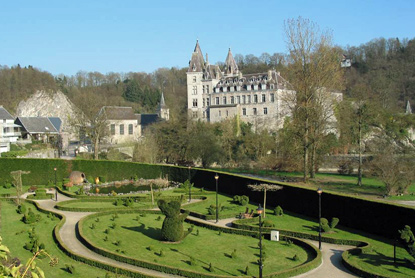
Durbuy, often referred to as the "smallest city in the world", is a charming medieval town located in the Ardennes region of Belgium, in the province of Luxembourg. With a population of only 400 in its historic centre, Durbuy offers visitors a unique blend of picturesque cobblestone streets, well-preserved 17th and 18th-century architecture, and stunning natural surroundings. The town is situated on the banks of the Ourthe River and is known for its imposing castle, dating back to the 11th century. Durbuy's compact size allows for easy exploration on foot, with attractions including the Topiary Park, featuring over 250 sculpted boxwood plants, and numerous art galleries, boutiques, and restaurants. The surrounding area provides ample opportunities for outdoor enthusiasts, with activities such as hiking, mountain biking, kayaking, and rock climbing available at nearby Adventure Valley.
Interesting Facts about Durbuy
- Durbuy claims to be the smallest city in the world, with fewer than 500 inhabitants in its historic centre.
- The town was first mentioned in written records as 'Durboium' in 814.
- Durbuy received its city charter in 1331 from John, Count of Luxembourg and King of Bohemia.
- The city boasts a Topiary Park with 250 beautifully sculpted boxwood evergreens, some over 100 years old.
- Durbuy's castle, rebuilt in 1880, stands prominently on the shore of the River Ourthe.
- The town features a unique geological formation called Le Rocher d'Omalius, an anticlinal rock formation of dolomitic limestone.
- Durbuy is home to the Halle aux Blés, a rare half-timbered building from the 16th century that now houses a modern and contemporary art museum.
- The city is a popular destination for outdoor activities such as kayaking, mountain biking, and rock climbing.
- Durbuy hosts a charming Christmas market in the second half of December.
- The town is known for its local artisanal products, including beer, sausages, and honey cakes from the Ardennes region.
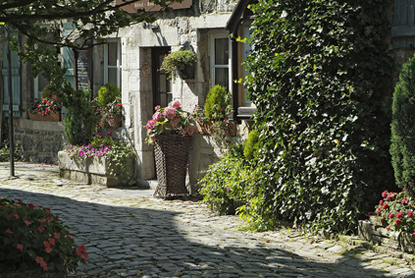
- Durbuy's old town centre is a maze of cobblestone streets and grey stone houses, typical of the region.
- The city is located at the point where three Belgian provinces (Luxembourg, Liège, and Namur) meet, at the edge of the Ardennes Forest.
History
First mentioned as 'Durboium' in 814, the settlement saw its earliest castle constructed around 889. The town's significance grew over the centuries, and by the 14th century, it had acquired city walls, a police force, and a courthouse. In 1331, John, Count of Luxembourg and King of Bohemia, granted Durbuy city status and its own charter of rights. This historic designation has been maintained to the present day, allowing Durbuy to claim the title of 'smallest city in the world' despite its modest population of fewer than 500 inhabitants. Throughout its history, Durbuy has played a crucial role in the region, serving as an important defensive stronghold for the County of Luxembourg and later becoming a popular tourist destination known for its medieval charm and picturesque setting along the Ourthe River.
By the early 14th century Durbuy had aquired city wall, a police and a courthouse, and was awarded the status of "city" by charter of rights, by the John, Count of Luxembourg and King of Bohemia, in 1331.
Up to this day, Durbuy is still officially a town (ville in French, which can be either 'town' or 'city'), and not a village, in spite of its diminutive size. The locals claim it to be the smallest town in the world, but that privilege is probably deserved by Staverden, in the Dutch province of Gelderland, which only counts 40 inhabitants.
The star attraction is the Topiary Park, an amazing collection of 250 sculpted buxus (boxwood). Some specimens are over 100 years old. The topiary is open daily from March to December, and weekends in February, from 10:00 am to 5:00 pm (to 4:00 pm in December). Admission is 4.5 € for adults and 1 € for children aged 6 to 12 (free under 6).
Durbuy has kept its original medieval atmosphere and is mostly geared to tourism nowadays, with plenty of fine restaurants and hotels housed in old blue-grey stone buildings. If you hesitate between the numerous restaurants in town, try the Le Sanglier des Ardennes or Le Fou du Roy.
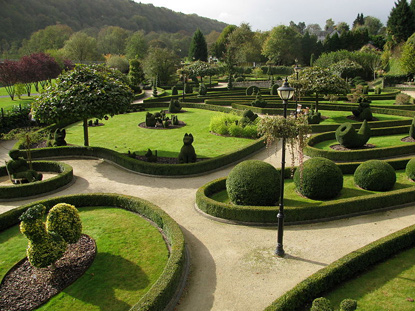 Topiary Park, Durbuy. Topiary Park, Durbuy.
The Ourthe River passes through Durbuy and marking the boundaries between three of Wallonia's geographical regions : the Condroz, the Famenne and the Ardennes. The river is ideal for kayaking and rafting. It is also possible to do horse riding and rent mountain bikes in Durbuy. The nearby megalithic sites of Weris are also recommended.
Nature in and around Durbuy
Durbuy, nestled in the Belgian Ardennes, offers a wealth of natural attractions. The Ourthe River flows through the area, providing opportunities for kayaking, fishing and peaceful riverside walks. Just minutes from town stands the Rock of Omalius (also called the Rock of Falize or the Anticline of Durbuy), a remarkable limestone formation created by millions of years of marine sediment deposits, offering spectacular views of Durbuy. Nature enthusiasts will appreciate the Topiary Park, featuring over 250 intricately shaped bushes transformed into artistic sculptures of animals, geometric shapes and characters. For adventure seekers, Adventure Valley Durbuy offers outdoor activities including zip-lining, rock climbing and nature walks set in the lush Ardennes countryside. Nearby, the Domaine de Hottemme nature reserve features walking trails and wildlife observation points. The surrounding region is ideal for hiking and cycling, with numerous trails winding through forests and past charming villages. The area is also part of the Famenne-Ardenne Geopark, one of only 147 parks with UNESCO status, highlighting the geological significance of the region.
Local Cuisine
Durbuy's culinary scene is a delightful blend of traditional Ardennes flavours and gourmet innovation. Visitors can savour a range of local specialties, including wild game dishes, smoked ham, and artisanal cheeses from the region. The town's restaurants often feature trout from the Ourthe River on their menus, offering a fresh taste of the local waters. For those with a sweet tooth, artisan chocolates and cuberdons, a nose-shaped Belgian sweet, are must-try treats. The cuisine is typically paired with regional beers or Ardennes wines, enhancing the dining experience. From rustic bistros serving hearty Ardennes fare to fine dining establishments like Le Fou du Roy, which creatively incorporates local ingredients, Durbuy caters to all palates. Don't miss the opportunity to visit local producers, such as Boucherie Bodson & Fils, known for their exceptional hams and charcuterie.
Getting There & Around
To reach Durbuy, take a train from Brussels to Barvaux-sur-Ourthe, which is on the Liège-Jemelle line. The journey takes about 2 hours, with a change either in Liège or Jemelle. From Barvaux station, you can take a taxi or walk the 2 km to Durbuy. Alternatively, there's a shuttle bus service, though it runs infrequently. For those driving, Durbuy is about a 1 hour 23 minute journey from Brussels. Once in Durbuy, the compact historic centre is best explored on foot. The town's charming cobbled streets are pedestrian-friendly, allowing visitors to easily stroll between attractions. For venturing further afield, cycling is a popular option, with bike rentals available in town. Public transport within Durbuy is limited, but there are some local bus services connecting nearby areas.
|


 Luxembourg Guide
 Netherlands Guide


