


 England Guide
 Ireland Guide
 Scotland Guide
| Contents |
|---|
Introduction
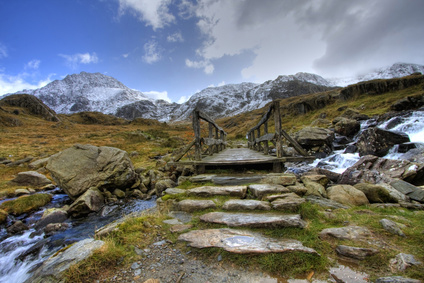
Nestled in North Wales, Snowdonia National Park (officially Eryri National Park since 2022) covers 823 square miles of diverse landscapes, making it the fourth-largest national park in the UK and the third to be established in 1951. The park is home to Wales' highest mountain, Yr Wyddfa (Snowdon), standing at 1,085 metres (3,560 ft), and contains all 15 mountains in Wales over 3,000 feet high. Its dramatic terrain features nine mountain ranges covering approximately 52% of the park, alongside river gorges, waterfalls, green valleys, and woodlands of oak, ash, rowan and hazel. Visitors can explore 1,497 miles of public footpaths and enjoy activities such as hiking, mountain climbing, ziplining, white water rafting, and riding the historic Snowdon Mountain Railway which has operated since 1896. The park attracts around 4 million visitors annually, with summer months between April and September being the most popular times.
Geography and Landscape
Mountains and Peaks
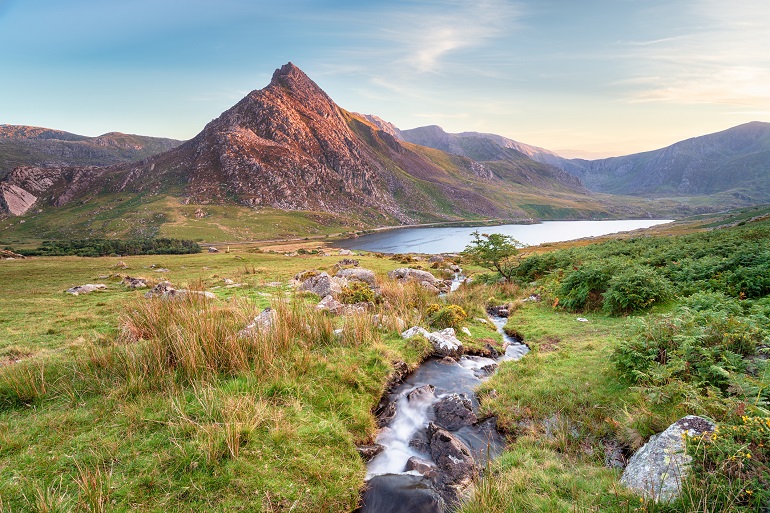
The park is best known for its rugged mountain ranges, which dominate much of the landscape. Snowdon (Yr Wyddfa), the highest peak in England and Wales at 1,085 metres (3,560 feet), is a central feature. Surrounding Snowdon are other prominent ranges, including the Carneddau, Glyderau, and Moelwynion in the north, as well as Cadair Idris and Rhinogydd further south. These mountains are largely composed of volcanic rock and shaped by glacial activity during the Ice Ages, resulting in jagged peaks, steep cliffs, and deep valleys.
Snowdonia contains all 15 of Wales’ peaks over 3,000 feet (915 metres), making it a haven for climbers and hikers. The northern areas feature more rugged terrains with dramatic ridges and boulder fields, while the southern regions offer slightly gentler landscapes with rolling hills and valleys.
Coastal Landscapes
The park stretches to the Irish Sea along parts of Cardigan Bay, where its coastline features expansive dune systems such as Morfa Harlech and Morfa Dyffryn. These areas are complemented by estuaries like the Mawddach and Dwyryd, which create vast intertidal zones of sand and marshland. The coastal scenery provides a striking contrast to the mountainous interior.
Rivers, Lakes, and Waterfalls
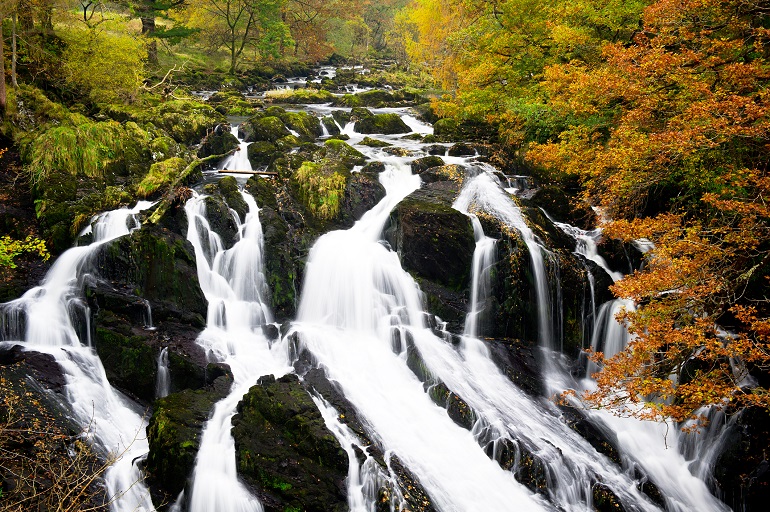
Snowdonia is rich in water features that add to its scenic beauty. Rivers such as the Dyfi and Mawddach carve through green valleys, creating steep gorges and cascading waterfalls. The park also contains numerous lakes, including Bala Lake (Llyn Tegid), the largest natural lake in Wales. These tranquil waters are often surrounded by lush woodlands or dramatic peaks.
Woodlands and Valleys
Scattered throughout Snowdonia are ancient woodlands filled with oak, ash, rowan, and hazel trees. These forests often line the park’s picturesque valleys, offering peaceful retreats amidst the dramatic surroundings. The green valleys themselves are a hallmark of Snowdonia’s charm, providing fertile ground for rivers to meander through.
Geological Features
The landscape of Snowdonia reflects millions of years of geological activity. Volcanic eruptions during the Ordovician period laid down much of the rock found here today. Glaciers from successive Ice Ages further sculpted the terrain into its current form—carving out U-shaped valleys and leaving behind moraines and tarns.
Diverse Terrain
One of Snowdonia’s most remarkable attributes is its variety. From knife-edge ridges to serene wetlands and from towering peaks to sweeping coastlines, the park offers an unparalleled range of geographical features within a relatively compact area.
Flora and Fauna
Snowdonia National Park is a treasure trove of diverse flora and fauna, offering visitors a chance to experience some of Britain's most unique and rare species. This 823-square-mile park in Wales boasts an impressive array of landscapes, from towering peaks and windswept uplands to ancient woodlands and coastal areas, each supporting a rich variety of plant and animal life.
Flora
Snowdonia's varied habitats are home to an extraordinary range of plant species, many of which are rare or endemic to the area.
Alpine Plants
The park's high-altitude areas harbour several arctic-alpine species that have adapted to harsh conditions. Look out for the purple saxifrage, one of Wales' most resilient arctic-alpine flowers, which thrives in cold, remote mountainous regions.
Snowdon Lily
Perhaps the most famous of Snowdonia's flora is the Snowdon lily (Lloydia serotina). This delicate arctic-alpine plant is found nowhere else in the UK, making it a true botanical gem of the park.
Woodlands
Ancient forests throughout the park support a diverse understory. In spring, bluebells carpet the forest floor, while other woodland flowers like marsh marigold and yellow flag add splashes of colour.
Rare Species
Keep an eye out for endemic eyebrights and the floating water-plantain, both of which are priority species within the park.
Fauna
Snowdonia's wildlife is as varied as its landscapes, with numerous species calling the park home.
Birds
The park is a haven for birdwatchers, with around 20 species of raptors present. Look for red kites, buzzards, and if you're lucky, you might spot the elusive golden eagle. Other notable birds include the red-billed chough, ring ouzel, and the striking kingfisher near water bodies.
Mammals
Wild mountain goats, believed to have roamed the area since the Ice Age, can be seen traversing steep cliffs. The Carneddau ponies, with their long manes, roam freely near Bethesda and Llanfairfechan. For a glimpse of rarer mammals, keep an eye out for otters along riverbanks or the recently reintroduced pine martens in woodland areas.
Insects
The park is home to some fascinating insects, including the extremely rare Snowdon or rainbow leaf beetle. This colourful creature is found only on the slopes of Yr Wyddfa (Mount Snowdon) and is protected under the Wildlife and Countryside Act.
Marine Life
Along the coast, you might spot dolphins, harbour porpoises, and seals in Cardigan Bay. The park's beaches and estuaries also support a variety of coastal wildlife.
Best Spots for Wildlife Watching
- Yr Wyddfa (Mount Snowdon): For alpine plants, birds of prey, and the rare rainbow leaf beetle.
- Coed y Brenin and Gwydir Forests: Excellent for woodland species and birds.
- Dyfi, Mawddach, and Dwyryd estuaries: Great for coastal and marine wildlife.
- Nant Ffrancon valley: Look for butterflies in the wildflower meadows.
- Cadair Idris: Another good spot for mountain wildlife, including feral goats.
Remember to respect the environment and wildlife during your visit. Bring binoculars for better viewing, and always follow the countryside code. Snowdonia National Park offers a unique opportunity to experience some of Britain's most precious natural heritage, making it a must-visit destination for nature enthusiasts and casual observers alike.
Activities and Attractions
Snowdonia National Park offers a wealth of activities and attractions amidst some of the UK's most dramatic landscapes. From adrenaline-pumping adventures to serene natural wonders, this Welsh gem has something for everyone.
Outdoor Adventures
Hiking and Walking
Snowdonia boasts over 1,700 miles of trails, making it a hiker's paradise. The park features numerous routes for all abilities:
- Snowdon Summit: Reach Wales' highest peak via six different paths, including the beginner-friendly Llanberis Path (8 miles return, approximately 6 hours) and the more challenging Snowdon Horseshoe (11.5km, featuring Grade 1 scrambling).
- Tryfan & The Glyderau: A classic ridge walk offering spectacular views with less crowding than Snowdon.
- Moel Siabod: A 9.2km hike with panoramic views of 13 of the 14 Welsh 3,000-footers on clear days.
- Snowdonia Slate Trail: A 134km historical route that can be tackled in sections, passing through breathtaking landscapes and historic sites.
Adventure Activities
The park is Wales' undisputed activity capital with numerous thrilling options:
- Zip World: Experience Velocity 2 at Penrhyn Quarry, the fastest zip wire in the world where you can reach speeds up to 100mph.
- Bounce Below: Set in the Llechwedd slate caverns, this unique attraction features giant trampolines in a stunning cave setting for family fun.
- Adventure Parc Snowdonia: Home to the world's first inland surfing facility.
- White Water Rafting: Try rafting and canyoning at Canolfan Tryweryn, the National White Water Centre near Bala.
- Mountain Biking: Coed Y Brenin offers excellent trails for cycling enthusiasts.
Natural Wonders
Waterfalls and Lakes
- Swallow Falls and Conwy Falls: Located near Betws-y-Coed, these impressive waterfalls are set amidst lush woodlands.
- Dolgoch Falls: Hidden in the southwestern part of the park, these accessible falls are perfect for family picnics.
- Fairy Glen: An enchanting secluded gorge on the Conwy River in the heart of Gwydir Forest.
- Bala Lake: A scenic lakeside destination offering paddleboarding, kayaking and rowing opportunities.
Historical and Cultural Sites
- Caernarfon Castle: A historic fortress providing panoramic views of the countryside and coast with detailed historical exhibits.
- National Slate Museum: An interactive museum exploring the history of mining communities, featuring industrial machinery and recreated cottages.
- Penrhyn Castle and Gardens: A 19th-century fairy tale castle with decadent interiors, play areas for children, and Sunday dog walks.
- Dolwyddelan Castle: A commanding Welsh stronghold with connections to Prince Llywelyn the Great.
Family-Friendly Activities
- Snowdon Mountain Railway: A scenic railway journey up Snowdon for those who prefer not to hike.
- Fforest Coaster: The UK's only alpine coaster, located at Zip World Fforest.
- Bennar Beach: North Wales' surfer's paradise with golden sands, perfect for a day by the sea.
- Bodnant Gardens: A world-famous National Trust garden home to National Collections and Champion Trees.

Accommodation
Types of Accommodation
Hotels and Inns
The park boasts a variety of hotels, from grand country houses to cosy rural inns. Many offer spectacular views of the mountains or coastline, and some feature amenities such as spas, fine dining restaurants, and beautifully landscaped gardens. Visitors can choose from boutique establishments, historic properties, or modern hotels with all the contemporary comforts.
Bed and Breakfasts
For a more personal touch, numerous bed and breakfasts are scattered throughout the park. These often family-run establishments provide a warm Welsh welcome, comfortable rooms, and hearty breakfasts to fuel your adventures. Many are located in charming villages or scenic rural settings.
Self-Catering Cottages
Those seeking more independence might prefer self-catering options. Snowdonia offers a wide selection of holiday cottages, from quaint stone buildings in quiet villages to spacious farmhouses with stunning mountain views. Many come equipped with modern amenities and some even feature luxuries like hot tubs.
Camping and Glamping
For outdoor enthusiasts, Snowdonia provides numerous camping opportunities. Visitors can pitch their tents at well-equipped campsites, often situated in picturesque locations near lakes or at the foot of mountains. For those who prefer a bit more comfort, glamping options are available, including yurts, pods, and shepherd's huts.
Bunkhouses and Hostels
Budget-conscious travellers or those seeking a more social experience can opt for bunkhouses or hostels. These provide basic but comfortable accommodation and are often popular with hikers and outdoor activity groups.
Choosing Your Location
When selecting accommodation in Snowdonia, consider the activities you plan to undertake. Different areas of the park offer varying proximity to popular attractions:
- Llanberis: Known as the gateway to Snowdon, it's ideal for those planning to climb Wales' highest peak.
- Beddgelert: A picturesque village offering access to several Snowdon paths and other walking routes.
- Betws-y-Coed: Popular with outdoor enthusiasts, it provides easy access to walking and mountain biking trails.
- Coastal Areas: Towns like Barmouth offer seaside charm and access to both mountains and beaches.
Booking Tips
- Snowdonia can be busy during peak seasons, especially summer and bank holidays. Book well in advance to secure your preferred accommodation.
- Many establishments are dog-friendly, but always check policies before booking if travelling with pets.
- Consider the amenities you need. Some remote locations may have limited Wi-Fi or mobile reception.
- Look for accommodations with drying rooms or outdoor equipment storage if you're planning outdoor activities.
Gastronomy
Traditional Welsh Delicacies
Snowdonia's cuisine is deeply rooted in Welsh culinary traditions. Visitors can savour a variety of local specialities, including:
- Welsh Rarebit: A comforting dish of melted cheese, often made with Welsh cheddar, served over toasted bread and sometimes incorporating leeks and mustard.
- Bara Brith: A spiced fruit bread traditionally served with tea, offering a delightful blend of flavours reminiscent of gingerbread and raisin bread.
- Welsh Cakes: These sweet, griddle-cooked treats are perfect for a quick snack whilst exploring the park.
- Cawl: A hearty Welsh soup or stew typically made with lamb and vegetables, ideal for warming up after a day of hiking.
Local Produce
The region's lush landscapes contribute to the production of exceptional ingredients:
- Cheeses: Snowdonia is renowned for its artisanal cheeses, including sharp cheddars and creamy goat's cheese varieties.
- Lamb: The rolling hills provide excellent grazing for sheep, resulting in flavourful and tender Welsh lamb.
- Seafood: Coastal areas offer fresh seafood, with cockles and Menai mussels being particular delicacies.
Dining Experiences
From charming village cafes to upscale restaurants, Snowdonia caters to all tastes and budgets. Many establishments focus on farm-to-table concepts, showcasing the best of local and seasonal ingredients. Visitors can enjoy everything from traditional Sunday roasts to modern Welsh fusion cuisine.
Beverage Culture
The drinks scene in Snowdonia is equally impressive:
- Welsh Ales: Local breweries produce a range of craft beers and ales.
- Gin: The region has embraced the gin renaissance, with many establishments offering unique gin and tonic combinations.
- Afternoon Tea: A quintessentially British experience, often featuring local treats like Bara Brith and Welsh Cakes.
Foodie Adventures
For those looking to delve deeper into Snowdonia's culinary world, the area offers:
- Food festivals celebrating local produce
- Artisanal food shops and delis perfect for picking up picnic supplies
- Farm shops showcasing the best of Welsh agriculture
Getting There and Around
Getting to Snowdonia National Park
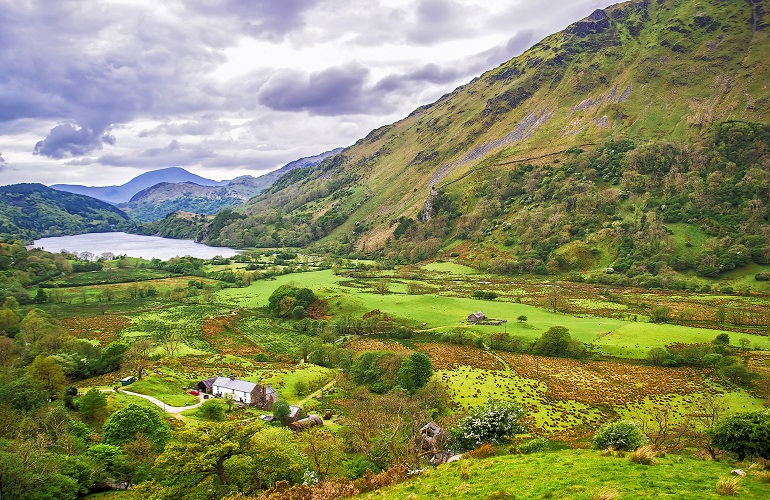
Snowdonia National Park is easily accessible by both car and public transport, making it a convenient destination for visitors from across the UK and beyond.
By Car
For those driving, the main access routes are the A55 along the north coast and the A5, which cuts through the National Park. These roads provide scenic views and direct access to major attractions like Snowdon. However, be aware that parking can be challenging, especially during peak times, and roads may be narrow in some areas.
By Public Transport
Snowdonia is well-connected by rail and bus services. Trains run to Bangor, Caernarfon, Porthmadog, and Betws-y-Coed, which serve as key transport hubs. The Conwy Valley Line connects Llandudno to Blaenau Ffestiniog, offering stunning views of the National Park. National Express and Arriva buses provide connections from major cities like London and Manchester.
Getting Around Snowdonia
Once in the park, there are several options for exploring without a car:
By Bus
The Snowdon Sherpa Bus Service is a vital link between major attractions, including the six main paths up Snowdon. It operates frequently, especially during peak seasons, and offers a hop-on, hop-off day ticket for unlimited travel. Other bus services connect less visited areas, such as Aber Falls.
By Train
Heritage railways like the Snowdon Mountain Railway, Welsh Highland Railway, and Ffestiniog Railway offer scenic journeys through the park. The Conwy Valley Line and Cambrian Line provide additional rail connections.
By Bike
Cycling is a popular way to explore Snowdonia, with many quiet routes and the option to hire e-bikes for tackling the hills.
By Heritage Railways
Several heritage railways, including the Talyllyn Railway and Padarn Railway, provide unique experiences and access to scenic areas.
Tips for Visitors
- Plan Ahead: Check bus and train timetables in advance to ensure smooth travel.
- Use Public Transport: It's an excellent way to enjoy the views without worrying about parking.
- Explore Local Services: Consider purchasing a Red Rover ticket for unlimited bus travel in Gwynedd and Anglesey.
- Enjoy Scenic Routes: Take advantage of heritage railways for a more leisurely experience.
Best Time to Visit
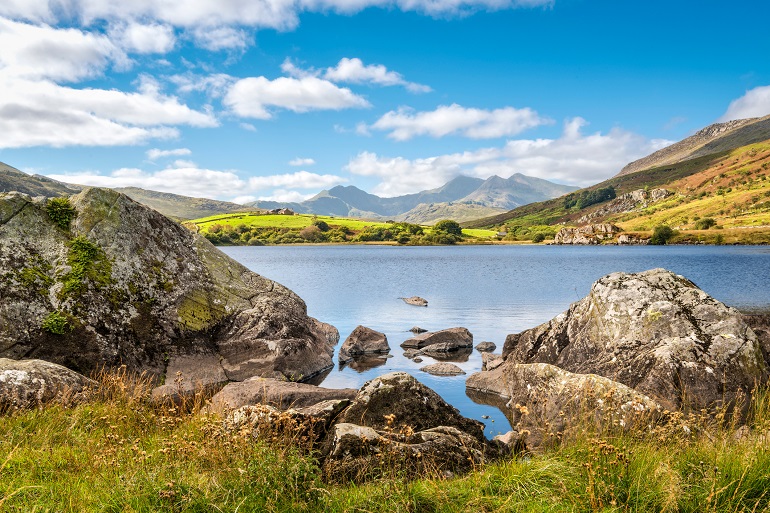
Snowdonia National Park, located in North Wales, offers breathtaking landscapes, outdoor adventures, and cultural experiences all year round. However, the best time to visit depends on your interests, weather preferences, and tolerance for crowds. Below is a seasonal guide to help you plan your trip.
Spring (March to May)
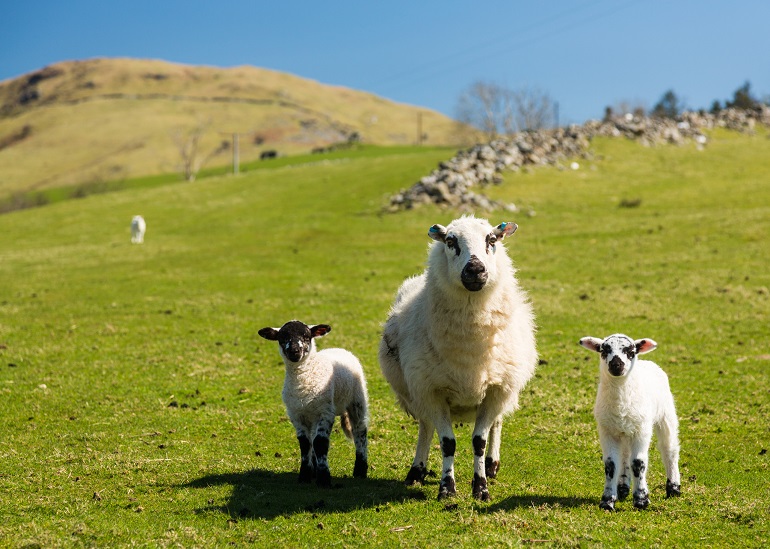
Spring is a delightful time to visit Snowdonia as the landscape comes alive with blooming wildflowers, lambs in the fields, and birdsong. The weather is generally mild, though it can still be wet and windy in March and April. May is particularly pleasant, offering drier conditions and opportunities to explore trails or enjoy local events like the Welsh Highland Railways' annual beer festival. This season is ideal for those seeking tranquillity and natural beauty without the summer crowds.
Summer (June to August)
Summer is the most popular time to visit Snowdonia due to longer days and warmer weather, with average temperatures ranging from 17°C to 19°C. This is the peak season for outdoor activities such as hiking, camping, ziplining, and water sports. Beaches along the coast also attract visitors during this time. However, July and August can be crowded, especially around Mount Snowdon (Yr Wyddfa) and popular villages like Betws-y-Coed. For a quieter experience, consider visiting in early June or exploring less frequented trails.
Autumn (September to November)
Autumn in Snowdonia is a magical time as the landscape transforms into a tapestry of rich reds, oranges, and yellows. September offers comfortable weather for hiking and fewer crowds compared to summer. October is particularly scenic and provides excellent conditions for photography and peaceful walks. Events such as the Helfa Gelf arts trail and Conwy Feast add cultural charm during this season. By November, temperatures drop significantly, but the serene atmosphere makes it a great time for reflective exploration.
Winter (December to February)
Winter in Snowdonia is quiet and starkly beautiful but comes with challenges such as cold temperatures and shorter daylight hours. Snow often blankets higher elevations, making winter mountaineering or climbing suitable only for experienced adventurers with proper equipment. Villages like Beddgelert offer cosy settings for those who prefer a more relaxed visit. While this season lacks the vibrant activity of other times of the year, it’s perfect for solitude seekers.
Recommendations by Activity
- Hiking Mount Snowdon: June offers the best conditions with dry weather and clear views.
- Avoiding Crowds: Visit in autumn (September or October) or on weekdays during term time.
- Outdoor Activities: Summer provides optimal conditions for kayaking, ziplining, and camping.
- Cultural Experiences: Spring and autumn host unique local festivals and events.
Conclusion
While Snowdonia National Park is open year-round, June through August is ideal for outdoor enthusiasts seeking warm weather and long days. For quieter exploration with stunning scenery, consider visiting in autumn or late spring. Winter offers solitude but requires preparation for harsher conditions.
Conservation and Responsible Tourism
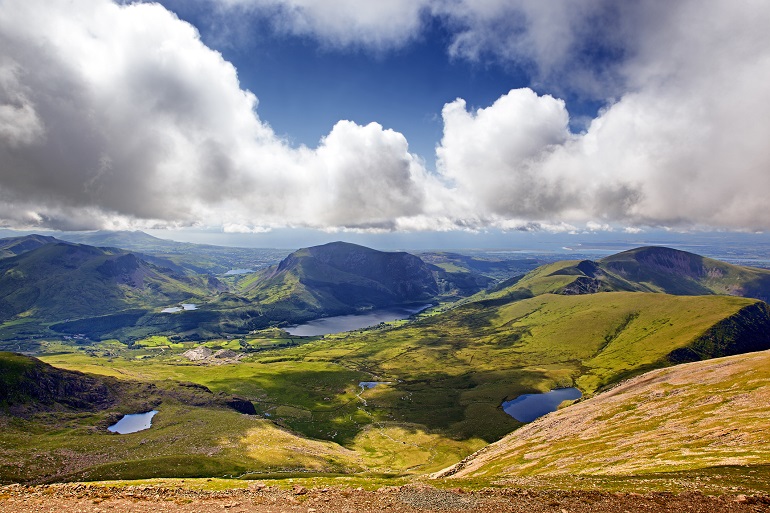
Snowdonia National Park, known locally as Eryri, is a stunning landscape of mountains, valleys, rivers, and lakes in North Wales. It is a place of immense natural beauty and cultural significance. To preserve its unique environment and heritage while accommodating millions of visitors each year, the park has embraced conservation and responsible tourism as core principles.
Conservation Efforts
Snowdonia is home to diverse habitats and species, many of which are rare or endangered. Approximately 18% of the park is designated for national and international nature conservation. Key initiatives include:
- Habitat Restoration: Projects such as peatland restoration play a vital role in biodiversity conservation and carbon storage. Peatlands in Snowdonia store millions of tonnes of carbon, helping combat climate change.
- Species Protection: Efforts are underway to protect unique species like the Snowdon rainbow beetle and Snowdonia hawkweed. These initiatives aim to revive populations of endangered flora and fauna.
- Community Involvement: Programmes like the Eryri Nature Recovery Action Plan engage local communities in biodiversity protection, fostering a deeper connection between people and nature.
The park also works with organisations such as Natural Resources Wales and the Snowdonia Society to enhance ecological richness through sustainable land management practices.
Responsible Tourism
With over six million visitors annually, Snowdonia faces the challenge of balancing tourism with environmental preservation. The Gwynedd and Eryri Sustainable Visitor Economy Plan 2035 outlines strategies to ensure tourism benefits both the environment and local communities:
- Sustainable Practices: Visitors are encouraged to minimise their environmental impact by using public transport, reducing waste, and respecting wildlife.
- Cultural Preservation: Tourism initiatives promote the Welsh language, traditions, and heritage. Attractions like the Centre for Alternative Technology highlight sustainable living practices while celebrating local culture.
- Eco-Friendly Attractions: Sites such as GreenWood Family Park feature innovative eco-tourism experiences, including solar-powered rides and people-powered roller coasters.
- Visitor Contributions: Programmes like visitor gifting allow tourists to contribute directly to conservation efforts through small donations.
Guidelines for Visitors
To support conservation and enjoy Snowdonia responsibly:
- Stick to marked paths to avoid damaging fragile ecosystems.
- Take litter home or use designated bins.
- Choose eco-friendly accommodation and activities.
- Respect local customs and communities by learning a few Welsh phrases.
By embracing these principles, visitors can help safeguard Snowdonia’s natural beauty and cultural heritage for future generations while enjoying its breathtaking landscapes.
Visitor Centres and Educational Facilities

Visitor Centres
Snowdonia National Park boasts three main information centres, strategically located to serve visitors:
Betws-y-Coed Information Centre
Located in the Royal Oak Stables, this centre is open daily from 9:30 to 16:30, with a brief closure for lunch. Staff are available to provide local information, accommodation booking services, and a sales area for books, maps, and souvenirs.
Beddgelert Information Centre
Situated in Canolfan Hebog, this centre offers similar services to Betws-y-Coed, including local information and a sales area. It operates seasonally, so it's advisable to check opening times before visiting.
Aberdyfi Information Centre
Found in Wharf Gardens, this centre provides valuable information about the southern part of the park. Like its counterparts, it offers accommodation booking and local information services.
Educational Facilities
Snowdonia National Park is home to several outdoor education centres, catering to schools, universities, and youth groups:
Plas Gwynant Outdoor Education Centre
Located in the beautiful Gwynant valley, this centre offers 54 participant beds and a range of facilities. It provides tailored programmes for various age groups, from Key Stage 2 to adult professional development, focusing on character building and experiential learning.
CMC Adventure
Situated on the west coast of North Wales within Snowdonia National Park, CMC Adventure offers 'enriching outdoor education' and adventure activities. They provide adventure residentials for schools, colleges, and youth groups, as well as adventure days and holidays.
Lledr Hall
This Salford City Council-owned residential adventure activity centre is located in the heart of Snowdonia. It offers a wide range of activities, from on-site ropes courses and canoeing to off-site climbing and mountain biking, all led by experienced staff.
Plas Caerdeon Outdoor Education Centre
Run by Liverpool Hope University, this centre is set in 18 acres of private woodlands within the national park. It offers residential outdoor activity courses for schools, youth groups, and university students, as well as facilities for fieldwork and research.
These centres and facilities provide excellent opportunities for visitors to explore and learn about Snowdonia's rich natural environment, making the national park an ideal destination for both educational trips and adventurous holidays.