


| Contents |
|---|
Introduction
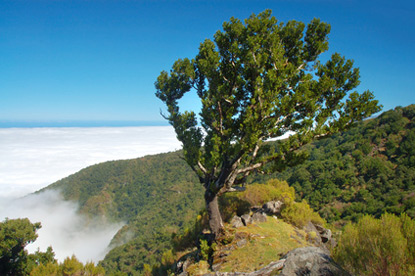
Madeira Natural Park, established in 1982, covers approximately two-thirds of Madeira Island, Portugal. This UNESCO Biosphere Reserve is home to diverse ecosystems, including the UNESCO World Heritage Laurissilva forest, a rare remnant of prehistoric laurel forest. The park encompasses several protected areas, such as the Desertas and Selvagens Islands Natural Reserves, and the Marine Nature Reserve of Garajau. Visitors can explore a network of hiking trails and levadas (irrigation channels) that traverse the park's varied landscapes, from rugged mountains and steep cliffs to lush forests and waterfalls. The park is renowned for its rich biodiversity, featuring endemic flora and fauna, including the Madeiran wood pigeon and the Mountain Orchid. Outdoor enthusiasts can enjoy activities such as hiking, bird watching, and diving, while experiencing the park's unique natural heritage.

Geography and Landscape
Madeira Natural Park, a UNESCO World Heritage site, is a stunning showcase of the island's extraordinary natural beauty. Covering approximately 18,000 hectares, this sprawling national treasure offers visitors a diverse landscape of breathtaking vistas and unique geological features.
Geographical Location
Situated in the Atlantic Ocean, Madeira Island lies about 980 kilometres southwest of Lisbon, Portugal, and roughly 600 kilometres west of the Moroccan coast. The park encompasses a significant portion of this volcanic island, including its mountainous interior and coastal areas.
Volcanic Origins
The island's dramatic landscape is a result of its volcanic origins, dating back approximately 60 million years. This geological history has shaped Madeira's topography, creating:
- Steep cliffs
- High mountain peaks
- Deep valleys
- Rugged coastlines
Mountain Ranges
The park's mountainous terrain is one of its most striking features. Notable peaks include:
- Pico Ruivo: The highest point on the island at 1,862 metres
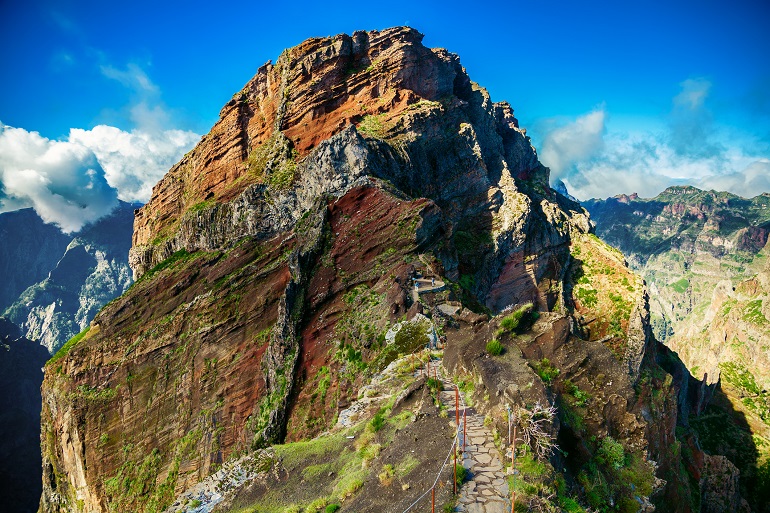
- Pico do Arieiro: Standing at 1,818 metres
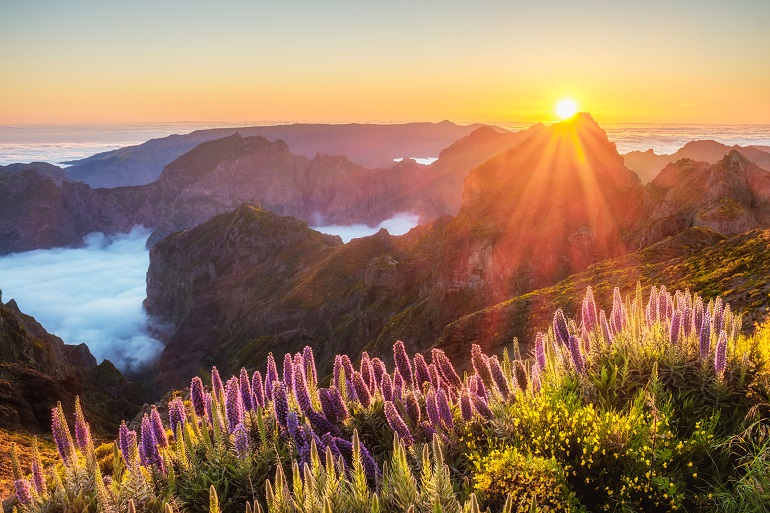
These towering mountains offer spectacular panoramic views of the surrounding landscape and the vast Atlantic Ocean.
Laurisilva Forest
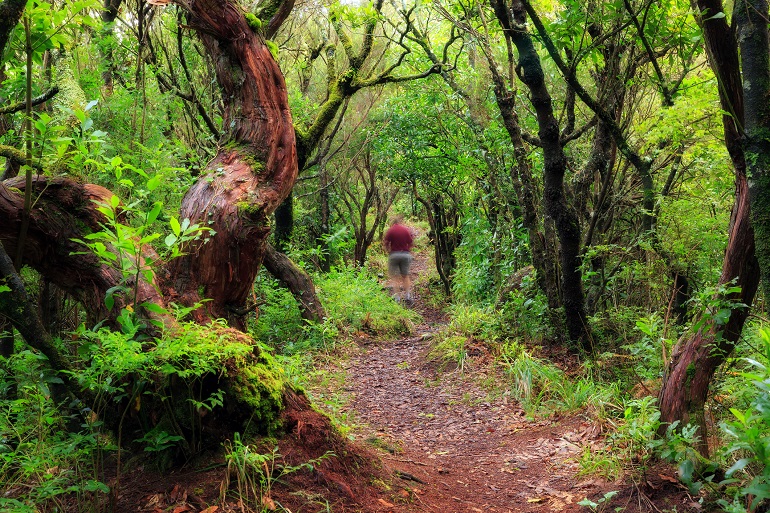
A significant portion of the park is covered by the Laurisilva forest, an ancient laurel forest that once blanketed much of Southern Europe. This prehistoric forest is a living remnant of the Tertiary era and plays a crucial role in the island's unique ecosystem.
Levadas
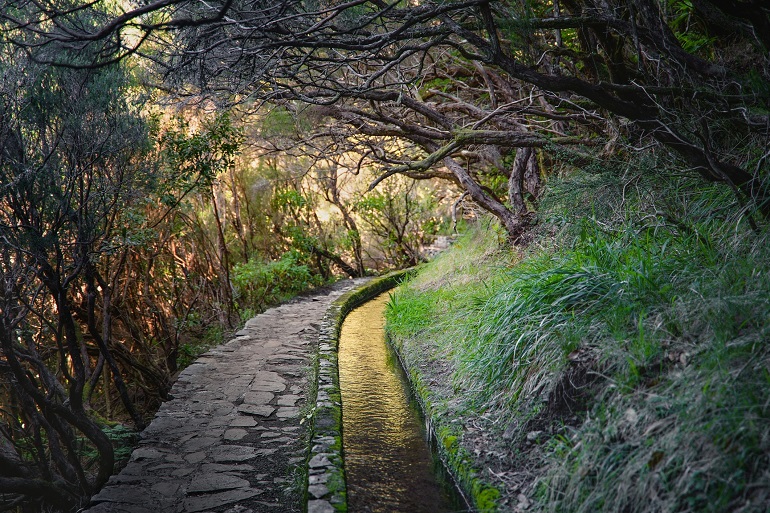
One of the park's most distinctive features is its network of levadas—irrigation channels unique to Madeira. These man-made waterways, some dating back to the 16th century, wind through the mountains and forests, offering visitors a fascinating way to explore the island's interior.
Coastal Features
The park's landscape extends to the coast, where visitors can find:
- Fajãs: Fan-shaped, rocky plains beneath steep cliffs, formed by collapsed cliffs
- Dramatic sea cliffs: Rising hundreds of metres above the ocean
- The Ponta de São Lourenço peninsula: A stark contrast to the lush interior, featuring arid landscapes and unique rock formations
Climate and Microclimates
Madeira Natural Park experiences a mild climate year-round, with average temperatures ranging from 18°C in winter to 26°C in summer. However, the park's varied topography creates numerous microclimates, resulting in diverse ecosystems within a relatively small area.
Unique Phenomena
The park's steep canyons and varied elevations create an interesting "upside-down" climate phenomenon. Lower elevations in deep valleys often experience cooler temperatures, while higher elevations can be warmer—an inversion of typical mountain climate patterns.
Madeira Natural Park offers visitors an unparalleled opportunity to explore a diverse and dramatic landscape shaped by volcanic activity and millions of years of erosion. From its misty laurel forests and towering peaks to its rugged coastlines and unique geological features, the park presents a captivating portrait of nature's artistry.

Flora and Fauna
Madeira Natural Park, a unique protected area encompassing about two-thirds of Madeira Island, offers visitors an extraordinary glimpse into the rich biodiversity of this Atlantic archipelago. The park is home to an impressive array of flora and fauna, many of which are endemic to the region.
Flora
The crown jewel of Madeira's flora is the Laurisilva forest, a UNESCO World Heritage Site that covers approximately 15,000 hectares within the park. This ancient laurel forest is a living remnant of the vegetation that once covered much of Southern Europe 15-40 million years ago.
Key plant species in the Laurisilva include:
- Madeira laurel (Til)
- Bay tree
- Madeira mahogany (Vinhático)
- Barbusano
These trees, along with an understory of shrubs, ferns, mosses, and lichens, create a lush, evergreen canopy that plays a crucial role in maintaining the island's hydrological balance.
Other notable flora includes:
- Mountain Orchid (Orquídea da Serra): A species unique to Madeira
- Madeiran Geranium: An endemic flowering plant
- Madeira Blueberry: A shrub with edible berries
Fauna
The park's diverse habitats support a wide range of animal species, many of which are endemic to Madeira.
Birds
Birdwatchers will be delighted by the variety of avian species, including:
- Madeiran Laurel Pigeon (Columba trocaz): An emblematic forest bird and symbol of the Madeira Natural Park
- Trocaz Pigeon: Endemic to Madeira
- Madeira Firecrest: The smallest bird on the island
- Madeiran Chaffinch: A subspecies unique to Madeira
Mammals
While large mammals are scarce, the park is home to some interesting species:
- Madeira Pipistrelle: An endemic bat species
- Mediterranean Monk Seal: Though rare, these critically endangered seals can occasionally be spotted along the coast
Invertebrates
The park boasts an impressive diversity of invertebrates:
- Over 500 endemic species of invertebrates in the Laurisilva forest alone
- Approximately 49 species of snails, 29 of which are endemic to Madeira
- A wide variety of butterflies, including the Madeiran Large White and Madeiran Speckled Wood
Marine Life
The coastal areas of the park are rich in marine biodiversity:
- Various species of dolphins and whales can be observed on boat trips
- The waters are home to over 500 species of fish
- Sea turtles are occasional visitors to the area
Conservation and Visiting
The Madeira Natural Park is carefully managed to balance conservation with public access. Visitors can explore the park through an extensive network of walking trails, known as levadas, which offer stunning views and close encounters with the unique flora and fauna.
When visiting, remember to respect the park's rules and stay on designated paths to help protect this extraordinary ecosystem. Many local tour operators offer guided nature walks, and boat trips for marine wildlife watching, with prices typically ranging from 25 to 50 euros per person.
The best time to visit for wildlife enthusiasts is during the warmer months, from April to October, when flora is in full bloom and fauna is most active. However, the park's mild climate makes it a year-round destination for nature lovers.
Activities and Attractions
Madeira Natural Park, a UNESCO World Heritage Site, offers a diverse range of activities and attractions for nature enthusiasts and adventurers alike. The park boasts stunning landscapes, impressive waterfalls, and amazing hiking trails. Here's a comprehensive guide to some of the best things to see and do in this natural paradise:
Hiking
Madeira is renowned for its hiking trails, suiting different skill levels. Exploring Madeira on foot allows you to be invigorated by the scenery.
- Levada Walks: Explore the Laurissilva forest, a UNESCO World Heritage Site, by walking along the Levadas (irrigation channels). Popular Levada trails include:
- Levada do Caldeirão Verde (PR9): One of the most popular levada walks, it takes you through the enchanting Laurisilva forest, a UNESCO World Heritage site. The trail leads to the stunning Caldeirão Verde waterfall, offering a perfect balance of adventure and tranquility.
- Levada das 25 Fontes (PR6): Located in the Rabaçal area, this trail is famous for its 25 springs, creating a series of beautiful waterfalls. The walk culminates in a mesmerizing lagoon fed by cascading waterfalls.
- Levada do Rei (PR18): This relatively easy trail offers a journey through diverse ecosystems, from laurel forests to agricultural terraces. It provides breathtaking views of the São Jorge Valley and the surrounding mountains.
- Levada Fajã do Rodrigues: This hike takes you through lush forest paths to multiple waterfalls, featuring tunnel passages and an epic canyon. It's suitable for beginners and families.
- Levada dos Cedros (PR14): A 5.8 km hike starting in Fanal, this trail winds through the laurel forest to a multi-tiered waterfall. It's a great spot for a refreshing dip.
- Levada do Moinho to Levada Nova: A peaceful trail with a unique opportunity to walk behind a waterfall. The path follows a levada with some exposed sections, requiring caution.
- Levada do Barreiro (PR4): Known for its scenic views and diverse flora, this trail is a must for nature lovers.
- Levada do Furado (PR10): Offers stunning views of the surrounding landscape, with a mix of easy and challenging sections.
- Levada do Pico do Castelo (PS PR3): Provides panoramic views of the island's central massif, ideal for those seeking a more leisurely hike.
- Caminho do Pinaculo e Folhadal (PR17): A scenic route offering valley views and access to some of Madeira's most picturesque landscapes.
- Vereda Trails:
- Vereda dos Balcões: A short trail to enjoy views from the Balcões Viewpoint, where you can see indigenous and endemic species.
- Vereda do Areeiro: Connects Areeiro and Ruivo, going through alpine landscapes.
- Vereda da Ponta de São Lourenço: Witness coastal landscapes and unique geological formations carved by the elements.
- Vereda do Pico Ruivo: Offers breathtaking views from the highest peak on the island.
Other Activities and Attractions
Beyond hiking, Madeira Natural Park offers a variety of activities and attractions to explore:
- Garajau Nature Reserve Kayak and Snorkel Tour: Enjoy a paddle towards Lazareto, stop at a pebble beach, and discover Madeira's marine life while snorkelling.
- Natural Pools: Take a dip in the natural pools. The Porto Moniz natural sea pools are created by volcanoes.
- Beaches: Visit the black sand beach at Seixal, or the man-made Calheta Sand Beach.
- Viewpoints (Miradouros): Stop by a Miradouro to enjoy the view. Popular spots include Cabo Girão and Eira do Serrado.
- Fanal Forest: Hike through the often foggy, enchanted Fanal Forest, known for its unique flora.
- Pico do Arieiro: Visit the third-highest peak on the island. Sunset is the best time to visit, offering panoramic views of the surrounding landscape.
- Whale and Dolphin Watching: Take a guided tour to spot marine life such as whales and dolphins in their natural habitat.
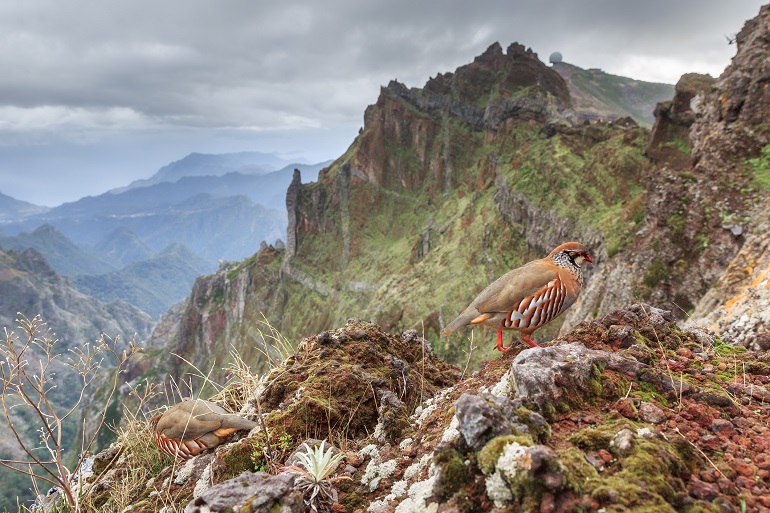
- Birdwatching: Madeira is home to several endemic bird species. The island offers excellent opportunities for bird enthusiasts to spot unique species.
- Canyoning: For the more adventurous, canyoning provides an exhilarating way to explore Madeira's rugged terrain.
- Paragliding: Experience the thrill of flying over Madeira's stunning landscapes with a paragliding tour.
Cultural and Historical Attractions
Madeira Natural Park is not just about nature; it also offers a glimpse into the island's rich cultural heritage:
- Traditional Villages: Visit villages like Santana, known for its traditional thatched-roof houses, and explore local markets for handicrafts.
- Museums: The CR7 Museum in Funchal and the Quinta das Cruzes Museum showcase the island's history and culture.
- Festivals and Events: Participate in local festivals like the Festa do Avante! or the Funchal Flower Festival to experience Madeiran culture firsthand.
- Wine Tasting: Visit a local vineyard to taste Madeira wine, renowned for its quality and unique production process.
Practical Information
Before planning your trip, consider the following practical tips:
- Weather: Madeira's climate is mild, but weather conditions can change quickly. Always pack layers and waterproof gear.
- Transportation: Rent a car to explore the island freely, or use public transport for a more budget-friendly option.
- Accommodation: Choose from a range of accommodations, from budget-friendly guesthouses to luxury hotels.
- Safety: Always follow safety guidelines when hiking or engaging in outdoor activities.
Conclusion
Madeira Natural Park offers a blend of natural beauty, adventure, and cultural richness, making it an ideal destination for travelers seeking a diverse experience. Whether you're a nature lover, an adventure seeker, or simply looking to unwind in a beautiful setting, Madeira has something for everyone.
Accommodation
Madeira Natural Park offers a diverse range of accommodation options that allow visitors to immerse themselves in the island's stunning natural beauty. From rustic retreats to eco-friendly lodges, travellers can find the perfect base for exploring the park's lush forests, dramatic cliffs, and winding levadas.
Rural Cottages
Nestled within the park's verdant landscapes, traditional Madeiran cottages provide an authentic experience for those seeking tranquillity. These charming properties often feature:
- Rustic stone exteriors with modern interiors
- Private gardens with local fruit trees
- Panoramic views of the surrounding mountains or sea
- Cosy fireplaces for cooler evenings
Many rural accommodations are family-run, offering a warm welcome and insider knowledge of the area's hidden gems.
Eco-Lodges and Glamping
For environmentally conscious travellers, the park boasts a growing number of eco-lodges and glamping sites. These sustainable options typically offer:
- Solar-powered electricity and hot water
- Organic gardens supplying fresh produce
- Composting toilets and grey water recycling systems
- Education programmes on local flora and fauna
Glamping accommodations range from luxurious safari-style tents to unique pods, providing a comfortable outdoor experience without compromising on amenities.
Mountain Refuges
Hikers and adventure enthusiasts can take advantage of basic mountain refuges scattered throughout the park. These simple accommodations offer:
- Dormitory-style sleeping arrangements
- Shared kitchen facilities
- Information on nearby trails and natural attractions
- A chance to meet fellow outdoor enthusiasts
While amenities are minimal, the location and views are often unparalleled.
Wellness Retreats
The park's serene environment has attracted several wellness-focused accommodations. These properties often feature:
- Yoga and meditation spaces
- Spa facilities using local ingredients
- Healthy, locally-sourced cuisine
- Guided nature walks and mindfulness sessions
These retreats provide the perfect setting for those looking to rejuvenate amidst nature.
Practical Considerations
When choosing accommodation in Madeira Natural Park, consider:
- Accessibility: Some properties may require a 4x4 vehicle or a short hike to reach
- Seasonal availability: Certain accommodations may close during winter months
- Amenities: Many rural properties may have limited Wi-Fi or mobile reception
- Booking in advance: Popular eco-lodges and unique stays can fill up quickly, especially during peak seasons
Staying within the Madeira Natural Park offers visitors an immersive experience in one of Europe's most biodiverse regions. Whether seeking luxury or simplicity, travellers can find accommodation that not only provides comfort but also enhances their connection to Madeira's extraordinary natural environment.
Gastronomy
The Madeira Natural Park offers visitors a culinary journey that reflects the island's rich cultural heritage and bountiful natural resources. The park's gastronomy is a delightful blend of traditional Portuguese influences and unique Madeiran specialities, showcasing the island's diverse landscapes from coastal waters to mountainous terrain.
Traditional Dishes
Madeira's cuisine is characterised by hearty, flavourful dishes that make excellent use of local ingredients:
- Esperada: This iconic Madeiran dish consists of succulent beef cubes skewered on laurel branches and grilled over hot coals. The use of bay leaves imparts a distinctive aroma to the meat, creating a truly authentic experience.
- Esperada com Banana: A peculiar yet beloved combination, this dish features the local black scabbardfish (espada) served with banana. The delicate white flesh of the fish pairs surprisingly well with the sweetness of the fruit, often complemented by a passion fruit sauce.
- Cozido Madeirense: A hearty stew that showcases the island's agricultural bounty, typically including various meats, sausages, and an assortment of vegetables such as sweet potatoes, yams, and local greens.
Seafood Delights
The waters surrounding Madeira provide an abundance of fresh seafood:
- Lapas: Grilled limpets seasoned with garlic, butter, and a squeeze of lemon are a popular appetiser, best enjoyed with a view of the ocean.
- Tuna: Fresh tuna steaks are a common feature on Madeiran menus, often simply grilled to perfection.
Bread and Side Dishes
No Madeiran meal is complete without some traditional accompaniments:
- Bolo do Caco: This flat, circular bread made with sweet potato is a staple of Madeiran cuisine. It's often served warm and spread with garlic butter.
- Milho Frito: Crispy fried cubes of polenta make for a delicious side dish, particularly when paired with espetada.
Fruits and Desserts
The island's subtropical climate yields an array of exotic fruits:
- Passion Fruit: Used in various desserts, including the popular passion fruit pudding.
- Banana: Locally grown bananas are sweeter and more flavourful than their mainland counterparts.
Beverages
To complement your meal, consider trying some local drinks:
- Madeira Wine: The island's world-famous fortified wine comes in various styles, from dry to sweet.
- Poncha: A traditional alcoholic drink made with aguardente de cana (sugar cane rum), honey, sugar, and lemon juice.
Exploring the gastronomy of Madeira Natural Park offers visitors a chance to taste the essence of the island, from its rugged coastlines to its verdant mountains. Each dish tells a story of Madeira's history, culture, and the ingenuity of its people in creating delicious meals from local ingredients.
Getting There and Around
Madeira Natural Park, encompassing much of the island's interior, offers stunning landscapes and diverse ecosystems. Here's a guide on how to reach and explore this natural wonder:
Public Transport
Buses
Madeira has a well-developed bus network connecting most towns, villages, and key tourist destinations. Three main companies operate buses:
- Horários do Funchal: Serves Funchal and surrounding areas
- Rodoeste: Covers the western part of Madeira
- SAM: Operates in the eastern part of the island
Buses are a cost-effective way to travel, with tickets purchasable directly from the driver or in advance at bus stations and kiosks. For frequent travellers, prepaid passes offer savings on multiple trips. However, be aware that services may be reduced on weekends and holidays.
Eco Cidade Line
Route 05A, known as the Eco Cidade line, serves Funchal's historic core and uses eco-friendly electric minibuses equipped for people with reduced mobility.
Car Hire
Renting a car is popular for exploring Madeira at your own pace, allowing access to more remote areas. Major international and local car rental companies operate on the island. Note that Madeira's roads can be steep and winding, so confident driving skills are recommended.
Taxis
Taxis are readily available, especially in urban areas like Funchal. They can be hailed on the street, found at taxi ranks, or booked by phone. Taxis are metered, but it's advisable to confirm the approximate fare before starting your journey.
Cable Cars
For a unique perspective, try the cable cars in Madeira. Popular routes include Funchal to Monte and the Funchal Botanical Gardens, offering panoramic views of the island.
Walking and Hiking
Madeira is famous for its levadas (irrigation channels) that double as walking trails. Hiking these trails is an excellent way to experience the Natural Park's beauty. Maps and guides are available for trails suitable for all fitness levels.
Accessibility
Public buses are increasingly becoming wheelchair accessible and offer space for pushchairs. Newer buses often have ramps or special provisions for wheelchair access. However, it's best to check in advance for specific accessibility needs.
Tips for Visitors
Here are some tips for visitors:
- Start early for hikes to ensure enough time and avoid missing return buses.
- Consider combining bus travel with hiking for a more immersive experience.
- Be prepared for potential delays due to weather conditions or road works.
- Use the Madeira public transport map available at tourist offices for easier navigation.
- Check bus schedules in advance, as frequency can vary depending on the route and time of year.
By utilising these various transport options, visitors can thoroughly explore the Madeira Natural Park while enjoying its breathtaking landscapes and unique ecosystems.
Best Time to Visit
Madeira Natural Park is a year-round destination, thanks to its mild subtropical climate. However, the best time to visit depends on your preferences and activities. Here's a guide to help you plan your trip:
Spring (March to May)
Spring is ideal for hiking and nature exploration. The weather is pleasant, with temperatures ranging from 18°C to 22°C, and the island's flora is in full bloom. This season offers perfect conditions for exploring the park's famous levadas and enjoying the vibrant flowers that adorn the landscapes.
Summer (June to August)
Summer brings warm and dry weather, making it perfect for beach activities and outdoor adventures. Temperatures rise to between 22°C and 28°C, and the sea is warm enough for swimming and water sports. However, this is the peak tourist season, so expect more crowds.
Autumn (September to November)
Autumn offers a warm climate with fewer tourists. Temperatures range from 20°C to 25°C, making it suitable for hiking and exploring the park's natural beauty without the summer crowds. This season is also ideal for wine enthusiasts, as September hosts the Madeira Wine Festival.
Winter (December to February)
Winter is mild, with temperatures between 15°C and 20°C. While it's the wettest season, the rain showers are typically short-lived and add to the island's lush greenery. This period is great for those seeking a peaceful retreat and lower prices.
Seasonal Highlights
- April and May: Best for hiking and flower viewing.
- June to August: Ideal for beach activities and warm weather.
- September: Enjoy the Madeira Wine Festival.
- October: Excellent for diving and snorkelling.
- November: A peaceful time with fewer crowds and pleasant weather.
Practical Tips
- Pack layers: Madeira's microclimates mean temperatures can vary significantly throughout the day.
- Book early: Popular events and accommodations fill up quickly during peak seasons.
- Rent a car: Ideal for exploring the island at your own pace.
Whether you prefer vibrant festivals, outdoor adventures, or a serene escape, Madeira Natural Park offers something for everyone throughout the year. Plan your visit according to your interests to make the most of your time on this enchanting island.
Conservation and Responsible Tourism
Madeira Natural Park, a UNESCO World Heritage Site, is a treasure trove of biodiversity and natural beauty. The park's conservation efforts and responsible tourism initiatives are crucial for preserving its unique ecosystems for future generations.
Conservation Efforts
Laurel Forest Protection
The Laurissilva forest, a priority habitat under the Habitats Directive, has been a focus of conservation efforts. In recent years, the park has:
- Purchased and protected 325 hectares of high-quality laurel forest
- Established surveillance centres in strategic locations
- Managed herding and tourism to minimise impact on the forest
Marine Conservation
The Madeira archipelago is home to important marine species, including the critically endangered Mediterranean monk seal. Conservation efforts include:
- Creating Europe's largest marine reserve around The Savage Islands
- Implementing a monk seal conservation programme with camera monitoring in caves
- Developing non-invasive monitoring protocols for the seal population
Endemic Species Protection
The park focuses on protecting endemic species such as:
- Madeira Laurel Pigeons: Conducting censuses and monitoring crop damage
- Fea's Petrel: Implementing actions based on species action plans
- Madeiran Brimstone Butterfly: Managing habitats to support its larval hostplant
Responsible Tourism Initiatives
Sustainable Destination Certification
In early 2022, Madeira began the process of becoming a "Sustainable Tourism Destination" with EarthCheck certification. This initiative aims to:
- Improve local tourism offerings
- Preserve the island's exceptional natural resources
- Reduce greenhouse gas emissions from tourism
Eco-friendly Accommodations
Visitors can choose from a growing number of sustainable lodging options, such as:
- Socalco Nature Hotel: Focuses on permaculture, rainwater collection, and solar energy
Low-impact Tours
Responsible tourism activities include:
- Walking trails through the 2,000 km network of hiking paths
- Nature reserve visits
- Cycling tours
- Diving excursions
- Boat trips for cetacean observation
Reforestation Programmes
Some tourism companies contribute to reforestation efforts, allowing tourists to participate in planting activities.
Tips for Responsible Visitors
Here are some tips for visitors to help preserve the park:
- Stay on designated trails when hiking to protect fragile ecosystems
- Choose eco-certified accommodations and tour operators
- Participate in local conservation activities when possible
- Respect wildlife and maintain a safe distance from animals
- Reduce waste and properly dispose of any rubbish
- Support local businesses and products to contribute to the island's economy
Conclusion
By embracing responsible tourism practices, visitors can enjoy the stunning beauty of Madeira Natural Park while contributing to its conservation and sustainable future.
Visitor Centres and Educational Facilities
Madeira Natural Park offers several visitor centres and educational facilities that provide valuable information and interactive experiences for tourists and nature enthusiasts. These centres play a crucial role in educating visitors about the park's unique ecosystems, conservation efforts, and sustainable tourism practices.
Madeira Nature Centre
The Madeira Nature Centre serves as a primary hub for visitor information and education about the park's natural heritage. Located in a strategic position, it offers:
- Interactive exhibits showcasing Madeira's flora and fauna
- Educational programmes on conservation and biodiversity
- Information on hiking trails and guided tours within the park
- Resources for understanding the Laurissilva forest, a UNESCO World Heritage site
Queimadas Forest Park Visitor Centre
Situated in Santana, the Queimadas Forest Park Visitor Centre is an excellent starting point for exploring the Laurissilva forest. It provides:
- Detailed information on local flora and fauna
- Maps and guides for nearby walking trails
- Educational displays on the importance of forest conservation
Pico do Arieiro Information Centre
Located at one of Madeira's highest peaks, this centre offers:
- Panoramic views of the island's central mountain range
- Educational exhibits on Madeira's geological formation
- Information on the park's rare bird species, including the Zino's petrel
Rocha do Navio Nature Reserve Information Centre
This centre, accessible by cable car, focuses on marine conservation and offers:
- Exhibits on local marine life and ecosystems
- Information on the Macaronesian natural cliffs and their unique plant species
- Details about the environmental education programme for visiting the reserve
School Network Initiative
The Madeira Natural Park has developed a "Biosphere Reserve Schools" network, which includes several educational institutions across the island. This initiative aims to:
- Integrate environmental education into the curriculum
- Promote sustainable practices among students and the wider community
- Organise field trips and hands-on learning experiences within the park
Visitors interested in learning more about Madeira's natural heritage are encouraged to visit these centres and participate in their educational programmes. They offer valuable insights into the park's conservation efforts and help promote responsible tourism practices.