


| Contents |
|---|

Introduction
The Algarve, Portugal's southernmost region, boasts one of Europe's most enviable climates with over 300 days of sunshine annually and 3000 hours of sun per year. This Mediterranean climate features warm summers and mild winters, with maximum temperatures ranging from 15°C in winter to 29°C in summer. The region is renowned for its stunning coastline, characterised by golden cliffs, hidden sea caves and crystal-clear waters, which has earned it recognition as one of the world's best beach destinations and Europe's Leading Beach Destination nine times between 2012 and 2022. Notable beaches include Praia da Marinha, Benagil Cave, and Praia da Falésia. Beyond its beaches, the Algarve offers diverse attractions including excellent surfing on the west coast, thriving wine production from sun-drenched vineyards, and a network of golf courses. The region is divided into three geographical areas: Serra (the mountainous north), Barrocal (the agricultural middle), and Litoral (the tourist-friendly southern coast).

Activities and Attractions
The Algarve, Portugal's stunning southern coastline, offers a wealth of activities and attractions for visitors seeking both adventure and relaxation. From dramatic cliff walks to hidden beaches and historic sites, this region provides diverse experiences against a backdrop of breathtaking natural beauty.
Spectacular Hiking Trails
The Algarve offers a diverse range of hiking experiences, from coastal paths with breathtaking ocean views to inland routes through picturesque countryside. Here's an expanded look at some of the most notable trails:
Coastal Paths
Seven Hanging Valleys Trail
This trail is widely regarded as one of Europe's most spectacular coastal walks. Stretching between Praia da Marinha and Praia do Vale de Centeanes, it offers:
- Distance: 5.7 km one-way (11.4 km round trip)
- Difficulty: Easy to moderate
- Duration: 2-3 hours one-way, 4-6 hours round trip
- Highlights: Breathtaking views of the Atlantic Ocean, jagged limestone cliffs, sandy beaches, impressive rock formations, arches, and sinkholes
The trail passes close to the famous Benagil Cave, though access is only possible by sea. The cliff colours range from deep orange to vibrant yellow and white, creating a stunning backdrop. For those wanting a shorter hike, the eastern section between Praia da Marinha and Praia do Carvalho is particularly scenic.
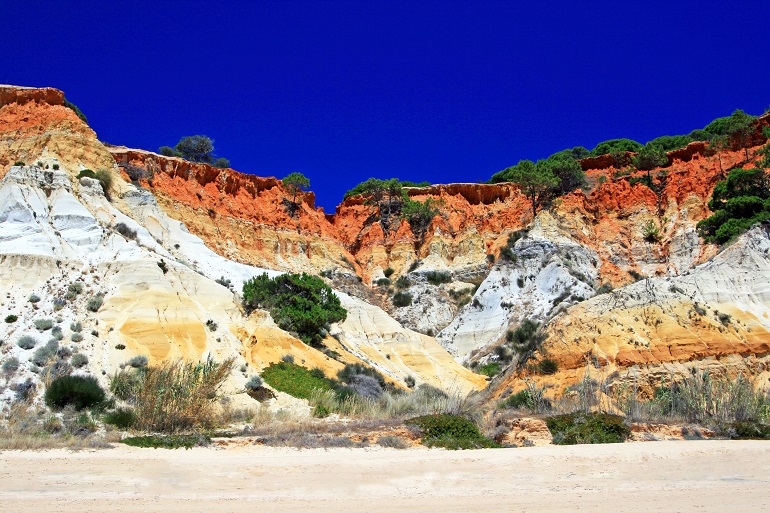
Praia da Falesia
This trail offers:
- Highlights: Beautiful beach and cliff hike, imposing colourful cliffs, Mediterranean flora
- Best time: Spring, when flora is particularly vibrant
- Difficulty: Relatively accessible for most fitness levels
Trail of the Headlands (Caminho dos Promontórios)
This newer trail, inaugurated in 2018, offers:
- Distance: 6.3 km
- Highlights: Magnificent coastal route, historic monuments including Torre da Lapa (a 17th-century watchtower), fragments of Presa da Moura (a Roman reservoir), and numerous viewpoints overlooking craggy rock formations
Pontal da Carrapateira
Part of the renowned Rota Vicentina network, this trail features:
- Length: Up to 19 km (circular route)
- Duration: Up to 7 hours
- Highlights: Rugged headland scenery, stunning coastal views, Praia da Bordeira beach with its massive golden dunes
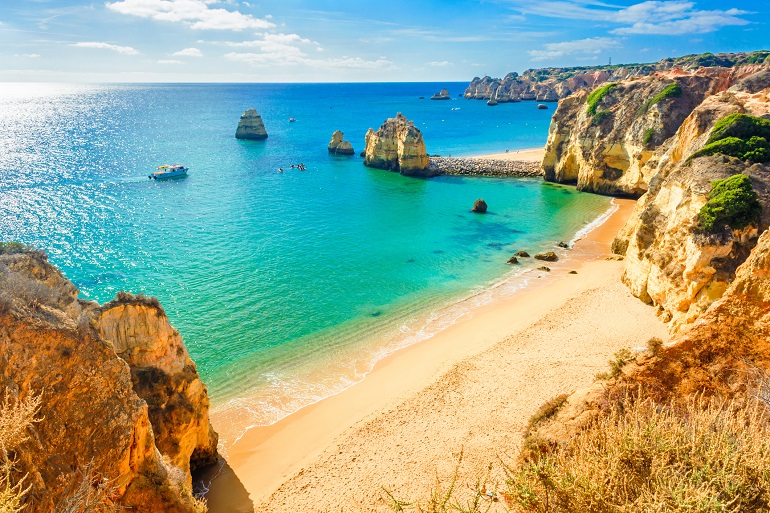
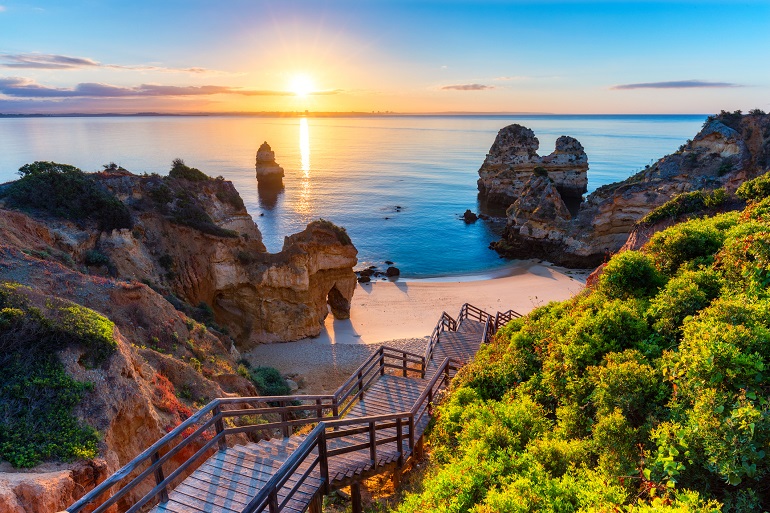
Ponta da Piedade
Located near Lagos, this trail showcases:
- Highlights: Fantastic rock formations, sea stacks, and arches sculpted by wind and waves
- Features: Stairs leading down to a picturesque cove, options for boat or kayak tours for closer views of arches and grottoes
Inland Adventures
Via Algarviana
This extensive trail provides a completely different hiking experience:
- Total length: 300 km
- Route: From Cape St. Vincent to Alcoutim near the Spanish border
- Highlights: Traditional villages, pastures, peaceful forests, olive and almond orchards, aromatic plants (eucalyptus, lavender, rosemary)
- Best time: Spring for blooming wildflowers
Monchique Mountains
As part of the Via Algarviana, the Monchique area offers excellent hiking:
- Starting point: Fóia viewpoint (highest point in Algarve at 902 metres)
- Route: Heading east towards Monchique town
- Highlights: Eucalyptus groves, cork oak forests, panoramic views, abandoned Nossa Senhora do Desterro Convent
Rocha da Pena Trail
Located in the central Algarve, this trail features:
- Area: Special Protection Area
- Highlights: Traditional countryside, karstic geology, endemic plants, panoramic views, seasonal orchids
Barranco do Demo Trail
This trail in Monchique offers:
- Highlights: Rugged scenery, deep gorge, wooden walkways, suspension bridge, panoramic views, diverse birdlife and plant species
Parra Trail
Located in Silves, this trail showcases:
- Highlights: 'Serra' landscapes, Odelouca reservoir, birds of prey (including Bonelli's Eagle), large mammals like Red Deer, protected habitats for Iberian Lynx reintroduction, ferrous springs, Serra do Caldeirão ecosystems
These trails offer hikers a chance to experience the Algarve's diverse landscapes, from dramatic coastlines to serene countryside, each with its unique charm and natural beauty. Whether you're seeking challenging hikes or leisurely walks, the Algarve has something to offer for all levels of hiking enthusiasts.
Water Activities
The Algarve's coastline offers excellent opportunities for water sports enthusiasts. The west coast (part of Costa Vicentina) boasts some of the region's best surf breaks. Winter brings the most challenging waves for experienced surfers, while gentler breaks accommodate beginners year-round. Numerous surf schools like Amado Surf School provide lessons, equipment, and accommodation.
Kayaking provides a unique perspective of the Algarve's dramatic coastline. Many operators offer guided tours around the caves and grottoes that punctuate the shoreline, particularly around Benagil Cave, one of the region's most famous natural attractions.
Island Excursions
Ilha Deserta (also known as Ilha da Barretta) offers an escape from the mainland bustle. Despite its name meaning "deserted island," it attracts sunseekers looking for a relaxing day away from civilisation. The uninhabited island features a 7 km stretch of sandy beach off the coast of Faro, with plenty of space to find solitude. The island's only restaurant, Estaminé, serves fresh seafood catches.
Historical Attractions
The Paderne Castle Trail takes visitors to the ruins of a 12th-century Moorish castle constructed from 'military taipa' (rammed earth). The walk includes beautiful rural landscapes and riparian galleries with Mediterranean limestone flora.
Getting There and Around
Getting to the Algarve Coast is straightforward with multiple transport options available. Most international visitors fly into Faro Airport, which serves as the main gateway to the region. From there, you can hire a car—a popular choice that offers flexibility to explore the 200km of stunning coastline at your leisure. If you prefer not to drive, public transport is an affordable alternative. The region has an integrated bus system with three companies operating services: Próximo, Eva, and Frota Azul Algarve. There's also a convenient railway line connecting Lagos in the west with Vila Real de Santo António in the east, stopping at major towns including Portimão, Albufeira, Loulé, Faro, Olhão, and Tavira. For shorter journeys within the Algarve, taxis and rideshares are readily available in larger towns and resort areas. Some coastal areas can even be accessed by boat, with services like the river boat ferry from Portimão to Silves or the "taxi ferry" connecting Ferragudo and Portimão. Whichever method you choose, the journey through this beautiful Portuguese region will be the perfect start to your holiday.
Best Time to Visit
Spring: April to May
The period around the May holidays (April and May) is considered one of the best times to visit the Algarve. During these months, you'll enjoy:
- Pleasant temperatures between 20-25°C
- Nature in full bloom with colourful flowers and lush greenery
- Fewer crowds compared to summer months
- Lower prices for accommodation and flights (especially if you avoid the actual May holiday period)
This spring period offers a delightful balance of nice weather and less crowded attractions, making it ideal for those who want to explore the region comfortably.
Autumn: September to October
The second excellent time to visit the Algarve is during September and October, around the autumn holidays. This period offers:
- Warm temperatures between 23-28°C
- Sea temperatures that remain warm from the summer
- Less crowded beaches and attractions, particularly in October
- Better value for accommodation and flights outside of school holidays
October specifically stands out as a fantastic month to visit, with daytime temperatures still reaching 23-26°C and brilliantly sunny days. The sea temperature averages around 20°C, just slightly cooler than the peak summer months, making it still very comfortable for swimming.
Summer: June to September
If you prioritise hot weather and don't mind crowds, the summer months from June to September offer:
- Maximum sunshine with temperatures between 25-30°C
- Minimal rainfall and clear skies
- Warm sea temperatures ideal for swimming
- The widest range of available activities and services
This is the peak tourist season, so expect more visitors and higher prices, particularly in July and August.
What to Experience Year-Round
Regardless of when you visit, the Algarve offers numerous attractions:
- Stunning beaches like Praia da Marinha, Carvalho, and Cacela Velha
- Natural wonders including the famous Benagil Cave and Ponta da Piedade
- Charming villages such as Monchique, Salir, and Alte
- Historical sites in Silves and Faro
- Boat tours of the coastline and Ria Formosa Natural Park
For the optimal balance of good weather, warm seas, and fewer crowds, the spring (April-May) and autumn (September-October) shoulder seasons offer the best overall experience for most travellers.