


 Denmark Guide
 Finland Guide
 Iceland Guide
 Sweden Guide
| Contents |
|---|
Introduction
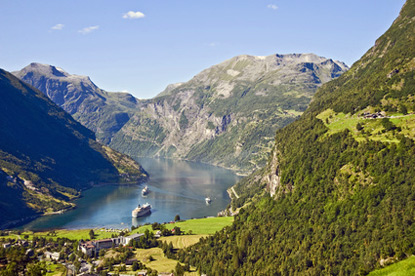
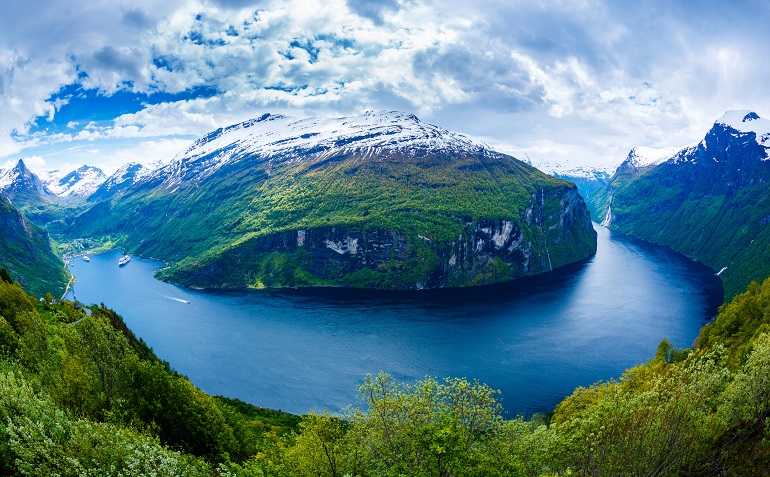
The Geirangerfjord is a 15-kilometre-long fjord located in the Sunnmøre region of Møre og Romsdal county in western Norway. Entirely situated within Stranda Municipality, it branches off the Sunnylvsfjorden, which itself is a branch of the larger Storfjorden. Since 2005, the Geirangerfjord and its surrounding area have been listed as a UNESCO World Heritage Site, recognised for their exceptional natural landscape featuring steep crystalline cliffs, numerous waterfalls, and unique wildlife both above and below water. The fjord reaches depths of approximately 260 metres, whilst the surrounding mountains rise to heights of 1,600-1,700 metres above sea level. The small village of Geiranger sits at the head of the fjord where the Geirangerelva river empties into it. Notable features include the famous Seven Sisters waterfall and abandoned historic farms perched on the steep mountainsides, such as Skageflå, which can be visited by boat and hiking trails. The fjord experiences distinct seasonal changes throughout the year, from flowering fruit trees in spring to snow-covered peaks in winter.
Activities and Attractions
Fjord Experiences
The fjord itself is the centrepiece of any visit to Geiranger. A boat trip on the Geirangerfjord is essential to fully appreciate its magnificence. The ferry journey from Hellesylt to Geiranger takes approximately 65 minutes and offers close-up views of stunning natural features. During this cruise, you'll see the famous waterfalls including The Seven Sisters and The Suitor.
For a more intimate experience, kayaking on the tranquil waters of the fjord allows you to explore hidden coves while enjoying the serenity of this natural wonder. Guided tours are available for all skill levels.
Viewpoints
Several spectacular viewpoints offer panoramic vistas of the fjord:
Geiranger Skywalk—Dalsnibba: Located at an elevation of 1,500 metres, this viewpoint provides adrenaline-inducing views of the Geirangerfjord and surrounding peaks.
Flydalsjuvet: A specially designed viewpoint along the Norwegian Scenic Route Geiranger-Trollstigen that offers classic postcard views of the fjord.
Ørnesvingen: Another viewpoint along the scenic route with stunning perspectives of the landscape.
Hiking Trails in Geiranger
Geiranger offers numerous hiking trails suitable for various fitness levels, each providing unique perspectives of the fjord and surrounding mountains.
Skageflå Mountain Farm
One of the most popular treks in the area is to Skageflå Mountain Farm, perched dramatically on a mountain ledge 250 metres above the fjord. This remote farm offers spectacular views of the Geirangerfjord and the Seven Sisters waterfall.
The hike can be approached in two ways:
- Geiranger to Skagehola: Starting from Geiranger village, this route offers a gentler ascent before descending to the Skagehola boat pick-up point.
- Skagehola to Geiranger: This option begins with a boat transfer to Skagehola, followed by the hike to Skageflå, and finishing in Geiranger.
At the farm, you'll find basic facilities including an outhouse, a water tap, and a picnic area with benches and a firepit.
Westerås Farm Trails
Westerås Farm serves as an excellent starting point for several hiking trails. Located above Geiranger village, the farm is accessible via a trail that starts behind Hotel Union Geiranger. Along the path, you'll see ruins of old haylofts and walls, and upon arrival at the farm, you might encounter sheep, goats, and llamas.
From Westerås Farm, several trails branch out:
Vesteråsfjellet Viewpoint: A short hike from the farm leads to this viewpoint offering spectacular views of the Geirangerfjord and village. The trail follows a well-prepared tractor road for about 600-700 metres before turning left toward the viewpoint, which is secured by a fence.
Løsta: Continuing past Vesteråsfjellet, this higher viewpoint provides even more impressive vistas. The round trip takes approximately 60 minutes each way from Westerås Farm.
Storseterfossen Waterfall: This unique trail leads to a waterfall that you can walk behind. There are two routes to the waterfall from Westerås Farm:
- A steeper trail made of stones beautifully placed by Sherpas from Nepal
- A slightly longer but gentler path
As you approach the waterfall, you'll both see and hear it from the trail. After passing the waterfall, the path turns right and descends to a grassy area with signs leading to the secured trail that goes behind the waterfall. The hike takes approximately 45-60 minutes each way from Westerås Farm.
Fosseråsa National Hiking Trail
This trail connects the centre of Geiranger to Storseterfossen Waterfall via the Norwegian Fjord Centre and Westerås Farm. The section from the village to the Norwegian Fjord Centre is known as the Village Waterfall Trail and consists of 327 steps with several viewing platforms where you can get close to the mighty Storfossen waterfall.
Village Exploration
Geiranger village, despite its small size (fewer than 300 inhabitants), is worth exploring. Take time to stroll around the small town centre with its old boathouses and wooden houses. Visit the Norwegian Fjord Centre to learn more about the World Heritage landscape through interactive exhibitions.
Scenic Drives
The Norwegian Scenic Route Geiranger-Trollstigen passes through Geiranger and offers some of Norway's most spectacular driving experiences. The road features hairpin bends and specially designed viewpoints that provide excellent photo opportunities.
For those seeking an even more thrilling drive, the toll road to Dalsnibba offers views back towards the village and the fjord from its summit.

Getting There and Around
To reach the stunning Geirangerfjord, a UNESCO World Heritage site in western Norway, travellers have several options. Most visitors arrive via the scenic Norwegian roads, with the Eagle Road from Eidsdal offering breathtaking views along hairpin bends. During summer months (typically May to September), ferry services operate between Geiranger and Hellesylt, providing a magnificent introduction to the fjord's dramatic landscape and famous waterfalls. Adventurous souls might prefer arriving by kayak, allowing for an intimate experience of the powerful mountains and waterfalls. The nearest airports are in Ålesund and Molde, from where you can continue by bus or rental car. Once in Geiranger village, expect to pay for activities and accommodations in Norwegian Kroner (NOK), with current exchange rates at approximately NOK 11.53 to the Euro. The village itself is compact and walkable, making it an ideal base for exploring this magnificent natural wonder.
Best Time to Visit
Early Summer (May and June)
- Weather: These months are ideal for witnessing the fjord's waterfalls at their fullest due to the post-winter thaw. The weather is generally mild, with temperatures rising, and the roads are clear of snow and ice, making travel easier.
- Crowds: Fewer tourists compared to the peak summer months, allowing for a more serene experience.
- Activities: Perfect for hiking and exploring the natural beauty without the crowds. The scenery is particularly stunning with snow-capped mountains and lush greenery.
Mid to Late Summer (July and August)
- Weather: This period offers the warmest and brightest weather, with long days providing ample time for sightseeing and photography.
- Crowds: Peak tourist season, with more people and activities available. Ideal if you prefer a lively atmosphere and don't mind the crowds.
- Activities: Enjoy boat trips, hiking, and exploring the quaint village of Geiranger. The car ferry from Hellesylt to Geiranger is a popular option during this time.
September
- Weather: The weather starts to cool down, but the autumn foliage can add a beautiful dimension to the landscape.
- Crowds: Fewer tourists, making it a good time for those seeking a quieter experience. However, some attractions might start closing down towards the end of the month.
- Activities: Still suitable for hiking and exploring, with the added bonus of seeing the changing leaves.
Other Seasons
- Winter (December to February): Very cold with limited daylight and some attractions closed. Not ideal for most tourists unless you're interested in winter sports or a serene, snowy landscape.
- Spring (March to April): Cold and wet, with some roads potentially still covered in snow. Not recommended unless you're prepared for challenging weather conditions.
In summary, May and June are excellent for natural beauty and fewer crowds, while July and August offer the best weather but with more tourists. September provides a quieter experience with autumn colours, though some attractions may close. Choose your visit based on your preferences for weather, crowds, and activities.