


 Denmark Guide
 Finland Guide
 Iceland Guide
 Norway Guide
| Contents |
|---|
Introduction
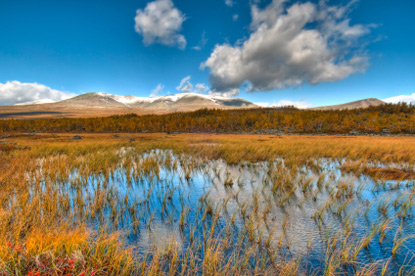
Sarek National Park, established in 1909, is one of Europe's oldest national parks located in Jokkmokk Municipality, Lapland in northern Sweden. This remote wilderness covers an area of 1,970 km² (760 square miles) and is roughly circular in shape with an average diameter of about 50 km. The park is known for its impressive alpine landscape featuring six of Sweden's thirteen peaks over 2,000 metres, including Sarektjåkkå (2,089 metres), the second-highest mountain in Sweden. Sarek boasts approximately 100 glaciers, 200 mountains over 1,800 metres, and is characterised by deep valleys, wide plateaux and diverse wildlife including bears, wolves, wolverines and lynxes. The park is part of a larger protected area, adjoining Stora Sjöfallet National Park to the north and Padjelanta National Park to the west. It is one of Sweden's most inaccessible national parks with no roads leading to it, requiring visitors to hike or ski in on their own.
Geography and Landscape
Topography
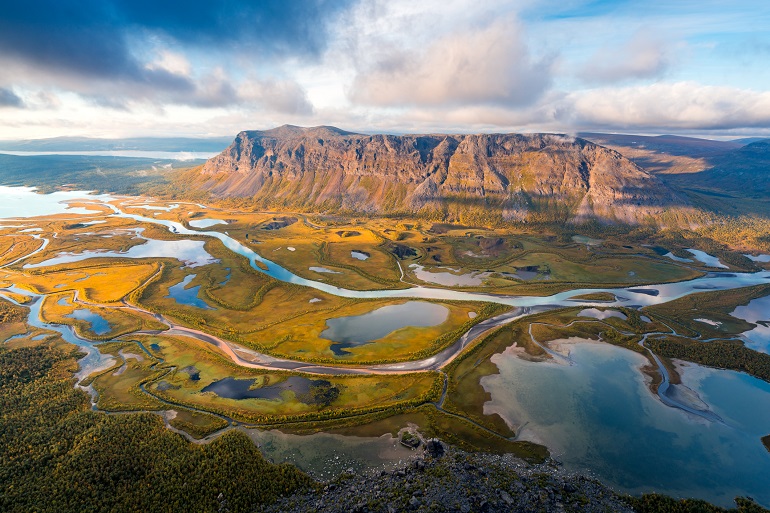
Sarek is renowned for its rugged, mountainous terrain, making it the most alpine region in Sweden. The park boasts an impressive array of peaks, with 19 summits exceeding 1,900 metres in height. The crowning glory of Sarek is Sarektjåkkå, which stands at a majestic 2,089 metres, making it the second-highest mountain in Sweden.
The park's topography is characterised by three distinct landscape types:
- Deep, expansive valleys
- Massive mountain ranges
- High plateaux
Valleys and Rivers
The most notable valley in Sarek is the Rapa Valley (Rapadalen), which stretches over 40 kilometres into the park. This expansive valley system includes several significant branches:
- Sarvesvagge: Extends towards Padjelanta National Park
- Kuopervagge: Spans nearly 20 kilometres
- Ruotesvagge: Surrounded by numerous glaciers, including those of Mount Sarektjåkkå
Other remarkable valleys include Kukkesvagge, forming the north-eastern border of the park, and Njåtsosvagge near the southern boundary.
Plateaux
Sarek features impressive high plateaux, including:
- Ivarlako: Located east of the Pårte massif, with elevations ranging from 660 to 850 metres
- Luottolako: Situated west of Pårte, covering 45 square kilometres at altitudes between 1,200 and 1,400 metres
Glaciers and Water Features
The park is home to approximately 100 glaciers, contributing to its dramatic scenery and serving as the source for numerous wild rivers and streams. These waterways carve through the landscape, creating a network of valleys and contributing to the park's diverse ecosystem.
Geological Significance
Sarek National Park lies within the Scandinavian Mountains, formed during the Caledonian orogeny. The park's geology is characterised by ancient rock formations, including nappes of Caledonian rock thrust over older Precambrian bedrock. This complex geological history has resulted in the park's distinctive landscape, with erosion-resistant diabase and diorite dikes contributing to the sharply defined topography.
Navigation and Accessibility
It's worth noting that Sarek National Park offers a true wilderness experience, with no marked trails and minimal facilities. The terrain is challenging and often boggy, requiring advanced navigation skills and proper preparation for those venturing into its vast expanses.
Flora and Fauna
Sarek National Park is a pristine wilderness renowned for its rugged landscapes and unique biodiversity. Despite its harsh environment, the park supports an impressive array of flora and fauna, making it a fascinating destination for nature enthusiasts.
Flora
The vegetation in Sarek follows distinct altitudinal zones due to the park's varying climate and elevation:
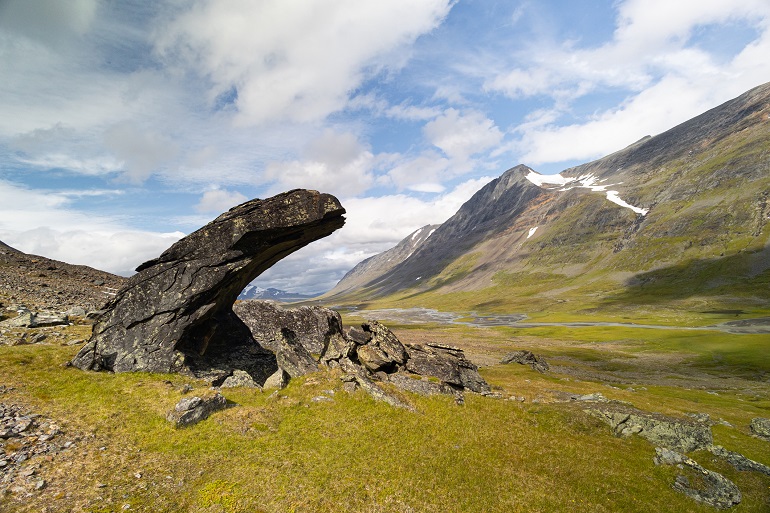
- Montane Zone: Found at lower altitudes, this zone features old-growth coniferous forests dominated by Scots pine and Norway spruce. The forest floors are rich with mosses, lichens (notably reindeer lichen), and plants like bilberry (Vaccinium myrtillus), crowberry (Empetrum nigrum), and cowberry. These forests are particularly lush around Lake Rittak in the park's southern areas.
- Subalpine Zone: This zone transitions into dense birch forests, which are rich in biodiversity. Other tree species such as rowan, grey alder, and trembling poplar thrive here. The undergrowth includes large plants like garden angelica and alpine blue-sow-thistle, which can grow up to 3 metres tall. This zone is also vital for sediment transfer into watercourses like the Rapa Valley.
- Alpine Zone: At higher altitudes, vegetation becomes sparse. Heathlands dominate, featuring dwarf shrubs like crowberries and lichens. In areas with chalky soils, vibrant alpine flowers such as mountain avens (Dryas octopetala), purple saxifrage, and alpine gentian (Gentiana nivalis) flourish. Above 1,500 metres, only a handful of hardy plant species survive.
Sarek is also home to rare orchids, including the Lady’s Slipper Orchid (Cypripedium calceolus), adding to its botanical allure.
Fauna
The park's fauna is equally remarkable, though limited by its extreme conditions:
- Mammals: Sarek supports 24 mammal species. Large herbivores like moose thrive in the park's forests and wetlands, often growing to impressive sizes. Reindeer, managed by the indigenous Sami communities for herding, migrate between zones seasonally. Predators include brown bears, Eurasian lynx (endangered in Sweden), wolverines (critically endangered), red foxes, and the elusive Arctic fox.
- Birds: With 142 bird species recorded, Sarek is a haven for birdwatchers. Raptors such as golden eagles, gyrfalcons, and rough-legged buzzards patrol the skies. Woodland birds like Ural owls, Eurasian three-toed woodpeckers, and songbirds including bluethroats and willow warblers are common in the forests.
- Reptiles and Amphibians: The park hosts two reptile species (e.g., viviparous lizard) and two amphibians (e.g., common frog). These are mostly confined to lower elevations where conditions are less severe.
Seasonal Highlights
In summer, wild berries like bilberries and cloudberries abound along hiking trails. The alpine flowers bloom vividly during late June to early July. Winter transforms Sarek into a snow-covered wilderness where wildlife sightings become more challenging but equally rewarding.
Conservation Importance
Many of Sarek's species are on Sweden's red list of endangered species due to habitat loss elsewhere. The park remains one of the last refuges for critically endangered animals like the Arctic fox and wolverine.
Sarek National Park offers an unparalleled opportunity to experience Europe's last true wilderness. Its diverse ecosystems provide a sanctuary for rare plants and animals while offering visitors a glimpse into Sweden's untamed natural beauty.

Activities and Attractions
Hiking Trails
Sarek's lack of marked trails is both its greatest challenge and its most alluring feature. This wilderness demands respect, skill, and preparation from those who venture into its depths. Here's an expanded look at some of the park's most notable hiking routes:
Sarek-Padjelanta Loop Trail
This epic 220-kilometre journey is the ultimate test of endurance and wilderness skills. Typically taking 14-18 days to complete, the trail offers:
- Diverse landscapes ranging from rocky alpine terrain to lush valleys
- Opportunities to witness the midnight sun in summer months
- Challenging river crossings, particularly in Rapadalen
- Potential sightings of reindeer herds in Padjelanta
Hikers should be prepared for rapid weather changes and bring appropriate gear for all conditions.
Kvikkjokk och Sarek Circular Trail
This 112-kilometre trail is a condensed version of Sarek's rugged beauty. Key features include:
- Spectacular views of the Pårte Massif
- Traversing through the beautiful Rapadalen valley
- Opportunities for side trips to glaciers
- Challenging terrain with steep ascents and descents
This trail is ideal for those with limited time but still seeking a comprehensive Sarek experience.
Ritsem to Aktse Route
This seven-day trek offers a blend of established trails and wilderness hiking:
- Starts on the well-maintained Kungsleden trail
- Crosses into Sarek's untamed landscape
- Includes a memorable boat ride across Lake Laitaure
- Offers a chance to climb Skierfe for panoramic views
The route provides a gradual introduction to Sarek's challenges, making it suitable for first-time visitors to the park.
Skierfe Summit
This shorter trek is perfect for those seeking a taste of Sarek without committing to a longer expedition:
- Three-day round trip from Aktse
- Steep climb through birch forests and over rocky terrain
- Unparalleled views of the Rapa River Delta from the summit
- Opportunity to witness the unique 'arete' formation of Skierfe's cliff face
The hike to Skierfe is often combined with longer treks but can be done as a standalone adventure.
Sarek Crossing
This ambitious 120-kilometre traverse of the park is for experienced hikers only:
- Crosses multiple river systems and mountain passes
- Offers views of Sarek's highest peaks, including Sarektjåkkå
- Passes through varied ecosystems from alpine tundra to boreal forests
- Requires advanced navigation skills and self-sufficiency
This crossing provides a comprehensive experience of Sarek's diverse landscapes and challenges.
Ruohtesvágge Valley
This classic Sarek route offers:
- A journey through one of the park's most picturesque U-shaped valleys
- Views of surrounding peaks like Ålkatj and Låddebákte
- Opportunities for side trips to nearby glaciers
- Relatively easier terrain compared to other Sarek routes, though still challenging
The valley is often used as part of longer treks but can be explored as a standalone destination.
Mountaineering and Rock Climbing
While hiking is the primary activity, Sarek also offers opportunities for more technical adventures:
- Sarektjåkkå Massif: The highest mountain in the park at 2,089 metres offers challenging climbs for experienced mountaineers.
- Áhkká: This multi-peaked mountain, often called the "Queen of Lapland," provides various routes for climbers of different skill levels.
- Bouldering: Many areas in the park offer excellent bouldering opportunities, particularly in the rocky terrain near glacial moraines.
Glacier Exploration
Sarek is home to over 100 glaciers, offering unique experiences for those with proper equipment and expertise:
- Mikkaglaciären: One of the more accessible glaciers, offering stunning ice formations.
- Suottasjglaciären: A larger glacier system that provides a glimpse into the park's ice-sculpted landscape.
Guided tours are recommended for glacier exploration due to the inherent dangers of crevasses and unstable ice.
Photography
Sarek is a photographer's paradise, offering endless opportunities to capture the raw beauty of the Arctic wilderness:
- Midnight Sun: From June to July, the park experiences 24-hour daylight, creating unique lighting conditions for photography.
- Northern Lights: In the darker months, Sarek's clear skies offer excellent chances to photograph the Aurora Borealis.
- Landscape Photography: The park's diverse terrain, from sharp peaks to winding rivers, provides a wealth of compositional opportunities.
Backcountry Camping
Camping in Sarek is an integral part of most visits to the park:
- Wild Camping: Permitted throughout the park, allowing for true wilderness experiences.
- Leave No Trace: Visitors are expected to adhere strictly to leave no trace principles to preserve the park's pristine nature.
- Popular Spots: Areas like Skárja and the shores of Alep Vassjájågåsj offer flat ground and water access, making them favoured camping locations.
- Weather Considerations: Campers should be prepared for rapid weather changes and potential storms, even in summer.
River Crossings
River crossings are a defining feature of hiking in Sarek:
- Techniques: Hikers should be familiar with various crossing techniques, including group crossings for larger rivers.
- Equipment: Proper footwear and trekking poles are essential for safe crossings.
- Seasonal Variations: River levels can change dramatically based on rainfall and glacial melt, requiring flexibility in route planning.
Navigation Skills
The lack of marked trails in Sarek makes navigation a crucial skill:
- Map and Compass: Essential tools for all hikers in the park.
- GPS: While useful, should not be relied upon exclusively due to battery limitations and potential inaccuracies in steep terrain.
- Natural Navigation: Understanding how to use natural features for orientation can be invaluable in Sarek's open landscapes.
Scenic Highlights
Beyond those mentioned earlier, Sarek offers numerous breathtaking vistas:
- Bielloriehppe: A dramatic peak offering views over multiple valleys.
- Nåite Plateau: A high alpine area with stunning views of surrounding peaks and glaciers.
- Laitaure Delta: Where the Rapa River meets Lake Laitaure, creating a mesmerising pattern of waterways and sandbars.
Accommodation
Sarek National Park offers a unique experience for visitors seeking to immerse themselves in nature. However, it's crucial to understand that accommodation options within the park are extremely limited and basic.
Camping
The primary form of accommodation in Sarek is camping. Visitors are permitted to pitch tents for short stays, typically a day or so in the same location. It's important to note that campers must be entirely self-sufficient, carrying all necessary equipment, including tents, sleeping bags, and cooking gear.
Mountain Cabins
Unlike many other national parks, Sarek does not have a network of mountain cabins or huts for public use. The few cabins that exist within the park boundaries are reserved for reindeer husbandry or park administration purposes and are not available for tourist accommodation.
Nearby Options
For those seeking more comfortable lodging, it's advisable to look for accommodation options in the surrounding areas outside the park. Villages and rural areas near Sarek may offer a range of choices, from cottages to guesthouses, which can serve as a base for day trips into the park.
Important Considerations
- Self-sufficiency: Visitors must be prepared to carry all supplies, including food, water, and waste disposal equipment.
- Weather: The park's weather can be unpredictable, so robust, all-weather camping gear is essential.
- Regulations: Familiarise yourself with park regulations regarding camping and fire-making to ensure compliance and minimal environmental impact.
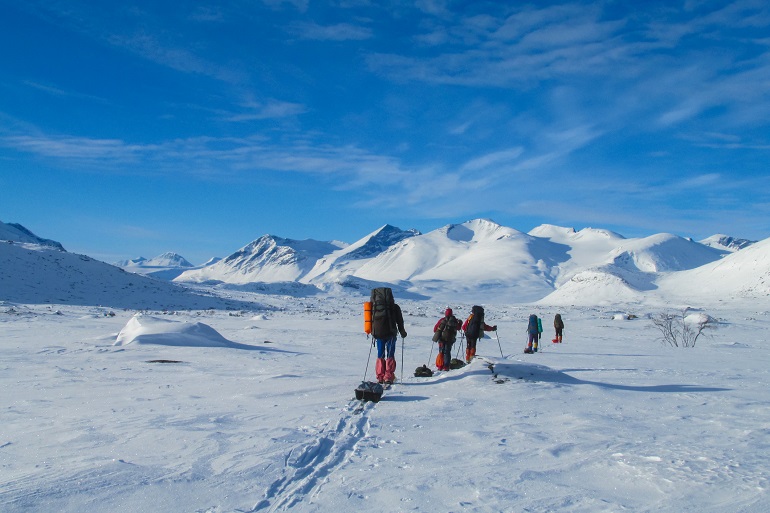
- Seasonal access: The best time for hiking and camping in Sarek is typically from July to September, while March to April is suitable for winter activities.
Sarek National Park offers a true wilderness experience, and the lack of developed accommodation within its borders is part of its allure. Visitors should be well-prepared and experienced in backcountry camping to fully appreciate and safely enjoy this remarkable natural environment.
Gastronomy
Visitors to this remote Swedish wilderness should be prepared for a self-sufficient culinary adventure, as there are no restaurants or shops within the park boundaries.
Wilderness Dining
For those embarking on multi-day treks through Sarek, careful meal planning is essential. Lightweight, high-energy foods are the cornerstone of wilderness dining here. Many hikers opt for a combination of dehydrated meals, energy bars, and nutrient-dense snacks. Popular choices include:
- Freeze-dried expedition meals
- Granola and quick-cooking porridge for breakfasts
- Dried fruits and nuts for trail snacks
- Beef jerky or other preserved meats
- Energy bars and chocolate for quick boosts
Traditional Sámi Influences
The indigenous Sámi people have lived in this region for thousands of years, and their culinary traditions offer insight into local flavours. While not readily available within the park, some local delicacies you might encounter in nearby communities include:
- Reindeer meat, often dried or smoked
- Moose, prepared in various ways
- Jokkmokk sausage, a regional speciality
- Cloudberries and lingonberries, foraged from the tundra
- Sámi bread, a hearty flatbread
Foraging
While foraging should not be relied upon as a primary food source, Sarek does offer some edible plants for the knowledgeable visitor:
- Blueberries and cloudberries (when in season)
- Edible lichens (though these provide minimal nutrition)
It's crucial to note that foraging should be done responsibly and only by those with proper knowledge, as the park's ecosystem is delicate.
Cooking Methods
Most hikers in Sarek use lightweight camping stoves for cooking. Simple, one-pot meals are common, with boiling water being the primary cooking method. Some adventurers get creative with backcountry baking techniques for treats like bannock or trail pizzas.
Beverage Considerations
The pristine streams of Sarek provide excellent drinking water, though it's always wise to purify it first. For warm beverages, many trekkers bring:
- Instant coffee or tea bags
- Hot chocolate mix
- Powdered soup for a warming snack
While the culinary options in Sarek National Park may seem limited compared to traditional travel destinations, the experience of dining amidst some of Europe's most spectacular wilderness more than makes up for it. The key to gastronomic success in Sarek lies in thorough preparation, lightweight innovation, and an appreciation for the simple flavours of the Swedish Lapland.
Getting There and Around
Getting There
By Air
The closest major airports to Sarek National Park are:
- Kiruna Airport (about 250km away)
- Luleå Airport (approximately 250km away)
- Gällivare Airport (closest option)
From Stockholm, you can fly to these airports with airlines such as Nextjet.
By Train
The train from Stockholm to Narvik stops at both Gällivare and Kiruna, making these cities convenient starting points for your journey.
From the Airport/Train Station
Once you've arrived at one of these cities, you have several options to reach the park:
- Bus: Take bus 93 from Gällivare to Ritsem, one of the entry points to Sarek.
- Car Rental: Renting a car from the airport or train station is recommended for more flexibility. You can drive to one of the park's entry points and leave your vehicle there.
- Combination of Transport: You may need to use a combination of buses and boats to reach your chosen entry point. For example, from Kebnats, you can take a ferry across the lake to Saltoluokta STF Mountain hut.
Entry Points
There are several entry points to Sarek National Park:
- Ritsem: Take a boat across Akkajaure lake and then hike for about 2 km to reach Akka cabin.
- Kvikkjokk: A popular starting point, especially if you plan to follow the Kungsleden trail northward.
- Saltoluokta: From here, you can reach the heart of Sarek after a day's hike.
- Kebnats: Take a ferry to Saltoluokta, then hike for about two days to reach Sarek.

Best Time to Visit
The best time to visit Sarek National Park depends on your preferred activities and the experience you seek. For summer hiking and backpacking, the optimal period is from late June to early September. During this time, temperatures are relatively mild, ranging from 10°C to 20°C, making it ideal for outdoor pursuits.
July and August typically offer the warmest conditions, with daytime temperatures around 15°C to 20°C, though nights can be cooler, dropping to 5°C or lower. These months are perfect for experiencing the park's dramatic landscapes, including glaciers, deep valleys, and towering peaks.
For those interested in winter activities like skiing and snowshoeing, the best time to visit is from the end of February to the middle of April. During this period, you can experience the park's winter wonderland, with snow-covered landscapes and the possibility of witnessing the Northern Lights.
It's worth noting that September marks the beginning of autumn, bringing beautiful fall colours but also more unpredictable weather. Temperatures start to decline, ranging from 5°C to 10°C, and some trails may begin to close due to early snowfall.
Regardless of when you choose to visit, it's crucial to be well-prepared for Sarek's challenging environment. The park has no marked trails or facilities, requiring visitors to be self-sufficient and experienced in backcountry travel. Always check weather forecasts before your trip, as conditions in this Arctic wilderness can change rapidly.
Conservation and Responsible Tourism
As one of Europe’s most untouched national parks, Sarek offers visitors a unique opportunity to experience nature in its purest form. However, this beauty comes with the responsibility to preserve its delicate ecosystem and cultural heritage.
Conservation Efforts
Sarek is managed by the Swedish Environmental Protection Agency, which prioritises the preservation of its biodiversity and the traditional lifestyle of the indigenous Sami people. Conservation measures include:
- Protecting habitats: Strict regulations prohibit activities such as hunting, fishing (without permits), and picking flowers to minimise ecological disruption.
- Monitoring wildlife: The park is home to species like reindeer, moose, and lynx, whose populations are carefully observed to ensure their survival.
- Collaborating with the Sami: The park’s management involves consultation with the Sami community to safeguard their cultural practices and ensure sustainable reindeer herding.
Sarek is also part of the UNESCO World Heritage-listed Laponian Area, highlighting its combined natural and cultural significance.
Responsible Tourism Practices
Visitors to Sarek must adhere to principles of responsible tourism to protect its fragile environment:
Leave No Trace
- Stick to durable surfaces for camping and hiking to avoid damaging vegetation.
- Carry out all waste, including biodegradable items, and avoid burying litter.
- Refrain from cutting wood for fires, as this can lead to deforestation in popular areas.
Eco-Friendly Hygiene
- Use biodegradable soap at least 50 metres away from water sources.
- Dispose of human waste responsibly by burying it at least 100 metres from watercourses.
Minimise Impact
- Travel in small groups to reduce ecological strain.
- Opt for environmentally friendly gear and avoid using motorised vehicles within the park.
Supporting Local Communities
Sustainable tourism in Sarek also involves supporting the indigenous Sami people. Visitors can contribute by:
- Purchasing locally made products.
- Staying in small-scale accommodations near the park.
- Participating in cultural programmes that showcase Sami traditions like reindeer herding.
These practices help preserve the Sami culture while boosting the local economy.
Tips for Eco-Tourists
To enjoy Sarek responsibly:
- Plan your trip carefully and pack essential gear such as sturdy boots, weather-appropriate clothing, maps, and a compass.
- Respect wildlife by observing animals from a distance without disturbing them.
- Follow park rules strictly; fishing or hunting requires specific permits.
Visitor Centres and Educational Facilities
Naturum Laponia Visitor Centre
The primary visitor centre for Sarek National Park is located outside the park boundaries at Viedásnjárgga in Stora Sjöfallet/Stuor Muorkke National Park. This centre, called Naturum Laponia, serves as the main information hub for the entire Laponia World Heritage Area, which includes Sarek.
At Naturum Laponia, visitors can:
- View exhibitions about the Laponia World Heritage Area
- Watch slide shows
- Participate in guided tours
- Engage in children's activities
- Listen to informative talks
- Learn about the Sami way of living
The centre also provides valuable information about day trips in the surrounding area and offers a unique architectural experience, with its circular building designed to collect snow during winter storms.
Laponia Entrance in Huhttán/Kvikkjokk
For those specifically interested in Sarek National Park, the Laponia entrance in Huhttán/Kvikkjokk serves as a dedicated information point. This entrance focuses particularly on Sarek and Padjelanta/Badjelánnda national parks, providing visitors with targeted information about these areas.
Educational Initiatives
While there are no permanent educational facilities within Sarek National Park itself, there are efforts to promote awareness and education about the area:
- Local schools in Jokkmokk Municipality incorporate the Laponia World Heritage Site, including Sarek, into their curriculum from pre-school through secondary school.
- Guide training programmes have been implemented to certify individuals as knowledgeable guides for the area.
It's important to note that Sarek National Park is not adapted for tourists in the traditional sense. There are no marked trails or cabins with sleeping accommodations within the park. Visitors should be well-prepared and informed before venturing into this wilderness area, making the aforementioned visitor centres and educational resources crucial for a safe and enriching experience.