Sweden Guide  |
|---|
|
| | Swedish Regions |
|---|
|
| | Europe Guide |
|---|
|
| | Travel Tools |
|---|
|
| | Nordic Europe |
|---|
|
|
Also on Eupedia
|
|
Central Sweden (Svealand) Travel Guide
 Royal Palace in Stockholm. Royal Palace in Stockholm.
Introduction

Svealand, the smallest of Sweden's three main regions, is located in central Sweden and holds profound historical significance as the original homeland of the Svear people who gave Sweden its name (Sverige). This diverse region stretches from the Baltic Sea to the Norwegian frontier, featuring fertile plains, wooded heights, and numerous lakes. The area encompasses several provinces including Uppland, Södermanland, Västmanland, Närke, Värmland, and Dalarna, with archaeological evidence suggesting settlement dating back to the Stone Age.
In Svealand, you'll find Sweden's largest lakes, including Lake Väner (5,650 km²) and Lake Mälar (1,140 km²), which support agriculture along their shores. The region's economy is remarkably diverse, combining agriculture, manufacturing, forestry, and mining activities. The landscape is characterized by fragmented bedrock, fertile clayey plains, and mixed forests, created by ancient glacial activity that pressed much of the surface below sea level.
Attractions
| Fulufjället National Park |
|---|

 Fulufjället National Park, established in 2002, is a remarkable natural wonder straddling the Swedish-Norwegian border in Dalarna, Central Sweden. The park boasts Sweden's highest waterfall, Njupeskär, with a dramatic 93-metre drop, and is home to Old Tjikko, the world's oldest known individual clonal tree. The vast 385-square-kilometre park features an extensive network of 140 kilometres of hiking trails, where visitors can explore primeval forests, encounter diverse wildlife including brown bears and gyrfalcons, and traverse landscapes covered in unique flora such as the historically significant 'wolf death moss', which was traditionally used by locals as wolf bait. The park's Naturum visitor centre offers Swedish delicacies, including local specialities such as reindeer meatballs, and serves as a gateway to various activities including hiking, fishing, and in winter, ice climbing and snowmobile tours. |
| Örebro |
|---|
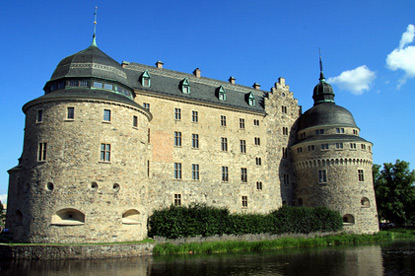
 Örebro, Sweden's sixth largest city, is a charming destination nestled between Stockholm and Gothenburg, where history and contemporary culture beautifully converge around the Svartån River. The city's crown jewel is the 13th-century Örebro Castle, situated dramatically on its own island, offering ghost walks and treasure hunts for visitors. The cityscape features unique attractions including the mushroom-shaped Svampen Water Tower with its panoramic views and restaurant, and a peculiar giant popcorn cluster sculpture that has become the city's most popular selfie spot. The historic Wadköping district showcases preserved 17th-19th century wooden houses, whilst the vibrant arts scene flourishes at Örebro Konsthall and through various cultural festivals. Food enthusiasts can savour traditional Swedish meatballs, visit the bustling Saluhallen market hall, or partake in the cherished 'fika' tradition at cosy cafés. The city also boasts an impressive academic presence with Örebro University, which gained full university status in 1999. |
| Norrköping |
|---|
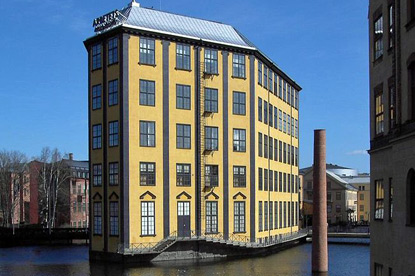
 Norrköping, an old industrial city in Östergötland County, boasts the world's largest collection of ancient rock carvings with over 7,000 petroglyphs dating back to the Bronze Age. The city's industrial heritage is beautifully preserved in its iconic red-brick buildings along the Motala River, including the distinctive seven-cornered 'Strykjärnet' (The Iron) building, which now houses the Museum of Work. The deep green marble from Kolmården quarry near Norrköping has been used in prestigious buildings worldwide, including the Rockefeller Center in New York. Nature enthusiasts can uniquely fish for salmon in the city centre, whilst culture seekers can explore Scandinavia's largest outdoor zoo at Kolmården Wildlife Park. The city's culinary scene ranges from Michelin-starred establishments to traditional Swedish bistros, with seafood playing a prominent role due to its Baltic Sea location. The Industrial Landscape area has been thoughtfully repurposed into a cultural hub, featuring museums, restaurants, and the Louis De Geer Concert Hall, whilst the charming Knäppingsborg Quarter offers artisanal shops and cosy cafés in 18th-century buildings. |
| Engelsberg Ironworks ※ |
|---|
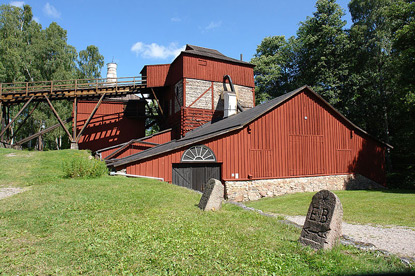
Engelsberg Ironworks, located in Sweden's Västmanland province, stands as a remarkable testament to Sweden's industrial heritage when the nation led Europe's iron production for two centuries. This beautifully preserved complex, established in 1681, features a fascinating blend of industrial and residential buildings, including a blast furnace, workers' cottages, and a manor house. The site's unique charm lies in its idyllic forest setting, which belies its industrial past, complete with waterwheels that once powered the furnaces. Whilst most of the 50 technical and administrative buildings remain intact, visitors can explore the grounds freely and join guided tours in summer to view the interiors, including the roasting furnace and the world's oldest preserved oil refinery on a nearby island. The ironworks operated until 1919 and remains the only privately owned UNESCO World Heritage site, carefully maintained by the Johnson family. A delightful sculpture park and treehouse can be found along the walking route from Ängelsberg station, making for a splendid day trip from Stockholm. |
| Fjällbacka |
|---|
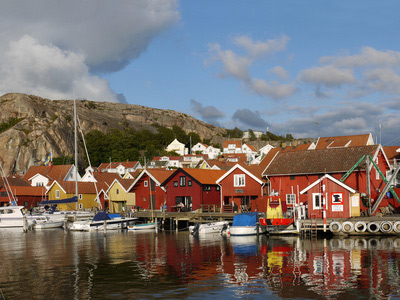
Nestled on Sweden's west coast, Fjällbacka is a picturesque fishing village named after its dominating cliff, Fjället. The town's rich history dates back to the Viking Age, and it later flourished as a significant trading post and fishing settlement. The village is particularly famous for its dramatic Kungsklyftan gorge, which was featured in the film adaptation of Astrid Lindgren's "Ronia, the Robber's Daughter" and received its royal name after King Oscar II's visit in 1887. The area is also known for its literary connections, being both the setting of Camilla Läckberg's popular crime novels and a beloved retreat of Hollywood icon Ingrid Bergman, whose ashes were scattered around the nearby Dannholmen islet. Culinary enthusiasts can savour the local seafood specialities, including the town's unique contribution to Swedish cuisine - the Fjällbacka anchovy, which is actually spiced sprat rather than true anchovy. The village is surrounded by a stunning archipelago, with the Väderöarna nature reserve offering excellent opportunities for hiking and wildlife observation. |
Other attractions
Birka and Hovgården (Viking towns) ※
Karlstad
Skansen Open-air Museum
Skokloster Castle
 Bjursås
Leksand
Mora
Nyköping
Rättvik
Storholmen Viking village
Strängnäs
Tällberg
Västerås
| Stockholm ※ |
|---|

 Stockholm, Sweden's captivating capital, is spread across 14 islands connected by 57 bridges, earning it the nickname "Venice of the North". The city's medieval heart, Gamla Stan, dates back to the 13th century and remains one of Europe's best-preserved historic centres, featuring cobblestone streets and the magnificent Royal Palace. Stockholm's underground metro system doubles as the world's longest art gallery, with stunning murals adorning 90 of its 100 stations. The city boasts remarkable attractions including the Vasa Museum, housing a perfectly preserved 17th-century warship that sank on its maiden voyage and was salvaged 333 years later. As the first European Green Capital (2010), Stockholm dedicates over 30% of its area to parks and nature reserves, with waters so clean you can swim and fish in the city centre. The city is also home to three UNESCO World Heritage sites: Drottningholm Palace, the Viking Age sites at Birka and Hovgården, and the woodland cemetery Skogskyrkogården. Beyond the city proper lies the vast Stockholm archipelago, comprising an impressive 24,000 islands of various sizes. |
| Drottningholm Palace ※ |
|---|
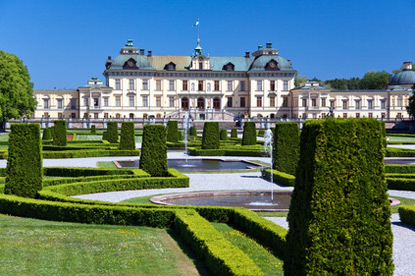
 Located just 12 kilometres from Stockholm, Drottningholm Palace is Sweden's majestic royal residence and a UNESCO World Heritage site known as the 'Versailles of Scandinavia'. The palace, whose name literally means 'Queen's Island', features a fascinating 'confidence dining room' where the table could be lowered underground for private royal conversations. The grounds boast three distinct attractions: a perfectly preserved 18th-century theatre where original machinery is still used, a Chinese Pavilion adorned with authentic Asian decorations, and spectacular gardens combining both Baroque and English landscape styles. The palace has a rich scientific heritage, as the renowned botanist Carl von Linné worked in its library cataloguing royal collections. Today, whilst the southern wing serves as the private residence of the Swedish royal family, most of the palace and its grounds remain open to visitors year-round. |
| Tyresta National Park |
|---|
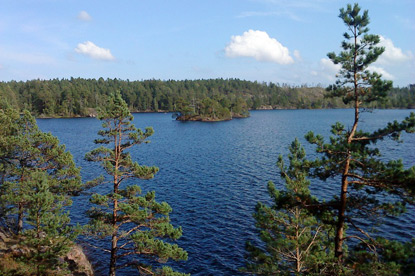
Located just 20 kilometres from Stockholm, Tyresta National Park boasts one of Sweden's largest untouched ancient forests outside the alpine region. The park, established in 1993, spans 20 square kilometres and features eight pristine lakes, making it a remarkable wilderness retreat near the capital. Visitors can explore 55 kilometres of well-marked trails whilst encountering diverse wildlife, including roe deer, foxes, beavers, and over 112 species of breeding birds. The area has been inhabited since the Iron Age, and today features perfectly preserved 18th-century buildings in Tyresta village. A fascinating aspect of the park's history is that 10% of its area was mysteriously burned in August 1999, creating a unique landscape that has become part of the park's character. The park's Naturum Visitor Centre serves as an excellent starting point for adventures, offering maps and insights into the park's rich ecology. |
| Sigtuna |
|---|
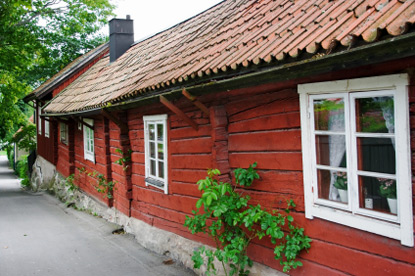
Sigtuna, Sweden's oldest town and first capital, was founded in 980 AD by King Erik the Victorious on the picturesque shores of Lake Mälaren, just 48km northwest of Stockholm. This charming historic settlement boasts the highest concentration of runestones in the world, with 30 significant ones in the town alone and 170 across the municipality. Visitors can stroll along Stora Gatan, Sweden's oldest street still following its original medieval route, which is lined with colourful wooden buildings from the 1800s and delightful shops and cafés. The town features unique attractions including Sweden's smallest town hall, built in 1744, and a creative repurposed phone box that serves as a book kiosk. For a taste of local heritage, one can visit Tant Brun Kaffestuga, one of Sweden's oldest cafés housed in a 17th-century wooden building, or explore the Sigtuna Museum to discover Viking-era artifacts and treasures from Russia and Byzantium. Nature enthusiasts can enjoy the area's ten nature reserves, perfect for hiking, biking, swimming and boating. |
| Uppsala |
|---|
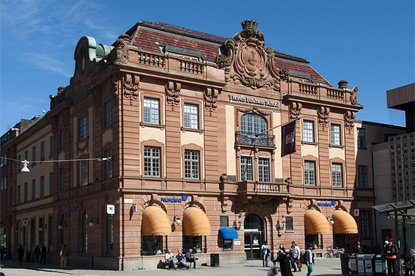
Uppsala, Sweden's fourth-largest city and just 35 minutes by train from Stockholm, is a captivating blend of historical grandeur and modern innovation. Home to Scandinavia's oldest university, founded in 1477, the city boasts a vibrant student population that makes up about 20% of its residents. The cityscape features the impressive Uppsala Castle, where Queen Christina abdicated in 1654, and ancient Viking burial mounds that hint at the area's fascinating Norse heritage. Science enthusiasts will appreciate Uppsala's connection to Carl Linnaeus, the renowned 18th-century botanist whose legacy lives on in the city's beautiful Botanical Garden and his preserved residence, Linnaeus' Hammarby. The city is also a hub for life sciences and technology, with notable achievements including the development of Upsalite by Sweden's youngest technology professor. For culinary adventurers, local specialities include the 'Linnébulle', a giant shareable cinnamon bun that can be found in cafés throughout the city. |
| Falun Copper Mine ※ |
|---|
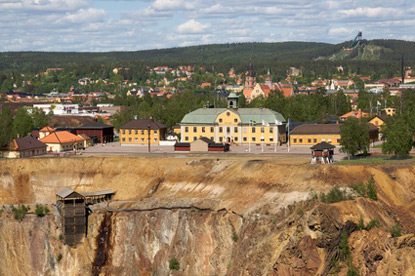
The Falun Mine, a UNESCO World Heritage site, operated for nearly a millennium until 1992 and was once the world's largest copper producer, accounting for 70% of Western copper production in the 17th century. Visitors can descend 67 metres into underground chambers that took centuries to excavate, explore the dramatic red gorge formed by a massive collapse in 1687, and visit Sweden's first technical museum which features interactive exhibits where you can climb mining ladders and handle copper ore. The mine's influence extends beyond its industrial heritage - it gave birth to several iconic Swedish products, including the famous Falun sausage and the distinctive 'Falun red' paint that still adorns many Swedish wooden houses. The site holds the distinction of being Sweden's oldest tourist attraction, with the first recorded use of the word 'tourist' in Swedish dating to 1824. The mine complex includes preserved manor houses, historic wooden buildings, and a fascinating coin cabinet displaying some of the heaviest coins ever minted, weighing almost 20 kilograms. |
|


 Denmark Guide
 Finland Guide
 Iceland Guide
 Norway Guide


 Fulufjället National Park, established in 2002, is a remarkable natural wonder straddling the Swedish-Norwegian border in Dalarna, Central Sweden. The park boasts Sweden's highest waterfall, Njupeskär, with a dramatic 93-metre drop, and is home to Old Tjikko, the world's oldest known individual clonal tree. The vast 385-square-kilometre park features an extensive network of 140 kilometres of hiking trails, where visitors can explore primeval forests, encounter diverse wildlife including brown bears and gyrfalcons, and traverse landscapes covered in unique flora such as the historically significant 'wolf death moss', which was traditionally used by locals as wolf bait. The park's Naturum visitor centre offers Swedish delicacies, including local specialities such as reindeer meatballs, and serves as a gateway to various activities including hiking, fishing, and in winter, ice climbing and snowmobile tours.
 Örebro, Sweden's sixth largest city, is a charming destination nestled between Stockholm and Gothenburg, where history and contemporary culture beautifully converge around the Svartån River. The city's crown jewel is the 13th-century Örebro Castle, situated dramatically on its own island, offering ghost walks and treasure hunts for visitors. The cityscape features unique attractions including the mushroom-shaped Svampen Water Tower with its panoramic views and restaurant, and a peculiar giant popcorn cluster sculpture that has become the city's most popular selfie spot. The historic Wadköping district showcases preserved 17th-19th century wooden houses, whilst the vibrant arts scene flourishes at Örebro Konsthall and through various cultural festivals. Food enthusiasts can savour traditional Swedish meatballs, visit the bustling Saluhallen market hall, or partake in the cherished 'fika' tradition at cosy cafés. The city also boasts an impressive academic presence with Örebro University, which gained full university status in 1999.
 Norrköping, an old industrial city in Östergötland County, boasts the world's largest collection of ancient rock carvings with over 7,000 petroglyphs dating back to the Bronze Age. The city's industrial heritage is beautifully preserved in its iconic red-brick buildings along the Motala River, including the distinctive seven-cornered 'Strykjärnet' (The Iron) building, which now houses the Museum of Work. The deep green marble from Kolmården quarry near Norrköping has been used in prestigious buildings worldwide, including the Rockefeller Center in New York. Nature enthusiasts can uniquely fish for salmon in the city centre, whilst culture seekers can explore Scandinavia's largest outdoor zoo at Kolmården Wildlife Park. The city's culinary scene ranges from Michelin-starred establishments to traditional Swedish bistros, with seafood playing a prominent role due to its Baltic Sea location. The Industrial Landscape area has been thoughtfully repurposed into a cultural hub, featuring museums, restaurants, and the Louis De Geer Concert Hall, whilst the charming Knäppingsborg Quarter offers artisanal shops and cosy cafés in 18th-century buildings.
 Bjursås

 Stockholm, Sweden's captivating capital, is spread across 14 islands connected by 57 bridges, earning it the nickname "Venice of the North". The city's medieval heart, Gamla Stan, dates back to the 13th century and remains one of Europe's best-preserved historic centres, featuring cobblestone streets and the magnificent Royal Palace. Stockholm's underground metro system doubles as the world's longest art gallery, with stunning murals adorning 90 of its 100 stations. The city boasts remarkable attractions including the Vasa Museum, housing a perfectly preserved 17th-century warship that sank on its maiden voyage and was salvaged 333 years later. As the first European Green Capital (2010), Stockholm dedicates over 30% of its area to parks and nature reserves, with waters so clean you can swim and fish in the city centre. The city is also home to three UNESCO World Heritage sites: Drottningholm Palace, the Viking Age sites at Birka and Hovgården, and the woodland cemetery Skogskyrkogården. Beyond the city proper lies the vast Stockholm archipelago, comprising an impressive 24,000 islands of various sizes.
 Located just 12 kilometres from Stockholm, Drottningholm Palace is Sweden's majestic royal residence and a UNESCO World Heritage site known as the 'Versailles of Scandinavia'. The palace, whose name literally means 'Queen's Island', features a fascinating 'confidence dining room' where the table could be lowered underground for private royal conversations. The grounds boast three distinct attractions: a perfectly preserved 18th-century theatre where original machinery is still used, a Chinese Pavilion adorned with authentic Asian decorations, and spectacular gardens combining both Baroque and English landscape styles. The palace has a rich scientific heritage, as the renowned botanist Carl von Linné worked in its library cataloguing royal collections. Today, whilst the southern wing serves as the private residence of the Swedish royal family, most of the palace and its grounds remain open to visitors year-round.
 : Must-see in the country