


 Austria Guide
 Czechia Guide
 Hungary Guide
 Poland Guide
 Slovakia Guide
 Slovenia Guide
| Contents |
|---|

Introduction
Krka National Park, located in the Šibenik-Knin County in Croatia's Dalmatia region, encompasses 109 square kilometres along the Krka River. Established in 1985, the park was formed to protect the river and its natural ecosystem. The Krka River stretches 72.5 km and features seven spectacular waterfalls with a total drop in altitude of 224 metres, creating a remarkable karst phenomenon. The park is open year-round, though some sections close between November and March, with five official entrances including the main ones at Lozovac and Skradin. Visitors can explore the park by water, road or on foot via numerous hiking trails, with swimming permitted in designated areas. Beyond its natural beauty, the park holds significant historical value, featuring sites such as Visovac Monastery located on a small river island. The headquarters of the park is in Šibenik, with branch offices in Skradin, Drniš and Knin.
Geography and Landscape
The Krka River and Canyon
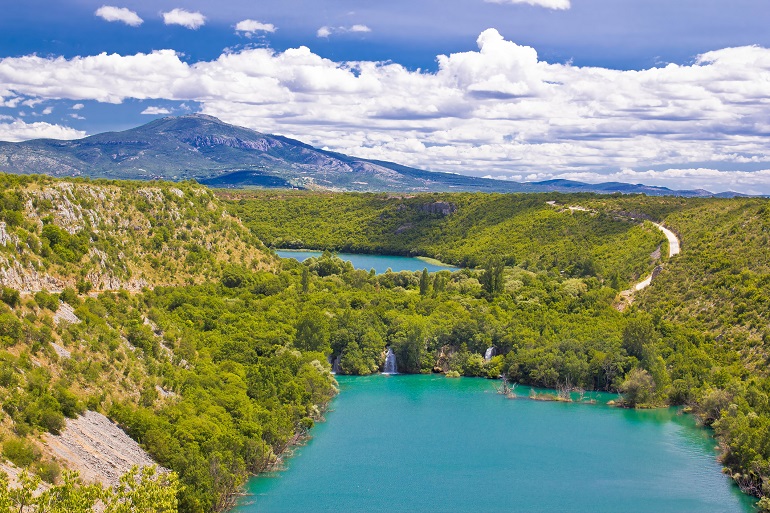
The Krka River serves as the heart of the park, flowing for 75 kilometres through a dramatic karst landscape before reaching the Adriatic Sea. The river has carved a deep canyon into the North Dalmatian plateau, creating a striking contrast between steep cliffs and lush green surroundings. This canyon was formed during the Late Pleistocene glaciation, when tectonic movements and erosion sculpted the limestone terrain into its present-day form.
Waterfalls and Travertine Formations
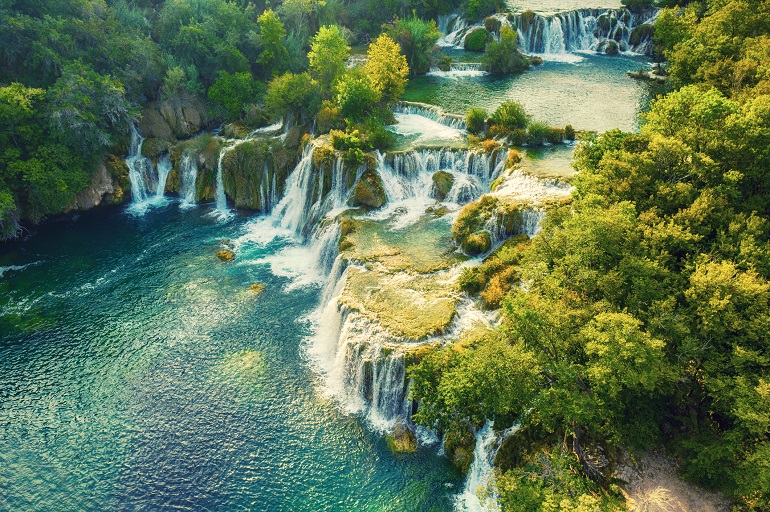
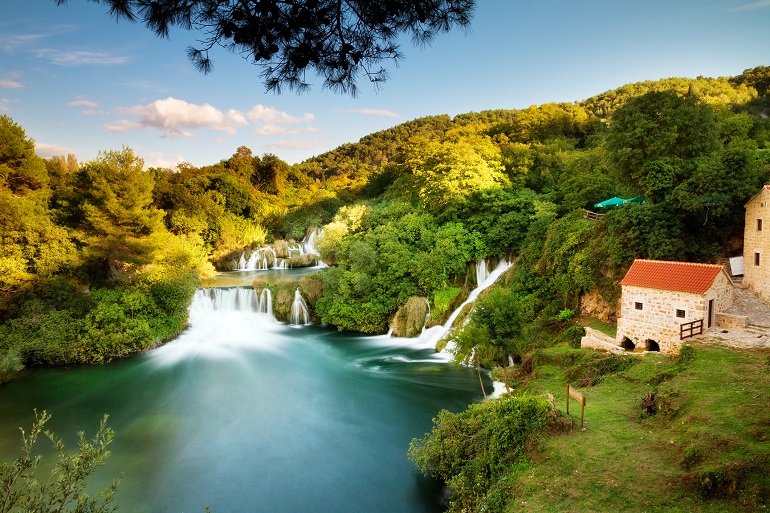
One of the park's most iconic features is its series of travertine waterfalls, formed by the deposition of calcium carbonate from the river's waters. The most famous of these is Skradinski Buk, a spectacular cascade made up of 17 travertine steps. Another notable site is Roški Slap, known for its picturesque cascades and emerald pools. These waterfalls are not only visually stunning but also geologically significant, showcasing the natural processes that have shaped this karst environment over millennia.
Plateaus and Plains
The park encompasses three distinct geomorphological zones: mountainous regions in the northeast, a central plain with abundant springs and watercourses, and the North Dalmatian plateau. The plateau itself is a classic example of karst topography, characterised by limestone formations that rise gradually towards the mountains. This area was shaped by a combination of fluvial erosion, sea abrasion, and tectonic activity over millions of years.
Estuary and Lakes
Near its mouth, the Krka River forms an estuary where freshwater mixes with saltwater from the Adriatic Sea. This brackish zone extends approximately 23.5 kilometres inland to Skradinski Lake, creating a unique aquatic environment. The estuary adds another layer of diversity to the park's landscape, blending riverine and marine influences.
A Dynamic Karst Landscape
The park's karst features include caves, sinkholes, and underground streams that highlight the dynamic interaction between water and rock. These formations are evidence of the area's complex geological history, which has been influenced by climate changes and shifting sea levels over millions of years.
Flora and Fauna
Flora
Krka National Park boasts over 860 plant species, including several endemic to the region. The park's vegetation transitions between evergreen Mediterranean and deciduous sub-Mediterranean zones, creating a mosaic of habitats.
- Forests: Key forest types include:
- Downy Oak and Oriental Hornbeam Forests: Found on limestone soils, these forests feature species like downy oak, oriental hornbeam, Montpellier maple, and service tree.
- Holm Oak and Manna Ash Forests: These forests thrive in transitional zones and include holm oak, flowering ash, strawberry tree, and tree heather.
- Downy Oak and Hop Hornbeam Forests: Located in canyon areas, they are home to Italian maple, manna ash, and rowan.
- Endemic Plants: Unique species such as the Illyrian iris, stone bellflower, chimney bellflower, Dalmatian pellitory, and wolfen spurge thrive in the park’s rocky karst terrain.
- Wetland Vegetation: Along the Krka River and Čikola River valleys grow meadow squill, knotweed, European hornbeam, wood melick, and lady orchid.
Fauna
The park's fauna is equally impressive, with many rare and endemic species that underline its ecological significance.
- Fish: The Krka River is home to 18 fish species, 10 of which are endemic. Notable examples include the Dalmatian barbelgudgeon and Adriatic salmon.
- Birds: With 222 bird species recorded, Krka is one of Europe’s most important ornithological sites. Highlights include:
- Birds of prey such as golden eagle, Bonelli’s eagle, short-toed eagle, peregrine falcon, and griffon vulture.
- Wetland birds like Eurasian eagle-owl and European bee-eater.
- Mammals: The park harbours endangered species like wolves, wildcats, otters, and 18 bat species (e.g., greater horseshoe bat).
- Reptiles & Amphibians: Rocky areas host Balkan whip snakes and other reptiles. Amphibians thrive in wetland habitats.
- Subterranean Fauna: Unique cave-dwelling creatures include the olm (a blind aquatic salamander), freshwater cave snails, cave pseudoscorpions, and cave crickets.
Conservation Importance
Krka National Park is a sanctuary for endangered species listed on the European Red List. Its rich biodiversity makes it not only a natural treasure of Croatia but also a vital ecological area for Europe.
Activities and Attractions
Hiking Trails: A Walk Through Paradise
Krka National Park is a hiker’s dream destination. The park features a well-maintained network of trails that wind through diverse terrains, from forested paths and riverside walkways to elevated viewpoints overlooking waterfalls and canyons. Whether you’re an experienced trekker or just looking for a leisurely stroll, there’s a trail for everyone.
Lozovac-Skradinski Buk Trail
One of the most popular trails in the park, this route starts at Lozovac, one of the main entrances to Krka National Park, and leads to the iconic Skradinski Buk waterfall. Spanning approximately 8 kilometres round trip, this trail offers hikers a mix of shaded forest paths and open terrain with stunning views of the riverbanks. Along the way, you’ll encounter several historical landmarks, including restored watermills that once harnessed the power of the river. The trail is moderately challenging due to some inclines but is manageable for most visitors with basic fitness levels.
Skradinski Buk Educational Trail
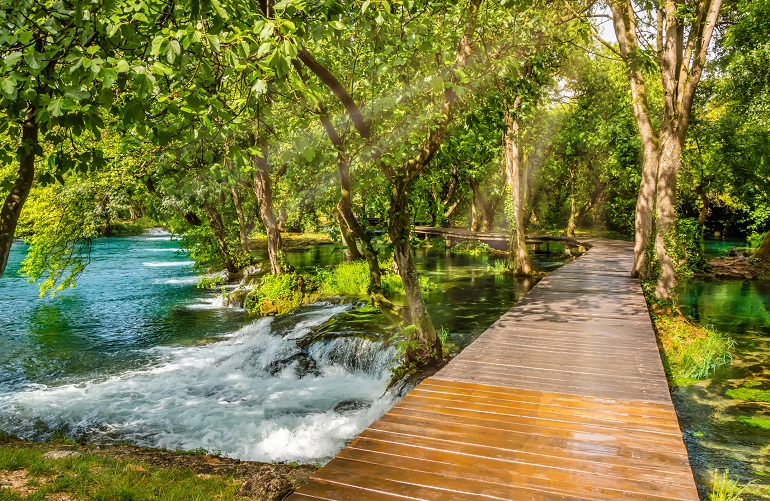
For those who prefer a shorter and more accessible hike, the Skradinski Buk Educational Trail is ideal. This 875-metre loop takes visitors on a scenic journey around Skradinski Buk itself. Wooden boardwalks meander through lush vegetation and alongside cascading streams, offering up-close views of this magnificent waterfall complex. Information boards along the trail provide insights into the park’s geology and history, making it an educational as well as visually rewarding experience.
Skradin Bridge to Skradinski Buk Trail
Starting from the charming town of Skradin, this 3.4-kilometre trail follows the river upstream to Skradinski Buk. It’s an easy-to-moderate hike that takes about an hour each way. The path is particularly picturesque in spring when wildflowers bloom along its edges. As you approach Skradinski Buk, you’ll hear the roar of the waterfalls long before you see them—a thrilling moment for any hiker.
Goriš Village to Torak Spring Trail
For those seeking more adventure, this 2.9-kilometre trail offers a slightly more challenging hike through dense forests and rugged terrain. The trail culminates at Torak Spring, a unique natural phenomenon where an underwater spring forms a circular lake at the base of a cliff. The views from here are absolutely breathtaking, with panoramic vistas of Krka Canyon stretching out before you.
Manojlovac Waterfall Trail
This lesser-known trail leads to Manojlovac Slap (Manojlovac Waterfall), one of the tallest waterfalls in Krka National Park. At 59 metres high, it’s an impressive sight and far less crowded than Skradinski Buk. The trail itself is moderately challenging but rewards hikers with spectacular views of both the waterfall and its surrounding canyon.
Roški Slap Trails
Roški Slap is another must-see waterfall in Krka National Park, known for its series of cascading travertine barriers called "necklaces." Several trails in this area allow visitors to explore Roški Slap from different angles. One particularly rewarding route leads to Oziđana Pećina cave—a prehistoric archaeological site located above Roški Slap—with sweeping views of the river below.
Waterfall Exploration: Nature’s Masterpieces
Krka National Park is renowned for its waterfalls, each offering unique beauty and charm:
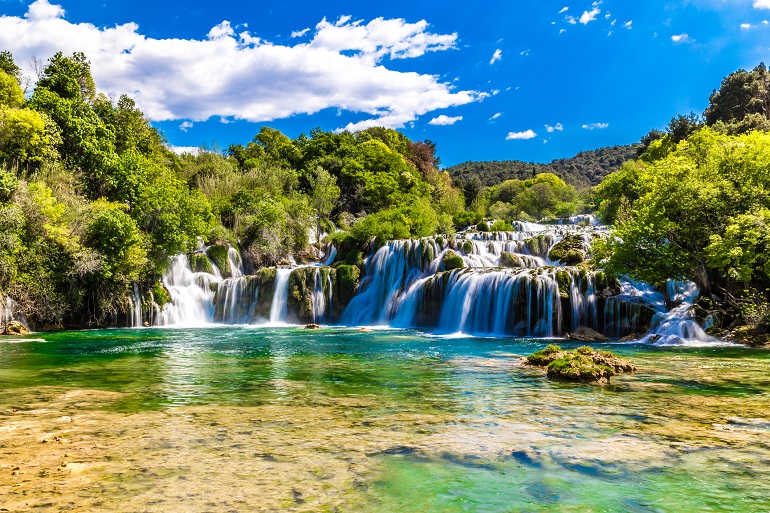
- Skradinski Buk: The park’s crown jewel consists of 17 cascading waterfalls spread across nearly 800 metres. Visitors can admire it from various vantage points or take wooden walkways that bring them close to its roaring waters.
- Roški Slap: Known for its tranquillity compared to Skradinski Buk, Roški Slap features smaller cascades surrounded by lush greenery.
- Manojlovac Slap: This dramatic waterfall is less visited but equally stunning—perfect for those seeking solitude amidst nature.
Boat Tours: Discover Hidden Gems
Boat tours are one of the best ways to explore Krka National Park's hidden treasures. These tours typically depart from Skradinski Buk or Roški Slap and take visitors to attractions such as:
- Visovac Island: Home to a Franciscan monastery surrounded by emerald waters.
- Krka Monastery: A spiritual retreat nestled along the riverbanks.
- Roški Slap: Accessible by boat for those who prefer not to hike.
The boat rides offer unique perspectives on the park's landscape while providing opportunities for relaxation.
Cycling Adventures
Cycling enthusiasts will find plenty to enjoy in Krka National Park as well. With over 300 kilometres of marked cycling routes crisscrossing through diverse terrains, cyclists can explore everything from quiet forest paths to challenging uphill climbs with rewarding views. Popular routes include trails around Visovac Lake and paths leading to historical sites like Burnum Roman amphitheatre.
Historical Landmarks Along Your Journey
While hiking or exploring other parts of Krka National Park, you’ll come across several fascinating historical landmarks:
- Watermills at Skradinski Buk: These restored mills offer a glimpse into traditional ways of life when they were used for grinding grain.
- Burnum Roman Amphitheatre: Located near Puljane Visitor Centre, this ancient structure dates back to Roman times.
- Krka Monastery: A serene spot combining spiritual heritage with natural beauty.
Swimming Opportunities
While swimming is not permitted at all locations within Krka National Park due to conservation efforts, designated areas near certain waterfalls—such as Roški Slap—allow visitors to cool off in crystal-clear waters during warmer months.
In conclusion, Krka National Park is much more than just a collection of waterfalls—it’s an outdoor playground offering endless opportunities for adventure and discovery. From scenic hikes that reveal hidden corners of this natural wonderland to boat tours that glide through its tranquil waterscapes, every visitor will find something memorable here. Whether you're an avid hiker or simply looking for a peaceful escape into nature's embrace, Krka promises an unforgettable experience at every turn.

Accommodation
Types of Accommodation
-
Hotels and Resorts
The surrounding areas, such as Skradin, Lozovac, and Šibenik, offer a variety of hotels and resorts catering to different budgets and preferences. These range from luxury establishments with modern amenities to charming boutique hotels that provide a more intimate experience. Many hotels include breakfast and offer convenient access to the park's entrances.
-
Guesthouses and Bed & Breakfasts
For those seeking a more personalised stay, guesthouses and bed & breakfasts are excellent options. These accommodations often provide a homely atmosphere and are typically run by locals who can offer insights into the area. They are commonly found in smaller towns near the park.
-
Apartments and Holiday Homes
Self-catering apartments and holiday homes are ideal for families or groups looking for more space and flexibility. These accommodations are often equipped with kitchens and outdoor spaces, making them perfect for longer stays or those who prefer preparing their own meals.
-
Hostels
Budget-conscious travellers can opt for hostels located in nearby towns. These provide affordable lodging options with shared facilities and are a great way to meet other visitors exploring the park.
-
Camping
Camping is another popular choice for nature lovers. Campsites near the park offer a chance to stay close to nature while enjoying basic facilities such as showers and communal cooking areas.
Location Considerations
- Skradin: This charming town is one of the main gateways to Krka National Park. It provides easy access via boat to the park’s famous Skradinski Buk waterfall.
- Lozovac: Located near another entrance to the park, Lozovac is ideal for visitors arriving by car.
- Šibenik: A larger town slightly further away, Šibenik offers a wider selection of accommodations along with cultural attractions like its UNESCO-listed cathedral.
Booking Tips
- Book early during peak seasons (spring and summer) as accommodations near Krka National Park tend to fill up quickly.
- Consider staying in quieter areas if you prefer a more relaxed atmosphere away from tourist crowds.
- Check if your accommodation offers shuttle services or guided tours to the park for added convenience.
Gastronomy
Krka National Park offers visitors a delightful taste of traditional Croatian cuisine, with a focus on local ingredients and time-honoured recipes. The park's culinary offerings reflect the diverse influences of Dalmatian, Mediterranean, and inland Croatian cooking traditions.
Regional Specialities
Seafood Delights
As you approach the coastal areas where the Krka River meets the Adriatic Sea, seafood becomes a prominent feature on menus. Grilled fish is a popular choice, prepared simply to showcase its fresh flavour. Mussels on the buzara, a traditional Dalmatian dish, is a must-try for shellfish enthusiasts.
Meat Dishes
Inland areas of the park feature hearty meat-based dishes. The star attraction is 'peka', a slow-cooked meal prepared under a bell-shaped lid. Typically made with veal, pork, or octopus, peka is served with potatoes and vegetables, creating a flavourful and tender dish.
River Specialities
The Krka River itself influences local cuisine, with freshwater fish featuring in various preparations. Look out for dishes incorporating trout or other river fish, often grilled or prepared in stews.
Traditional Cooking Methods
Many restaurants in and around Krka National Park employ traditional cooking methods that have been passed down through generations. Open-fire cooking and slow-roasting techniques are common, imparting rich flavours to the dishes.
Local Produce
The area surrounding Krka is known for its excellent produce. Visitors can enjoy locally sourced ingredients such as:
- Dalmatian prosciutto
- Pag cheese
- Olives and olive oil
- Fresh vegetables and fruits
Beverages
No meal is complete without sampling some of the local drinks. The region boasts excellent wines, particularly red varieties. For a non-alcoholic option, try the fresh spring water from the park itself.
Dining Experience
Many eateries in Krka National Park offer stunning views of waterfalls or the river, enhancing the dining experience. Some even provide the unique opportunity to dine with your feet in the cool river water, offering a truly immersive experience.
Getting There and Around
By Public Bus
Public buses offer an affordable and eco-friendly way to reach Krka National Park:
- From Šibenik: Direct coach services run from Šibenik Bus Station to the park's main entrances.
- Two companies operate these routes: Autotransport d.d Šibenik and Gradski Parking.
- Journey time: 20 minutes to Lozovac entrance and 25-30 minutes to Skradin entrance.
- One-way tickets cost approximately €3.60.
- Multiple departures daily, with limited service on Sundays.
- From Split: Regular buses run year-round from Split to Krka National Park.
- The journey takes approximately 1 hour and 15 minutes to reach Skradin.
- Tickets cost about €10 each way.
- Booking in advance is recommended, especially during peak season.
By Car
Driving to Krka National Park offers flexibility and convenience:
- From Šibenik: The park is only about 12.5 km (8 miles) away, making it a quick 15-20 minute drive.
- From Split: The distance is approximately 85-93 km, taking about an hour to reach the park.
- Parking: Free parking is available at the Lozovac entrance throughout the year. At Skradin, there is private parking available for a fee.
By Taxi or Uber
For those seeking convenience without driving:
- From Šibenik: Taxi or Uber services cost approximately €15-€20 one-way.
- This option provides flexibility if bus times are inconvenient for your schedule.
Organised Tours
Many visitors opt for organised day trips to Krka National Park:
- Group Tours: These typically include transportation, guides, and sometimes meals.
- Private Tours: Offer more personalised experiences with tailored itineraries.
- From Split: Day trips usually last 8-10 hours and may include additional experiences like wine tasting.
Park Entrances
The park has two main entrances:
- Lozovac Entrance: This is the main road entrance for tourist buses and individual visitors. From April to October, the park provides shuttle buses to Skradinski buk waterfall. Alternatively, there's a 875-metre hiking trail from this entrance to the waterfall.
- Skradin Entrance: From here, visitors can take an included ferry ride to the main waterfall area. This option is ideal if you prefer to minimise walking.
Remember that entrance tickets to Krka National Park include boat transport from Skradin to Skradinski buk, so there's no need to pay extra for this service.

Best Time to Visit
Spring (April to May)
- Weather: Pleasant temperatures with fewer crowds compared to the peak summer months.
- Activities: Ideal for hiking and exploring the park's flora as it awakens from winter.
- Crowds: Thinner crowds allow for a more serene experience.
- Ticket Prices: Lower than during the peak season.
Summer (June to August)
- Weather: Warmest months with clear skies, ideal for swimming and outdoor activities.
- Activities: Perfect for boat tours and exploring the lush vegetation.
- Crowds: Peak tourist season, expect large crowds and higher ticket prices.
- Ticket Prices: Highest of the year.
Autumn (September to October)
- Weather: Comfortable temperatures with vibrant autumn foliage.
- Activities: Enjoy the scenic beauty of the changing leaves and quieter trails.
- Crowds: Fewer visitors compared to summer, making it ideal for those seeking tranquility.
- Ticket Prices: Lower than in summer but higher than in winter.
Winter (November to March)
- Weather: Cooler and potentially wetter, with fewer visitors.
- Activities: Ideal for those interested in seeing the park's geological formations without crowds.
- Crowds: The quietest time of the year.
- Ticket Prices: The lowest of the year.
Recommendation
For most visitors, the shoulder seasons of May, June, September, and October offer the best balance of pleasant weather, fewer crowds, and affordable ticket prices. If you prefer a serene atmosphere and lower costs, consider visiting during the spring or autumn. If you don't mind the crowds and prefer warmer weather, summer might be your choice. For a truly peaceful experience with minimal costs, winter is an option, though some areas of the park may be closed.
Conservation and Responsible Tourism
Krka National Park, a stunning natural wonder in Croatia, has become a shining example of conservation and responsible tourism. In 2024, the park received the prestigious Green Destinations Gold Award, making it the first destination in Croatia and only the second national park worldwide to achieve this recognition.
Sustainable Management
The park's sustainable development strategy focuses on:
- Preserving natural features
- Protecting cultural heritage
- Managing visitor experiences
- Providing education and interpretation
- Collaborating with local communities
These elements are integrated into the park's strategic plans and annual work programmes.
Environmental Initiatives
Krka National Park has implemented several eco-friendly measures:
- Energy efficiency and waste management programmes
- Eco-friendly transport options, including shuttle buses and boat tours
- Protection of the natural tufa processes of the Krka River
- Careful management of visitor impact to minimise environmental disruption
Biodiversity Conservation
The park is committed to preserving its diverse ecosystem:
- Protecting rare and endemic plant species
- Safeguarding wildlife, as exemplified by the rescue and rehabilitation of a turtle nicknamed "the Phoenix of the Krka"
- Implementing volunteer programmes such as "Cleaning the Krka River" and "Indigenous Species Habitat Guardian"
Cultural Heritage Preservation
Alongside its natural wonders, Krka National Park actively promotes and protects its cultural heritage, recognising it as a crucial aspect of the region's identity.
Visitor Experience and Education
The park offers various educational programmes to raise awareness about conservation:
- The newly opened Krka Nature Interpretation Centre – Source of Life in Kistanje, featuring interactive exhibits on the importance of water and the river's ecosystem
- Guided tours and informational displays throughout the park
Community Engagement
Krka National Park actively involves local communities in its conservation efforts:
- Collaboration with local beekeepers to promote organic production and preserve biodiversity
- Partnerships with animal welfare organisations
- Creation of employment opportunities for local residents

Visitor Centres and Educational Facilities
Visitor Centres
Skradinski Buk
The main visitor centre is located at Skradinski Buk, the park's most famous waterfall. Here, you can purchase tickets, gather information, and learn about the park's attractions.
Laškovica Visitor Centre
Situated near the Roški slap waterfall, this centre provides information about the middle course of the Krka River.
Krka Eco Campus in Puljane
This educational facility offers a range of programmes and activities for visitors interested in learning more about the park's ecosystem.
Education Facilities and Programmes
Education for Children
Krka National Park places a strong emphasis on education, offering various workshops and programmes for children and adults alike.
Programmes for Children
- Little Park Rangers: A programme designed to teach children about biodiversity and nature protection.
- Ecological Workshops: Hands-on activities that help children understand the importance of environmental conservation.
These workshops are typically held year-round, either outdoors in the park or at the Public Institute of Krka National Park branch offices.
Education Hiking Trails
The park features several educational trails with information panels about local flora and fauna. One notable example is the Stinice – Roški slap – Oziđana pećina educational trail, which offers fascinating insights into the park's natural and cultural heritage.
Krka Monastery
While primarily a cultural site, the Romanesque-style Krka Monastery also serves as an educational facility, offering visitors a glimpse into the area's rich history.
Visitor Information
- Most visitor centres are open year-round, but hours may vary seasonally.
- Educational workshops typically last about an hour and are designed for groups of up to 25 children.
- Advance booking is required for educational programmes.
- The park offers guided tours for groups of up to 50 children.