


| Contents |
|---|
Introduction
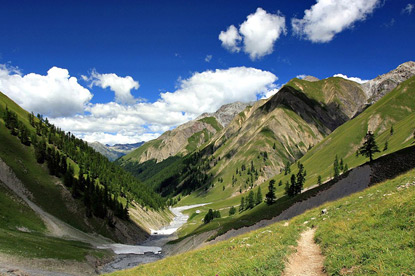
The Swiss National Park, established in 1914, is the oldest national park in the Alps and Central Europe. Located in the canton of Grisons in eastern Switzerland, bordering Italy, it covers an impressive area of 170 square kilometres. As a strictly protected wilderness area with the highest conservation status (IUCN category Ia), the park allows nature to develop freely without human interference. Visitors can explore its diverse landscape through a network of 21 hiking trails spanning 100 kilometres, where they might observe ibexes, chamois, marmots, bearded vultures and golden eagles in their natural habitat. The park's terrain ranges from valleys at 1,400 metres to peaks reaching 3,174 metres above sea level, with Piz Quattervals standing as its highest point at 3,165 metres. Before venturing into the park, visitors are advised to stop at the National Park Centre in Zernez, which offers exhibitions, information about hiking conditions, and guidance on the strict protection regulations that prohibit leaving marked paths or bringing dogs into the park.

Geography and Landscape
The Swiss National Park, located in the canton of Graubünden in eastern Switzerland, is a striking example of unspoiled Alpine wilderness. Spanning an area of 170 square kilometres, it is the largest protected area in Switzerland and the only national park in the country. The park lies within the Engadine Valley and extends into the dramatic Rhaetian Alps, bordering Italy's Stelvio National Park.
Topography and Geological Features
The park's terrain is dominated by rugged Alpine landscapes, shaped significantly by glacial erosion during the Pleistocene epoch. Its elevation ranges from 1,400 to 3,174 metres above sea level, offering a variety of dramatic features, including jagged peaks, steep rock faces, and expansive scree slopes. Dolomite and calcareous rocks are predominant throughout much of the park, creating a unique geological character. However, the Macun area stands out with its gneiss and amphibolite formations.
Debris chutes and scree slopes are common sights, formed by the relentless forces of weathering and erosion. Freezing water breaks apart rock faces, sending boulders tumbling into valleys below. These dynamic processes have sculpted a landscape that feels both ancient and ever-changing.
Alpine Zones
The park encompasses several distinct zones: subalpine forests, alpine meadows, and high-altitude rocky habitats. Subalpine forests cover approximately 28% of the park's area, featuring pioneer mountain pine species that have regrown after historic clear-cutting. Above these forests lie subalpine meadows (21%), which transition into barren high-altitude zones dominated by rock and scree (51%). The sparse vegetation at higher elevations cannot stabilise the soil, leaving these areas exposed to erosion.
Climate
The Swiss National Park experiences a continental climate with significant temperature variations between seasons. Winters are cold (average 0°C), while summers are warmer but mild due to the altitude. Annual precipitation averages around 750 mm, with August being the wettest month.
Accessibility and Trails
A network of around 100 kilometres of marked hiking trails allows visitors to explore this pristine wilderness. The trails vary in difficulty, offering opportunities for both leisurely walks and challenging alpine treks. However, visitors must remain on designated paths to preserve the untouched nature of the park.
Conservation Status
As a category 1a wilderness area under IUCN guidelines, the park is strictly protected from human interference. This ensures that natural processes such as erosion and ecological succession unfold without disruption, preserving its raw beauty for generations to come.

Flora and Fauna
Fauna
The park boasts an extraordinary variety of alpine animals, making it a prime destination for wildlife enthusiasts. Visitors may spot:
- Large mammals: Red deer, chamois, and ibex are commonly seen grazing on alpine meadows.
- Small mammals: Marmots and squirrels inhabit the rocky areas and forests.
- Birds of prey: Golden eagles and bearded vultures soar above the landscape.
- Rare predators: Occasional sightings of wolves, lynx, and brown bears have been reported.
The reintroduction of the bearded vulture in 1991 has been a notable conservation success. These magnificent birds, along with golden eagles, can often be seen circling the skies above the park.
Flora
The park's flora is characteristic of the Eastern Alps, with most of the area situated in the Engadine Dolomites, featuring predominantly alkaline soils. The plant life varies according to altitude and includes:
- Coniferous forests: Spruce, larch, and mountain pine dominate the lower elevations.
- Alpine meadows: A colourful array of flowers, including edelweiss, gentians, and alpine androsace, carpet the higher altitudes.
- Unique species: The park is home to rare plants such as the vanilla orchis and the hairy alpen-rose.
The strict protection of the park has allowed for a remarkable increase in plant diversity. Some areas that were once used for cattle grazing now boast three times the number of plant species compared to a century ago.
Visitors should note that the park's philosophy of 'total protection' means that all flora and fauna are left to develop freely. It is strictly forbidden to pick flowers, collect plants, or disturb wildlife in any way. Guests are required to stay on designated trails to preserve this pristine alpine ecosystem.
The Swiss National Park offers a unique opportunity to witness the Alps as they once were, providing a window into the past and a key to understanding the future of alpine ecosystems.
Activities and Attractions
The Swiss National Park, established in 1914, offers a wealth of activities and attractions for nature enthusiasts and outdoor adventurers. Spanning over 170 square kilometres, this pristine wilderness boasts an extensive network of 100 kilometres of hiking paths and nature trails, providing ample opportunities for exploration.
Hiking
Hiking is undoubtedly the primary attraction in the Swiss National Park, with a variety of trails catering to different skill levels and preferences. The park offers 21 hiking routes, each providing unique experiences and breathtaking views of the surrounding mountains and valleys.
Trail Options
- Val Trupchun - Alp Trupchun: This highly-rated 14.5 km trail offers stunning views and an elevation gain of 566 metres. It is suitable for those looking for a moderate challenge with rewarding scenery.
- Lakes of Macun: For experienced hikers, this challenging 21 km round trip showcases a high-alpine plateau dotted with 23 lakes in various shades of blue. The trail requires a good level of fitness and sure-footedness.
- Munt la Schera: A family-friendly option, this 9.5 km trek provides an excellent overview of the park. It is ideal for those seeking a more leisurely hike with scenic views.
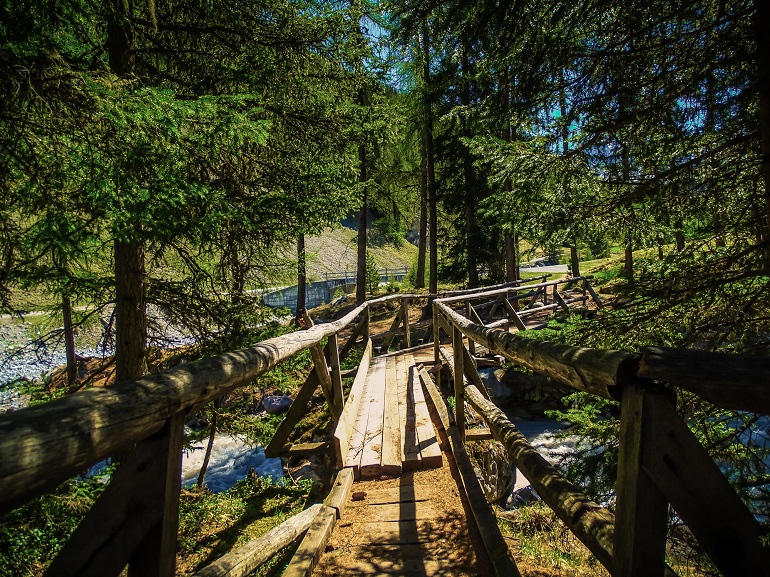
- Val Cluozza: This 8 km uphill ramble through larch and pine woods offers a glimpse into a gloriously unspoilt valley. The trail is relatively easy and suitable for families.
Difficulty Levels
Swiss hiking trails, including those in the Swiss National Park, are classified by the Swiss Alpine Club into several difficulty levels:
- T1 Hiking: Easy trails marked with yellow signs, suitable for beginners. These paths are well-maintained and have minimal risk of falling.
- T2 Mountain Hiking: Trails marked with yellow and red/white signs. These paths can be steep in parts and require some sure-footedness.
- T3 Demanding Mountain Hiking: Also marked with yellow and red/white signs, these trails are steeper and may include exposed areas.
- T4 Alpine Hiking: Trails marked with blue and blue/white signs. These routes are more challenging, often without clear markings, and require experience with exposed terrain.
Preparation and Safety
Before embarking on a hike, it's essential to check the weather forecast and trail conditions. Hikers should be prepared with appropriate gear, including sturdy hiking shoes, all-weather clothing, and a map. For more challenging trails, additional equipment like hiking sticks may be necessary. Always respect the park's conservation rules to preserve the natural environment.
Guided Hikes
From mid-June to mid-October, the park offers guided walks led by expert rangers. These excursions provide a deeper understanding of the park's history and ecology, and some tours are specifically designed for families.
Guided Excursions
From mid-June to mid-October, the park offers guided walks led by expert rangers. These insightful excursions, available as half-day or full-day options, provide a deeper understanding of the park's ecology and history. Some tours are specifically designed for families, encouraging children to engage with nature through play.
Cycling
For those who prefer two wheels, the park features 22 biking trails. The most popular route is the Zernez - Murtaröl trail, which has received positive reviews from cyclists.
Photography
The park's diverse landscapes offer numerous opportunities for photography enthusiasts. October is particularly picturesque, as the Engadin's larch forests transform into a dazzling golden spectacle.
Historical and Geological Interest
The park's unique geological features provide fascinating insights into the Earth's history. Along certain trails, visitors can observe fossilised coral and even dinosaur tracks, offering a glimpse into the area's prehistoric past.
Accommodation
Accommodation options in and around the Swiss National Park cater to a range of preferences, ensuring visitors can enjoy the natural beauty of this protected area while staying comfortably. Here’s an overview of what travellers can expect:
Within the Park
The Swiss National Park itself offers limited but unique accommodation options. Staying within the park provides an immersive experience, surrounded by pristine wilderness and close to hiking trails. Lodging here is typically simple, focusing on functionality and harmony with nature. Guests can enjoy cosy dormitory-style rooms or shared spaces designed for a communal atmosphere. These accommodations are ideal for nature enthusiasts seeking direct access to the park’s trails and landscapes.
Nearby Villages
For those who prefer more variety or additional amenities, the villages surrounding the park, such as Zernez, Scuol, and Val Müstair, offer a wide range of options. From charming guesthouses to boutique hotels, these accommodations often blend traditional Alpine architecture with modern comforts. Many establishments in the area provide easy access to public transport and hiking routes, making them convenient bases for exploring the park.
Sustainability and Local Charm
A common theme among accommodations in this region is their focus on sustainability and local culture. Many places incorporate eco-friendly practices and serve regional cuisine, offering guests an authentic taste of the Engadine lifestyle. Some even provide discounts for public transport use when staying multiple nights, promoting environmentally conscious travel.
Seasonal Availability
It’s important to note that certain accommodations within or near the park may have seasonal operations, particularly those at higher altitudes. Visitors are encouraged to check availability and book in advance during peak seasons to secure their preferred lodging.
Gastronomy
The Swiss National Park offers visitors a unique opportunity to experience traditional Alpine cuisine amidst breathtaking natural surroundings. Whilst the park itself has limited dining options due to its protected status, the surrounding areas provide a wealth of culinary delights that reflect the rich cultural heritage of the region.
Local Specialities
The cuisine in and around the Swiss National Park is heavily influenced by the mountainous terrain and the traditional farming practices of the area. Visitors can expect to find hearty, warming dishes that are perfect after a day of hiking or wildlife spotting.
Bündner Specialities
The park is located in the canton of Graubünden, known for its distinctive culinary traditions. Some must-try local specialities include:
- Bündner Gerstensuppe: A warming barley soup often containing meat and vegetables
- Capuns: Swiss chard-wrapped dumplings served in a creamy sauce
- Bündnerfleisch: Air-dried, raw-cured beef, thinly sliced and often served as a starter
Alpine Cheese
The region is renowned for its high-quality dairy products. Visitors should not miss the opportunity to sample local cheeses, which are often used in traditional dishes such as fondue or raclette.
Seasonal and Sustainable Cuisine
Many establishments in the area surrounding the park pride themselves on using locally-sourced, seasonal ingredients. This commitment to sustainability aligns with the ethos of the national park itself.
- Spring and summer menus often feature fresh herbs and wild flowers foraged from Alpine meadows.
- Autumn brings an abundance of wild mushrooms and game meats to local tables.
- Winter sees heartier fare, with dishes designed to warm and nourish after cold days outdoors.
Beverage Culture
The drink selection in the area complements the robust local cuisine:
- Bündner Röteli: A sweet cherry liqueur traditional to the region
- Local wines: The nearby Bündner Herrschaft wine region produces excellent Pinot Noir
- Mountain herb teas: Made from locally gathered herbs, these infusions are popular and healthful
Dining Experiences
Whilst there are no restaurants within the park boundaries, the surrounding villages offer a range of dining experiences:
- Mountain huts: Simple, rustic fare served in cosy alpine settings
- Farm-to-table restaurants: Showcasing the best of local produce
- Gourmet establishments: For those seeking a more refined culinary experience
Getting There and Around
The Swiss National Park, nestled in the picturesque Engadine region, offers visitors a chance to explore unspoilt wilderness and observe diverse wildlife. Here's how to reach and navigate this natural wonder:
Reaching the Park
The most convenient gateway to the Swiss National Park is the town of Zernez. From Zürich, you can reach Zernez in approximately 2.5 hours using the following options:
By Train
This is the recommended and most environmentally friendly option. Take a train from Zürich HB to Zernez, changing at Landquart and Sagliains. The journey is scenic and comfortable.
By Car
Driving takes about the same time as the train in ideal conditions. However, be prepared for potential delays due to traffic or adverse weather, especially in winter.
By Bus
Flixbus offers services to the region, providing a budget-friendly alternative for travellers.
Getting Around
Once you've arrived, there are several ways to explore the park:
Hiking
The park boasts a 100-kilometre network of 21 trails, offering various difficulty levels and stunning vistas.
Public Transport
Eight bus stops are located within the park, allowing easy access to different areas.
Express Parc Naziunel
This charming little train takes visitors through picturesque villages before arriving at the park entrance in Val Trupchun.
Postal Bus Service
Regular bus services run according to daily timetables, connecting various points within and around the park.
Important Tips
- For the sake of the environment, public transport is strongly recommended over private vehicles.
- There are limited parking spaces available along the Pass dal Fuorn road (P1 to P10).
- Camping is forbidden within the park but permitted on official campsites in the surrounding region.
- Dogs are not allowed in the park, even when on a lead.
- The National Park Centre in Zernez is an excellent starting point for information and trip planning.
Best Time to Visit
The Swiss National Park, located in the picturesque Graubünden canton, offers a unique and unspoiled natural experience throughout the year. However, the best times to visit depend on your interests and preferences.
Summer (July to August)
- Ideal for Hiking: July and August are perfect for hiking enthusiasts. All trails are accessible, and the long days with pleasant temperatures make it ideal for exploring the park's diverse landscapes.
- Wildflowers and Wildlife: The summer months showcase a vibrant display of wildflowers, and it's a great time to spot ibex fawns and other wildlife.
- Accessibility: Even the highest routes become accessible by the end of July, though they require proper equipment and experience.
Autumn (September to October)
- Colourful Landscapes: September is particularly appealing as the larch trees turn golden, and the first leaves begin to change colours.
- Deer Rutting Season: This period is renowned for the deer rutting season, offering a unique opportunity to observe these animals up close as they engage in territorial displays.
- Comfortable Weather: The weather is generally mild and less hot than in midsummer, making it ideal for long walks.
Spring and Winter
- Spring: While some trails may still be closed due to snow, spring can be a good time to spot shy animals emerging from their winter habitats.
- Winter: The park is generally closed from mid-November to May, limiting access during this period.
Tips for Visiting
- Preparation: Always check the trail conditions and weather forecast before setting out. Proper hiking gear, including sturdy boots and a rain jacket, is essential.
- Respect Nature: Adhere to the park's strict rules to preserve the natural environment and wildlife.
- Accommodation: Consider staying overnight at the Chamanna Cluozza or Hotel Il Fuorn for a more immersive experience.

Conservation and Responsible Tourism
The Swiss National Park, established in 1914, is a pioneer in European conservation and remains one of the most strictly protected areas in the Alps. It offers visitors a unique opportunity to experience pristine Alpine wilderness while adhering to principles of sustainability and responsible tourism.
Conservation Efforts
The park spans 170 square kilometres and is classified as a Strict Nature Reserve, meaning natural processes are left entirely undisturbed. Its primary aim is to protect biodiversity and allow flora and fauna to thrive without human interference. Rare plant species, such as the Rhaetian poppy and Pygmy buttercup, flourish here, alongside iconic Alpine animals like ibex, red deer, and bearded vultures.
Scientific research is a cornerstone of the park's mission. By observing untouched ecosystems over time, researchers gain invaluable insights into natural processes. The park also employs innovative technologies, such as artificial intelligence for wildlife monitoring, to enhance conservation efforts.
Responsible Tourism Guidelines
Visitors are encouraged to enjoy the park responsibly while respecting its strict regulations:
- Stay on marked trails: This minimises disturbance to wildlife and protects fragile habitats.
- No littering or removal of natural objects: Everything within the park, including plants, rocks, and wildlife, must remain undisturbed.
- Prohibited activities: Camping, fires, swimming in natural water bodies, and bringing dogs (even on leads) are not allowed.
- Seasonal preparation: Weather can change rapidly; proper gear and awareness of trail conditions are essential.
These measures ensure that tourism does not compromise the park’s ecological integrity.
Sustainable Tourism Initiatives
The Swiss National Park promotes sustainable travel through partnerships that encourage public transport use. Visitors can access the park via well-connected train and bus services, reducing carbon footprints. The park also supports local economies by highlighting regional products and cultural heritage.
Accommodation options within the park are limited to maintain its wilderness character. Visitors can stay at the Cluozza hut or Hotel il Fuorn, both designed to blend harmoniously with the environment.
Visitor Experience
The park offers over 100 km of hiking trails suitable for varying fitness levels. Guided tours provide deeper insights into the region’s rich biodiversity and geology. Families and schools can benefit from educational programmes that foster environmental awareness among younger generations.
Visitor Centres and Educational Facilities
The Swiss National Park offers a range of visitor centres and educational facilities designed to enhance the experience of exploring Switzerland's largest protected wilderness area. Below is an overview of these facilities for travellers.
National Park Centre in Zernez
The National Park Centre, situated in the village of Zernez, serves as the gateway to the park. Open daily from mid-May to October (8:30 AM to 6:00 PM), it provides visitors with comprehensive information about the park's ecosystems, wildlife, and conservation efforts. Reduced hours apply during other months.
Features
- Exhibitions: The centre hosts a permanent exhibition themed around "wilderness," featuring interactive displays across four rooms that explore natural processes, historical moments, and personal attitudes towards wilderness. Temporary exhibitions, such as A Changing Landscape (20 March 2025–13 March 2027), showcase the evolution of the park’s landscape through historical photography comparisons.
- Interactive Activities: Play stations for children and media guides in five languages make the exhibits accessible to all ages.
- Shop: Visitors can purchase hiking maps, guides, souvenirs, and specialised literature. Binoculars and excursion bookings are also available.
- Accessibility: The centre is barrier-free and accessible for people with disabilities.
- Admission Fees:
- Adults: CHF 9
- Children (6–16): CHF 5
- Family ticket: CHF 20
- Free for children under six.
Educational Trails
The Swiss National Park features several educational trails aimed at fostering a deeper understanding of nature.
Nature Trail
Located near Hotel Parc Naziunal Il Fuorn along route 17, this classic trail includes 45 information boards detailing local wildlife and surroundings. It is ideal for families and takes approximately half a day. A brochure with supplementary information is available for CHF 9.
Senda da l’uors (Bear Discovery Trail)
This trail near the Schmelzra Museum offers nine interactive stations that teach visitors about brown bears. The experience lasts around two hours and is complemented by the museum’s bear exhibition.
Champlönch Children's Trail
Designed for families, this trail combines hiking with interactive storytelling via the Swiss National Park app and an accompanying booklet with audio CD (CHF 15). The trail allows children to learn about local flora and fauna through engaging narratives linked to specific locations along routes 12/13.
Schmelzra Museum
Located in Val S-charl, this museum highlights the region’s mining history while hosting a bear exhibition on its upper floor. Guided tours of mining tunnels are available, making it a unique educational destination.
Educational Programmes
The park offers specialised programmes for schools and children, emphasising environmental education. These include guided excursions tailored to young audiences and activities designed to instil an appreciation for nature from an early age.
Field Courses
For those interested in scientific learning, geomorphology field courses are held within the park. These courses combine hands-on fieldwork with analytical tasks, focusing on natural processes shaping Alpine landscapes.
Infomobile
During summer and autumn, an Infomobile provides on-site advice at key locations within the park. It distributes brochures, maps, hiking guides, and souvenirs while answering visitors’ questions about the park.
Access and Accommodation
The National Park Centre is easily accessible by train or bus from Zernez station or nearby stops. Parking is available near the centre. Accommodation options include Chamanna Cluozza within the park or nearby hotels such as Hotel Il Fuorn.
These facilities make the Swiss National Park not only a haven for nature enthusiasts but also a hub for education and discovery suitable for all ages.