| Baltic Countries |
|---|
|
| | Baltic Capitals |
|---|
|
| | Europe Guide |
|---|
|
| | Travel Tools |
|---|
|
|
|
|
Lithuania Travel & Culture Guide
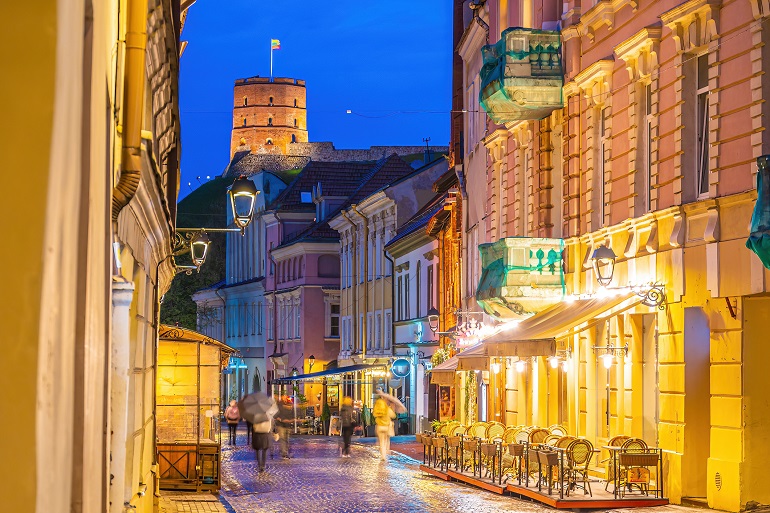 Vilnius, Lithuania. Vilnius, Lithuania.
Introduction to Lithuania
Lithuania, a country in the Baltic region of Europe, is situated on the eastern shore of the Baltic Sea. It shares borders with Latvia to the north, Belarus to the east and south, Poland to the south, and the Russian exclave of Kaliningrad Oblast to the southwest. Covering an area of 65,300 square kilometres, Lithuania is home to approximately 2.89 million people, with its capital and largest city being Vilnius. The landscape of Lithuania is characterised by flat plains and rolling hills, with its highest point, Aukštojas Hill, reaching 294 metres above sea level. The country boasts over 700 rivers and numerous lakes, particularly in the eastern region. Forests cover about one-third of the territory, primarily consisting of pine, spruce, and birch trees. Lithuania's 99-kilometre coastline includes a stretch of sandy shores, though only about 38 kilometres face the open Baltic Sea. Lithuania's history is rich and complex, dating back to the 13th century when the first Lithuanian state was established. Over the centuries, it has been part of various political entities, including the Grand Duchy of Lithuania and the Polish-Lithuanian Commonwealth. The country regained its independence in 1990 after decades of Soviet rule. Today, Lithuania is a member of the European Union and NATO, with a growing economy and a focus on technology and innovation. For visitors, Lithuania offers a diverse range of attractions. Its capital, Vilnius, boasts one of the largest medieval Old Towns in Eastern Europe, recognised as a UNESCO World Heritage site. Other notable sites include the picturesque Trakai Island Castle, the unique Hill of Crosses, and the Curonian Spit National Park. The country is also known for its amber, traditional cuisine, and numerous festivals celebrating its rich cultural heritage.
Attractions
| Vilnius ※
|
|---|
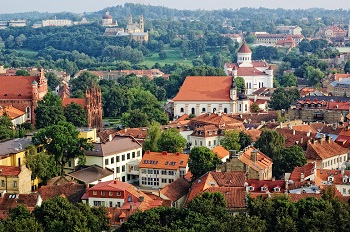
 Vilnius, the capital of Lithuania, is a captivating city steeped in history and culture. Its Old Town, a UNESCO World Heritage site, boasts an impressive array of architectural styles, including Gothic, Renaissance, Baroque, and Neoclassical, making it one of the largest and most well-preserved medieval old towns in Northern Europe. Key attractions include the iconic Gediminas Tower, which offers panoramic views of the city, and the stunning St. Anne's Church. The city also features the quirky Republic of Užupis, known for its bohemian vibe and street art. Visitors can explore the Palace of the Grand Dukes of Lithuania, delve into the city's complex history at the KGB Museum, or enjoy traditional Lithuanian cuisine in one of the many local restaurants. With its rich cultural heritage and lively atmosphere, Vilnius is a must-visit destination for any traveller.
|
| Trakai Island Castle
|
|---|
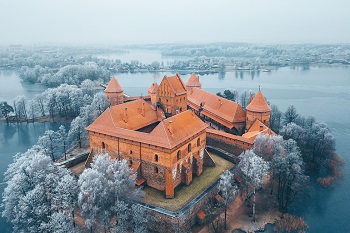
 Trakai Island Castle, situated on an island in Lake Galvė, Lithuania, is a masterpiece of medieval defensive architecture and the only water castle in Eastern Europe. Its construction began in the late 14th century under Grand Duke Kęstutis and was completed by his son, Vytautas the Great, in the early 15th century. The castle served as a strategic fortress and later as a residence for the Grand Dukes of Lithuania. Following its restoration in the mid-20th century, it now operates as part of the Trakai History Museum, offering visitors a glimpse into Lithuania's rich history through various exhibitions and events. In the summer, the castle hosts medieval festivals, concerts, and feasts, bringing its historical past to life. Visitors can explore the castle's Gothic architecture, admire its picturesque surroundings, and enjoy the unique cultural experiences it offers.
|
| Kretinga Japanese Garden
|
|---|
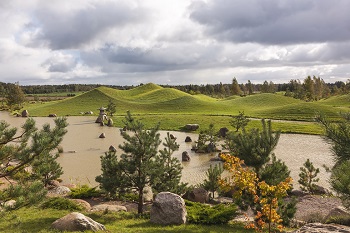
 The Kretinga Japanese Garden, nestled in the picturesque Kretinga district of Lithuania, is a mesmerising blend of Japanese and Lithuanian cultures. Established by Japanese Master Hajime Watanabe and Lithuanian doctor Šarūnas Kasmauskas, this 16-hectare garden is considered the largest of its kind in Europe. Visitors can immerse themselves in the tranquil beauty of meticulously designed landscapes, serene ponds, and vibrant flora, including a collection of over 1,000 bonsai trees, some up to 180 years old. The garden features traditional elements such as a tea house, where guests can experience authentic Japanese tea ceremonies, as well as carefully arranged stone pathways and koi ponds. This harmonious fusion of nature and art serves as a symbol of the longstanding friendship between Japan and Lithuania, offering a unique cultural experience in the heart of Samogitia. The Kretinga Japanese Garden is a must-visit destination for those seeking serenity, natural beauty, and a glimpse into Japanese traditions amidst the Lithuanian landscape.
|
| Kaunas (※)
|
|---|
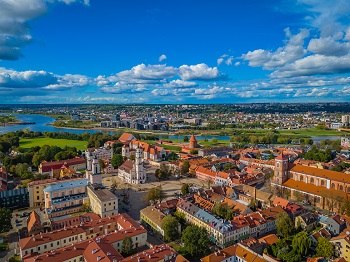
 Kaunas, Lithuania's second city, offers a unique blend of history, culture, and modern charm. Located at the confluence of the Nemunas and Neris rivers, it boasts an impressive Old Town with architectural styles spanning centuries. The city's vibrant heart is Laisvės alėja, a pedestrian thoroughfare lined with shops, cafes, and institutions, perfect for people-watching. Kaunas was the temporary capital between the two world wars, and this period saw it flourish into a dynamic cultural hub. Visitors can explore Kaunas Castle, the oldest building in the city, and enjoy the city's laid-back atmosphere, making it an excellent day trip from Vilnius or a pleasant place to live. The city's cultural attractions include the Great War Museum and the Žaliakalnis Funicular Railway, adding to its appeal as a lesser-known yet captivating destination.
|
| Curonian Spit National Park ※
|
|---|
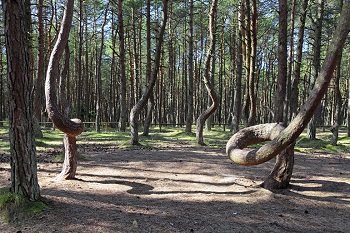
The Curonian Spit National Park, situated on a narrow peninsula between the Curonian Lagoon and the Baltic Sea, is a UNESCO World Heritage Site renowned for its unique cultural and natural landscape. This 98-kilometre-long park, established in 1991, protects the diverse ecosystems of the area, featuring pine forests, sand dunes, and small settlements. Visitors can explore the park via a well-maintained 52-kilometre bike path that connects the five main towns, offering stunning views of the surrounding environment. The park is also a significant bird migration route, hosting species such as whooper swans and white-tailed eagles. Attractions include the Nagliai nature reserve with its "Dead Dunes," a testament to the area's dramatic history where sand buried villages centuries ago. With its rich history and natural beauty, the Curonian Spit is an ideal destination for nature lovers and those seeking a tranquil retreat.
|
|


 Estonia Guide
 Latvia Guide
 Lithuania Guide
 Vilnius, the capital of Lithuania, is a captivating city steeped in history and culture. Its Old Town, a UNESCO World Heritage site, boasts an impressive array of architectural styles, including Gothic, Renaissance, Baroque, and Neoclassical, making it one of the largest and most well-preserved medieval old towns in Northern Europe. Key attractions include the iconic Gediminas Tower, which offers panoramic views of the city, and the stunning St. Anne's Church. The city also features the quirky Republic of Užupis, known for its bohemian vibe and street art. Visitors can explore the Palace of the Grand Dukes of Lithuania, delve into the city's complex history at the KGB Museum, or enjoy traditional Lithuanian cuisine in one of the many local restaurants. With its rich cultural heritage and lively atmosphere, Vilnius is a must-visit destination for any traveller.

 Trakai Island Castle, situated on an island in Lake Galvė, Lithuania, is a masterpiece of medieval defensive architecture and the only water castle in Eastern Europe. Its construction began in the late 14th century under Grand Duke Kęstutis and was completed by his son, Vytautas the Great, in the early 15th century. The castle served as a strategic fortress and later as a residence for the Grand Dukes of Lithuania. Following its restoration in the mid-20th century, it now operates as part of the Trakai History Museum, offering visitors a glimpse into Lithuania's rich history through various exhibitions and events. In the summer, the castle hosts medieval festivals, concerts, and feasts, bringing its historical past to life. Visitors can explore the castle's Gothic architecture, admire its picturesque surroundings, and enjoy the unique cultural experiences it offers.


 Kaunas, Lithuania's second city, offers a unique blend of history, culture, and modern charm. Located at the confluence of the Nemunas and Neris rivers, it boasts an impressive Old Town with architectural styles spanning centuries. The city's vibrant heart is Laisvės alėja, a pedestrian thoroughfare lined with shops, cafes, and institutions, perfect for people-watching. Kaunas was the temporary capital between the two world wars, and this period saw it flourish into a dynamic cultural hub. Visitors can explore Kaunas Castle, the oldest building in the city, and enjoy the city's laid-back atmosphere, making it an excellent day trip from Vilnius or a pleasant place to live. The city's cultural attractions include the Great War Museum and the Žaliakalnis Funicular Railway, adding to its appeal as a lesser-known yet captivating destination.

 : Local interest
 : Must-see in the country
 : Top cities in Europe