


 Denmark Guide
 Finland Guide
 Norway Guide
 Sweden Guide
| Contents |
|---|
Introduction
Vatnajökull National Park, established on 7 June 2008, is one of three national parks in Iceland and ranks as Europe's second-largest national park. Covering approximately 14% of Iceland's territory (about 14,967 square kilometres), it encompasses the entirety of Vatnajökull glacier—Europe's largest ice cap at 7,700 square kilometres—and extensive surrounding areas, including the previously existing national parks of Skaftafell and Jökulsárgljúfur. The park's unique landscape features are created by the combined forces of rivers, glacial ice, volcanic and geothermal activity, with ten central volcanoes (eight of which are subglacial) and spectacular phenomena such as jökulhlaups (sudden floods caused by glacial breaches during eruptions). In 2019, Vatnajökull National Park was inscribed as a UNESCO World Heritage Site. Visitors can access the park via the Ring Road (Road 1) along the south coast, with five visitor centres located around the park providing information about hiking trails, nature, history and available services.

Geography and Landscape
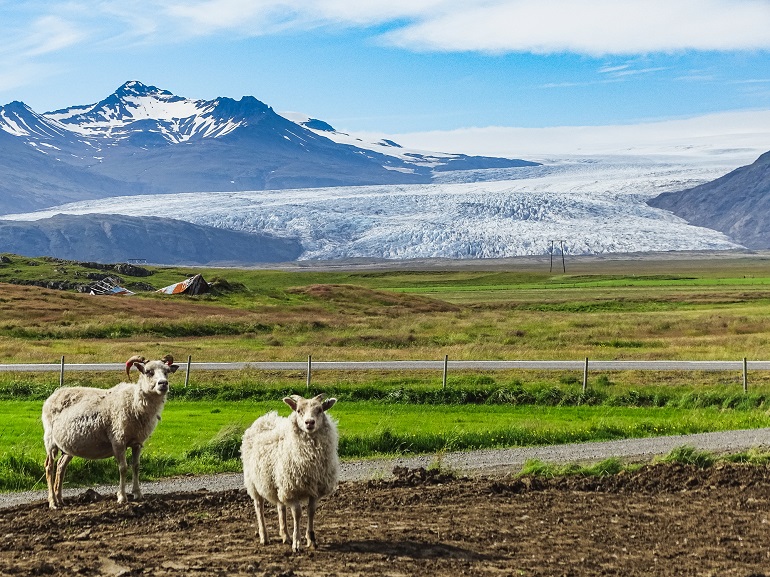
Vatnajökull National Park, encompassing nearly 7% of Iceland's landmass, boasts a diverse and awe-inspiring landscape that showcases the raw power of nature. At its heart lies the eponymous Vatnajökull, Europe's largest glacier outside the Arctic, covering an impressive 8,100 square kilometres. This colossal ice cap, measuring 400-600 metres thick on average and reaching up to 950 metres at its deepest point, conceals a hidden world of mountains, valleys, and plateaus beneath its frozen surface.
Glacial Features
The park's landscape is primarily shaped by the interplay between volcanic activity and glacial forces. Vatnajökull's numerous outlet glaciers descend from the ice cap, carving their way between majestic mountain ridges and onto the lowlands. These glaciers have sculpted U-shaped valleys and created distinctive glacial landforms over thousands of years.
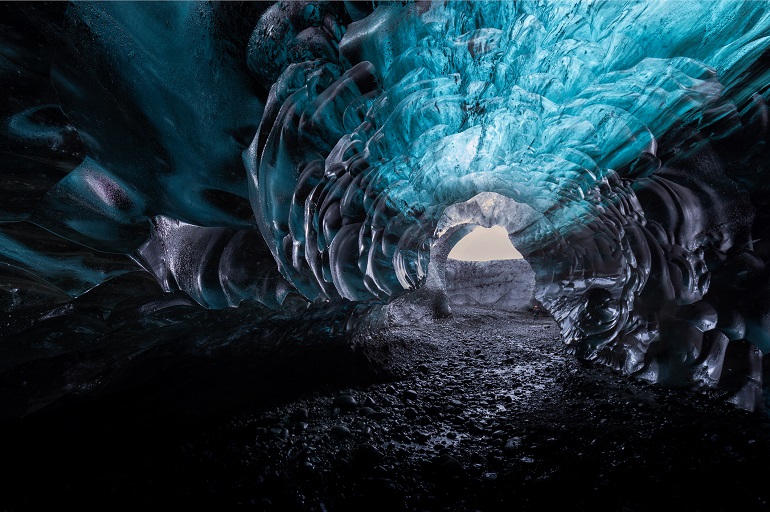
One of the most captivating features of the park is its ice caves, formed by the melting and flow of glacial ice. These ethereal blue caverns offer visitors a glimpse into the glacier's inner workings and provide a truly unique experience.
Volcanic Landscape
Vatnajökull National Park lies on the boundary between two tectonic plates and sits atop a mantle plume, resulting in intense volcanic activity. The park is home to several active central volcanoes, some hidden beneath the ice cap, including Bárðarbunga and Grímsvötn. This volcanic influence has created a landscape dotted with craters, lava fields, and geothermal areas.
The western part of the park features expansive moss-covered lava fields, many of which originate from the Eldgjá fissure. In the highlands, visitors can observe unique hyaloclastite ridges, linear mountains formed by subglacial eruptions.
Water Features
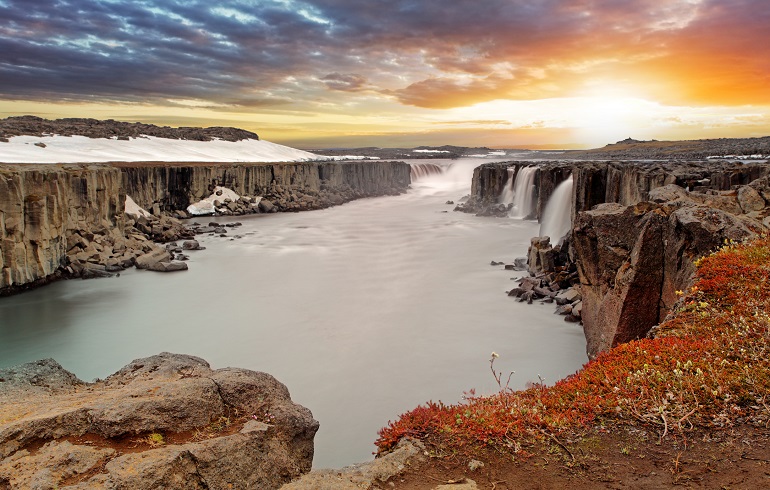
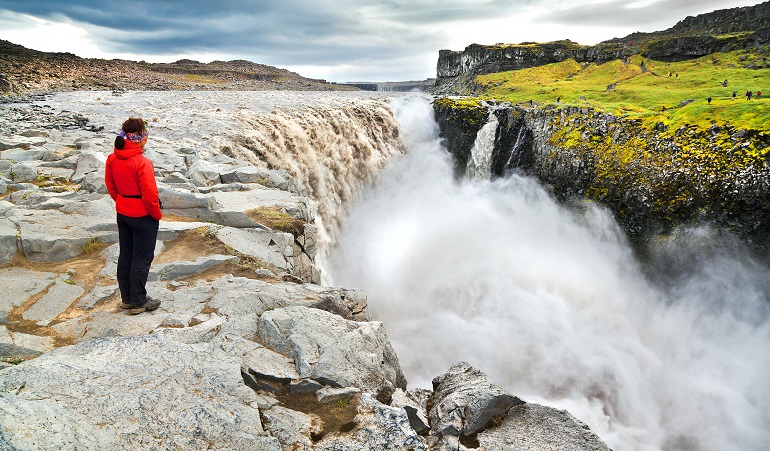
The park's hydrological features are equally impressive. Powerful glacial rivers carve through the landscape, creating deep canyons and thunderous waterfalls. The northern part of the park boasts the 25-kilometre-long Jökulsárgljúfur canyon, home to Dettifoss, Europe's most powerful waterfall after Switzerland's Rhine Falls.
Ice-dammed lakes form and expand as glaciers recede, while glacial floods (jökulhlaups) periodically reshape the terrain, depositing vast quantities of ash and sediment onto the coastal plains.
Diverse Terrains
Vatnajökull National Park's landscape varies dramatically across its four territories:
- The northern region features a highland plateau divided by glacial rivers, overlooked by volcanoes and table mountains.
- The southern area is characterised by high mountain ridges and outlet glaciers descending to the lowlands.
- The eastern part showcases extinct central volcanoes with colourful rhyolite formations.
- The western territory is dominated by volcanic features, including some of the world's largest historical fissure and lava eruptions.
From the glacier-topped mountains to the black sand beaches, from steaming geothermal areas to icy crevasses, Vatnajökull National Park offers a microcosm of Iceland's most spectacular landscapes. Its ever-changing nature, driven by the constant battle between fire and ice, makes it a truly dynamic and unforgettable destination for travellers seeking to experience the raw beauty of the Icelandic wilderness.
Flora and Fauna
Flora
The park's vegetation varies greatly, reflecting the diverse landscape and climate:
- Mosses and Lichens: These dominate much of the park, particularly in the southern regions. Up to 314 moss species and 287 lichen species have been recorded, with some areas having up to 90% moss coverage.
- Vascular Plants: Approximately 344 species can be found, representing 70% of Iceland's vascular plants. Common species include glacier buttercup, mountain aven, Arctic thyme, and angelica.
- Trees: While rare, birch and rowan trees grow on mountain slopes, especially in Skaftafell, one of the park's greenest areas.
- Wetlands: Eyjabakkar, one of Iceland's largest wetlands, is found within the park.
Fauna
The park's wildlife is equally diverse, with several notable species:
- Birds: About 75 bird species breed in the southern regions of the park. Notable species include:
- Barnacle Goose
- Great Skua
- Pink-footed Goose
- Gyrfalcon (Iceland's national bird)
- Rock Ptarmigan
- Mammals:
- Arctic Fox: Iceland's only native terrestrial mammal
- Reindeer: Approximately 2,000 roam the park, particularly in Snæfellsöræfi
- Harbour Seals: Often spotted near icy lagoons and rivers
- Marine Life: The coastal areas of the park are home to various whale, dolphin, and porpoise species.
- Insects: While not abundant, the park hosts some unique species, including Carabus problematicus, Iceland's largest beetle.
Visitors to Vatnajökull National Park should keep in mind that wildlife viewing opportunities may vary depending on the season and specific location within the park. The park's diverse ecosystems, from glacial plains to birch forests, provide a fascinating backdrop for observing Iceland's unique flora and fauna.
Activities and Attractions
Hiking Trails
The park's extensive network of hiking trails is one of its primary draws, offering visitors the chance to immerse themselves in Iceland's raw, untamed nature. From gentle walks to demanding multi-day treks, there's a trail for every level of hiker.
Skaftafell Area
Skaftafell, often referred to as a "hiker's paradise", is one of the most popular regions within the park for trekking.
- Svartifoss Waterfall Hike: This well-trodden path leads to the iconic Svartifoss, or 'Black Falls', famed for its striking backdrop of hexagonal basalt columns. The trail begins at the Skaftafell Visitor Centre and is a relatively easy 1.5 km walk each way. Along the route, hikers pass two other waterfalls: Hundafoss and Magnúsarfoss, offering picturesque stops for photos and rest.
- Sjónarnípa Viewpoint: This trail offers breathtaking views of Skaftafellsjökull glacier. The hike takes you through birch woods and heath vegetation before revealing panoramic vistas of the glacier tongue and surrounding mountains. It's a moderate 6.4 km round trip, taking about 2–2.5 hours.
- Kristínartindar Mountain: For more experienced hikers, the Kristínartindar trail provides a challenging ascent to twin peaks. The 8-10 hour round trip rewards hikers with sweeping views of Vatnajökull ice cap, Skaftafell's mountains, and on clear days, views stretching to the Atlantic Ocean. The trail involves some scrambling and steep sections, requiring good fitness and proper equipment.
- Morsárjökull Glacier Trail: This lesser-known trail leads through Bæjarstaðaskógur, one of Iceland's largest birch forests, before reaching viewpoints of Morsárjökull glacier. The 20 km round trip takes about 6-7 hours and offers a more secluded hiking experience.
- S1 Trail to Skaftafellsjökull: An easy 3.7 km round trip, this trail takes you close to the Skaftafellsjökull glacier front. It's an excellent option for those wanting to experience a glacier up close without the challenge of a longer hike.
Hvannadalshnjúkur
The ascent of Hvannadalshnjúkur, Iceland's highest peak at 2,110 metres, is a bucket-list item for many mountaineers. This challenging climb typically takes 10-15 hours round trip and requires a guide due to the presence of crevasses and potential weather hazards. The route traverses the Öræfajökull glacier, offering unparalleled views of the surrounding ice cap and, on clear days, much of southern Iceland.
Jökulsárgljúfur Region
In the northern part of the park, Jökulsárgljúfur canyon offers a different landscape with its deep gorges and powerful waterfalls.
- Ásbyrgi Canyon Trail: This 4.5 km loop trail takes you through the horseshoe-shaped Ásbyrgi canyon, rich in Norse mythology. The hike includes a climb to the canyon's rim for panoramic views.
- Dettifoss East Bank Trail: A 2.5 km trail leads to viewpoints of Dettifoss, Europe's most powerful waterfall. The east bank offers closer views of the falls compared to the west side.
- Vesturdalur and Hljóðaklettar: This area offers several hiking options through bizarre rock formations. The 5 km Hljóðaklettar circular route takes you through a labyrinth of basalt columns and rock arches.
Snæfell Area
In the eastern part of the park, Snæfell mountain provides excellent hiking opportunities.
- Snæfell Summit Trail: A challenging 10-12 hour hike to the summit of Snæfell (1,833 m), offering views over the Vatnajökull ice cap and the barren interior of Iceland.
- Waterfall Circle: An easier 7 km loop passing several waterfalls in the Snæfell area, including the impressive Nálhúshnjúkur falls.
Other Attractions
While hiking dominates the activities in Vatnajökull National Park, there are numerous other attractions and experiences to enjoy:
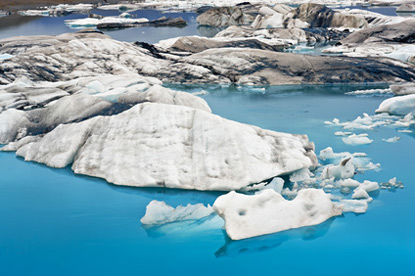
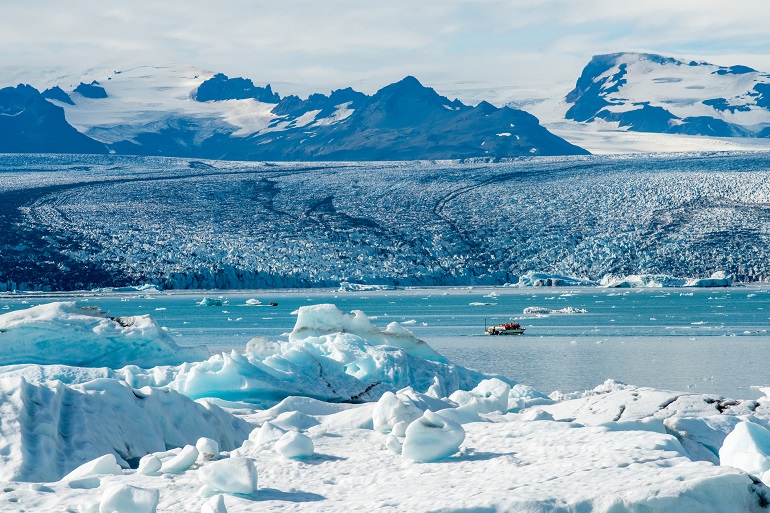
- Jökulsárlón Glacier Lagoon: This stunning lagoon, filled with icebergs calved from Breiðamerkurjökull glacier, is one of Iceland's most photographed sites. Boat tours operate on the lagoon, allowing visitors to get up close to the floating ice sculptures. The lagoon is also a popular spot for watching seals, which often bask on the icebergs.
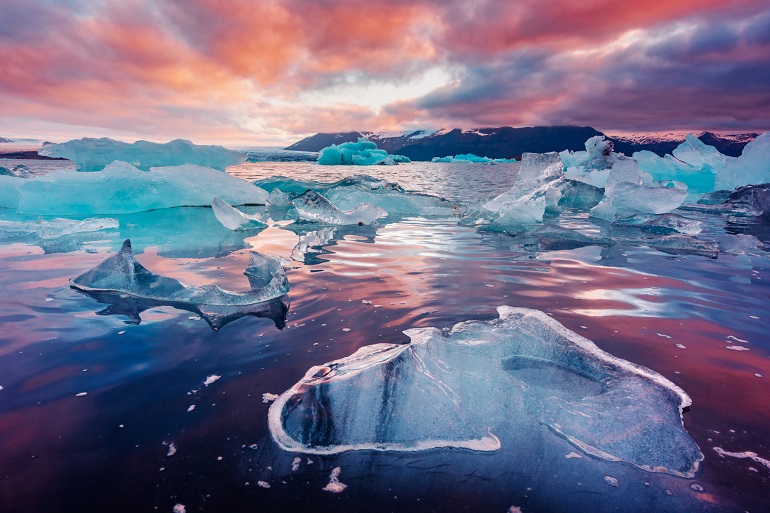
- Diamond Beach: Located just across the road from Jökulsárlón, this black sand beach is strewn with chunks of glacial ice, creating a mesmerising contrast. The ice fragments, polished by the waves, glisten like diamonds against the dark sand, especially beautiful during sunrise and sunset.
- Ice Caves: The winter months (typically November to March) offer the chance to explore natural ice caves formed within Vatnajökull glacier. The most famous is the Crystal Ice Cave, known for its translucent blue walls. These tours require guides and special equipment due to the caves' ever-changing nature and potential hazards.
- Glacier Walks: Guided glacier walks are available on several of Vatnajökull's outlet glaciers, including Falljökull and Svínafellsjökull. These tours provide a unique opportunity to explore the surface of a glacier safely, with crampons and ice axes provided.
- Skaftafell Ice Cave: Unlike the seasonal natural ice caves, this man-made ice tunnel is open year-round. Located near the Skaftafell Visitor Centre, it offers an educational experience about glaciers and climate change.
- Fjallsárlón Glacier Lagoon: Often overshadowed by its more famous neighbour Jökulsárlón, Fjallsárlón offers a quieter but equally beautiful glacier lagoon experience. Boat tours are available here as well.
- Svartifoss Viewpoint: For those unable to hike to Svartifoss waterfall, there's a viewing platform near the Skaftafell Visitor Centre that offers a distant but clear view of the falls.
- Skeiðarársandur: This vast black sand plain, created by glacial floods, offers a stark and haunting landscape. The twisted remains of the Skeiðará Bridge, destroyed in a 1996 glacial flood and now displayed as a monument, serve as a powerful reminder of nature's force.
Accommodation
Camping
Camping is a popular and affordable option within the park. The main campground, located in Skaftafell, is open year-round and can accommodate approximately 400 tents. It offers essential amenities such as showers, washing machines, and Wi-Fi. The campsite is divided into zones, some allowing vehicles and providing electricity, while others are designated for tents only. It's advisable to book in advance, especially for groups, as the campground can become quite busy during peak seasons.
Hotels and Guesthouses
For those seeking more comfort, there are several hotels and guesthouses in close proximity to the park. These range from basic guesthouses to 3-star hotels, some offering stunning views of the Vatnajökull Glacier. Many of these establishments provide private bathrooms, on-site restaurants, and are conveniently located near park entrances.
Self-Catering Accommodation
Self-catering options are available in the form of cottages and cabins. These typically offer basic cooking facilities and are ideal for visitors who prefer more independence and privacy. Some provide sleeping bag accommodation, while others are fully equipped with bedding and kitchen utensils.
Seasonal Considerations
It's important to note that accommodation availability can vary significantly between seasons. Many campsites and some guesthouses operate primarily during the summer months, typically from May to September. However, some hotels and guesthouses remain open year-round, catering to winter visitors.
Booking Advice
Due to the park's popularity, especially during summer, it is highly recommended to book accommodation well in advance. This is particularly crucial for the peak tourist season from June to August. For camping, while individual pitches cannot be reserved, groups are advised to contact the campground in advance.
Gastronomy
Traditional Icelandic Fare
Visitors to Vatnajökull National Park can savour a range of traditional Icelandic dishes that have been enjoyed for generations:
Plokkfiskur: This hearty fish stew, made with white fish, potatoes, onions, and milk, is a comforting staple of Icelandic cuisine.
Hangikjöt: Smoked lamb or mutton, traditionally served during Christmas, is often accompanied by potatoes in béchamel sauce, red cabbage, and green peas.
Rúgbrauð: This dense, slightly sweet rye bread is a popular side dish that complements many local specialities.
Local Delicacies
The Vatnajökull region boasts several local delicacies that showcase the area's unique flavours:
Seafood: With its proximity to the coast, the park offers an abundance of fresh fish and langoustine (often referred to as lobster), caught daily from nearby waters.
Lamb: The region's free-roaming sheep produce some of the finest lamb in Iceland, often featured in various dishes.
Dairy Products: Local dairy farms provide fresh milk, skyr (a traditional yoghurt-like product), and artisanal cheeses.
Seasonal and Foraged Ingredients
The park's diverse ecosystems contribute to its culinary offerings:
- Wild berries, such as bilberries and crowberries, are often used in desserts and preserves.
- Locally grown vegetables and herbs, some cultivated using geothermal energy, add freshness to many dishes.
- Foraged ingredients like Arctic thyme and Icelandic moss occasionally feature in innovative recipes.
Beverage Culture
The drink selection in Vatnajökull National Park is equally impressive:
- Local beers, including one made with iceberg water from Jökulsárlón Glacier Lagoon, offer a taste of the region's pristine environment.
- Icelandic schnapps, often flavoured with local herbs, provides a warming end to meals.
- Pure glacier water, straight from the source, is a refreshing accompaniment to any dish.
Dining Experience
Restaurants in the Vatnajökull area often provide panoramic views of the surrounding glaciers and mountains, allowing diners to immerse themselves in the park's awe-inspiring landscapes while enjoying their meals. Many establishments emphasise sustainability, using locally sourced produce and environmentally friendly practices.
Getting There and Around
Getting to Vatnajökull National Park in Iceland is relatively straightforward, with several options available depending on your preferences and budget.
By Car
Driving is by far the easiest and most flexible way to reach Vatnajökull National Park. From Reykjavík:
- Take Ring Road 1 eastbound
- Continue for approximately 4-7 hours, depending on stops
- The route is straightforward and well-developed, taking you directly through the park
Renting a car in Reykjavík or other major Icelandic towns is advisable. Keep in mind that Icelandic weather can be unpredictable, especially in winter, so booking a suitable vehicle is crucial. A 4x4 is recommended for winter travel.
By Public Bus
While less convenient than driving, public transport is an option for budget-conscious travellers. The journey from Reykjavík involves several transfers:
- Take bus 51 from Mjódd E to Selfoss (approximately 54 minutes)
- From Selfoss, take bus 51 to Vík í Mýrdal (about 1 hour 45 minutes)
- Finally, take bus 51 from Vík í Mýrdal to Skaftafell in Vatnajökull National Park (roughly 2 hours 5 minutes)
The entire bus journey takes approximately 6 hours 44 minutes and costs between 10,875 kr and 16,675 kr.
By Organised Tour
Many tour operators offer guided trips to Vatnajökull National Park, which can be a convenient option if you prefer not to drive or navigate public transport.
Important Considerations
- Currency: Iceland uses the Icelandic króna (ISK). While credit cards are widely accepted, having some cash for small purchases or emergencies is advisable.
- Weather: Icelandic weather can be variable, so check forecasts and road conditions before travelling, especially in winter.
- Distance: Vatnajökull National Park is about 325 km from Reykjavík Airport, so plan your journey accordingly.
Best Time to Visit
Summer (June to August)
Summer offers several advantages for exploring Vatnajökull:
- Long daylight hours, allowing for extended exploration
- Milder weather conditions, ideal for outdoor activities
- Access to highland regions, with most F-roads opening in mid-to-late June
- Opportunity for various hiking trails and glacier hikes
Late June and early July are particularly recommended, as you'll benefit from open roads, calm weather, and fewer crowds compared to peak season.
Shoulder Seasons (May and September/October)
For those seeking to avoid peak crowds and prices, the shoulder months can be an excellent alternative:
- May and September/October still offer many summer perks
- Autumn brings beautiful changing colours in Skaftafell
- Potential for Northern Lights viewing from September onwards
Winter (November to March)
Winter visits have their own unique appeal:
- Ideal for exploring ice caves, with tours typically beginning in October
- Better chances of witnessing the Northern Lights
- Less crowded, though some areas may have limited access due to weather conditions
It's worth noting that regardless of the season, some areas of the park, such as Skaftafell and Jökulsárlón Glacier Lagoon, are accessible year-round. However, for the most comprehensive experience, including access to highland regions and a wide range of activities, summer remains the prime time to visit Vatnajökull National Park.

Conservation and Responsible Tourism
Conservation Efforts
The park's management prioritises the protection of its rich biodiversity and geological wonders. Key conservation initiatives include:
- Habitat Protection: The park safeguards important habitats for rare plant and bird species, maintaining the quality and uniqueness of the area.
- Sustainability Criteria: Park authorities implement sustainability audits and research to ensure visitor numbers remain within tolerable carrying capacity limits.
- Scientific Research: The park encourages and facilitates extensive scientific studies, with hundreds of peer-reviewed papers published on various aspects of its geology and ecology.
Responsible Tourism Practices
Visitors to Vatnajökull National Park are encouraged to embrace responsible tourism practices to help preserve this extraordinary environment:
- Leave No Trace: Tour operators and visitors are expected to adhere to a strict 'leave no trace' policy, ensuring no equipment or structures are left behind and the landscape remains unaltered.
- Human-Powered Exploration: Many tour companies prioritise human-powered activities such as walking, hiking, climbing, and kayaking within the park boundaries, minimising environmental impact.
- Small Group Sizes: Tour operators often maintain small group sizes to reduce environmental disturbance and facilitate meaningful discussions about conservation.
- Education and Awareness: Guides play a crucial role in educating visitors about climate change, glacier ecosystems, and responsible tourism practices.
Visitor Guidelines
To ensure the park's preservation for future generations, visitors should:
- Stay on designated paths to protect fragile flora and ecosystems.
- Use refillable water bottles and minimise waste.
- Respect wildlife and maintain a safe distance from animals.
- Participate in guided tours led by certified professionals who emphasise safety and environmental stewardship.
- Support local communities and businesses that prioritise sustainable practices.
Visitor Centres and Educational Facilities
Visitor Centres
The park boasts five visitor centres strategically located around its perimeter, each offering insights into the distinct characteristics of its surrounding area.
Skaftafellsstofa Visitor Centre in Skaftafell is an information and education hub where visitors can learn about the Skaftafell area, hiking trails, and nearby attractions. It features an exhibition room with a film about the southern part of the park.
Gljúfrastofa Visitor Centre in Ásbyrgi serves the northern territory of the park. It houses an interactive exhibition on the geology and nature of Jökulsárgljúfur canyon, allowing visitors to engage with various objects through touch and smell. Many consider it Iceland's best exhibition on nature.
Gamlabúð Visitor Centre in Höfn provides information about the park and the surrounding region. It features an exhibition on local geology, glaciers, and culture, as well as a small souvenir shop.
Snæfellsstofa Visitor Centre at Skriðuklaustur covers the eastern territory of the park. Housed in an environmentally friendly building, it offers exhibitions on local nature and wildlife, multimedia displays, and activities for children.
The newly opened Skaftárstofa Visitor Centre near Kirkjubæjarklaustur serves as an information centre for both the national park and the municipality of Skaftárhreppur. It features the "Springtrip" exhibition and is developing a permanent exhibition.
Educational Facilities and Programmes
Vatnajökull National Park serves as an unparalleled outdoor classroom, particularly for subjects such as climate change, geology, and glaciology.
Ranger-led Interpretive Hikes: During the summer months, the park offers guided hikes led by knowledgeable rangers, providing in-depth insights into the park's natural features.
Group Programmes: Visitor centres can accommodate groups and offer tailored educational programmes upon request.
Exhibitions: Each visitor centre houses exhibitions that focus on the unique aspects of its specific area, covering topics such as local flora and fauna, geological formations, and cultural history.
Climate Change Education: The park offers dedicated information about climate change and its impact on Iceland's glaciers, making it an excellent resource for understanding global environmental issues.
These visitor centres and educational facilities not only provide crucial information for safe and enjoyable exploration of the park but also offer enriching experiences that deepen visitors' understanding of Iceland's remarkable natural heritage. Whether you're planning a leisurely walk or an challenging trek, these resources serve as excellent starting points for your Vatnajökull National Park adventure.