


 Belgium Guide
 Luxembourg Guide
| Contents |
|---|
Introduction
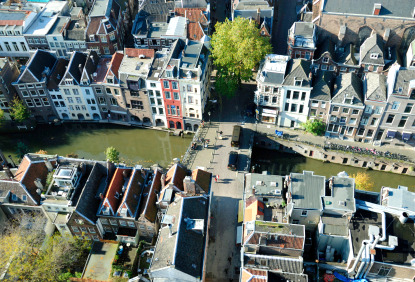
Utrecht, the fourth-largest city in the Netherlands, stands as a captivating blend of medieval charm and modern vitality. Located in the heart of mainland Netherlands, this university city radiates outward from its iconic 112-metre Dom Tower, with a compact medieval core encircled by picturesque tree-lined canals. The city's unique double-level canal system features distinctive wharfs and cellars that now house restaurants, cafés, and shops, creating a vibrant atmosphere along the waterways. As the religious centre of the Netherlands since the 8th century and home to the country's largest university, Utrecht combines historical significance with contemporary culture, offering visitors an array of museums, historical buildings, and cultural events that make it the second most culturally active city in the Netherlands after Amsterdam.
Utrecht University, founded in 1636, ranks among Europe's oldest and most prestigious institutions of higher learning. With over 30,000 students, it significantly contributes to the city's vibrant academic atmosphere.
Interesting Facts about Utrecht
- Utrecht is home to the Dom Tower, the tallest church tower in the Netherlands at 112 metres, which offers panoramic views from its 465-step ascent.
- The city’s canals, including the Oudegracht, feature unique wharf cellars that now house cafes, shops, and restaurants accessible from water-level platforms.
- Utrecht Central Station is the busiest railway hub in the Netherlands, connecting major cities and serving as a key transport nexus.
- The Rietveld Schröder House, a UNESCO World Heritage Site, revolutionised modernist architecture with its bold, geometric design.
- Utrecht was founded as the Roman fortress Traiectum around 50 CE, with remnants of its ancient walls still visible beneath Dom Square.
- It became one of the Netherlands’ first official cities in 1122, celebrating its 900th anniversary in 2022.
- The Spoorwegmuseum (Railway Museum) showcases historic trains and offers interactive exhibits in a restored 19th-century station.
- Utrecht University, established in 1636, is the largest in the Netherlands and ranks among Europe’s top academic institutions.
- The city’s medieval centre retains cobbled streets and gabled houses, blending historic charm with vibrant modern culture.
- Utrecht’s cycling infrastructure includes over 400 km of bike paths, earning it a reputation as one of the world’s most cycle-friendly cities.
History
The first permanent settlement attested in Utrecht dates from 47 CE, when a Roman fortification (castellum) was constructed. It was designed to house a cohort of about 500 legionaries. Emperor Claudius had decided to stop the northward expansion of the empire at the Rhine. Several garrisons were placed along the Limes Germanicus ("Germanic frontier"), including Lugdunum Batavorum (near Leiden), Ulpia Noviomagus Batavorum (Nijmegen), Trajectum ad Mosam (Maastricht) and Trajectum ad Rhenum (Utrecht).
The name Latin name Trajectum ad Rhenum means "Ford on the Rhine". The prefix Ultra (on the far side) was added later to distinguish it from other homonymous places. Ultra Trajectum derived through the ages into germanised form Utrecht.
The wooden city walls were replaced by stone walls in the 2nd century. In the middle of the 3rd century, Germanic tribes regularly invaded the Roman territories. Around 275 the Romans could no longer maintain the northern border and Utrecht was abandoned.
Utrecht's revival came with the Merovingian king Dagobert I (603-639), who founded a church devoted to Saint Martin within the walls of the old Roman fortress. It was destroyed by the Frisians shortly afterwards. Willibrord (658-739), a Northumbrian missionary, converted the Frisians, and was named archbishop of the Frisians, establishing the Diocese of Utrecht in 695.
In 723, the Frankish king bestowed the fortress in Utrecht and the surrounding lands as the base of bishops. From then on Utrecht became one of the most influential seats of power for the Roman catholic church in the Netherlands. The importance of Utrecht as a centre of christianity is illustrated by the appointment of the local born Adriaan Florenszoon Boeyens (1459-1523) as Pope Adrian VI in 1522 (the last non Italian pope before John Paul II).
In 1024, the Bishops of Utrecht were made Princes of the Holy Roman Empire, thus creating the Prince-Bishopric of Utrecht. The next few centuries were marked by conflicts with the County of Holland and the Duchy of Guelders.
The construction of the present cathedral started in 1253, after the earlier romanesque cathedral had been badly damaged by fire. It was not completed before 1420, with the central nave.
In 1528, the worldly powers of the bishop over both Neder- and Oversticht; including the city of Utrecht, were transferred to Charles V of Habsburg, Holy Roman Emperor, King of Spain and ruler of the Seventeen Provinces of the Netherlands (i.e. roughly the modern Benelux and the French Nord-Pas-de-Calais region).
The rule of Charles' son, King Philip II, witnessed the rise of Protestantism and the intensification of the Spanish Inquisiation in the Low Countries. This led to the Dutch Revolt (1568-1648) and the signing of the Union of Utrecht in 1579, regarded as the foundation of the Republic of the Seven United Netherlands. Utrecht had been elevated to the rank of archbishopric in 1559, but the new Protestant Dutch Republic abolished it, along with all other bishoprics, in 1580. The archbishopric was not reinstated until 1853.
The Treaty of Utrecht in 1713 was one of the three treaties settling the War of the Spanish Succession (1701-1714). The treaty placed Louis XIV's grandson on the throne of Spain, while conferring the Spanish Netherlands to Austria. Its most lasting effect was the cession by Spain of Gibraltar to Great Britain.
In 1843, a railway connecting Utrecht to Amsterdam was opened. After that, Utrecht gradually became the main hub of the Dutch railway network.
Main Attractions
Historical Landmarks
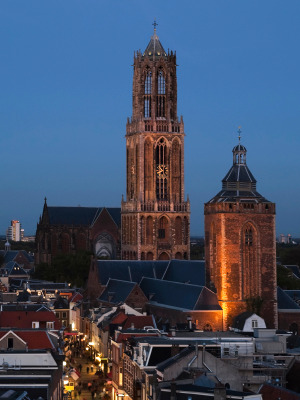
The Dom Tower stands as Utrecht's most iconic landmark and the Netherlands' tallest church tower at 112.32 metres. Built between 1321 and 1382, this Gothic masterpiece offers visitors who climb its 465 steps unparalleled views of the city and, on clear days, even Amsterdam. The tower's unique history includes the 1674 tornado that destroyed the cathedral's nave, leaving the tower permanently separated from the Dom Church. The tower features 14 bells, including one weighing 8,227 kg, and its carillon regularly performs concerts.
The Dom Church, though separated from its tower, remains an impressive example of Gothic architecture. The church's interior features remarkable stained glass windows, elegant vaulted ceilings, and an ornate choir area. The surrounding Dom Square (Domplein) reveals layers of Utrecht's history, with Roman foundations visible through glass panels in the ground.
Waterways and Historic Centre
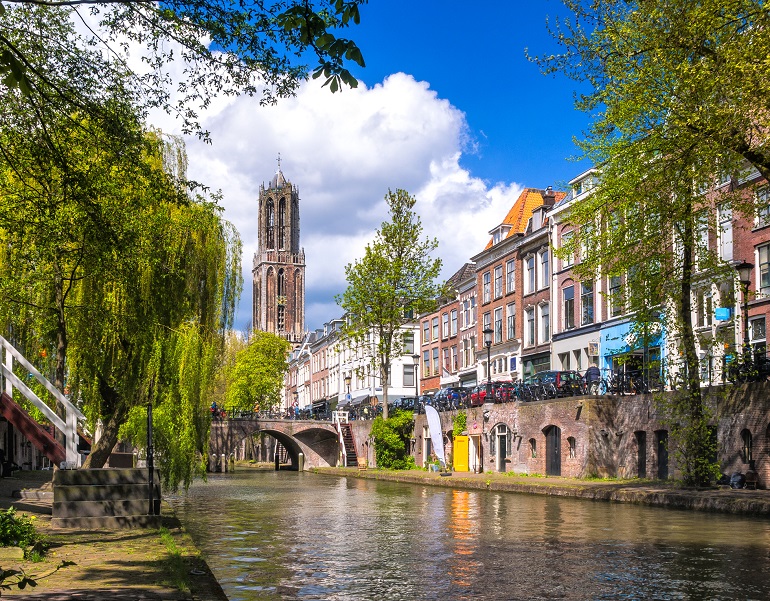
The Oudegracht (Old Canal) forms the city's historic backbone, unique among Dutch canals for its two-level structure. The upper level consists of street-side walkways, while the lower level features wharfs and cellars originally used for storage and trade. These cellar spaces now house restaurants, cafés, and shops, creating a distinctive dining and shopping experience. The canal follows parts of the original Rhine River course, and its bridges offer countless photo opportunities.
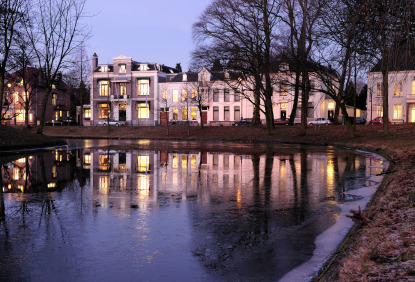
Running parallel to the Oudegracht, the Nieuwegracht (New Canal) provides a quieter, more residential atmosphere. Historic mansions line this narrower waterway, connected to the street by individual bridges. The canal's peaceful character makes it perfect for peaceful walks, particularly in spring when trees lining the water burst into bloom.
Kasteel de Haar, located just outside Utrecht, stands as the Netherlands' largest castle. Rebuilt in neogothic style from 1892 to 1912 on medieval foundations, the castle showcases opulent interiors designed by Pierre Cuypers. The surrounding park, designed in English landscape style, spans 135 acres and includes formal gardens, water features, and a deer park. The castle hosted numerous celebrities throughout the 20th century and continues to hold events and exhibitions.
Entertainment Venues
TivoliVredenburg represents Utrecht's modern cultural heart. This contemporary music complex, opened in 2014, houses five halls, each designed with specific acoustic properties for different musical genres. The venue attracts approximately 1.3 million visitors annually and hosts over 2,000 events yearly, ranging from classical concerts to electronic music festivals. The building's innovative architecture incorporates elements from the original 1970s Vredenburg concert hall.
Green Spaces
Utrecht's green spaces provide welcome respite from urban life. The Wilhelminapark, designed in English landscape style, offers carefully maintained lawns, mature trees, and a central pond. The park hosts various events throughout the year and serves as a popular spot for picnics and recreation. Strand Oog in Al, an urban beach area along the Amsterdam-Rhine Canal, provides a surprising summer destination within the city limits, complete with a café and water activities.
Notable Streets
The city's commercial heart beats along Lange Elizabethstraat and Steenweg, which connect Utrecht Central Station to the historic centre. These pedestrianised shopping streets house both international brands and local boutiques. The parallel Mariastraat has evolved into a gastronomic destination, with restaurants offering cuisines from around the world.
Hidden Gems
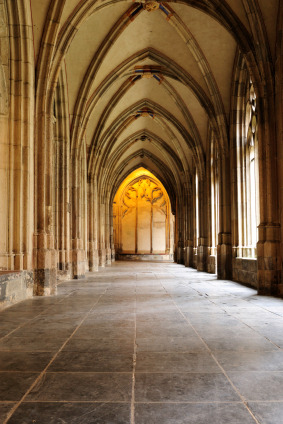
The Pandhof, a hidden gem beside the Dom Church, presents a serene medieval monastery garden. Its cloistered courtyard features ornate Gothic architecture and carefully maintained herbs and plants that would have been grown by medieval monks. The garden provides a peaceful retreat and excellent photography opportunities.
The Zocherpark forms a green belt around Utrecht's old town, following the line of former city walls. Created in the 19th century by landscape architect Jan David Zocher Jr., this English-style park offers walking and cycling paths, connecting various parts of the historic centre. The park includes several restored medieval defence towers and provides excellent views of the city's defensive canal.
Top Museums
Centraal Museum
The Centraal Museum, a cornerstone of Utrecht's cultural landscape, has been captivating visitors since its establishment in 1838, making it the oldest municipal museum in the Netherlands. Its vast and diverse collection, numbering around 60,000 objects, spans centuries of artistic and cultural expression. The museum's holdings encompass a wide spectrum of disciplines, including paintings by Old Masters, cutting-edge modern and contemporary art, historical fashion, and exquisite applied arts.
The museum is particularly celebrated for its exceptional collection of works by Utrecht masters, a testament to the city's rich artistic heritage. Visitors can admire stunning paintings by Jan van Scorel, known for his Renaissance portraits; Joachim Wtewael, a master of Mannerism; and the Utrecht Caravaggisti, a group of artists who embraced the dramatic use of light and shadow championed by Caravaggio.
Beyond its paintings, the Centraal Museum boasts a number of other notable highlights. The doll's house of Petronella de la Court, a meticulously crafted miniature replica of a 17th-century canal house, offers a fascinating glimpse into the lives of wealthy Dutch families. The museum also houses a collection of exquisite silver pieces by the Van Vianen brothers, renowned silversmiths whose work epitomises the Dutch Baroque style. Furthermore, visitors can explore diverse collections of fashion, design, and photography, showcasing the evolution of these art forms over time.
Museum Catharijneconvent
Nestled within the walls of a former medieval monastery, Museum Catharijneconvent offers a unique and immersive journey into the history of Christianity in the Netherlands and the art that has been inspired by faith. The museum's collection comprises a wealth of sacred art, spanning centuries and reflecting the diverse expressions of religious belief.
Among the museum's most prized possessions are its richly illustrated manuscripts, painstakingly created by hand and adorned with intricate illuminations. These manuscripts offer a rare glimpse into the artistic and intellectual world of the Middle Ages. Visitors can also admire a stunning collection of paintings, altarpieces, and gold and silver artefacts, each telling a story of faith, devotion, and artistic craftsmanship. The artefacts date from the early Middle Ages to the present day, showcasing the evolution of Christian art over time.
Currently, the museum is hosting an exhibition titled "Between Heaven and War" until 15 June 2025, which explores the themes of faith, conflict, and resilience through the lens of modernist masterpieces from the interwar period. This exhibition provides a thought-provoking and timely reflection on the enduring relevance of religion in a world shaped by war and upheaval.
Railway Museum (Spoorwegmuseum)
For those fascinated by trains and railway history, the National Railway Museum, housed in the beautifully preserved former Maliebaan station, is a must-visit destination. Since its opening in 1927, the museum has been dedicated to showcasing the development of Dutch railways from their earliest beginnings to the present day.
Visitors can embark on a captivating journey through time, tracing the evolution of train technology from the first steam engine to modern high-speed trains. The museum's collection includes a variety of locomotives, carriages, and railway artefacts, each meticulously preserved and presented to provide an immersive and informative experience.
The Railway Museum is not just for train enthusiasts; it's an engaging destination for visitors of all ages. The museum focuses on the social context of train travel, exploring the impact of railways on Dutch society and culture. Interactive exhibits and engaging displays bring the history of trains to life, making it a fun and educational experience for the whole family.
Sonnenborgh Observatory
Perched atop a 16th-century bastion, Sonnenborgh Observatory offers a unique blend of astronomical science and historical architecture. Visitors can explore the thick walls of the fortress, imagine defending the city from invaders, and discover hidden cannon emplacements.
Ascend to the observatory's 19th-century telescope domes and peer through the lenses to gaze at the stars, planets, and other celestial wonders. The observatory provides a fascinating insight into the history of astronomy and the scientific discoveries that have shaped our understanding of the universe.
Sonnenborgh Observatory also holds a special place in Dutch scientific history as the first home of the Royal Dutch Meteorological Institute. Visitors can learn about the early days of weather forecasting and the role that Sonnenborgh played in advancing our understanding of the Earth's climate.
Museum Speelklok
Step into a world of whimsical melodies and mechanical marvels at Museum Speelklok, home to an extraordinary collection of self-playing musical instruments. From delicate music boxes to enormous street organs, the museum showcases the ingenuity and artistry of these fascinating machines.
Visitors can marvel at a variety of captivating pieces, including barrel organs, clockwork music players, and pianolas. The highlight of the museum is its collection of street organs, ornately decorated and capable of producing a rich and vibrant sound. The museum is often described as the most musical museum in the Netherlands, and its lively atmosphere is sure to delight visitors of all ages.
Utrecht University Museum
The University Museum serves as a repository of Utrecht's rich academic heritage, offering visitors a glimpse into the history of one of the Netherlands' oldest and most prestigious universities. The museum showcases a collection of artefacts, documents, and scientific instruments that trace the university's development from its founding in 1636 to the present day.
Visitors can explore exhibits on the university's most influential scholars, its groundbreaking research, and its contributions to society. The museum provides a fascinating insight into the intellectual life of Utrecht and the important role that the university has played in shaping the city's identity.
Rietveld Schröder House
A testament to the innovative vision of Dutch architect Gerrit Rietveld, the Rietveld Schröder House stands as an iconic example of De Stijl architecture. Built in 1924, the house is a UNESCO World Heritage site and a must-see for anyone interested in modern architecture and design.
The house's revolutionary design, characterised by its flexible spaces, bold colours, and geometric forms, challenged traditional notions of domestic living. Visitors can tour the house and learn about Rietveld's design principles and his vision for a new way of living. The Rietveld Schröder House is managed by the Centraal Museum, ensuring its preservation and accessibility for future generations.
Local Cuisine
Utrecht offers a delightful mix of traditional Dutch fare and modern culinary experiences. Visitors can sample authentic stamppot (mashed potatoes with vegetables) at local cafés like Domkop, or enjoy fresh stroopwafels from the bustling Vredenburg market on Saturdays. The city is renowned for its street food, particularly the expertly crafted croquettes from the Croquetten Boutique and the fresh kibbeling (battered fish chunks) available at local markets. For a sweet treat, the historic Theo Blom pastry shop has been crafting their signature Dom tower chocolates since 1922. While traditional Dutch cuisine might be simple, Utrecht embraces its colonial heritage with excellent Surinamese and Indonesian restaurants scattered throughout the city. Don't miss trying poffertjes (mini pancakes) at the Muntkelder or visiting Theehuis Rhijnauwen for traditional Dutch pancakes.
Shopping
Utrecht is one of the country's premier shopping destinations, featuring a diverse mix of retail experiences. The city's shopping heart is Hoog Catharijne, the Netherlands' most visited shopping centre, housing over 160 venues including fashion chains and boutiques. The main shopping areas spread through several historic streets, including Oudegracht, which combines fashion chains with speciality boutiques, and the upscale Oudkerkhof, home to luxury retailers. The Twijnstraat offers speciality shops and boutiques, whilst Vredenburg features major retail chains. Shopping hours extend until 21:00 every Thursday evening, and shops open on the first Sunday of each month from 12:00 to 17:00.
Nature in and around Utrecht
Utrecht and its surrounding region offer a diverse array of natural attractions for visitors to explore. The Utrechtse Heuvelrug National Park, stretching about 50 kilometres, features varied landscapes including forests, heathlands, and rolling hills formed during the last ice age. Within the city, Juliana Park provides a peaceful retreat with animals like chickens, sheep, and ducks. The Kaapse Bossen in Doorn boasts beautiful forest paths and a watchtower with panoramic views. For water enthusiasts, the Maarsseveense plassen is ideal for swimming and enjoying sunrises or sunsets. Nature reserves such as Amelisweerd and Bloeyendael offer tranquil spaces for walks and picnics, with the former allowing canoeing on the Kromme Rijn. The region also features several forts from the New Dutch Waterline, including Fort Ruigenhoek and Fort aan de Klop, where visitors can observe how nature has reclaimed these historical sites.
Getting There & Around
Utrecht, the fourth largest city in the Netherlands, is highly accessible and easy to navigate. The city's central station, Utrecht Centraal, serves as a major transport hub with direct train connections from Schiphol Airport and excellent rail links to other Dutch cities. Within Utrecht, you'll find an integrated public transport network comprising buses and trams, which you can pay for using contactless payment methods or an OV-chipkaart (smart travel card). The city is particularly renowned for being cycle-friendly, featuring extensive bike lanes and the world's largest bicycle parking facility at the central station, accommodating over 12,500 bikes. The compact city centre is largely pedestrianised, making walking a delightful way to explore the historic canals and streets. For those who prefer taxis, services like Uber and Bolt are readily available, though they tend to be pricier than public transport. The city has implemented a 30 km/h speed limit in many areas, making it safer for pedestrians and cyclists whilst reducing car traffic in the centre.
Best Time to Visit
The best time to visit Utrecht is from mid-May to mid-September when the weather is at its most pleasant and the city comes alive with activities. During this period, temperatures are comfortably warm, ranging from 18°C to 23°C, making it ideal for exploring the beautiful streets and canals of Utrecht. Spring, particularly April and May, offers a delightful experience with blooming flowers and fewer tourists, whilst the summer months of July and August are perfect for enjoying outdoor cafes and boat trips along the Oudegracht. However, be prepared for occasional rain showers throughout the year. If you prefer to avoid peak tourist season, consider visiting in June or September when the weather is still favourable and the city is less crowded.