-
Don't want to see ads? Install an adblocker like uBlock Origin or use a Europe-based privacy-friendly browser like Vivaldi or Mullvad.
You are using an out of date browser. It may not display this or other websites correctly.
You should upgrade or use an alternative browser.
You should upgrade or use an alternative browser.
History Mycaeanean weapons & artwork
- Thread starter Maciamo
- Start date

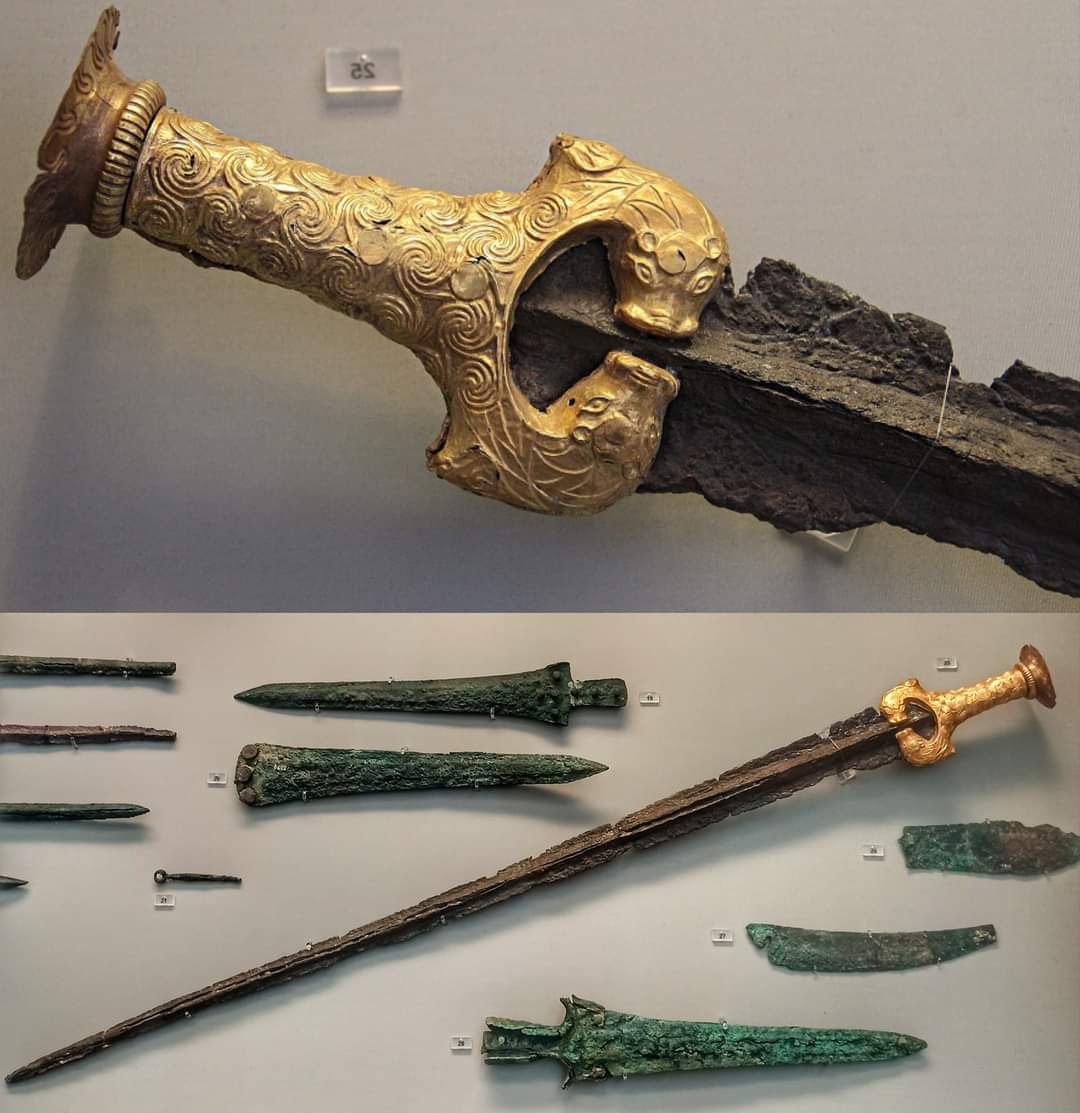
Mycenaean Long Sword (17th-16th Century BCE)
With ornate gold hilt revetment, decorated with spirals and ending in lion-heads; Griffins adorn the blade, from Grave A of Grave Circle B.
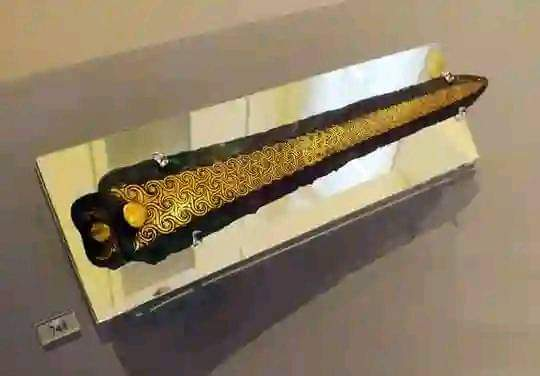
Mycenaean Bronze Dagger with inlaid spiral decoration (1600-1500 BCE)
From Shaft Grave V, Grave Circle A, Mycenae, Greece.
With ornate gold hilt revetment, decorated with spirals and ending in lion-heads; Griffins adorn the blade, from Grave A of Grave Circle B.
Mycenaean Bronze Dagger with inlaid spiral decoration (1600-1500 BCE)
From Shaft Grave V, Grave Circle A, Mycenae, Greece.
lynxbythetv
Regular Member
- Messages
- 211
- Reaction score
- 31
- Points
- 28
Or the Mycenaeans carried a material culture from the Northern Balkans through to Greece. Myceneans left a linguistic and material culture, not genetic.Before being celtic the triskelion was mycenean.
Pygmalion
Regular Member
The triskelion was already present in the Neolithic carvings of Newgrange in Ireland dating to 3000 BC, there's also a four spirals variant of that symbol Early Minoan Crete. Triskelia are also recognizable in a Middle Minoan panther-shaped scepter from Mallia in Crete. So probably its origins have nothing to do with Celts who came much later into the picture.
Last edited:
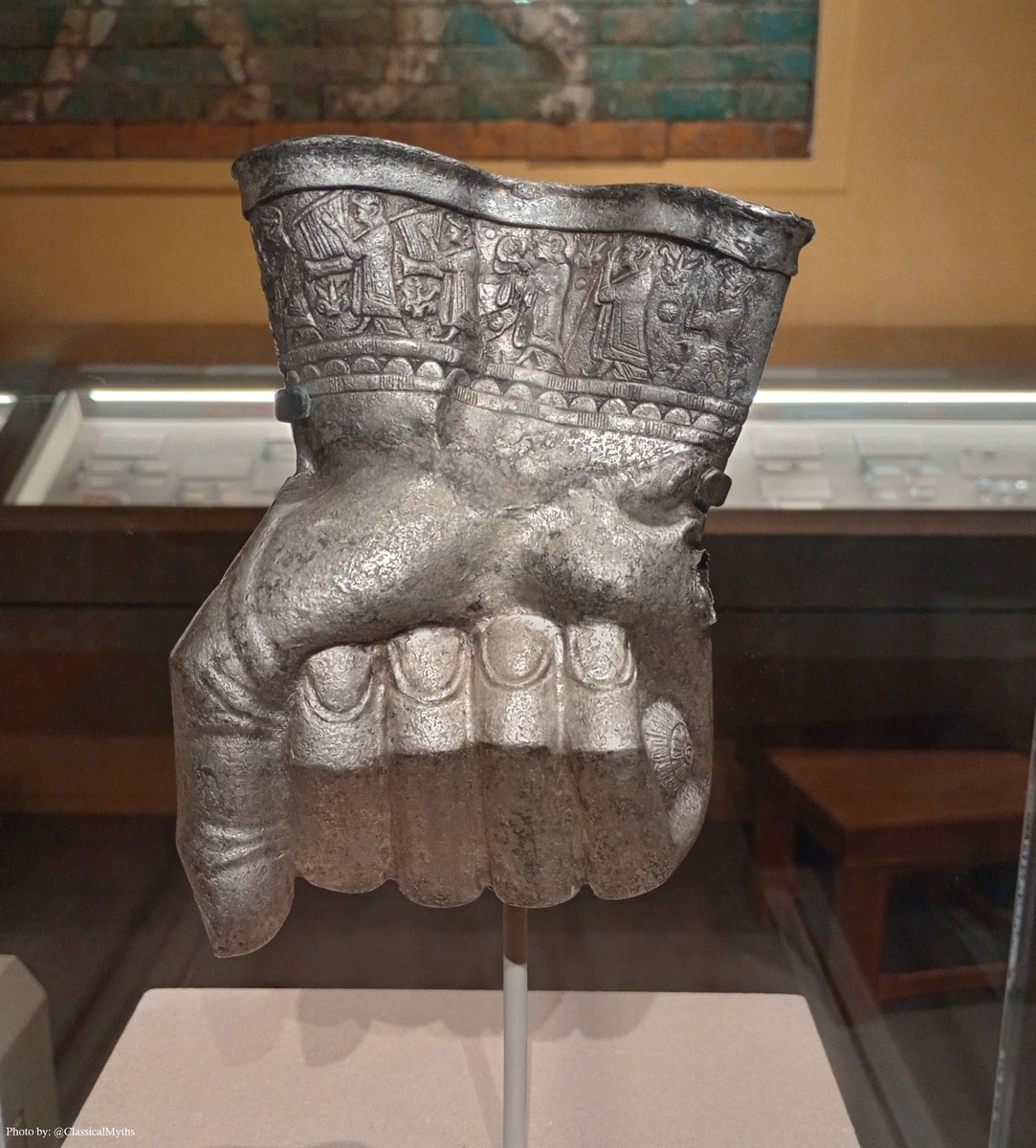
Not Mycenaen, but contemporary. A fist-shaped silver Hittite drinking vessel from ca. 1450-1300 BCE. It was used in rituals relating to Teshub, the storm god, who is depicted on the cuff relief scene. It is at the Museum of Fine Arts in Boston. (Photo from Classical Mythology)